Two years ago, the launch of an integrated marketing campaign at Eightfold was a protracted affair, often stretching across several weeks. This extensive timeline was dictated by the intricate process of aligning messaging, meticulously gathering research, and coordinating numerous stakeholders through a series of individual meetings. Today, the same critical tasks can be accomplished in under a day, a dramatic acceleration highlighted by the marketing team’s recent Oracle partnership campaign plan, which was developed in less than two hours. This transformative shift is not the result of a single new technological acquisition, but rather a fundamental reevaluation of how work is executed, spearheaded by a marketing team that includes Christy Hodgson, Sr. Director of Partner Marketing.
The Genesis of Transformation: Necessity and a Bold Question
Christy Hodgson readily admits that the impetus for this radical change stemmed from necessity rather than a pre-existing inspiration. "We market AI for a living, so we knew we had to authentically demonstrate what AI-first work looks like ourselves," Hodgson stated, underscoring the inherent pressure to embody the very principles their company promotes. This external pressure catalyzed a departure from established norms, compelling the team to scrutinize long-held assumptions. "Looking back, I don’t think we would have moved nearly as quickly if we hadn’t felt that urgency," she reflected.
However, necessity alone does not fully explain the sustained momentum. The driving force was a more profound, strategic question that resonated across the marketing landscape. Organizations globally are facing escalating demands, with customers and internal stakeholders alike expecting more with less. Hodgson’s team eschewed the conventional approach of simply using AI to augment individual task efficiency. Instead, they aimed to fundamentally redesign their operational model, beginning with the intricate process of integrated campaign creation. Their ambitious goal was to eliminate repetitive, time-consuming tasks, enable faster decision-making, and, crucially, liberate human capital to focus on high-level strategy and creativity – areas where human ingenuity remains unparalleled.
From Tool to Integrated Teammate: The Emergence of MIRA
This forward-thinking approach culminated in the development of MIRA, an acronym for Marketing Intelligence and Response Architect. MIRA is conceptualized not as a passive tool to which users log in to complete discrete tasks, but as an active collaborator, akin to a human team member. It seamlessly integrates market insights, partner intelligence, campaign planning, content generation, and workflow automation into a single, cohesive environment.
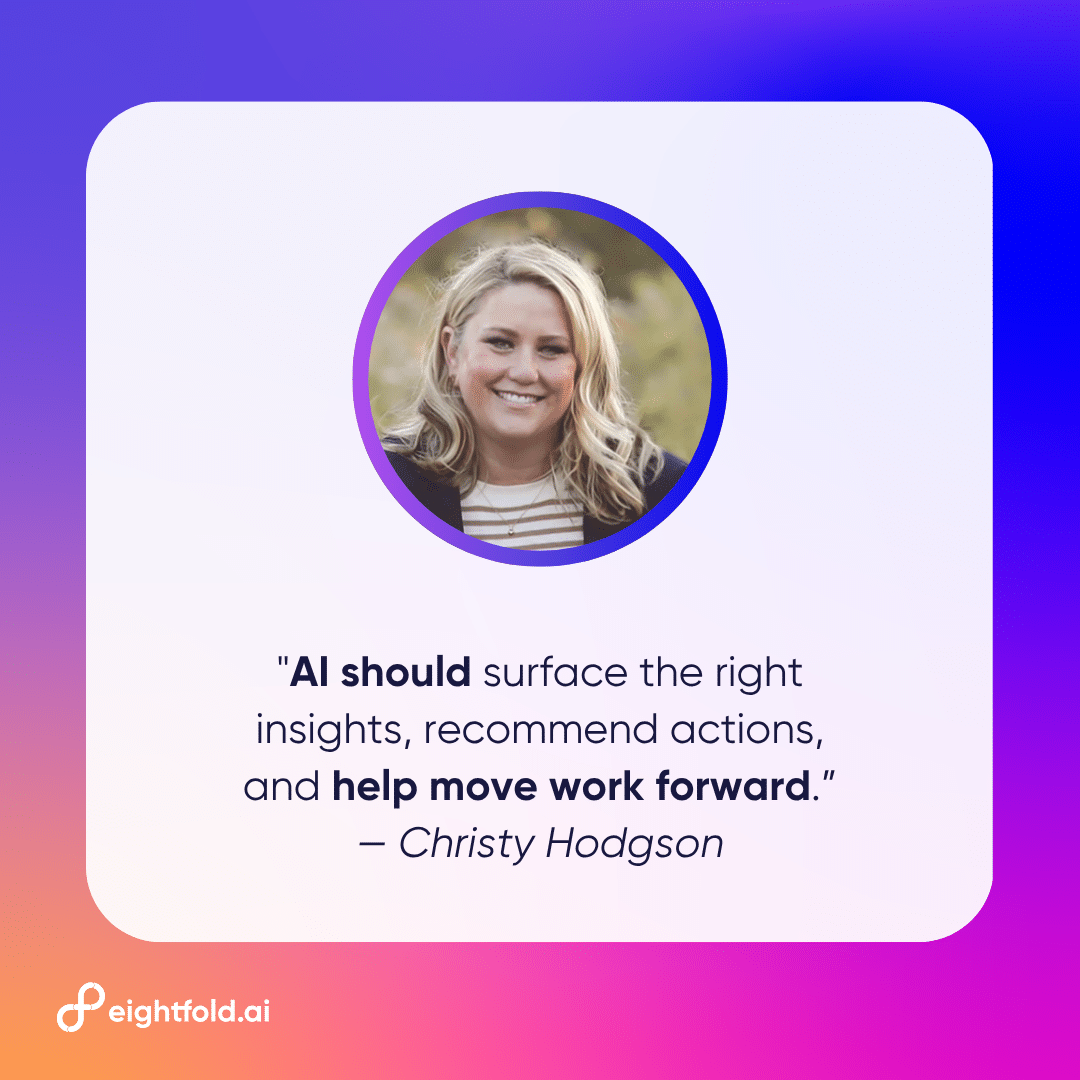
"Marketers shouldn’t have to spend hours searching for information or coordinating work," Hodgson emphasized. "AI should surface the right insights, recommend actions, and help move work forward."
The development of MIRA was an iterative process, not an overnight creation. Initially, the team experimented with AI for more granular tasks such as drafting content, summarizing meetings, and expediting research. However, a critical realization soon emerged: they were posing the wrong questions. The focus shifted from "How can AI help me complete this task?" to a more strategic inquiry: "How can AI help us solve this problem differently?"

Campaign planning became the crucible for this new paradigm. The team meticulously mapped the entire end-to-end process, from initial market research and messaging strategy to content creation and cross-functional execution. Each step was subjected to rigorous interrogation: What aspects inherently required human oversight? Which components could AI accelerate? And which elements could be fundamentally reimagined through the lens of AI integration? This comprehensive process of deconstruction and reconstruction was instrumental in transforming MIRA from a nascent idea into an integral operational infrastructure.
Subsequently, every marketing function within Eightfold has contributed to MIRA’s evolution, lending their specialized expertise to define the most critical skills and workflows. This collaborative development approach, characterized by bottom-up input rather than top-down directives, has ensured that MIRA is a true reflection of the team’s collective needs and aspirations.
The Turning Point: Embracing a Growth Mindset
Beyond the technical challenges, the most significant hurdle was fostering a cultural shift in how individuals perceived their roles and responsibilities. "The technology has actually been the easy part," Hodgson remarked, highlighting the more profound work of influencing mindsets. "The harder work has been helping people change the way they think about work."
Years of ingrained habits are not easily discarded, even in the presence of groundbreaking capabilities. The central lesson learned, according to Hodgson, is that successful AI adoption is fundamentally a change management initiative, not merely a technological project. It necessitates a transition from a fixed mindset, characterized by the adage "this is how we’ve always done it," to a growth mindset that actively embraces curiosity, continuous learning, and public experimentation.
A pivotal moment signaled this cultural transformation. In the early stages, MIRA was often treated as just another AI tool. However, as its interconnected capabilities expanded and its practical applications became more apparent, a noticeable shift occurred. "It started to feel almost like magic," Hodgson recounted. Team members began to move beyond requesting AI to complete individual tasks and started envisioning entirely novel approaches to their work. "That’s when I knew we’d moved beyond experimentation – our team was starting to rethink what marketing could do altogether."
The Tangible Impact: Enhanced Capacity and Strategic Focus
The impact of this AI-driven transformation is demonstrably evident in Eightfold’s operational tempo. Tasks that previously demanded multiple days of manual research, synthesis, executive program preparation, and competitive intelligence gathering are now completed within hours. However, Hodgson is careful to articulate the deeper, more significant change: "It’s not just that we’re faster – it’s that we’re able to take on work we simply wouldn’t have had the capacity to do before."
This newfound capacity is being strategically redirected. Marketing professionals are now dedicating more time to strategic planning, cultivating relationships, and addressing complex customer challenges, while significantly reducing the time spent on manual information assembly. In Hodgson’s view, AI is not a replacement for marketers; rather, it is an amplifier, augmenting the capabilities and potential of each individual team member.
The ‘Why Here’: Culture of Urgency and Trust
When questioned about the team’s ability to develop an innovation like MIRA, Hodgson attributes it not to external resources or opportune timing, but to the company’s intrinsic culture – a potent combination of urgency and trust. "We weren’t expected to get everything right on the first try. We were expected to learn, share what worked, and keep improving."
This ethos is actively fostered through structured initiatives. The team conducts weekly, optional agentic office hours, providing an open forum for any employee to pose questions or test nascent ideas. Monthly prompt sessions offer a platform for team members to showcase their AI-driven creations, facilitating knowledge sharing and cross-pollination of best practices. Beyond the marketing department, Eightfold supports broader AI upskilling through a company-wide Slack channel dedicated to AI and Claude office hours, encouraging continuous learning across the organization.
"Not every idea works, and that’s okay," Hodgson stated, underscoring the value placed on rapid learning and adaptation. "We learn quickly, adapt, and keep moving." For prospective employees, Hodgson offers a transparent outlook: "I think they’d be surprised that we don’t pretend to have it all figured out. We’ve made tremendous progress, but we’re still learning every day."
Charting the Future: AI as an Active Teammate
Looking ahead, Hodgson anticipates the next evolutionary leap will involve AI transitioning from an assistant role to that of an active teammate. This future iteration will continuously monitor market dynamics, proactively orchestrate workflows, and recommend strategic actions, thereby freeing up marketers for deeper engagement in strategy development and human-centric connections.
The essential skills for navigating this evolving landscape, according to Hodgson, are not solely technical. "A growth mindset is essential because AI is evolving so quickly that the people who thrive will be the ones who are constantly learning, experimenting, and adapting." Critical thinking remains equally vital; while AI can generate ideas, human marketers will continue to play a crucial role in formulating the right questions, evaluating the utility of AI-generated outputs, and making sound strategic decisions.
When prompted to complete the statement, "Innovation works here…", Hodgson’s response is immediate and emphatic: "…because we’re given both the challenge and the freedom to rethink what’s possible." This environment, characterized by both ambitious goals and the autonomy to pursue novel solutions, appears to be the fertile ground from which Eightfold’s marketing revolution has sprung.