Employee engagement in the United States has registered a significant and concerning decline, dropping below 30 percent for the first time in 15 years. This unprecedented dip, reaching 29 percent in the third quarter of 2026, marks the lowest level recorded since 2011, according to the latest comprehensive survey by Gallup. The report highlights a particularly steep deterioration in engagement among remote and hybrid workers, a trend exacerbated within organizations that have rapidly adopted artificial intelligence (AI) without sufficient strategic foresight for their human capital. This development signals a critical inflection point for American businesses, necessitating a profound re-evaluation of workplace strategies, leadership approaches, and the integration of emerging technologies.
The latest figures represent a two-percentage-point decrease from the previous quarter, extending a prolonged period of decline that began shortly after a peak recorded during the initial phases of the COVID-19 pandemic. While 29 percent of employees are now classified as engaged, the proportion of actively disengaged employees has simultaneously risen from 17 percent to 18 percent. The largest segment, a substantial 53 percent, falls into the category of "not engaged," indicating a passive presence without strong emotional or psychological connection to their work or organization. This shift translates to an estimated 3.2 million fewer engaged employees in the US workforce, based on Gallup’s methodology of approximately 1.6 million workers per percentage point. The implications of such widespread disengagement span productivity, innovation, talent retention, and overall organizational health.
A Decadal Decline: Tracing the Engagement Trajectory
The journey to this current low point has been a gradual yet persistent one, reflecting evolving dynamics within the American labor market and broader societal shifts. Employee engagement reached a peak of 36 percent in 2020, a period characterized by the initial response to the global pandemic. This temporary surge was largely attributed to a sense of collective purpose, increased employer flexibility, and a heightened focus on essential workers, fostering a perception of mutual support between employees and organizations. Many companies, in the face of unprecedented challenges, prioritized employee well-being and demonstrated agility in adapting to remote work, which initially garnered positive sentiment.
However, this peak proved unsustainable. As the immediate crisis receded and businesses grappled with post-pandemic realities, including the "Great Resignation" and inflationary pressures, engagement began to wane. By 2024, the figure had fallen to 31 percent, a level it maintained through the first half of 2026. This sustained plateau hinted at underlying structural issues that were not being adequately addressed. The recent two-point fall in the third quarter of 2026 suggests that these issues have deepened, pushing engagement into a territory not seen in over a decade. This chronology underscores that the current crisis is not an anomaly but rather the culmination of several years of declining workplace satisfaction and connection, amplified by contemporary challenges.
Eroding Foundations: The Deterioration of Day-to-Day Workplace Experience
A core concern emanating from Gallup’s findings is the significant deterioration in the fundamental aspects of employees’ daily workplace experience. Two critical indicators of a healthy work environment—clarity of expectations and a sense of being cared for—have shown marked declines, pointing to systemic failures in leadership and communication.
In the third quarter of 2026, only 46 percent of employees strongly agreed that they had a clear understanding of what was expected of them at work. This represents a three-percentage-point drop from the 49 percent reported in the first half of the year. A lack of role clarity can lead to confusion, inefficiency, increased stress, and a diminished sense of purpose. In dynamic work environments, particularly those undergoing rapid technological shifts like AI integration, roles and responsibilities are constantly evolving. Without consistent and transparent communication from leadership, employees can feel adrift, unsure of their contributions or how their work aligns with broader organizational goals. This issue is particularly acute in hybrid and remote settings where informal cues and direct supervision are less prevalent.
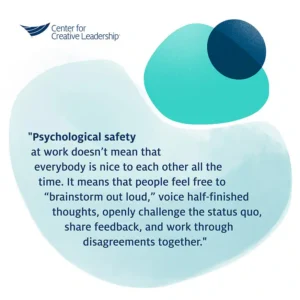
Compounding this problem is a weakening sense of personal connection and support. The proportion of employees who strongly agreed that their supervisor or someone at work genuinely cared about them as a person fell from 40 percent to 37 percent in the third quarter. This three-point decline signifies an alarming erosion of psychological safety and empathy within organizations. Feeling cared for is a fundamental human need that translates directly into loyalty, commitment, and resilience in the workplace. When employees perceive a lack of genuine concern from their superiors or colleagues, it fosters feelings of isolation, distrust, and disengagement. This metric is a powerful barometer of managerial effectiveness and organizational culture, suggesting that many leaders are failing to build meaningful relationships with their teams, especially in distributed work models. Both clarity of expectations and a sense of care have been on a downward trend for several years, highlighting a persistent challenge for modern workplaces.
The Hybrid and Remote Divide: A Deeper Plunge in Engagement
While overall engagement has fallen, the decline has been particularly acute and revealing among employees working remotely or in hybrid arrangements. This segment of the workforce, which grew exponentially during the pandemic, is now experiencing some of the most pronounced challenges to maintaining connection and motivation.
Between the second and third quarters of 2026, engagement among fully remote employees plummeted by five percentage points, a stark indicator of the difficulties in sustaining high levels of connection and performance in fully distributed teams. Hybrid workers, who split their time between home and the office, also recorded a significant two-point fall in engagement. In contrast, the decline was notably smaller among on-site employees and those whose jobs intrinsically require a physical presence, suggesting that the traditional workplace environment, despite its own challenges, may still offer certain inherent advantages in fostering engagement, such as easier informal interactions, clearer lines of communication, and a more tangible sense of team belonging.
The pronounced drop in engagement for remote and hybrid workers can be attributed to several factors. These include potential feelings of isolation, reduced opportunities for spontaneous collaboration and mentorship, blurred boundaries between work and personal life leading to burnout, and a perceived lack of visibility for career advancement. Furthermore, managing remote and hybrid teams effectively requires a distinct skill set that many managers have not yet fully developed. Without intentional strategies to foster connection, provide clear direction, and offer equitable opportunities for growth, the benefits of flexibility can be overshadowed by feelings of disconnect and marginalization.
AI’s Complex Influence: From Advantage to Diminished Returns
The findings from Gallup also shed critical light on the evolving relationship between artificial intelligence adoption and employee engagement. Earlier analyses by Gallup had indicated a distinct "engagement advantage" in organizations that had embraced AI, particularly where its implementation was accompanied by a clear strategic plan and active managerial support. This initial advantage was likely driven by the promise of increased efficiency, the automation of mundane tasks, and the perception of working for an innovative, forward-thinking company.
However, by the third quarter of 2026, this engagement advantage, especially for remote and hybrid employees, had significantly narrowed, or in some cases, all but evaporated. Among fully remote employees in organizations that had integrated AI, the engagement advantage over their counterparts in non-AI-adopting organizations shrunk from a robust five percentage points in the second quarter to a mere two points. For hybrid employees, the contraction was even more dramatic, falling from an eight-percentage-point advantage to just two points. Intriguingly, among on-site workers, the AI-related engagement advantage remained relatively stable, hovering around four to five percentage points.
This narrowing gap suggests that the initial novelty and perceived benefits of AI may be wearing off, revealing deeper challenges in its practical integration. For remote and hybrid workers, the introduction of AI might be perceived less as an enabler and more as another layer of complexity or even a threat. Without the consistent in-person guidance and robust communication often present in on-site environments, remote and hybrid employees might struggle with:
- Lack of Training and Clarity: Insufficient training on how to effectively use new AI tools or how their roles will evolve alongside AI.
- Automation Anxiety: Fear of job displacement or de-skilling, especially if the purpose and scope of AI implementation are not transparently communicated.
- Increased Workload: AI tools might sometimes add to cognitive load or create new tasks if not properly integrated into workflows, rather than reducing them.
- Reduced Human Interaction: Over-reliance on AI for certain tasks could inadvertently reduce opportunities for human collaboration, which is already a challenge in distributed teams.
- Ethical Concerns: Worries about data privacy, algorithmic bias, or surveillance amplified by AI.
The sustained AI advantage for on-site workers could indicate that proximity allows for more direct, informal, and hands-on support during AI integration, mitigating some of these concerns. Ultimately, the findings underscore a critical insight: simply introducing AI technology is insufficient to sustain engagement. For AI to truly enhance the employee experience, it must be part of a broader, human-centric strategy that prioritizes clarity, continuous learning, strong managerial support, and a profound sense of connection and purpose.
Expert Reactions and Strategic Imperatives
The precipitous drop in employee engagement has sent ripples through human resources departments, organizational leadership, and economic policy circles. Experts are largely in agreement that these figures represent a wake-up call for American businesses.
HR Leaders and Organizational Psychologists emphasize that the current environment demands a renewed focus on fundamental workplace principles. "The data clearly indicates that the transactional relationship between employer and employee is no longer sustainable," states Dr. Evelyn Reed, a prominent organizational psychologist specializing in future of work trends. "Employees are seeking purpose, connection, and a clear understanding of their value. When these are absent, disengagement is an inevitable outcome." HR professionals are now tasked with re-evaluating their employee value propositions, investing significantly in leadership development programs—particularly for managers overseeing remote and hybrid teams—and designing robust communication frameworks that foster transparency and psychological safety. The focus must shift from mere benefits and perks to creating an intrinsically rewarding work experience.
Business Leaders are being urged to acknowledge the tangible economic costs of disengagement. A disengaged workforce is less productive, less innovative, and significantly more prone to turnover, incurring substantial recruitment and training expenses. "The 3.2 million fewer engaged employees represent a direct threat to our nation’s competitive edge," comments Mark Jensen, CEO of a leading tech consultancy. "Companies that fail to address this will face challenges in talent retention, operational efficiency, and ultimately, profitability." Strategies being discussed include:
- Re-emphasizing Foundational Management: Training managers to effectively set expectations, provide constructive feedback, and demonstrate genuine care, especially in a distributed environment.
- Human-Centric AI Implementation: Developing clear guidelines for AI use, involving employees in the design and deployment process, and providing extensive training to ensure AI enhances rather than diminishes human capability and autonomy.
- Fostering Purpose and Connection: Creating opportunities for employees to understand their impact, connecting individual contributions to broader organizational goals, and facilitating social interaction and community building, both virtually and in-person.
- Transparent Communication: Being upfront about organizational changes, strategic directions, and the implications of new technologies.
Broader Implications and the Future of Work
The sustained decline in employee engagement carries profound implications beyond individual organizations, impacting the broader economy, societal well-being, and the very definition of the "future of work."
Economic Impact: Widespread disengagement can lead to a national productivity slowdown. Fewer engaged employees mean less discretionary effort, lower quality of work, and reduced innovation. This can translate into slower economic growth, diminished competitiveness on the global stage, and a potential drag on national GDP. The cost of turnover, already high, is likely to escalate as disengaged workers seek opportunities elsewhere, creating a perpetual cycle of recruitment and training.
Societal Well-being: The workplace is a significant contributor to an individual’s sense of identity, purpose, and mental health. A widespread decline in engagement correlates with increased stress, burnout, and mental health challenges across the workforce. This has broader societal implications, impacting healthcare systems, family dynamics, and community cohesion.
Evolution of Organizational Culture: The erosion of trust, connection, and clarity can severely damage organizational culture. A culture of disengagement is characterized by cynicism, lack of collaboration, and resistance to change, making it incredibly difficult for organizations to adapt, innovate, and thrive in an increasingly volatile and complex world.
The Future of Work: This report serves as a critical signpost for the ongoing evolution of work. It underscores that the shift to remote/hybrid models and the integration of AI are not merely logistical or technological challenges; they are fundamentally human challenges. The success of these transformations hinges on an organization’s ability to prioritize the human element: fostering a sense of belonging, providing clear direction, supporting growth, and demonstrating empathy. The findings necessitate a re-evaluation of leadership models, a greater emphasis on soft skills in management, and a strategic approach to technology adoption that places employee well-being and development at its core.
In conclusion, the plummeting employee engagement in the US is a multifaceted crisis that demands immediate and comprehensive attention. It is not merely a statistical anomaly but a reflection of deep-seated issues concerning workplace culture, leadership effectiveness, and the human integration of technological advancements. Organizations that fail to address these foundational concerns risk not only their own future viability but also contributing to a broader decline in the quality of working life for millions across the nation. The path forward requires intentional design, empathetic leadership, and a steadfast commitment to creating workplaces where employees feel valued, understood, and genuinely connected to their work and their colleagues.