Psychological safety at work is the bedrock upon which high-performing, innovative, and resilient organizations are built. It is not merely a buzzword or a fleeting trend, but rather a fundamental belief shared by team members that they will not be punished or humiliated for speaking up with ideas, questions, concerns, or admitting to mistakes. This shared expectation ensures that individuals feel secure enough to take interpersonal risks, fostering an environment where honesty, candor, and continuous improvement can flourish.
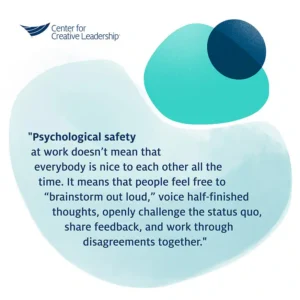
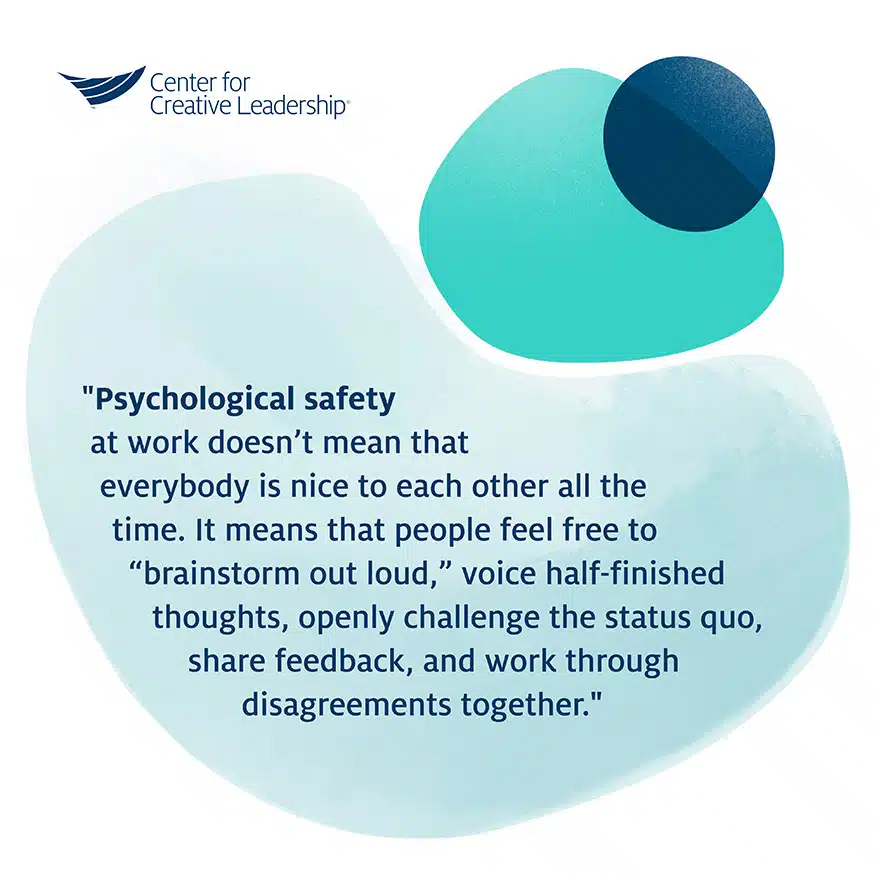
At its core, psychological safety does not imply a constant state of agreeable pleasantries. Instead, it liberates individuals to "brainstorm out loud," voice nascent thoughts, openly question established norms, provide constructive feedback, and navigate disagreements collaboratively. This is underpinned by the knowledge that leadership values truth-telling and that colleagues will offer support. When this environment thrives, employees feel empowered to bring their authentic selves to work, unafraid of vulnerability. Organizations that cultivate such spaces, where bold questions are encouraged, concerns are voiced without fear, help is readily sought, and calculated risks are embraced, inherently position themselves for greater success.
A comprehensive study conducted over 2.5 years involving nearly 300 leaders revealed a strong correlation between high levels of psychological safety and enhanced team performance, alongside a reduction in interpersonal conflict. However, the research also highlighted a significant disparity in perceptions, particularly among senior leadership teams. In these groups, a substantial 62% demonstrated considerable variability in how members perceived their team’s psychological safety. This incongruity has tangible business repercussions, leading to the suppression of innovative ideas, stifled creative problem-solving, and a failure to fully harness collective potential for collaboration and innovation.
The Importance of Psychological Safety in the Workplace: Beyond a "Nice-to-Have"
The significance of psychological safety extends far beyond being a mere desirable workplace attribute; it directly impacts an organization’s financial performance and overall effectiveness. A consistently high level of psychological safety unlocks the full spectrum of talent within an enterprise, significantly enhancing its capacity to preempt and mitigate failures.
Extensive research consistently underscores the benefits of diversity of thought. Teams composed of individuals with varied life experiences are demonstrably better equipped to identify potential problems and devise creative solutions compared to homogenous groups. However, the efficacy of this diversity is severely curtailed if some team members hesitate to voice their perspectives due to apprehension about repercussions.
The reality is that a significant portion of the workforce experiences this reticence. Data from a projected 2025 Gallup engagement survey indicates that a mere three out of ten employees strongly agree that their opinions are valued at work. This sentiment is particularly acute for individuals belonging to social identity groups that are often marginalized. Those from historically underrepresented backgrounds may perceive a greater deficit in workplace psychological safety, leading to their valuable insights being overlooked or unheard.
Conversely, employees who perceive their work environment as psychologically safe are more inclined to engage in interpersonal risk-taking behaviors that are crucial for organizational innovation. This includes speaking up, asking clarifying questions, sharing unspoken reservations, and respectfully challenging existing viewpoints. Such behaviors cultivate a more robust, dynamic, innovative, and inclusive organizational culture.
Conversely, low psychological safety creates an environment where concerns go unaddressed, potentially allowing underperforming initiatives to persist. This leaves the organization ill-equipped to prevent systemic failures and can lead to widespread employee disengagement. When employees are not fully committed to shared organizational success due to a lack of psychological safety, ideas remain unvetted, processes are not optimized, solutions are not rigorously tested, and the organization forfeits the opportunity to leverage the full potential of its workforce.
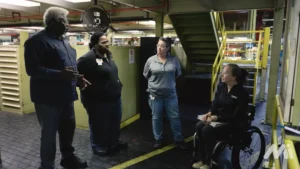
[Image: A graphic or photograph illustrating a diverse team engaged in open discussion, with a subtle visual emphasis on trust and collaboration.]
Why Psychological Safety Matters More Than Ever in the Modern Workplace
The widespread adoption of hybrid and remote work arrangements has introduced new complexities in fostering psychological safety. Leaders face the challenge of building a cohesive and safe "workplace" when team members are geographically dispersed. Establishing trust and open communication can be more difficult when spontaneous interactions are reduced and many conversations occur through digital interfaces.
However, the shift to remote leadership also presents unique opportunities for forging deeper connections and enhancing psychological safety, provided leaders are attentive to these possibilities. Virtual meeting formats, paradoxically, can allow for more focused observation. Unlike in-person interactions where prolonged eye contact might be perceived as awkward, video conferencing enables leaders to maintain sustained visual engagement with speakers, absorbing not only their words but also their underlying emotions and values. This heightened attention can be a powerful tool for fostering authentic communication in virtual settings.
Furthermore, many individuals find it easier to articulate vulnerable thoughts and concerns through a screen, such as via a meeting chat function, than in a face-to-face setting. This allows for more deliberate formulation of ideas, maximizing their impact. Leaders who acknowledge the courage it takes to share honestly in these contexts and respond with appreciation demonstrate respect and reinforce the value of open communication.
How to Create More Psychological Safety at Work
Cultivating psychological safety is an ongoing process that requires intentional effort, particularly from leadership. Here are key strategies leaders can implement:
8 Essential Tips for Leaders
-
Make Psychological Safety an Explicit Priority: Openly communicate to your team the importance of psychological safety and its direct link to organizational innovation, engagement, and inclusion. Model the desired behaviors by seeking help when needed, offering support freely, and employing inclusive leadership practices.

-
Facilitate Universal Participation: Demonstrate genuine curiosity and champion frankness and truth-telling. As a compassionate and open-minded leader, actively listen when individuals bravely challenge the status quo. Organizations that foster a coaching culture are more likely to have team members empowered to speak their truth.
-
Establish Norms for Handling Failure: Avoid punishing experimentation and reasonable risk-taking. Frame mistakes as valuable learning opportunities. Encourage resilience in the face of failure and openly share your own hard-won lessons. This approach fosters innovation rather than stifling it. Employ candor when expressing disappointment, but always balance it with appreciation.
-
Create Space for Novel Ideas: Provide support for all challenges, especially those involving new ideas. Leaders must decide whether they are open to potentially disruptive, yet highly creative, out-of-the-box concepts that may not yet be fully formed. While asking probing questions is essential, it should always be done within a supportive framework. Understanding how to foster innovative mindsets within your team is crucial.
-
Embrace Productive Conflict: Promote sincere dialogue and constructive debate, and develop effective strategies for resolving conflicts productively. By setting clear team expectations around factors that contribute to psychological safety, leaders can pave the way for incremental change. Engaging the team in discussions around questions like "What are the potential upsides of a new idea?" and "What are the potential downsides?" can foster deeper analysis and collaborative problem-solving.
-
Observe and Analyze Patterns: Focus on the perceived patterns of psychological safety within the team, rather than solely on an aggregate score. Identify whether certain members consistently experience higher or lower levels of safety than others. Psychological safety is dynamic and can fluctuate. Reliance on periodic surveys alone may not capture these shifts. Research highlights four key behavioral signal categories – learning, voice, openness, and integration – that leaders can observe in real-time to assess team dynamics.
-
Intentionally Promote Dialogue: Enhance skills in giving and receiving feedback, and create dedicated spaces for individuals to voice concerns. Pose powerful, open-ended questions to colleagues and engage in active listening to understand not only the facts but also their underlying feelings and values. Provide structured opportunities for learning how to deliver constructive feedback and how to respond to it respectfully. Investing in the quality of conversations across the organization is paramount, as better conversations invariably lead to a better culture. This, combined with a psychologically safe environment, empowers colleagues to share reservations and propose more rigorously tested solutions.
-
Celebrate Achievements: Acknowledge and celebrate successes, however small. Positive interactions and dialogues are built on a foundation of trust and mutual respect. Distribute credit widely and embrace collective expertise over a singular "hero" narrative. Expressing gratitude and encouragement reinforces team members’ sense of value. Extend the benefit of the doubt to those who take risks, ask for help, or admit to mistakes, fostering a reciprocal environment of trust.
The 4 Stages of Psychological Safety: A Framework for Growth
As organizations mature in their journey toward greater psychological safety, four distinct and progressive stages emerge:
-
Stage 1 – Inclusion Safety: This foundational stage addresses the fundamental human need for connection and belonging. In an inclusive safety environment, individuals feel accepted for who they are, including their unique attributes and characteristics. This sense of being seen and valued is a prerequisite for further engagement.
-
Stage 2 – Learner Safety: Satisfying the need to learn and grow, learner safety allows individuals to engage in the learning process without fear. This includes asking questions, exchanging feedback, experimenting, and making mistakes, all viewed as integral components of development.
-
Stage 3 – Contributor Safety: This stage addresses the need to make a difference. Individuals feel safe to leverage their skills and abilities to contribute meaningfully to the organization’s goals. They are empowered to apply their expertise and see the impact of their work.
-
Stage 4 – Challenger Safety: This is the highest stage, satisfying the need to improve and innovate. In this phase, individuals feel secure enough to speak up and challenge the status quo when they identify opportunities for change or enhancement. This stage is critical for driving continuous improvement and groundbreaking innovation.
Leaders play a pivotal role in guiding employees through these stages, fostering an environment where interpersonal risk-taking and open communication become the norm. A climate characterized by interpersonal trust, respect, and a strong sense of belonging empowers team members to collaborate effectively and take the calculated risks necessary to drive innovation.
Psychological Safety as a Mirror to Work Culture
The prevailing levels of psychological safety within an organization serve as a direct reflection of its underlying climate and culture. Culture, often defined as "the way we do things around here," is shaped by the collective actions of everyone within the organization. Leaders, in particular, are instrumental in molding organizational culture at both the team and enterprise levels.
Transforming an organizational culture to embed psychological safety is a challenging but ultimately rewarding endeavor. This transformation is best approached through incremental changes, focusing on making small, consistent improvements. Encouraging colleagues to commit to a "1% improvement each day" can lead to exponential organizational strength over time.
The ultimate aim is to cultivate a workplace where team members do not fear rejection for speaking up. When this is achieved, interpersonal risk-taking becomes commonplace, and teams develop a greater capacity to adapt to change. Such organizations possess a profound understanding of their challenges and opportunities, with every member recognizing their role in contributing to a more positive and effective environment.