Employers face a stringent legal framework concerning workplace harassment, with liability standards significantly elevating when the alleged harasser holds a supervisory position. While the bedrock of anti-harassment law, Title VII of the Civil Rights Act of 1964, generally holds an employer accountable if it knew or should have known about harassment by a co-worker and failed to act, the bar for supervisory misconduct is considerably higher. This distinction is crucial for organizations striving to maintain compliant, ethical, and productive work environments.
The Cornerstone of Anti-Harassment Law: Title VII of the Civil Rights Act of 1964
Enacted in 1964, Title VII of the Civil Rights Act stands as a landmark piece of legislation prohibiting employment discrimination based on race, color, religion, sex (including sexual orientation, gender identity, and pregnancy), and national origin. Over the decades, its scope has expanded through judicial interpretation and subsequent legislation to encompass various forms of harassment, recognizing it as a form of discrimination. Workplace harassment is defined by the U.S. Equal Employment Opportunity Commission (EEOC) as unwelcome conduct based on these protected characteristics. The conduct becomes unlawful when enduring it is a condition of continued employment or when the conduct is severe or pervasive enough to create a work environment that a reasonable person would consider intimidating, hostile, or abusive.
Historically, the interpretation of "sex discrimination" to include sexual harassment gained significant traction with the EEOC’s issuance of guidelines in the 1980s, which were later affirmed by the Supreme Court. These guidelines clarified two primary categories of sexual harassment: "quid pro quo" and "hostile work environment." Quid pro quo harassment occurs when employment benefits are conditioned on submitting to unwelcome sexual advances. Hostile work environment harassment, on the other hand, involves a pattern of unwelcome conduct that is severe or pervasive enough to alter the conditions of employment and create an abusive working environment. While these categories were initially defined in the context of sexual harassment, the principles extend to harassment based on any protected characteristic under Title VII.
Distinguishing Liability: Supervisor vs. Co-worker Harassment
The legal landscape of employer liability for harassment hinges significantly on the relationship between the harasser and the victim. When the alleged harasser is a co-worker, an employer’s liability typically arises if the employer was negligent. This means the employer knew or should have known about the harassment and failed to take prompt and appropriate corrective action. The burden is often on the employee to demonstrate that the employer was aware of the conduct and did not adequately address it. This standard encourages employers to implement accessible reporting mechanisms and to respond swiftly and effectively to all complaints.
However, the standard shifts dramatically when the harasser is a supervisor. According to U.S. Equal Employment Opportunity Commission (EEOC) guidance, an employer is automatically liable for harassment by a supervisor that culminates in a "tangible employment action." A tangible employment action is defined as a significant change in employment status, such as termination, demotion, undesirable reassignment, failure to promote, or a significant change in benefits. In these instances, the supervisor’s actions are considered to be those of the employer itself, reflecting the authority delegated to them. The employer cannot typically escape liability by claiming ignorance or asserting that it had anti-harassment policies in place.
When a supervisor’s harassment creates a hostile work environment but does not result in a tangible employment action, the employer may have an opportunity to avoid liability, but only by establishing an affirmative defense. This critical legal nuance was solidified by two landmark Supreme Court decisions in 1998: Faragher v. City of Boca Raton and Burlington Industries, Inc. v. Ellerth.
The Faragher/Ellerth Affirmative Defense: A Critical Nuance
The Faragher and Ellerth cases established an affirmative defense for employers in hostile work environment cases involving supervisors, provided no tangible employment action was taken. To successfully invoke this defense, an employer must prove two elements:
- That the employer exercised reasonable care to prevent and promptly correct any harassing behavior. This prong typically requires employers to demonstrate that they have established and disseminated an effective anti-harassment policy, provided comprehensive training to employees and managers, and implemented a clear complaint procedure that encourages employees to report harassment without fear of retaliation. "Reasonable care" implies not just having policies on paper, but actively ensuring they are understood, accessible, and consistently enforced.
- That the employee unreasonably failed to take advantage of any preventive or corrective opportunities provided by the employer or to avoid harm otherwise. This prong places a burden on the employee to utilize the employer’s established complaint procedures. If an employee is aware of the employer’s anti-harassment policy and complaint mechanism but chooses not to report the harassment, or delays reporting it unreasonably, the employer may be able to argue that the employee failed to mitigate their own harm. However, this element is heavily scrutinized, and courts consider various factors, including the employee’s legitimate fear of retaliation or the perceived futility of reporting.
The implementation of the Faragher/Ellerth defense has significantly shaped how employers approach anti-harassment measures. It incentivizes proactive prevention and prompt corrective action, moving beyond a reactive stance. An employer cannot simply react to a complaint; they must demonstrate a culture of prevention and a clear pathway for employees to report concerns.
The Sanders Allegations and Imputed Liability
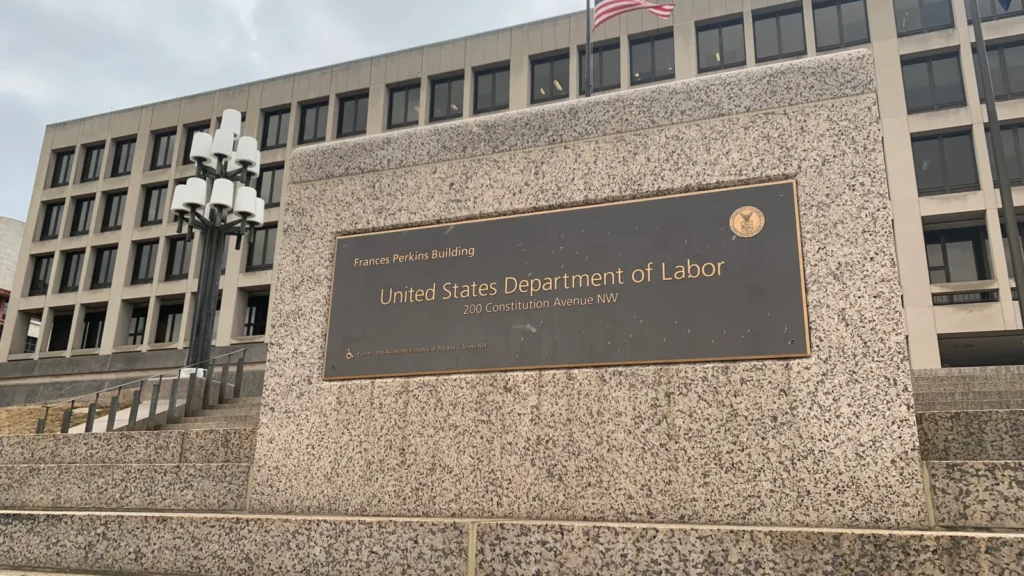
The case referenced, Sanders, illustrates the principle of imputed liability, particularly when managerial actions are implicated. The plaintiff in Sanders alleged that the Department of Labor (DOL) knew about the alleged discrimination. Crucially, the plaintiff claimed that because the violations were "created and fostered by" managers, liability was directly "imputed" to the DOL. This assertion underscores the legal premise that when supervisors or managers are involved in creating or allowing a hostile environment, their actions are often viewed as the employer’s actions, bypassing the "knew or should have known" standard applicable to co-worker harassment. This makes the employer directly responsible, reinforcing the higher standard of accountability for supervisory misconduct.
The Pervasive Challenge: Statistics and Impact of Workplace Harassment
Workplace harassment remains a persistent and costly issue for organizations across various sectors. According to EEOC data, thousands of charges alleging harassment are filed annually. For instance, in recent fiscal years, the EEOC has received between 20,000 to 25,000 charges alleging harassment (of all types, not just sexual) under the statutes it enforces. While the exact numbers fluctuate, the consistent volume highlights the pervasive nature of the problem. Sexual harassment, a significant subset, often accounts for a substantial portion of these charges. Beyond the sheer volume of complaints, the financial implications for employers are staggering. Legal settlements, judgments, and attorney fees can easily run into millions of dollars for a single case.
Beyond direct legal costs, harassment inflicts substantial indirect damages. These include:
- Reputational Harm: Public perception can be severely damaged, affecting consumer trust, partnerships, and investor confidence.
- Employee Turnover: Harassed employees are more likely to leave, leading to recruitment and training costs for replacements.
- Decreased Productivity: A hostile work environment diminishes morale, engagement, and focus, leading to lower productivity and poorer quality of work.
- Absenteeism: Victims of harassment may take more sick days due to stress, anxiety, or other related health issues.
- Mental and Physical Health Costs: Harassment takes a severe toll on employees’ well-being, leading to increased healthcare costs and a decline in overall employee health.
The human cost, though harder to quantify, is immense, affecting individual careers, mental health, and overall quality of life. This collective impact underscores the urgency for employers to treat harassment prevention and response with the utmost seriousness.
A Chronology of Legal Evolution and Enforcement
The legal framework governing workplace harassment has evolved significantly since the mid-20th century:
- 1964: Title VII of the Civil Rights Act Enacted. Prohibited discrimination based on race, color, religion, sex, and national origin, laying the groundwork for future anti-harassment litigation.
- 1980: EEOC Issues Guidelines on Sexual Harassment. These guidelines were pivotal, formally recognizing sexual harassment as a form of sex discrimination prohibited by Title VII and defining "quid pro quo" and "hostile work environment."
- 1986: Meritor Savings Bank v. Vinson. The U.S. Supreme Court unanimously ruled that sexual harassment that creates a hostile work environment is a form of sex discrimination prohibited by Title VII, even without a tangible economic loss. This case firmly established the legal concept of hostile work environment harassment.
- 1991: Civil Rights Act of 1991. Amended Title VII to allow for jury trials and compensatory and punitive damages in cases of intentional discrimination, including harassment. This significantly increased the financial stakes for employers.
- 1998: Faragher v. City of Boca Raton and Burlington Industries, Inc. v. Ellerth. These landmark Supreme Court decisions established the affirmative defense for employers in supervisory hostile work environment cases, as discussed previously.
- 2010s: The #MeToo Movement. While not a legal change, the #MeToo movement dramatically increased public awareness and accountability for workplace harassment, leading to a surge in complaints, legislative efforts at the state level (e.g., mandatory training laws, expanded protections), and a renewed focus on corporate culture and prevention.
- Ongoing: EEOC Enforcement and Guidance. The EEOC continuously issues guidance, conducts investigations, and pursues litigation to enforce anti-harassment laws, adapting to new forms of harassment (e.g., online harassment) and evolving workplace dynamics.
Best Practices for Employers: Proactive Prevention and Responsive Correction
Given the severe legal and operational consequences of workplace harassment, employers are strongly advised to adopt comprehensive, proactive strategies. Workplace experts and management-side attorneys consistently recommend several best practices:
- Robust, Clear Anti-Harassment Policies: Every employer should have a written anti-harassment policy that explicitly prohibits harassment based on all protected characteristics, defines what constitutes harassment, and outlines the consequences for violations. The policy must be easy to understand, widely disseminated, and regularly reviewed and updated. It should emphasize a zero-tolerance stance.
- Effective and Regular Training: Mandatory, engaging training programs are crucial for all employees, with specific, enhanced training for managers and supervisors. Employee training should cover what harassment is, how to recognize it, and how to report it. Supervisor training must delve deeper into their responsibilities to prevent, identify, report, and address harassment, including how to conduct initial responses and investigations, and the legal implications of their actions or inactions. Training should not be a one-time event but an ongoing process, ideally conducted annually or bi-annually.
- Accessible Complaint Mechanisms: Employers must provide multiple, clearly communicated avenues for employees to report harassment. These might include reporting to a direct supervisor, a higher-level manager, Human Resources, an ethics hotline, or a designated ombudsman. Employees must be assured that their complaints will be taken seriously, investigated promptly, and that there will be no retaliation for reporting in good faith.
- Prompt and Thorough Investigations: Upon receiving a complaint, HR or other designated personnel must initiate a prompt, impartial, and thorough investigation. This involves interviewing all relevant parties (complainant, alleged harasser, witnesses), gathering evidence, and maintaining meticulous documentation of the entire process. Investigations should be confidential to the extent possible, but transparency about the process and expected timelines can build trust.
- Appropriate Corrective Action: If an investigation substantiates a harassment claim, the employer must take immediate and effective corrective action to stop the harassment, prevent its recurrence, and remedy its effects on the victim. Corrective actions can range from disciplinary measures (e.g., formal warnings, demotion, suspension, termination) to retraining, reassignment, or other interventions designed to address the behavior and reinforce workplace standards. The action taken must be proportionate to the severity of the harassment.
- Meticulous Documentation: From the initial complaint to the final resolution and follow-up, every step of the process must be thoroughly documented. This includes dates, times, individuals involved, specific allegations, investigative steps, findings, and corrective actions taken. Comprehensive documentation is vital for demonstrating compliance, defending against future legal challenges, and ensuring consistency.
The Role of Human Resources and Legal Counsel
Human Resources departments play a central role in implementing and enforcing anti-harassment policies. HR professionals are often the first point of contact for complaints, responsible for conducting investigations, facilitating training, and advising management on appropriate corrective actions. Their expertise in employee relations, legal compliance, and organizational development is indispensable.
Furthermore, engaging legal counsel is critical, especially for complex or high-risk harassment complaints. Management-side attorneys can provide invaluable guidance on policy development, ensure compliance with federal and state laws, advise on investigative procedures, and help navigate potential litigation. Their involvement helps employers mitigate legal risks and ensure that all actions are legally sound and defensible.
Broader Implications for Corporate Culture and Employee Trust
Beyond legal compliance, a proactive approach to preventing and addressing harassment fosters a positive and inclusive corporate culture. Employees who feel safe, respected, and heard are more engaged, productive, and loyal. A workplace free from harassment enhances employee morale, reduces turnover, and strengthens an organization’s brand reputation as an employer of choice. Conversely, a failure to address harassment can erode employee trust, damage reputation, and create a toxic environment that hinders innovation and growth.
In conclusion, the elevated standard of employer liability for supervisor harassment under Title VII necessitates unwavering vigilance and robust preventative measures. Employers must understand the nuances of legal precedents like Faragher and Ellerth, invest in comprehensive training, establish clear reporting channels, conduct thorough investigations, and take swift, appropriate corrective actions. By doing so, organizations not only fulfill their legal obligations but also cultivate a respectful and equitable workplace culture that benefits everyone.