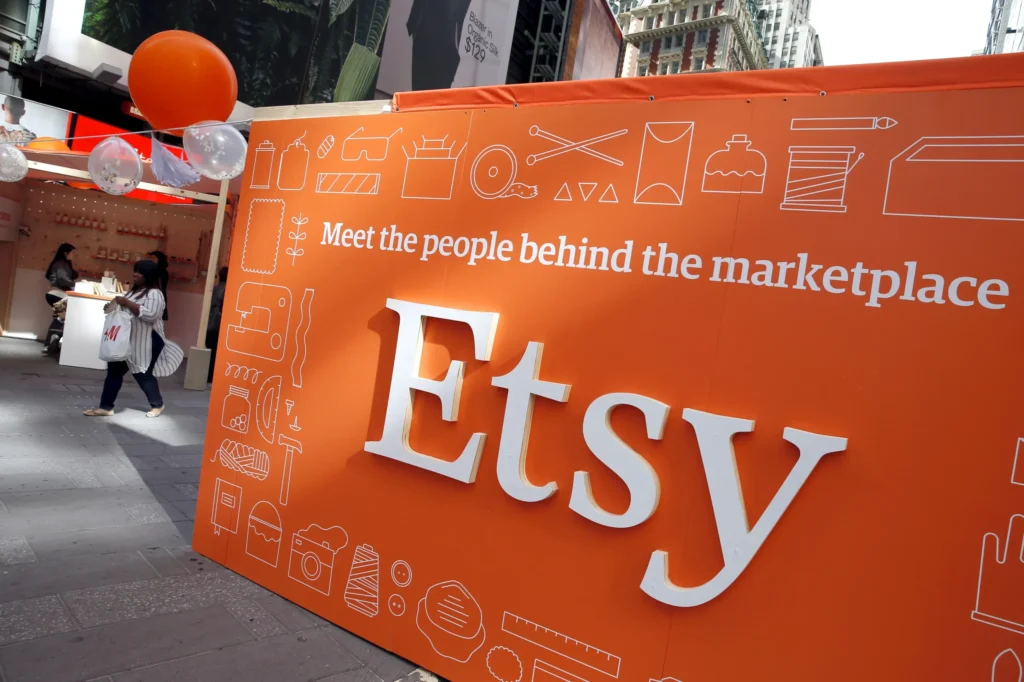
Etsy Inc., the online marketplace renowned for its curated collection of handcrafted goods and vintage items, has announced a substantial workforce reduction, impacting approximately 220 employees, which represents 12% of its total staff. This move is part of a broader restructuring initiative designed to "improve coordination and speed of decision-making," according to a filing with the U.S. Securities and Exchange Commission (SEC) on Wednesday. The layoffs, which will primarily affect individuals within the product and engineering departments, were communicated to employees via an internal email from Chief Executive Kruti Patel Goyal.
Strategic Realignment and Operational Efficiency
In her internal communication, Patel Goyal emphasized that while cost savings are a natural consequence of these changes, they were not the primary objective. "We didn’t start this work with a cost reduction target or a goal of making Etsy smaller," she stated, reinforcing the company’s commitment to continued investment in its business and long-term strategic growth areas. This suggests a focus on optimizing internal processes and enhancing the agility of its operations rather than a general retrenchment. The emphasis on improving coordination and decision-making points towards a desire to streamline internal workflows and accelerate the development and implementation of new features and services for both buyers and sellers on the platform.

The CEO also addressed the role of artificial intelligence in these changes, explicitly stating that the layoffs were "weren’t driven by AI." However, she acknowledged the transformative impact of AI on the modern workplace and its ongoing influence on product development and problem-solving. "At the same time, AI is changing how all of us work, and it will continue to change how we build products and solve problems," Patel Goyal noted. "As the tools available to us evolve, the skills we need, the ways we work together, and the capabilities we build across Etsy must evolve as well." This sentiment suggests that while AI is not the direct cause of the current layoffs, Etsy is keenly aware of its pervasive influence and the need for its workforce and operational strategies to adapt to this evolving technological landscape. The company’s forward-looking approach indicates an intent to leverage AI for future innovation, necessitating a workforce equipped with relevant skills and adaptable working methodologies.
Support for Affected Employees
Etsy has outlined a comprehensive support package for the employees affected by these layoffs. Laid-off workers will receive a minimum of 16 weeks of severance pay, with additional compensation provided based on their tenure with the company. Furthermore, the company will extend healthcare support for up to 12 months, alongside other benefits designed to ease the transition for these individuals. This commitment to supporting its departing employees reflects a responsible approach to workforce management during a period of significant organizational change.
Financial and Strategic Maneuvers
In parallel with the workforce reduction, Etsy’s audit committee has approved a new stock repurchase program. This authorization allows the company to buy back up to an additional $2 billion of its common stock. Such a move can often signal management’s confidence in the company’s future prospects and its belief that its stock is undervalued. Stock buybacks can also have the effect of increasing earnings per share by reducing the number of outstanding shares. The company released its latest financial results on Wednesday, following the market close, providing investors with an updated picture of its performance.

Context and Industry Trends
Etsy’s decision to restructure and reduce its workforce comes at a time when many technology and e-commerce companies are re-evaluating their operational structures and staffing levels. Following a period of rapid growth fueled by pandemic-induced shifts in consumer behavior, many companies are now navigating a more complex economic environment characterized by inflation, rising interest rates, and changing consumer spending patterns. This has led to a broader trend of cost-cutting measures and strategic realignments across the tech sector.
Companies like Etsy, which operate in the competitive e-commerce space, are constantly seeking ways to optimize their platforms, enhance user experience, and maintain a competitive edge. For a marketplace business, this often involves significant investment in technology, product development, and seller support. The emphasis on improving decision-making speed and coordination suggests that Etsy might have been experiencing challenges in its product development cycles or its ability to respond quickly to market shifts. Restructuring can be a way to flatten hierarchies, empower teams, and foster a more agile organizational culture.
The Evolving Landscape of E-commerce and Work
The e-commerce sector has witnessed unprecedented growth in recent years, with platforms like Etsy benefiting from increased online shopping activity. However, the post-pandemic era has presented new challenges. Consumer spending habits are shifting, and the economic climate is creating pressure on discretionary purchases. Companies are therefore focusing on operational efficiency and strategic investments that promise long-term returns.

The mention of AI by CEO Kruti Patel Goyal is particularly relevant. Artificial intelligence is rapidly transforming various industries, including e-commerce. From personalized recommendations and enhanced search functionalities to improved customer service and supply chain optimization, AI offers numerous opportunities for businesses to innovate and gain a competitive advantage. However, the integration of AI also necessitates a re-evaluation of existing roles and skill sets within an organization. While not the direct cause of the current layoffs, it is plausible that Etsy is anticipating future needs for AI-related expertise and is restructuring its teams to align with these evolving demands. This could involve upskilling existing employees, hiring new talent with specialized AI skills, or reallocating resources to focus on AI-driven projects.
Broader Implications for the Creator Economy
Etsy’s platform is a vital ecosystem for millions of artisans, crafters, and small business owners who rely on it to reach a global customer base. Any significant organizational changes within Etsy can have ripple effects throughout this creator economy. While the company states its commitment to continued investment in the business and hiring in areas important to its long-term strategy, sellers will likely be monitoring how these changes impact platform features, seller support, and overall marketplace dynamics.
The focus on improving coordination and decision-making speed could lead to a more responsive and innovative platform, which would ultimately benefit sellers. However, any perceived disruption in service or support could cause concern. The company’s stated intention to invest in growth areas suggests that the long-term vision remains focused on enhancing the Etsy experience for both buyers and sellers, even as it navigates internal restructuring.

Analysis of the Strategic Move
The dual announcement of workforce reductions and a substantial stock repurchase program is a common strategy employed by companies seeking to demonstrate financial discipline and enhance shareholder value. By streamlining its operations and potentially reducing overhead, Etsy aims to improve its profitability and operational efficiency. The significant stock buyback program signals management’s confidence in the company’s underlying value and its ability to generate future cash flows.
The explicit denial that AI is driving the layoffs, coupled with the acknowledgment of its transformative power, suggests a nuanced approach. Etsy appears to be differentiating between immediate workforce adjustments and its long-term strategy for integrating AI. This implies that the company is looking to leverage AI to augment human capabilities and drive innovation, rather than replace jobs wholesale in the immediate term. The restructuring may be an effort to create more agile teams that can effectively integrate and utilize AI tools as they become more sophisticated and pervasive.
Ultimately, Etsy’s restructuring efforts are a reflection of the dynamic and often challenging environment in which e-commerce companies operate. The company is attempting to balance immediate operational needs with long-term strategic goals, all while navigating the evolving technological landscape and economic uncertainties. The success of these measures will be closely watched by investors, employees, and the vast community of creators who depend on the Etsy marketplace.

The company’s ability to effectively communicate its vision and execute its restructuring plan will be crucial in maintaining trust and confidence among its stakeholders. As Etsy moves forward, its focus on innovation, operational efficiency, and supporting its seller community will be key determinants of its continued success in the global e-commerce arena. The coming months will likely see further developments as Etsy implements its revised operational strategy and continues to adapt to the ever-changing digital marketplace.