
Only two of the European Union’s 27 member states, Italy and Slovakia, are currently on schedule to meet the mandated deadline of June 7, 2026, for transposing the landmark EU Pay Transparency Directive into national law. A recent analysis by global pay equity and transparency technology provider Trusaic reveals a stark reality: 22 member states are significantly behind, lacking draft legislation or experiencing substantial implementation delays, signaling a fragmented approach to a directive intended to foster uniform pay equity across the bloc. Three additional countries – Cyprus, Latvia, and Romania – show potential to meet the deadline, but the overwhelming majority face considerable challenges in translating the directive’s ambitious goals into enforceable national statutes within the stipulated timeframe.
The EU Pay Transparency Directive (Directive (EU) 2023/970), officially adopted in April 2023, represents a pivotal step in the European Union’s ongoing efforts to combat the gender pay gap and promote greater fairness in remuneration. Its core objective is to empower workers to assert their right to equal pay for equal work or work of equal value, and to provide employers with clear tools to address pay discrimination. The directive introduces a comprehensive set of measures, including pay information rights for job applicants and employees, mandatory pay reporting for larger companies, requirements for joint pay assessments, and robust enforcement mechanisms, including compensation for victims of pay discrimination and sanctions for non-compliance.
The Mandate for Pay Equity: A Deeper Dive into the Directive’s Provisions
At its heart, the EU Pay Transparency Directive aims to dismantle the systemic barriers that contribute to the persistent gender pay gap across Europe. In 2022, the average gender pay gap in the EU stood at 12.7%, meaning women earned, on average, 12.7% less per hour than men. This gap not only reflects direct discrimination but also broader structural inequalities, such as the overrepresentation of women in lower-paid sectors, career interruptions due to care responsibilities, and the undervaluation of women’s work.
The directive’s key provisions include:
- Pay Transparency Before Employment: Employers must provide information about the initial pay or pay range for a position, either in the job vacancy notice or before the job interview. They are also prohibited from asking job applicants about their past salary history.
- Right to Information for Employees: Employees will have the right to request information from their employer about their individual pay level and the average pay levels, broken down by gender, for categories of workers performing the same work or work of equal value.
- Mandatory Pay Reporting: Employers with at least 100 employees will be required to regularly report on their gender pay gap. The frequency of reporting varies based on company size:
- Companies with 250 or more employees must report annually.
- Companies with 100 to 249 employees must report every three years.
These reports must be made publicly available and shared with employee representatives.
- Joint Pay Assessment: If pay reporting reveals a gender pay gap of at least 5% that cannot be justified by objective, gender-neutral criteria, employers will be required to conduct a joint pay assessment in cooperation with employee representatives. This assessment aims to identify, remedy, and prevent pay discrimination.
- Access to Justice and Remedies: Victims of pay discrimination will have access to effective legal remedies, including compensation for damages. The burden of proof in discrimination cases will shift to the employer, meaning the employer must prove that no discrimination occurred if an employee presents facts that suggest discrimination.
- Sanctions and Enforcement: Member states must establish effective, proportionate, and dissuasive sanctions for breaches of the directive. National equality bodies will also be empowered to handle complaints and support victims.
These measures collectively aim to create a more transparent and accountable pay environment, enabling both employees and employers to identify and rectify pay disparities based on gender.
A Stalled Trajectory: The Current State of Transposition
Despite the clear mandate and the directive’s overarching significance, the journey towards national implementation is proving arduous for most EU member states. Trusaic’s "transposition monitor," an interactive real-time map, offers a sobering assessment of the current landscape. It indicates that as of the latest update, a mere two countries – Italy and Slovakia – are proceeding at a pace that suggests adherence to the June 2026 deadline.
"The challenge for multinational employers is managing the growing divergence in how member states are implementing it," stated Robert Sheen, CEO of Trusaic. "Organisations need continuous visibility into national developments as compliance expectations evolve across Europe." He further highlighted the severity of the situation, noting, "As of now, eight member states have confirmed delays, with Romania potentially joining, and 14 have no draft legislation at all." This stark divergence creates an increasingly complex compliance puzzle for businesses operating across multiple EU jurisdictions.
Country-Specific Hurdles and Progress
The pace and approach to transposition vary significantly across the EU, reflecting diverse national legislative processes, political priorities, and existing legal frameworks.
- France: The French labour ministry initiated its legislative process by sending a preliminary draft bill to trade unions and lawmakers on March 6, 2026. This was followed by a final consultation meeting with employers’ organisations and employee representatives on March 19. However, an official draft has yet to be publicly released, indicating a tight timeline even for one of the EU’s larger economies.
- Netherlands: In a move that highlights the administrative complexities involved, the Dutch government announced last September its intention to delay the implementation of the directive for employers with 150 or more employees until January 2027. This decision, while offering some breathing room for specific businesses, directly contradicts the EU-wide deadline.
- Ireland: Despite the publication of a draft bill in January 2025, Ireland’s employer lobbying group, Ibec, formally requested a one-year delay to the June 2026 implementation deadline in February 2026. This call underscores concerns among businesses regarding the operational readiness and the administrative burden associated with the directive.
- Germany: Germany, with its complex federal structure and strong tradition of collective bargaining, is another key member state where transposition faces particular challenges. While committed to the directive’s goals, the specifics of integrating it into existing labour law and collective agreements are still being debated.
- Spain and Portugal: These countries, which already have some form of pay transparency legislation in place (e.g., Spain’s Royal Decree 902/2020 on equal pay), are likely to focus on aligning their existing frameworks with the more stringent requirements of the EU directive, potentially facing fewer fundamental overhauls but still requiring careful legislative work.
The variations emerging in legislative scope, reporting obligations, and enforcement approaches across member states pose significant challenges, not just for the EU’s overarching goal of harmonisation but also for employers striving for consistent compliance.

Why the Delays? An Analysis of Contributing Factors
The widespread delays can be attributed to several factors:
- Complexity of Legislation: The directive is comprehensive, requiring significant changes to national labour laws, data protection regulations, and administrative procedures. Crafting legislation that aligns with the directive’s specific requirements while integrating it seamlessly into existing national legal frameworks is a time-consuming process.
- Resource Constraints: Many national governments and legislative bodies may be stretched for resources, juggling multiple legislative priorities. Drafting new laws, conducting stakeholder consultations, and securing parliamentary approval demand considerable time and expertise.
- Stakeholder Consultations: Effective transposition requires extensive consultation with social partners – employer organisations and trade unions. Reaching consensus on key aspects, especially those impacting existing collective bargaining agreements and operational practices, can be a lengthy and often contentious process.
- Data Infrastructure and Technical Readiness: Implementing the directive’s reporting requirements demands robust data collection and analysis capabilities from both employers and national authorities. Some member states and their businesses may not have the necessary IT infrastructure or expertise readily available.
- Political Will and Priorities: While the directive is binding, the urgency with which member states approach its transposition can vary based on national political agendas and the perceived priority of gender equality issues.
- Economic Context: In times of economic uncertainty or competing crises, some governments may prioritise other legislative actions, pushing pay transparency down the agenda.
Reactions and Stakeholder Perspectives
The delays are naturally drawing concern from various quarters:
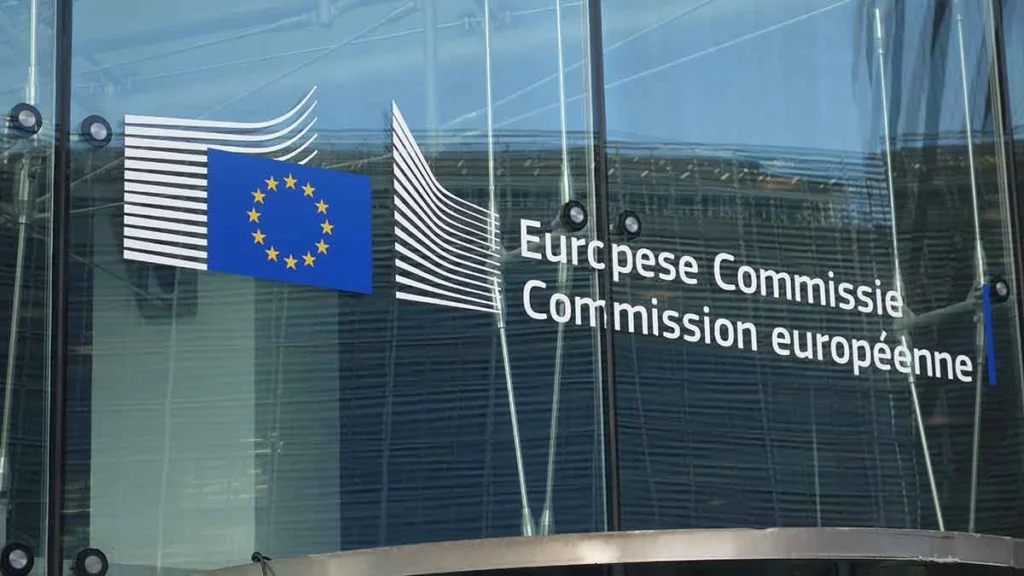
- European Commission: While not issuing direct condemnations at this stage, the European Commission is likely to express increasing concern over the slow pace. Its primary goal is to ensure uniform application of EU law across the single market. The Commission will likely reiterate the importance of the directive for gender equality and the functioning of the internal market, potentially initiating infringement procedures against non-compliant member states after the deadline.
- Employer Associations: While generally supportive of fair pay principles, employer groups across Europe have voiced concerns about the practicalities of implementation. The Irish Ibec’s call for a delay is indicative of anxieties regarding the administrative burden, the complexity of data collection, the potential for increased legal disputes, and the need for clear, consistent guidance. They advocate for pragmatic approaches and sufficient time to adapt operational structures.
- Trade Unions and Employee Representatives: These groups are strong proponents of the directive and are likely to push for its swift and comprehensive implementation. They see it as a vital tool for empowering workers, particularly women, to challenge pay discrimination and ensure fair remuneration. Delays are viewed as setbacks to achieving social justice and equality in the workplace.
- Gender Equality Advocates: Organisations dedicated to gender equality are closely monitoring the transposition process. They will likely exert pressure on governments to meet the deadline, highlighting the societal and economic benefits of closing the gender pay gap.
Implications for Businesses: Navigating a Patchwork of Regulations
For employers operating across multiple jurisdictions within the EU, the evolving regulatory landscape presents a formidable challenge. The lack of harmonised implementation by June 2026 will lead to a fragmented legal environment, significantly increasing compliance complexity and creating additional legal, operational, and governance considerations.
- Legal and Regulatory Exposure: Businesses in non-compliant countries face potential legal risks, including fines, lawsuits from employees, and reputational damage. The directive also shifts the burden of proof, making it easier for employees to challenge pay disparities.
- Operational Challenges: Implementing pay transparency requires robust HR information systems, sophisticated compensation analytics, and clear communication strategies. Companies will need to invest in tools and training to accurately collect, analyse, and report pay data, often requiring cross-functional collaboration between HR, legal, IT, and finance departments.
- Reputational Risks: In an era of increased scrutiny, companies failing to demonstrate commitment to pay equity risk damaging their brand and employer reputation, potentially impacting talent acquisition and retention.
- Strategic Workforce Planning: Pay transparency is not merely a compliance exercise; it’s a strategic imperative. Employers must proactively assess their pay structures, identify potential disparities, and develop action plans to address them. This can involve re-evaluating job grading, compensation models, and performance management systems.
- Employee Relations: The directive empowers employees with more information. Employers must be prepared for increased inquiries about pay, potential demands for adjustments, and the need for transparent dialogue around compensation philosophies.
"Organisations recognise that this is not simply a reporting exercise or legal compliance issue," said Robert Sheen. "For many employers, pay transparency is becoming a cross-functional workforce strategy. The operational implications span legal, HR, compensation, privacy and communications functions, particularly for employers managing compliance across multiple European markets."
Broader Impact and Implications for the EU Economy
The delayed and inconsistent implementation carries broader implications for the EU’s single market and its overarching goals:
- Uneven Playing Field: A fragmented regulatory landscape could create an uneven playing field for businesses. Companies in compliant countries might face higher administrative costs or different competitive pressures compared to those in countries with delayed or weaker implementation.
- Hindered Mobility: While the directive aims to facilitate worker mobility by ensuring fair pay, inconsistencies could complicate cross-border employment if pay transparency rules vary significantly.
- Delayed Achievement of Gender Equality Goals: The primary objective of closing the gender pay gap will be hampered if the directive is not uniformly and effectively implemented. This could perpetuate economic inequality for women and impact their long-term financial security, including pensions.
- Economic Benefits Missed: Studies suggest that reducing the gender pay gap could significantly boost the EU’s GDP. Delays in implementation mean delays in realising these potential economic benefits from a more equitable and efficient labour market.
Looking Ahead: The Path to 2026 and Beyond
With the June 7, 2026, deadline rapidly approaching, the coming months will be critical. Member states that have yet to publish draft legislation face an uphill battle to meet the deadline. The European Commission will intensify its monitoring efforts, and non-compliance could trigger infringement proceedings, leading to legal challenges and potential fines.
For multinational employers, continuous vigilance and proactive adaptation will be key. Leveraging tools like Trusaic’s transposition monitor becomes essential for tracking the evolving legislative landscape across different member states. Companies must begin or accelerate internal audits of their pay structures, prepare their HR and IT systems for data collection and reporting, and develop clear communication strategies for their workforce.
Ultimately, while the initial rollout of the EU Pay Transparency Directive is proving more challenging and fragmented than anticipated, its fundamental objective remains firm. The imperative for fair and equitable pay across the European Union is a long-term commitment, and despite the current delays, the directive is set to fundamentally reshape how pay is managed, communicated, and challenged within European workplaces for years to come. The question is not if, but when, its full transformative potential will be realised across all 27 member states.








