
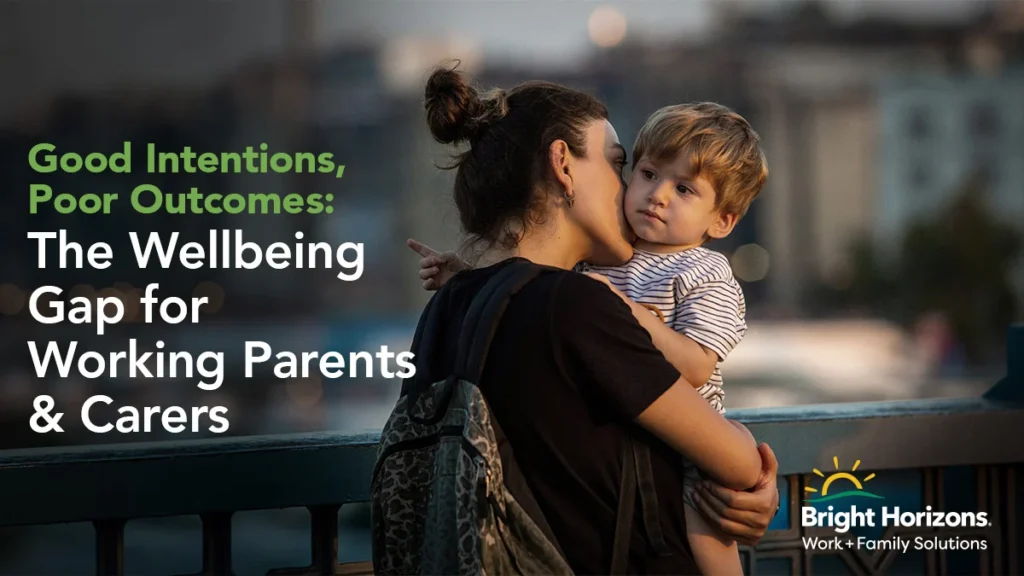
Over the years, Mental Health Awareness Week has undeniably achieved invaluable work in normalising conversations around mental health and highlighting the critical support needs that were once shrouded in taboo. However, for employers aspiring to genuinely lead in employee well-being, it is becoming increasingly clear that awareness, while a vital foundation, must be considered the floor, not the ceiling, of their efforts. The persistent challenges of stress and burnout in the workforce demand a deeper, more actionable commitment.
The Evolution of Mental Health Awareness in the Workplace
The landscape of workplace mental health has undergone a significant transformation over the past few decades. Historically, discussions around mental health were largely absent from corporate discourse, often stigmatized and relegated to the private sphere. The late 20th and early 21st centuries saw a gradual shift, driven by increasing scientific understanding, advocacy from mental health organizations, and a growing recognition of the economic costs associated with poor employee well-being. Mental Health Awareness Week, typically observed in May in the UK, emerged as a pivotal annual event in this evolution. Its inception aimed to break down barriers, encourage open dialogue, and provide resources to those struggling. For many years, the week has served as a powerful catalyst, prompting welcome surges of conversation, with leaders sharing resources, and inboxes filling with check-in reminders. This widespread engagement has been instrumental in destigmatising mental health and fostering a more empathetic work environment.
However, the effectiveness of awareness campaigns, while crucial, has begun to face scrutiny. While the intent behind these initiatives is overwhelmingly genuine, the measurable impact on key indicators such as stress and burnout has not always followed. Despite increased visibility and discussion, numerous studies continue to reveal high levels of workplace pressure. A 2023 report by the Health and Safety Executive (HSE) in the UK, for instance, indicated that work-related stress, depression, or anxiety accounted for 50% of all work-related ill health cases. This data suggests that while employees may feel more comfortable discussing their mental health, the underlying causes of their distress often remain unaddressed by superficial interventions. The challenge for forward-thinking organizations now lies in moving beyond simply acknowledging the problem to implementing tangible solutions that alleviate the pressures employees face daily.
The Unaddressed Crisis: Stress and Burnout in the Modern Workforce
The persistent prevalence of stress and burnout underscores a critical disconnect between awareness and effective intervention. The Work-Life Gap Report 2026, a comprehensive survey of 1,200 UK working parents and carers, casts the scale of this problem in sharp relief. The findings are stark: only 37% of respondents reported being able to truly switch off from work and maintain healthy work-life boundaries. This statistic highlights a pervasive issue where the lines between professional and personal life have become increasingly blurred, leading to chronic stress and mental fatigue.
The report, however, also offers a powerful insight into a potential solution. When practical family support mechanisms are in place, the percentage of employees able to maintain healthy work-life boundaries surges dramatically to 67%. This significant increase of 30 percentage points is not attributable to flexible working policies alone or general awareness campaigns. Instead, it points directly to the critical importance of employers investing in specific, practical support systems designed to address the unique and often overwhelming pressures employees are genuinely carrying, particularly those with significant caring responsibilities.
Economic analysis further reinforces the urgency of this issue. Burnout and stress exact a heavy toll on businesses, not just in terms of human suffering but also in lost productivity, increased absenteeism, and higher turnover rates. A 2022 Deloitte report estimated that poor mental health costs UK employers up to £56 billion per year, a figure that has risen substantially in recent years. This cost is borne through reduced output, presenteeism (being at work but not productive due to poor health), and the expenses associated with recruitment and training to replace staff who leave due to stress or burnout. The data from the Work-Life Gap Report serves as a compelling call to action, demonstrating that targeted, practical interventions can yield substantial improvements in employee well-being and, by extension, organizational health.
Beyond Flexibility: The "Mental Load" Challenge
Flexible working arrangements, such as remote work or staggered hours, have been widely championed as a definitive answer to improving work-life balance, and they undoubtedly represent a meaningful step forward. For working parents and carers, in particular, the ability to control when and where they work offers considerable advantages. It can reduce commuting stress, facilitate school drop-offs, and allow for better integration of personal appointments.
However, flexibility, by its very nature, addresses only one facet of the complex work-life equation. While it offers control over the logistics of work, it often does little to alleviate the underlying "mental load" that employees carry throughout their working day. This mental load encompasses the invisible, constant cognitive burden of managing household logistics, unpredictable childcare arrangements, last-minute care disruptions, and perpetual contingency planning. The weight of these responsibilities does not magically disappear because an employee is working from home or has a flexible schedule. Instead, it subtly permeates their professional life, surfacing as quiet anxieties before critical client calls, lingering distractingly through important meetings, and culminating insidiously in chronic stress and burnout. Flexibility grants employees greater autonomy over their schedules, but crucially, it does not necessarily reduce the number of things they have to worry about.
Consider the common scenarios faced by working parents: a sudden school closure during a crucial project deadline, or childcare falling through the night before a high-stakes presentation. For many, these are not isolated, dramatic disruptions but rather regular, recurring stressors that accumulate over time. The constant background hum of arrangements being fragile, the need for contingencies to have their own contingencies, and the inherent reluctance to ask for help—often perceived as an admission of failure or inability to cope—all contribute to this pervasive mental burden. This subtle, yet relentless, pressure can severely impact an employee’s ability to focus, innovate, and contribute effectively, leading to reduced productivity and engagement.
The Critical Role of Practical Support: Addressing Real-World Pressures
The solution lies in moving beyond policy-level flexibility to implement practical tiers of support that directly address these underlying pressures. One prime example of such a solution is Back-Up Care. This service is specifically designed for those critical moments when regular care arrangements unexpectedly fall through, providing last-minute childcare or eldercare cover. Instead of spending a frantic morning scrambling for alternatives or grappling with managed panic, an employee with access to back-up care can remain present and focused at work. The work still gets done, and critically, the employee arrives without the overwhelming mental stress of an unresolved crisis trailing behind them.

The impact of such practical support extends beyond crisis management. For many working parents and carers, the challenge is not a single dramatic disruption but the cumulative effect of managing care responsibilities that constantly sit just beneath the surface of every working day. The knowledge that reliable support is available acts as a powerful buffer against this chronic stress. It provides a sense of security and significantly reduces the cognitive load associated with constant contingency planning. Organizations that invest in these types of practical solutions are not merely offering a benefit; they are fundamentally altering the employee experience by acknowledging and alleviating the true stressors of modern life.
Quantifying the Benefits: Data, ROI, and a Shift in Organizational Culture
The evidence from organizations that have successfully transitioned beyond mere policy to implementing practical support mechanisms is compelling and unequivocally clear. The Work-Life Gap Report 2026 highlights significant improvements: where practical support exists, a remarkable 81% of employees report improved mental and emotional well-being. Furthermore, 93% state that they can focus better during working hours. These statistics represent more than just incremental gains; they signify fundamental shifts in the cultural dial and the lived experience of employees.
The case for acting on these insights is as commercially astute as it is ethically sound. Employees who feel genuinely supported by their employer are not only healthier and happier but also demonstrably more focused, more present, and ultimately more productive. This translates directly into tangible business advantages. Turnover rates among experienced working parents and carers, a demographic often disproportionately affected by care responsibilities, tend to fall significantly. In a competitive labour market characterized by high recruitment costs and the irreplaceable value of institutional knowledge, retaining such talent represents a profound return on investment that resonates with both human resources teams and finance directors. The cost of replacing an experienced employee can range from 50% to 200% of their annual salary, making retention strategies a clear economic imperative.
Beyond the quantifiable metrics, there is a profound, albeit harder to measure, impact on employee loyalty and discretionary effort. As Thomas Butcher, VP Strategic Growth and Key Accounts at Bright Horizons Work+Family Solutions, articulates, "when employees trust that their employer has considered the reality of their lives, not just the hours they are contracted to work, discretionary effort and loyalty follows. Over time your organisation will feel the important marginal gains in absence, output and staff turnover. In a competitive talent market, an organisation’s employee value proposition speaks volumes, particularly when attempting to manage salary inflation in professional sectors where headhunting is rife."
Expert Perspectives and Broader Implications
Butcher’s insights underscore a critical paradigm shift in employee benefits strategy. Traditional benefit packages often focus on pensions, insurances, and health & lifestyle services. While these remain valuable, the modern workforce demands a more holistic approach that acknowledges the entirety of an employee’s life, including their family responsibilities. "Finding ways to assist employee’s in organising & optimising their family life is an obvious, but underattended, focus for an employee benefits strategy," Butcher states. He further cautions: "Put bluntly, firms that stick to the traditional calculation – that greater incentives for the individual drive greater output – ignore work-life balancing act that most people are performing daily, and themselves risk falling behind more forward-thinking competitors." This perspective highlights the strategic imperative for businesses to adapt, not just for altruistic reasons, but to maintain a competitive edge in attracting and retaining top talent.
The implications extend beyond immediate business outcomes. By supporting employees through care crises and alleviating their mental load, organizations contribute to broader societal well-being and foster a more inclusive workplace. This approach particularly benefits women, who statistically bear a disproportionate share of caring responsibilities. By providing robust care support, companies can reduce the career penalties often faced by working mothers and carers, thereby promoting gender equity and diversity at all levels of the organization, including leadership. This long-term investment in an employee’s journey—supporting someone through a care crisis today and developing a senior leader in five years—is intrinsically linked and mutually beneficial.
Looking Ahead: A Holistic Approach to Employee Well-being
The journey from mental health awareness to concrete, practical support represents the next frontier in corporate responsibility and competitive advantage. Burnout does not resolve itself merely through the implementation of flexible working policies, however well-intentioned. It resolves when the underlying, often invisible, pressures that cause it are met with practical, structural support that genuinely addresses the challenges of employees’ daily lives.
Organizations that grasp this fundamental truth are not merely protecting their people’s well-being in the present moment. They are strategically investing in their future, retaining experienced, committed employees with caring commitments who are poised to become tomorrow’s leaders. This foresight creates a robust talent pipeline, reduces long-term recruitment costs, and cultivates a resilient, loyal workforce capable of navigating future challenges.
While awareness has been a crucial starting point, the question now facing employers is not if they should address mental health, but what practical and structural steps they are prepared to take to move beyond dialogue and deliver tangible, impactful support that truly transforms employee well-being and, in turn, business success. The time for action, guided by data and a deep understanding of the modern employee’s reality, is now.
About Bright Horizons Work+Family Solutions
For over 35 years, Bright Horizons has partnered with working families and their employers to dismantle barriers to performance, inclusion, and well-being in the workplace. The organization specializes in designing and delivering practical solutions that empower companies to attract, retain, and engage talent, while giving parents and carers the confidence and peace of mind to perform at their best. Operating globally across the UK, US, Europe, India, and Australia, Bright Horizons collaborates with 1,300 clients worldwide. It has been consistently recognized as a UK Best Workplace every year since 2006, reflecting its strong commitment to Diversity, Equity, and Inclusion (DEI), sustainability, and mindful business practices.








