The evolution of social media platforms from intimate digital town squares to algorithmically driven marketplaces has prompted a significant reassessment of their role in our lives. What began as a tool for genuine connection and sharing has, for many users, transformed into a landscape dominated by influencers, advertisers, and a relentless pursuit of engagement, leading to widespread user fatigue and a re-evaluation of the very definition of "social." This shift, underscored by a growing awareness of the mental health implications of excessive screen time, is signaling a potential turning point in our relationship with these ubiquitous digital tools.
The Genesis of Social Connection: Early Aspirations
In the mid-2000s, platforms like Facebook emerged with a clear and compelling proposition: to facilitate connection. For a generation coming of age with the advent of the internet, these platforms offered an unprecedented ability to maintain relationships across geographical distances. The early days were characterized by sharing personal anecdotes, photos from social gatherings, and playful digital interactions. The primary objective was simple: to stay in touch with friends and family, creating a virtual extension of real-world social circles. This era was marked by a user-centric design, where the content experienced was largely dictated by the user’s network of known contacts. The concept of an "ultimate group hang" accessible from anywhere resonated deeply, fostering a sense of lighthearted and authentic social engagement.
The Algorithm’s Ascendancy: A Paradigm Shift
The landscape began to morph significantly with the increasing sophistication and influence of platform algorithms. These complex computational systems, designed to maximize user engagement and time spent on the platform, gradually shifted the content focus away from personal connections. Data indicates a marked decline in content originating from users’ known networks. Reports suggest that less than one in five posts on contemporary social media platforms are from individuals users recognize. Conversely, the proportion of content generated by influencers and advertisers has seen a dramatic rise, with at least one in every three posts now originating from these sources. This transformation has fundamentally altered the user experience, shifting the primary function from social interaction to consumption of commercially driven or curated content.
The Erosion of Authenticity and the Rise of Fatigue
The relentless optimization of algorithms for engagement, while successful in keeping users online, has inadvertently overlooked a growing human desire for peace and authenticity in an increasingly demanding world. The initial anxieties of social media, such as comparing oneself to friends’ curated holiday posts, have been overshadowed by a more pervasive sense of unease. The inability to readily see posts from actual friends, coupled with the constant barrage of advertisements and influencer promotions for products users neither need nor desire, has fostered a feeling of being perpetually surveilled and marketed to. The phenomenon of seeing personal conversations mirrored in targeted advertisements has become a source of significant discomfort, highlighting the extent to which user data is being leveraged for commercial purposes. This constant exposure to unsolicited sales pitches and divisive content, orchestrated by algorithms designed for perpetual scrolling, has led to widespread user dissatisfaction and a yearning for more genuine interactions.

The Siren Song of the Real World: Reclaiming Authenticity
As the limitations and downsides of algorithmically driven social media become more apparent, a counter-movement is emerging, emphasizing the value of real-world interactions. While social media once offered an escape to an often-unrealistic digital paradise, users are now beginning to recognize the superior richness and depth of their offline lives. Real-life connections, characterized by meaningful, engaging, and balanced conversations, offer a far more nourishing experience for the human spirit than the superficial or often inflammatory exchanges encountered online. The understanding that these digital platforms can be switched off, offering an immediate return to tangible reality, has become a powerful realization. This awareness is prompting a conscious effort to disengage from the constant digital stimulation and reinvest in face-to-face interactions, which are perceived as more fulfilling and restorative.
The Growing Awareness of Digital Well-being
The broader societal understanding of the detrimental impact of social media and prolonged screen time on mental health has been a significant catalyst for change. Numerous studies have highlighted the correlation between heavy social media use and increased rates of anxiety, depression, and loneliness, particularly among younger demographics. A 2026 report by Al Jazeera, for instance, pointed to the negative mental health consequences for young people stemming from excessive social media consumption. This growing awareness has empowered individuals to recognize that these digital tools, while designed to be addictive, possess an "off switch." The act of stepping away from the platforms, even for short periods, allows for a rediscovery of authentic human connection and a sense of personal fulfillment derived from genuine social engagement.
The Rise of "Posting Zero": A Passive Consumption Model
A notable trend emerging from this shift in user sentiment is the phenomenon of "posting zero." This describes a growing segment of users who are adopting a passive consumption model, akin to watching television. They engage with the content on social media platforms by scrolling and viewing, but refrain from posting their own updates or personal lives. This behavioral change is linked to a perceived loss of purpose in online self-expression. Kyle Chayka, author of "Filterworld: How Algorithms Flattened Culture," articulates this sentiment, questioning the efficacy of posting personal content when it fails to reach intended audiences, offers little attention, and competes with a deluge of "remote, abstracted garbage." This sentiment was echoed in a 2025 BBC Worklife interview where Chayka discussed the evolving user behavior. The realization that everything is being commodified as "content" leads many to conclude that their personal lives are not worth the effort of sharing for free on multi-billion-dollar platforms.
The Diminishing Incentives for Content Creation
For the vast majority of users, the incentive to create and share content on social media has significantly diminished. Outside of the highly competitive sphere of professional influencing, which itself is becoming increasingly complex with the advent of AI-generated content, the effort involved in posting is often perceived as disproportionate to the reward. As individuals increasingly grapple with the pressures and demands of their real-world lives, the rationale for contributing free content to platforms that prioritize profit over user well-being becomes increasingly untenable. This sentiment suggests a fundamental re-evaluation of the value exchange between users and social media corporations.
The Future of Social Media: A Shift Towards Authenticity
While a complete demise of social media platforms is unlikely in the immediate future, research strongly suggests a significant shift in their usage patterns and user expectations. The growing awareness of mental health impacts and the fatigue with the divisive nature of online discourse are leading users to seek social media experiences that are genuinely "social" in their truest sense. The original intent of connecting with loved ones, particularly those with whom regular in-person contact is not feasible, is re-emerging as a primary desire. As these platforms continue to treat user data and personal lives as commodities to be manipulated, sold, and used to foster division, the collective sentiment appears to be reaching a breaking point.

The desire for social connection remains potent, but individuals are increasingly pursuing these connections through private channels, away from the public gaze of algorithmic curation. The year 2026 has been marked by a declared embrace of "analogue" living for many, fostering a resurgence of meaningful, "soulful connection" in the physical world. If social media is viewed as the "junk food" that has dominated digital diets for two decades, the current trend indicates a growing realization that authentic nourishment, found in real-world interactions, is essential for well-being.
The Algorithm’s Unintended Consequences: A Return to Reality
The profound impact of these evolving user behaviors on the future of social media cannot be overstated. While these massive platforms will undoubtedly persist for some time, the current trajectory indicates a significant and fundamental shift. The algorithm, meticulously designed to ensnare users in an endless social media cycle, may have inadvertently achieved the opposite effect. By pushing users to their limits, it has prompted a recalibration of priorities, leading many to re-enter and rediscover the richness and value of the real world. This migration back to tangible human interaction represents a powerful testament to the enduring need for genuine connection, a need that the current iteration of social media has, for many, failed to adequately fulfill. The implications for the digital economy, advertising models, and the very fabric of online communities are substantial and will continue to unfold in the coming years. The question is no longer whether social media has changed, but rather how profoundly and permanently its role in our lives will be redefined by this collective recalibration.
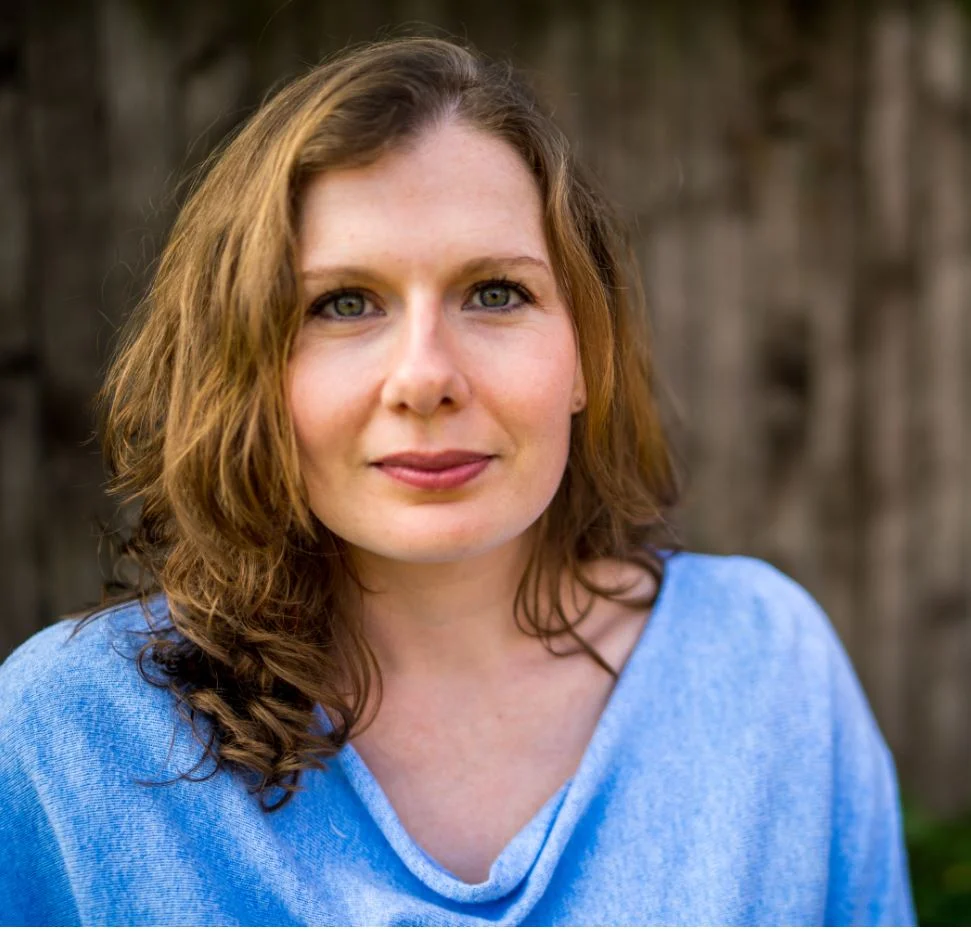
Dr. Stephanie Fitzgerald is an experienced Clinical Psychologist and Health and Wellbeing Consultant with a passion for workplace well-being. She supports companies in fostering happy, healthy, safe, and engaged employees and can be followed on Instagram @workplace_wellbeing.