
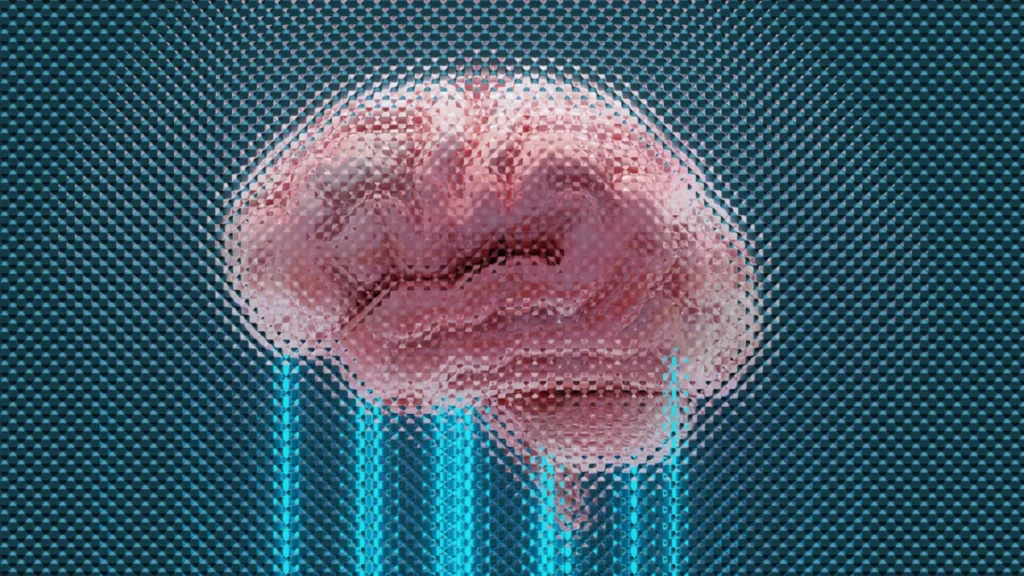
For decades, the prevailing narrative surrounding career progression quietly suggested that peak learning capacity occurred early in professional life, gradually declining with age. However, cutting-edge neuroscience is now presenting a profoundly different and far more optimistic story, challenging these long-held assumptions. A recent dialogue with Dr. David Rock, the influential Founder and CEO of the NeuroLeadership Institute, has shed significant light on what contemporary science truly reveals about the brain’s remarkable ability to continue growing and adapting throughout an individual’s lifespan. This understanding carries profound implications for professionals navigating increasingly longer careers, grappling with unprecedented rates of technological change, and integrating the rapid ascent of artificial intelligence into their daily work. The fundamental and reassuring takeaway from this expert discourse is clear: the human brain does not "age out" of its capacity for growth and learning. Instead, an individual’s learning capacity can not only be maintained but can remain robust well into the later stages of a career, provided that specific, conducive conditions are actively cultivated—chief among these being motivation, exposure to novelty, and engagement with meaningful challenges.
The Evolving Landscape of Work and Longevity
The global workforce is undergoing a transformative shift characterized by two primary forces: an aging population leading to longer career spans and the accelerating pace of technological innovation, particularly with the advent of sophisticated artificial intelligence. Traditional career models, often envisioning a sharp decline in productivity or relevance past a certain age, are increasingly proving to be outdated and detrimental to both individuals and organizations. Data from the World Health Organization (WHO) projects a significant increase in the global population aged 60 years and over, with this demographic expected to double by 2050. This demographic reality means that a substantial portion of the workforce will be comprised of experienced professionals, necessitating a paradigm shift in how learning, development, and career longevity are perceived and managed. Concurrently, the proliferation of AI and automation demands continuous upskilling and reskilling across all age groups, making the ability to learn and adapt paramount. The NeuroLeadership Institute, under Dr. Rock’s leadership, has been at the forefront of translating complex neuroscientific discoveries into practical, actionable strategies for leadership, organizational culture, and talent management, aiming to bridge the gap between brain science and workplace realities.
Neuroscience Debunks the Age-Related Decline Myth
One of the most persistent and damaging myths in professional discourse posits that cognitive flexibility inevitably declines with age, rendering older professionals less capable of adapting to new information or technologies. While it is true that certain aspects of processing speed might undergo minor shifts over time, a wealth of neuroscience research firmly demonstrates that the brain possesses remarkable plasticity, continuing to build and refine new neural pathways throughout life. This phenomenon, known as neuroplasticity, allows the brain to reorganize itself by forming new synaptic connections and even generating new neurons (neurogenesis) in specific areas, such as the hippocampus, which is crucial for learning and memory.
Dr. Rock elucidates that the key drivers for sustained cognitive performance and learning capacity in later career stages are not inherent biological limitations but rather the presence of specific environmental and psychological factors. These include consistent motivation, regular exposure to novel experiences or information, and engagement in tasks that present meaningful intellectual challenges. When these elements are present, the brain’s reward systems are activated, reinforcing learning behaviors and facilitating the transfer of knowledge not only within an individual but also across teams and generational divides.
Supporting data from various cognitive science studies further bolsters this perspective. Research on "cognitive reserve," for instance, indicates that individuals who maintain intellectually stimulating lifestyles, including continuous learning and social engagement, exhibit greater resilience against age-related cognitive decline. Furthermore, studies on fluid intelligence (the ability to solve new problems and adapt to new situations) and crystallized intelligence (accumulated knowledge and skills) suggest that while fluid intelligence may show a gradual decline, crystallized intelligence often continues to grow well into later life, providing a rich reservoir of experience and wisdom. This combination of enduring plasticity and expanding knowledge makes experienced professionals invaluable assets.
Unlocking Later-Career Learning: Strategies for Individuals and Organizations
Understanding the neuroscientific basis for sustained learning empowers both individuals and organizations to implement targeted strategies.
Individual Strategies for Lifelong Growth:
- Embracing Novelty: Actively seeking out new skills, technologies, or interdisciplinary projects stimulates neural pathways and keeps the brain agile. This could involve learning a new software, taking a course outside one’s primary expertise, or engaging in diverse problem-solving scenarios.
- Purpose-Driven Work: Aligning work with personal values and a sense of broader contribution provides intrinsic motivation, which neuroscience shows is a powerful activator of the brain’s reward system, enhancing engagement and learning retention.
- Mentorship and Reverse Mentoring: Engaging in mentorship relationships is a bidirectional learning opportunity. Experienced professionals gain renewed purpose, cognitive stimulation, and a fresh perspective on challenges, while younger colleagues benefit from accumulated wisdom and practical insights. Even more impactful is reverse mentoring, where senior leaders actively learn emerging technologies, digital tools, or generational perspectives from younger employees. This dynamic exchange not only accelerates tech fluency across leadership teams but also fosters a culture of mutual respect and continuous learning.
- Cultivating a Growth Mindset: Believing in one’s capacity to learn and grow, even when faced with new challenges, is a foundational element. This mindset, popularized by Carol Dweck, directly influences an individual’s willingness to engage with novelty and persist through learning curves.
Organizational Strategies for Maximizing Senior Talent:
Organizations keen on retaining and fully leveraging their senior talent must thoughtfully consider role design and development pathways. Later-career professionals often thrive when their work roles intelligently combine:
- Autonomy: The freedom to shape their work, make decisions, and pursue innovative solutions.
- Complexity: Tasks that require deep critical thinking, strategic planning, and problem-solving, leveraging their accumulated experience.
- Opportunities for Social Contribution: Roles that allow them to mentor, coach, or share their extensive knowledge, fulfilling a natural human desire for impact and legacy.
These elements are critical because they activate intrinsic motivation, encouraging experienced employees to continue contributing at an exceptionally high level while simultaneously facilitating the crucial transfer of institutional knowledge across the organization. Rather than sidelining experienced talent, progressive organizations are creating formal coaching systems, establishing project advisory roles, or designing structured mentorship programs. These initiatives ensure that invaluable expertise continues to inform decision-making, guide strategic direction, and cultivate the next generation of leaders. Supporting data consistently shows that organizations with strong internal learning and development programs, particularly those fostering intergenerational collaboration, report higher employee retention, improved innovation rates, and enhanced overall organizational performance. For instance, a study by Deloitte found that companies with robust mentorship programs experienced significantly higher employee engagement and lower turnover rates.
The AI Imperative: Amplifying Human Cognition, Not Replacing It
The conversation around career longevity is now inextricably linked with another monumental shift: the rapid and pervasive emergence of Artificial Intelligence. Dr. Rock compellingly argues that AI should be conceptualized not as a replacement for human thought processes but rather as a powerful cognitive amplifier. This perspective is critical for shaping how leaders and organizations integrate AI into their workflows and talent strategies.
One of the most promising applications of AI lies in its ability to capture and codify expertise through AI-driven expert models. These sophisticated systems can assist organizations in meticulously documenting complex decision frameworks, preserving invaluable institutional knowledge, and distilling critical operational insights. Such capabilities are revolutionary for improving onboarding processes for new employees, ensuring business continuity, and empowering teams to make faster, more informed, and more consistent decisions, particularly in complex or high-stakes environments. The global AI market is projected to grow exponentially, with Gartner predicting that worldwide AI software revenue will reach $118 billion in 2024, indicating a widespread adoption that will fundamentally alter workplace dynamics.
However, this transformative power comes with an important caveat, as Dr. Rock wisely explains: "AI is a bit like the early days of cars. It’s powerful and fast—but without the right rules, it can also be dangerous." Used judiciously, AI can indeed stretch ideas, accelerate data analysis, and spark novel insights, acting as a dynamic thinking partner. But an over-reliance on AI, without critical human oversight and engagement, poses significant risks. It can inadvertently flatten creativity by narrowing solution sets, weaken memory by reducing the need for recall and mental processing, and critically, diminish independent judgment by fostering a dependency on algorithmic outputs.
To remain effective, discerning, and truly strategic in an AI-enabled workplace, leaders must proactively cultivate three essential habits:
- Questioning AI Outputs: Never accepting AI-generated information or recommendations at face value. Leaders must develop a critical mindset, probing the underlying data, assumptions, and potential biases within AI models.
- Seeking Diverse Human Perspectives: Actively soliciting input from a wide range of human colleagues, experts, and stakeholders. This ensures a holistic understanding that AI, with its inherent limitations, cannot provide.
- Engaging in Deep Thinking: Dedicating time and mental effort to complex problems, even when AI can provide quick answers. This practice preserves and strengthens cognitive faculties essential for strategic foresight, ethical decision-making, and innovative problem-solving.
In essence, the role of AI should be to augment and expand human judgment, enriching our decision-making capabilities, rather than replacing the critical cognitive processes that define human intelligence and leadership.
Navigating Career Transitions With Neuroscientific Insight: The SCARF Model
For many professionals, the later stages of a career often bring pivotal questions about pivoting roles, redefining professional purpose, or preparing for retirement. These significant transitions, while potentially exciting, can also trigger considerable stress and uncertainty. Dr. Rock’s widely recognized SCARF Model—which delineates five domains of social experience that activate strong threat or reward responses in the brain: Status, Certainty, Autonomy, Relatedness, and Fairness—offers an invaluable framework for understanding and navigating these changes more effectively.
- Status: Our sense of importance relative to others. A career transition can threaten status if it involves a perceived demotion or loss of influence.
- Certainty: Our need for predictability and understanding of future events. Major career changes inherently introduce uncertainty.
- Autonomy: Our sense of control over our environment. Shifting roles can reduce perceived autonomy if the new role is less self-directed.
- Relatedness: Our sense of safety with others, feeling part of a group. Leaving a long-standing team can disrupt relatedness.
- Fairness: Our perception of equitable exchanges. Concerns about fair treatment or opportunities can arise during transitions.
Understanding these neurobiological drivers allows for more intentional planning, which can significantly reduce the "threat response" that often accompanies major career shifts. Practical steps individuals can take include:
- Proactive Planning: Mapping out potential future roles, skill development, and financial implications well in advance reduces uncertainty.
- Cultivating New Avenues for Status and Autonomy: Identifying new projects, community roles, or personal pursuits that provide a sense of achievement and control.
- Nurturing Relationships: Actively maintaining professional networks and building new connections to ensure a sense of relatedness and support.
- Seeking Clarity and Fairness: Engaging in open communication with employers or mentors to understand the context and rationale behind organizational changes, and advocating for equitable opportunities.
Organizations also bear a crucial responsibility in facilitating smoother transitions for their experienced workforce. Leaders can support employees by providing rich context for upcoming projects or organizational changes, encouraging long-term relationship building through cross-functional teams and networking events, and helping employees cultivate new avenues for status and connections well before major career changes become imminent. Implementing phased retirement programs, offering transition coaching, and creating alumni networks can further mitigate the neurobiological threat responses associated with significant career shifts, fostering a more positive and productive experience for all involved.
The Most Fulfilling Chapter May Still Be Ahead
If there is one overarching message derived from the burgeoning field of neuroscience that warrants broader societal attention, it is this: later-career work holds the profound potential to be the most rewarding and impactful stage of an individual’s professional journey. With the deliberate cultivation of the right combination of purpose, intellectual challenge, and continuous learning opportunities, professionals can continue to grow, contribute significantly, mentor others, and offer invaluable insights well into the later chapters of their careers. This is not merely an optimistic assertion but one increasingly supported by empirical evidence of brain plasticity and the benefits of sustained cognitive engagement.
The implications extend beyond individual well-being to organizational resilience and societal progress. Retaining and empowering experienced talent provides a competitive advantage, ensuring the preservation of institutional knowledge, fostering innovation through diverse perspectives, and building robust, adaptable workforces. As Dr. Rock recommends, resources such as his book "Your Brain at Work," practical tools like askNiles.ai, and the comprehensive programs offered through the NeuroLeadership Institute are invaluable for those seeking to delve deeper into these transformative ideas.
The future of work, therefore, is not solely defined by the march of new technologies and automation; rather, it is fundamentally about unlocking and maximizing human potential at every single stage of a career. The scientific evidence is unequivocally clear: the human brain is not only capable but indeed eager for this lifelong journey of learning, adaptation, and profound contribution.








