The past week in human resources has brought to the forefront critical discussions spanning workplace conduct, leadership efficacy, and corporate social responsibility. A high-profile lawsuit against YouTube sensation MrBeast’s companies alleges gender harassment and retaliatory termination post-maternity leave, underscoring persistent challenges in contemporary workplaces. Simultaneously, new data reveals a significant divergence between what employees desire in ideal leaders and what organizations typically reward, prompting a reevaluation of leadership development strategies. Adding a crucial dimension to the discourse, the National Football League (NFL) has leveraged its immense platform to advocate for second-chance hiring initiatives, urging employers to recognize the untapped potential within the formerly incarcerated population. These stories collectively paint a vivid picture of the multifaceted landscape HR professionals navigate, emphasizing the need for robust policies, empathetic leadership, and inclusive hiring practices.
High-Profile Lawsuit Against MrBeast Alleges Gender Harassment and Retaliation
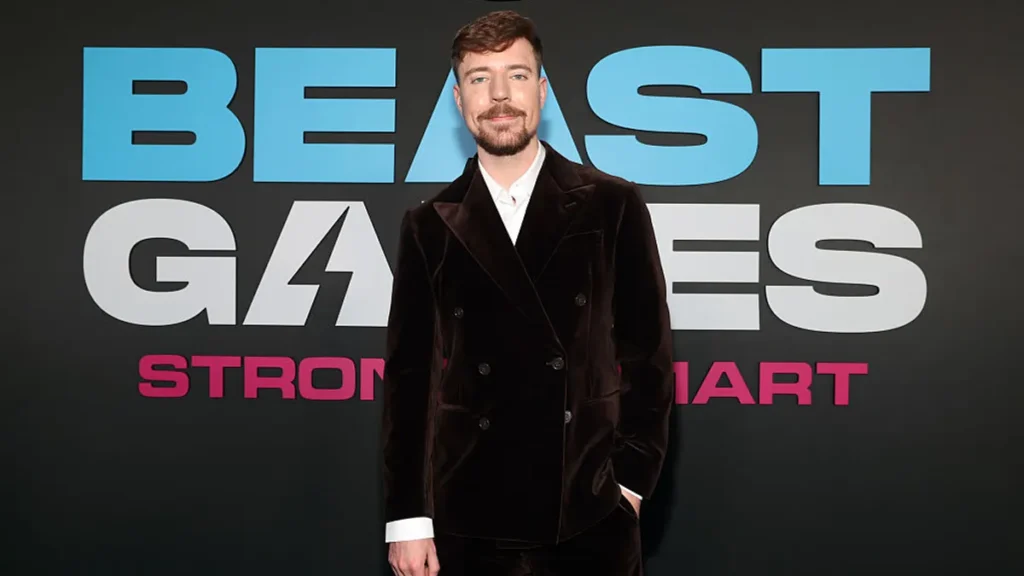
In a development that has garnered significant attention, a former employee of MrBeastYouTube, LLC, and GameChanger 24/7, LLC — the entities collectively associated with the globally recognized YouTube personality Jimmy Donaldson, known as MrBeast — has filed a lawsuit alleging severe workplace misconduct. The plaintiff claims to have endured harassment based on her gender and was subsequently terminated merely three weeks after returning from maternity leave. This legal action casts a shadow over the operations of one of the internet’s most successful and rapidly expanding media empires, raising pertinent questions about workplace culture in the burgeoning creator economy.
Background of the MrBeast Empire:
Jimmy Donaldson, known by his online persona MrBeast, has transcended traditional YouTube stardom to become a formidable entrepreneur and philanthropist. Starting his YouTube channel in 2012, Donaldson gained immense popularity through his unique blend of high-stakes stunts, elaborate challenges, and large-scale giveaways, often involving significant sums of money. His content, characterized by its ambitious production value and philanthropic undertones, has amassed billions of views and over 200 million subscribers, making him one of the most subscribed individuals on the platform. Beyond his primary YouTube channel, Donaldson has diversified his ventures, launching successful businesses such as Feastables (a snack brand), Beast Burger (a virtual restaurant chain), and "Beast Games," an ambitious competition series. His operations involve a substantial team of employees, producers, editors, and support staff, reflecting a complex corporate structure that belies the often-informal perception of digital content creation. The lawsuit, therefore, scrutinizes the employment practices within this rapidly expanding and highly visible enterprise.
Allegations and Legal Framework:
The lawsuit’s core allegations revolve around gender-based harassment and retaliatory termination following maternity leave. Such claims fall under the purview of federal laws like Title VII of the Civil Rights Act of 1964, which prohibits discrimination based on sex, and the Family and Medical Leave Act (FMLA), which guarantees eligible employees up to 12 weeks of unpaid, job-protected leave for specific family and medical reasons, including the birth of a child. Additionally, the recently enacted PUMP for Nursing Mothers Act expands workplace protections for breastfeeding employees. State laws often provide further protections. The plaintiff’s claim of termination just three weeks after returning from maternity leave is particularly critical, as it directly implicates FMLA protections, which prohibit employers from interfering with, restraining, or denying the exercise of FMLA rights, or retaliating against an employee for taking FMLA leave. The lawsuit likely seeks damages for lost wages, emotional distress, and potentially punitive damages, aiming to hold the companies accountable for alleged violations of these protective statutes.
Inferred Chronology and Potential Impact:
While specific details regarding the plaintiff’s tenure and the exact timeline of alleged incidents remain under judicial review, the lawsuit suggests a sequence of events: the employee’s period of employment, followed by a period of maternity leave, her return to work, and then the alleged experience of gender-based harassment culminating in her termination approximately three weeks later. The filing of the lawsuit signifies the formal pursuit of legal redress.
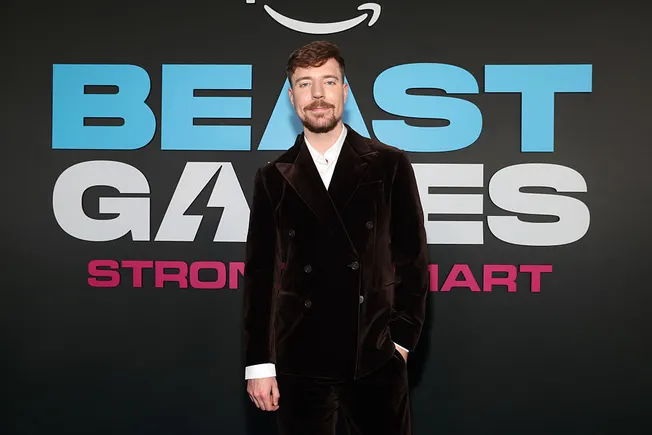
For MrBeast’s companies, the lawsuit presents a significant challenge. Beyond the direct legal costs and potential financial penalties, the negative publicity associated with such allegations can impact brand reputation, employee morale, and public perception. In an era where corporate accountability and ethical workplace practices are under intense scrutiny, particularly for public figures and brands, allegations of harassment and retaliation can have far-reaching consequences. This case serves as a stark reminder that even innovative, fast-growing companies in the digital sphere are subject to the same rigorous employment laws and expectations as traditional corporations, underscoring the critical need for robust HR policies, thorough training on harassment prevention, and clear, non-retaliatory processes for managing employee leave and returns.
The Disconnect in Leadership Expectations: Employees Seek Belonging, Employers Reward Ambition
A recent survey by Hogan Assessments has shed light on a notable divergence between what U.S. employees value in an ideal leader and the qualities that employers typically prioritize and reward. The findings indicate that a significant 48% of surveyed employees believe an ideal leader "should foster teamwork and a sense of belonging." This preference highlights a growing desire among the workforce for inclusive, supportive leadership that cultivates a positive and collaborative environment. In contrast, Hogan Assessments noted that employers generally tend to reward leaders who exhibit ambition, initiative, and innovation. This disparity underscores a potential chasm in organizational priorities that could have profound implications for employee engagement, retention, and overall workplace culture.
Evolving Landscape of Leadership:
The concept of effective leadership has undergone significant transformation, particularly in recent years. The advent of remote and hybrid work models, coupled with increased societal awareness around diversity, equity, and inclusion (DEI), has reshaped employee expectations. The traditional, hierarchical "command-and-control" leadership style is increasingly being replaced by a demand for empathetic, transparent, and empowering leadership. Employees today are not just seeking directives; they are seeking guidance, support, and a sense of purpose and belonging within their teams and organizations. The Great Resignation, a phenomenon characterized by millions of workers voluntarily leaving their jobs, further emphasized that employees are prioritizing factors like work-life balance, mental well-being, and a supportive work environment, all heavily influenced by leadership quality.
The Hogan Assessments Report: A Deeper Dive:
The 48% figure for employees valuing leaders who foster teamwork and belonging is compelling. It speaks to a fundamental human need for connection and psychological safety in the workplace. When employees feel they belong, they are more likely to be engaged, productive, and loyal. Hogan Assessments further elucidated that employees generally prefer leaders who display strong communication skills, integrity, and accountability. These traits are foundational for building trust, fostering transparency, and ensuring ethical conduct within an organization.
Conversely, the report notes that employers often reward leaders demonstrating ambition, initiative, and innovation. While these qualities are undeniably crucial for driving business growth, competitive advantage, and strategic advancement, an overemphasis on them without balancing the human-centric aspects can inadvertently create a leadership culture that prioritizes results above people. Leaders focused solely on ambition and initiative might overlook the need for team cohesion or may inadvertently create environments where individual success is prioritized over collective well-being, potentially leading to burnout, internal competition, and a lack of psychological safety.
Supporting Data and Broader Implications:
Numerous studies corroborate the importance of inclusive leadership. A Gallup report, for instance, consistently shows that engaged employees perform better, and strong leadership is the primary driver of engagement. Organizations with highly engaged workforces see 21% higher profitability. Furthermore, research by Deloitte indicates that an inclusive culture improves business performance by fostering innovation, increasing employee retention, and enhancing brand reputation. When employees feel a sense of belonging, they are more likely to share diverse perspectives, contribute creatively, and feel comfortable taking calculated risks.

The implications of this disconnect are significant. Organizations that fail to align their leadership development and reward systems with employee expectations risk higher turnover rates, particularly among top talent seeking more supportive environments. It can also lead to lower employee morale, reduced productivity, and a struggle to attract new talent who prioritize inclusive cultures. Moreover, a lack of emphasis on integrity and accountability can breed distrust and, in extreme cases, contribute to unethical practices.
Recommendations for Bridging the Gap:
To bridge this gap, organizations must critically re-evaluate their leadership frameworks. This involves:
- Redefining Leadership Competencies: Incorporating "fostering teamwork and belonging," "empathetic communication," "integrity," and "accountability" into core leadership competency models.
- Rethinking Performance Reviews and Promotion Criteria: Ensuring that evaluations for leaders go beyond mere financial results or individual initiatives to include metrics related to team engagement, psychological safety, and the development of direct reports.
- Investing in Comprehensive Leadership Training: Moving beyond technical skills to focus on emotional intelligence, unconscious bias, conflict resolution, and inclusive leadership practices.
- Promoting a Culture of Feedback: Encouraging upward feedback mechanisms where employees can safely and constructively provide input on their leaders’ effectiveness.
- Leading by Example: Senior leadership must embody the desired leadership qualities, demonstrating that fostering belonging is a top organizational priority.
By consciously cultivating leaders who prioritize both strategic objectives and the human element, organizations can create workplaces where employees feel valued, heard, and motivated to contribute their best, ultimately leading to sustainable success and a thriving culture.
NFL Champions Second-Chance Hiring: A Call for Economic and Social Reintegration
In a powerful demonstration of corporate social responsibility and community advocacy, the National Football League (NFL) has utilized its prominent platform during the annual draft month to champion second-chance hiring initiatives. Collaborating with the Center for Employment Opportunities (CEO), the NFL has issued a resounding call to employers, urging them not to overlook the significant pool of potential workers who carry criminal records. This campaign arrives at a critical juncture, as federal support for programs designed to aid formerly incarcerated individuals in their reintegration into society is reportedly being deprioritized, making private sector engagement all the more vital.
The Economic and Social Imperative of Second-Chance Hiring:
The challenges faced by formerly incarcerated individuals upon release are formidable, with employment being one of the most significant barriers to successful reintegration. Studies consistently show that individuals with criminal records face immense difficulty securing stable employment, often leading to cycles of poverty, homelessness, and recidivism. The unemployment rate for this demographic is disproportionately high, far exceeding national averages. The societal cost of this exclusion is substantial, encompassing increased welfare expenditures, higher crime rates, and a vast untapped labor pool that could otherwise contribute to the economy.
Second-chance hiring, also known as fair chance hiring, is a practice that encourages employers to consider qualified applicants with criminal records, focusing on their skills, qualifications, and potential for rehabilitation rather than solely on their past mistakes. This approach is not merely an act of charity; it is increasingly recognized as a sound business strategy. Employers who engage in second-chance hiring often report lower turnover rates, higher employee loyalty, and a dedicated, motivated workforce eager to prove themselves.

The Role of the NFL and Center for Employment Opportunities:
The NFL’s involvement in this campaign carries significant weight. As one of the most visible and influential sports leagues globally, its endorsement can help destigmatize formerly incarcerated individuals and shift public and corporate perceptions. The league’s "draft month" provides an opportune moment to highlight themes of potential, opportunity, and new beginnings, aligning perfectly with the ethos of second-chance hiring. This initiative is a testament to the growing recognition among major corporations that they have a role to play in addressing societal challenges.
The Center for Employment Opportunities (CEO) is a leading national organization dedicated to providing immediate, effective, and comprehensive employment services to people with criminal convictions. Through a combination of job placement, transitional work, and post-placement support, CEO helps individuals successfully re-enter the workforce and society. Their collaboration with the NFL lends credibility and expertise to the campaign, grounding the advocacy in proven methodologies and real-world impact. Genevieve Rimer, Vice President of Capacity Building and Technical Assistance at CEO, articulated the core message powerfully: "We, as formerly incarcerated people, are the whole package. And if employers are intentionally overlooking us, they’re missing out." This statement encapsulates the argument that individuals with criminal records possess valuable skills, work ethic, and a strong desire for stability, making them assets to any workforce.
Deprioritization of Federal Support and its Impact:
The context of deprioritized federal support for programs aiding formerly incarcerated people makes the NFL and CEO’s campaign even more critical. Government programs often provide vital funding for job training, housing assistance, and mental health services, all of which are crucial for successful reintegration. A reduction in such support places a greater burden on non-profit organizations and the private sector to fill the gap. This situation underscores the urgency for employers to step up and embrace fair chance hiring, not only for the moral imperative but also to prevent a potential exacerbation of social and economic challenges for this vulnerable population.
Broader Impact and Recommendations for Employers:
The NFL’s campaign sends a strong message to the business community: fair chance hiring is a viable and valuable talent strategy. For employers considering or expanding second-chance hiring programs, several best practices can ensure success:
- "Ban the Box" Policies: Removing the criminal history question from initial job applications allows candidates to be judged on their qualifications first, with background checks conducted later in the hiring process.
- Individualized Assessment: Instead of blanket exclusions, employers should conduct individualized assessments, considering the nature and gravity of the offense, the time passed since the conviction or release, and the nature of the job sought.
- Partnerships with Non-Profits: Collaborating with organizations like CEO can provide employers with vetted candidates, pre-employment training, and ongoing support services, reducing the perceived risk.
- Mentorship and Support Systems: Providing internal mentorship, job coaching, and access to resources for formerly incarcerated employees can significantly improve retention and performance.
- Inclusive Workplace Culture: Fostering a workplace that is understanding and supportive, free from stigma, is crucial for the long-term success of these employees.
By embracing second-chance hiring, businesses not only gain access to a dedicated talent pool but also contribute to reducing recidivism, strengthening communities, and fostering a more equitable society. The NFL and CEO’s initiative is a powerful reminder that inclusive practices extend beyond traditional diversity metrics to encompass individuals who, despite past mistakes, are eager for an opportunity to contribute and rebuild their lives.