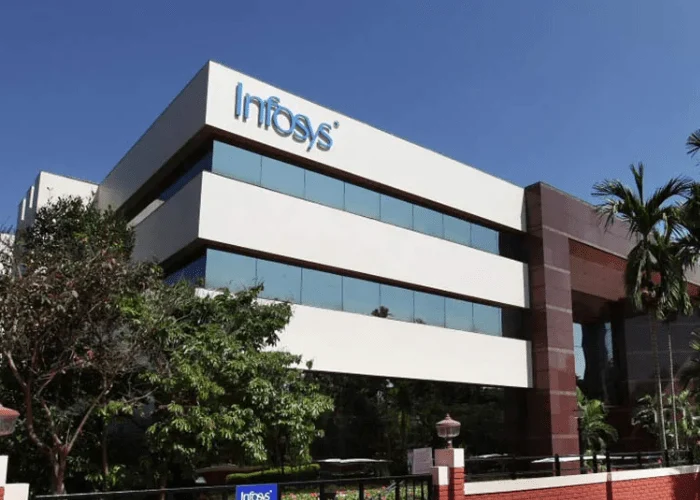
Infosys, a global leader in next-generation digital services and consulting, has announced a significant new round of stock-based rewards for its employees and top leadership, reinforcing its strategic commitment to linking compensation with sustained performance and long-term value creation. The approvals, meticulously detailed in the company’s comprehensive fourth-quarter regulatory filing, underscore a deliberate push to foster a culture of ownership and align individual contributions with the broader corporate trajectory. This latest initiative is poised to impact a wide cross-section of the company’s workforce, from junior employees to its chief executive, solidifying Infosys’s position in the competitive talent landscape of the global technology sector.
A Strategic Imperative: Aligning Interests for Long-Term Growth
The decision to grant these extensive stock incentives was formally ratified by the Infosys board on April 22, 2024. This approval followed a thorough review and recommendation from the company’s Nomination and Remuneration Committee, a body responsible for ensuring that compensation structures are competitive, fair, and directly support the company’s strategic objectives. The incentives will be disseminated under two established and critically important frameworks: the 2015 Stock Incentive Compensation Plan and the Expanded Stock Ownership Programme, which was introduced in 2019. These plans are cornerstones of Infosys’s human capital strategy, designed not merely as rewards but as powerful tools for talent attraction, retention, and motivation, fostering a shared sense of purpose and commitment among its vast global workforce.
Equity compensation has long been recognized as a powerful mechanism in the technology industry, particularly for companies operating in high-growth and innovation-driven sectors. Unlike traditional cash bonuses, stock-based incentives tie an employee’s financial future directly to the company’s long-term success, encouraging a shareholder mindset. This alignment is crucial in an industry where sustained innovation and strategic foresight are paramount. For Infosys, a company that has consistently emphasized sustainable growth and value creation, these plans serve to integrate individual ambitions with collective corporate goals, ensuring that employees are directly incentivized to contribute to the company’s profitability and market valuation over time.
The Frameworks: 2015 Stock Incentive Plan and 2019 Expanded Stock Ownership Programme
The allocation of these incentives leverages two distinct yet complementary programs, each tailored to achieve specific objectives within Infosys’s overarching compensation philosophy.
The 2015 Stock Incentive Compensation Plan is primarily focused on broad-based employee engagement and retention. Under this plan, Infosys has approved the grant of over 27,000 Restricted Stock Units (RSUs). RSUs represent a promise by the company to issue shares of its stock to an employee once certain conditions, typically vesting schedules, are met. In this instance, these units are designed to vest gradually over a period of two to three years. This phased vesting mechanism is a strategic choice, designed to encourage long-term commitment and sustained contribution from employees. Instead of a one-time payout, employees gain ownership of company stock over several years, making it a powerful tool to reduce attrition and ensure that key talent remains invested in the company’s journey. The value of these RSUs is tied directly to Infosys’s share price at the time of vesting, meaning employees benefit directly from the company’s market performance.
Complementing the 2015 plan is the Expanded Stock Ownership Programme, introduced in 2019. This program focuses on performance-linked incentives, targeting specific achievements and strategic contributions. Under this framework, performance-linked stock incentives have been cleared, tied to equity shares valued at approximately Rs 1.90 crore at the time of approval. Crucially, the final allocation and value of these incentives are inherently market-linked, depending on the company’s share price just before the actual grant date. This introduces a dynamic element, where the payout directly reflects market confidence and the company’s perceived value at the point of issuance. These performance-linked incentives are also structured with a vesting period, typically over two years, and are explicitly conditional upon the achievement of predefined performance targets. These targets often encompass a range of metrics, including financial performance (e.g., revenue growth, profit margins), operational excellence, strategic project completion, and innovation milestones, ensuring a direct link between individual and team performance and the ultimate reward.
The effective date for granting these restricted stock units has been set for May 2, 2026. This forward-looking date clarifies the commencement of the vesting period for many of these grants, providing employees with a clear timeline for their potential ownership. This structured approach ensures that employees benefit from both the company’s inherent performance and broader market movements over an extended period, creating a symbiotic relationship between individual success and corporate prosperity.
Leadership Compensation: A Multi-faceted Approach for CEO Salil Parekh
Beyond the broad-based employee grants, the Infosys board also approved a distinct and comprehensive stock incentive package for its Chief Executive Officer and Managing Director, Salil Parekh. This package is particularly noteworthy for its multi-faceted design, reflecting contemporary best practices in executive compensation that align leadership incentives with a wide spectrum of corporate objectives, including financial performance, environmental, social, and governance (ESG) metrics, and overall shareholder returns.
Parekh’s package includes a strategic mix of components:
- Performance-Based Incentives: These are typically tied to key financial metrics such as revenue growth, profitability (e.g., EBIT margins), and free cash flow generation. Such components ensure that the CEO’s compensation is directly linked to the company’s operational and financial health.
- ESG-Linked Components: A growing trend in corporate governance, tying executive compensation to ESG targets underscores a company’s commitment to sustainable business practices. For Infosys, these could include metrics related to carbon footprint reduction, diversity and inclusion targets, ethical supply chain management, or data privacy and security enhancements. This reflects a broader societal expectation for corporations to contribute positively beyond purely financial returns.
- Shareholder Return-Linked Components: These often involve Total Shareholder Return (TSR) metrics, sometimes benchmarked against a peer group. This ensures that the CEO’s incentives are aligned with the direct returns delivered to shareholders, fostering a focus on long-term stock performance and investor confidence.
- Additional Grant under the 2019 Stock Plan: This component integrates the CEO’s compensation within the broader employee ownership framework, albeit with specific performance conditions commensurate with his leadership role.
This comprehensive approach to executive compensation for Salil Parekh underscores Infosys’s dedication to robust corporate governance and its belief that leadership incentives should reflect a holistic view of company performance, encompassing financial, social, and environmental responsibilities.
Contextualizing the Decision: Infosys’s Performance and Market Dynamics
The decision to issue these substantial stock-based rewards comes at a pertinent time for Infosys. For the fiscal year ended March 31, 2024, Infosys reported a consolidated revenue of $18.6 billion, marking a 1.4% year-on-year growth in constant currency. While the IT services sector has faced headwinds in certain markets, Infosys has navigated a complex global economic environment with resilience, focusing on strategic deals and digital transformation initiatives for its clients. The company’s Q4 FY24 results showed a net profit of Rs 7,969 crore, a 30% jump year-on-year, primarily aided by a one-off tax reversal. Excluding this, net profit was Rs 6,128 crore, a marginal 0.2% decline. The company also announced a definitive agreement to acquire InSemi, a leading semiconductor design and embedded services provider, further signaling its strategic expansion into high-growth areas.
Infosys’s share price performance, while subject to broader market trends and sector-specific challenges, has generally reflected investor confidence in its long-term strategy. The grants, being market-linked, directly connect employee wealth creation to this market performance. The company employs a vast global workforce, numbering approximately 317,000 employees as of March 31, 2024. Against this backdrop, large-scale stock grants serve not only as a reward for past performance but also as a forward-looking incentive to drive future growth and maintain a competitive edge in talent acquisition and retention.
Historically, Infosys has been a pioneer in employee wealth creation through stock ownership. From its early days, the company has championed the idea of employees as shareholders, a philosophy that has significantly contributed to its success and ability to attract top talent. This latest round of grants is a continuation of that enduring philosophy, adapting it to modern compensation practices and market realities.
The Rationale Behind Equity Compensation: Retention, Motivation, and Ownership
The rationale behind Infosys’s continued reliance on equity-based compensation is multi-layered and strategically sound. In the fiercely competitive global technology talent market, retaining skilled professionals is as critical as attracting them. Stock units, with their multi-year vesting schedules, act as a golden handcuff, incentivizing employees to remain with the company to realize the full value of their grants. This stability in the workforce is invaluable for long-term project execution, client relationships, and institutional knowledge retention.
Moreover, linking compensation to company stock fosters a profound sense of ownership among employees. When employees are also shareholders, their personal financial success is directly tied to the company’s performance. This alignment can lead to increased motivation, greater productivity, and a more proactive approach to problem-solving and innovation. Employees are encouraged to think like owners, making decisions that benefit the company’s long-term health and profitability, rather than just focusing on short-term departmental goals. This cultural shift is particularly potent in a knowledge-based industry like IT services, where human capital is the primary asset.
From a broader corporate governance perspective, well-designed stock ownership plans align the interests of employees, leadership, and shareholders. When all stakeholders are pulling in the same direction, with shared incentives, the likelihood of achieving strategic objectives and generating sustainable shareholder value significantly increases. This transparent and merit-based approach to compensation also enhances the company’s reputation as an employer of choice, reinforcing its brand in the talent market.
Industry Trends and the War for Talent
Infosys’s latest move is also reflective of broader industry trends. The global technology sector has been embroiled in an intense "war for talent" for several years, exacerbated by rapid technological advancements, the demand for specialized skills in areas like AI, cloud computing, and cybersecurity, and the shift towards remote and hybrid work models. Companies across the spectrum, from established giants to nimble startups, are constantly innovating their compensation and benefits packages to attract and retain top-tier professionals.
Indian IT services companies, in particular, operate in a highly competitive environment, often vying for talent with global tech behemoths and well-funded startups. Stock options and RSUs have become standard components of compensation packages, moving beyond just executive rewards to become a tool for incentivizing employees at various levels. The trend towards incorporating ESG metrics into executive pay, as seen in Salil Parekh’s package, also highlights a maturing understanding of corporate responsibility and sustainability within the industry. Companies are increasingly recognizing that long-term value creation is inextricably linked to their environmental footprint, social impact, and governance practices.
Implications for Employees, Shareholders, and Infosys’s Future Trajectory
The implications of this latest round of stock grants are significant and far-reaching for various stakeholders.
For employees, these grants represent a substantial opportunity for wealth creation and a tangible recognition of their contributions. The phased vesting ensures a long-term benefit, encouraging them to stay with the company and continue delivering high performance. It also empowers employees by giving them a direct stake in Infosys’s future success, fostering a deeper sense of belonging and commitment.
For shareholders, the move signals a robust strategy for talent retention and performance alignment. While equity dilution is a consideration with any stock grant program, the long-term benefits of a highly motivated and engaged workforce, leading to sustained business growth and profitability, typically outweigh these concerns. Investors generally view such programs positively, as they align management and employee interests with shareholder wealth creation, potentially leading to improved long-term stock performance.
For Infosys as an organization, this strategic investment in human capital is expected to yield multiple benefits. It will undoubtedly strengthen its ability to attract and retain top talent in a competitive market, ensuring a steady pipeline of skilled professionals crucial for its innovation and service delivery capabilities. By aligning employee interests with business outcomes, the company can expect enhanced productivity, greater employee engagement, and a more collaborative culture focused on achieving strategic objectives. This sustained alignment is critical as Infosys continues to navigate the complexities of digital transformation, global economic shifts, and emerging technological paradigms.
In conclusion, Infosys’s latest stock-based incentive program is more than just a reward; it is a meticulously crafted strategic investment in its people, designed to fortify its competitive position, drive long-term value creation, and ensure its continued leadership in the global technology services industry. By embedding a culture of ownership and performance-linked compensation, Infosys is not only recognizing its past successes but also laying a robust foundation for its future growth and sustainability.