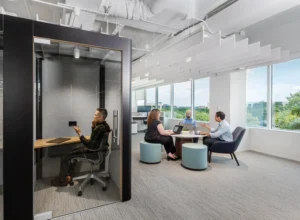
The modern office, far from being a mere overhead, stands as a cornerstone of an organization’s employer value proposition (EVP), serving as a critical tool for attracting and retaining top talent, fostering a robust company culture, and ensuring alignment of corporate values. Owen Spencer, a senior real estate lawyer specializing in corporate occupiers, strongly advocates for the routine involvement of Human Resources professionals in all office relocation decisions, underscoring its strategic importance. This perspective marks a significant shift from traditional views, where real estate decisions were often siloed within finance or operations departments.
The Evolving Workplace: Beyond Bricks and Mortar
In today’s competitive talent landscape, the physical workspace is increasingly recognized as a dynamic asset, directly influencing employee experience and overall business success. Considerations such as the office’s location, its accessibility, inclusivity, and sustainability credentials are now paramount, often outweighing the traditional metric of pounds per square foot. Modern facilities equipped with cutting-edge technology are no longer perceived as "nice-to-haves" but have become baseline expectations for a skilled workforce. This fundamental shift elevates the workplace from a cost center to a strategic "people strategy lever," making HR’s active participation in office relocation decisions not just advisable, but essential.
The post-pandemic era has irrevocably altered perceptions of work and the workplace. While remote work demonstrated its viability, the collective desire for human connection, collaborative innovation, and a distinct company identity has reaffirmed the office’s enduring relevance. However, its purpose has evolved. It is no longer solely a place for individual tasks but a hub for collaboration, learning, and cultural immersion. This transformation necessitates a deeper understanding of employee needs, work patterns, and the strategic alignment of physical space with business objectives – precisely where HR’s expertise becomes invaluable.
HR as a Strategic Partner in Workplace Strategy
HR professionals possess unique insights into an organization’s talent strategy, employee demographics, cultural aspirations, and well-being priorities. When an office relocation is on the table, these insights are crucial for shaping a workspace that genuinely supports the workforce. For instance, understanding the demographics of the employee base can inform decisions about childcare facilities, quiet zones, or collaborative spaces. Insights into diversity and inclusion goals can ensure the new space is fully accessible and welcoming to all, addressing factors from physical access to neurodiversity-friendly design elements.
Furthermore, HR is uniquely positioned to manage the human impact of such significant organizational change. An office move, regardless of its strategic benefits, can be a source of stress and disruption for employees. HR can proactively address concerns, communicate effectively, and implement support systems to ensure a smooth transition, safeguarding employee morale and productivity. Without HR’s input, there’s a significant risk that a new office, however architecturally impressive or cost-effective, might fail to resonate with employees, potentially leading to decreased engagement, higher attrition rates, and a diminished employer brand.
The "Stay or Go" Conundrum: Navigating Market Realities
The decision to relocate or refurbish an existing office space has become more intricate and costly than ever before. Many tenants who choose to move – distinct from those forced to relocate due to outgrowing their premises – do so primarily to secure an upgrade. This "flight to quality" is a dominant trend in urban real estate markets globally, and particularly pronounced in London.
The London office market, for example, is facing what analysts term the "London crunch." Projections indicate that the supply of new, prime office space in the capital could hit historic lows by 2028. This scarcity is exacerbated by the increased number of office-to-residential conversions since the pandemic, which have further reduced commercial stock. The intense competition for top-tier real estate, combined with occupiers’ increasing demand for high-quality, amenity-rich, and sustainable spaces, means that securing an ideal location is a significant challenge. This scarcity drives up prices and reduces negotiating leverage for tenants.
The advent of hybrid working patterns has introduced another layer of complexity. Some businesses initially saw office relocation as a strategic opportunity to "rightsize," aiming to shed expensive, underutilized property costs. However, this strategy has not been without its pitfalls. Companies that aggressively downsized are now grappling with the challenges of implementing "return-to-office" mandates, finding themselves short on adequate space as employee attendance patterns solidify. The widely reported case of HSBC, which found itself over 7,000 seats short after an overly enthusiastic rightsizing exercise, serves as a cautionary tale. Such miscalculations underscore the critical need for meticulous planning and a deep understanding of future work trends, often best informed by HR data and insights.
The "stay or go" decision is rarely straightforward, involving a delicate balance of competing priorities from various departments. HR focuses on talent attraction, retention, and employee well-being; finance prioritizes cost efficiency and return on investment; real estate departments manage market dynamics and lease agreements; and leadership sets the overarching strategic vision. Reconciling these diverse perspectives, while also considering the profound emotional and practical impact on employees, demands timely, strategic advice and a collaborative, interdisciplinary approach.
Proactive Planning: The Imperative of Foresight
A critical lesson emerging from current market conditions is the necessity for foresight. Due to the shortage of suitable space and the often-protracted lead times required for bespoke fit-outs, businesses must now initiate planning several years ahead of upcoming lease expiries. Delaying decisions can lead to significant compromises later, forcing companies into less-than-ideal locations or facilities.
Conversely, early commitment to a relocation or refurbishment strategy offers substantial strategic and financial advantages. Proactive engagement with the market allows for a wider choice of buildings and locations, providing greater commercial leverage in negotiations. This can translate into more favorable lease terms, potentially including longer rent-free periods or more flexible lease structures that can adapt to future business growth or contraction. For instance, securing a 12-month rent-free period on a multi-million-pound lease can represent significant savings, a benefit rarely available to last-minute negotiators.
Relocation is more than just a change of address; it represents a profound strategic opportunity for businesses to implement new and improved ways of working. It can be a catalyst for cultural transformation, process optimization, and technological upgrades. However, managing such organizational change, especially when combined with the complexities of a major relocation project, requires specialized expertise. This is where external real estate advisors, project managers, and internal HR change management teams play crucial roles in ensuring a smooth transition and successful adoption of new working practices.
Each lease decision is inherently nuanced, tailored to the specific business, its sector, growth trajectory, current location, and a myriad of other unique company needs. For instance, a rapidly expanding tech firm might prioritize flexible space options, while a well-established legal firm might seek prestige and permanence. Buildings offering serviced office or flexible space solutions can provide comfort to occupiers uncertain about future headcount growth, offering agility though often at a higher per-head cost. These options, however, must be carefully weighed against the long-term strategic goals and cost efficiencies.

Relocation vs. Refurbishment: A Comprehensive Cost-Benefit Analysis
When considering a move, leaders must factor in significant fit-out costs, which can range from £100 to £200 per square foot for basic finishes, extending to £300-£500+ for high-spec, amenity-rich spaces. Additionally, prime locations often command higher headline rents. The disruption to employees during a move, though temporary, can also impact productivity and morale.
However, opting to "stay" is not a cost-free or disruption-free alternative. Remaining in situ often necessitates substantial refurbishment, incurring costs comparable to or even exceeding a new fit-out, depending on the scope. There is also the inherent risk of investing heavily in a building with aging plant and machinery that may soon become obsolete, leading to higher operational costs and potential regulatory non-compliance. Legacy infrastructure can also present significant limitations, particularly concerning modern technology integration and accessibility standards. For example, older buildings may struggle to meet the power demands of contemporary IT systems or the accessibility requirements for disabled employees.
In both scenarios – relocation or refurbishment – leadership must conduct a comprehensive evaluation of several critical factors:
- Environmental Credentials and EPC Ratings: With increasing regulatory scrutiny and corporate commitments to sustainability, the energy performance certificate (EPC) rating of a building is paramount. Many businesses are now targeting ‘A’ or ‘B’ rated buildings to meet internal ESG goals and comply with future legislation, which may mandate minimum energy efficiency standards for commercial properties.
- Future Regulatory Compliance: Beyond EPCs, buildings must meet evolving safety standards, fire regulations, and accessibility codes. Investing in a space that is not future-proofed against these changes can lead to significant retrospective costs and operational challenges.
- Building Safety Standards: Post-Grenfell, building safety has moved to the forefront, demanding rigorous assessments of materials, fire systems, and structural integrity.
- Well-being and Inclusion Features: The modern workplace is expected to promote employee well-being. This includes natural light, ventilation, green spaces, ergonomic furniture, and facilities like gyms, quiet rooms, and healthy food options. Inclusivity features, such as accessible restrooms, prayer rooms, and gender-neutral facilities, are also increasingly important.
- Suitability for Evolving Work Patterns: The chosen space must be flexible enough to accommodate shifts in hybrid working models, team structures, and technological advancements. This might involve modular furniture, reconfigurable walls, and integrated smart building technologies.
Crucially, the cheapest option is rarely the best option in the long run. A slightly higher initial investment in a strategically sound, future-proofed, and employee-centric workspace can yield significant returns in terms of talent attraction, productivity, brand reputation, and long-term operational efficiency.
Case Study: Forsters Law Firm’s Strategic Relocation to 22 Baker Street
The experience of Forsters law firm serves as a compelling illustration of the strategic value of an integrated, HR-inclusive approach to office relocation.
Situation: For over two decades, Forsters had been situated in the same Mayfair location. However, the firm had significantly outgrown its original office, leading to its people being dispersed across four separate buildings, hindering collaboration and fostering a sense of fragmentation. Compounding this, the existing infrastructure, including plant and machinery, was becoming increasingly historic and inefficient.
Challenge: The onset of the Covid-19 pandemic in early 2020 injected immense uncertainty into the future of office occupancy and methods of working. This global event added unforeseen constraints to the real estate development pipeline and complicated long-term strategic planning.
Stay/Go Decision: After a thorough strategic review, the business made the decisive choice to relocate, initiating a comprehensive and complex strategic relocation process. This was a proactive step to consolidate operations and modernize their workspace.
Timeline: The project officially kicked off in 2019, predating the pandemic’s full impact, allowing for some initial groundwork. Despite the intervening challenges, employees successfully entered their new, state-of-the-art offices at 22 Baker Street in 2024, demonstrating a five-year strategic commitment and execution.
Why 22 Baker Street? (While the original article leaves this blank, we can infer and elaborate based on the outcome and general market trends for law firms). The selection of 22 Baker Street likely stemmed from a confluence of factors:
- Strategic Location: A prestigious address offering excellent connectivity and client accessibility, maintaining a premium brand image.
- Modern Infrastructure: A building capable of accommodating advanced technology and future-proofed systems.
- Space and Configuration: The ability to consolidate all teams into a single, cohesive environment, promoting collaboration and a unified culture.
- Amenities and Well-being: Features that support employee well-being, sustainability goals, and modern working practices.
- Developer Reputation: A reputable developer or landlord capable of delivering a high-quality fit-out and long-term support.
Outcome: The move to 22 Baker Street delivered significant strategic benefits. The new offices dramatically improved alignment with Forsters’ people strategy and the firm’s core values. It created a unified building environment that actively supports sustained growth, enhances talent attraction and retention efforts, facilitates more efficient working practices through improved layout and technology, and provides greater long-term certainty for the firm’s operational footprint.
Sarah-Jane Muskett-Green, Forsters’ Business Operations Director, emphasized the integral role of HR: "Our HR team, together with representatives from all legal and business services groups, played a critical role in deciding what we needed in a new building. We were fortunate that the firm was united on what our people and clients wanted, and this directly framed the workplace design." She further highlighted the collaborative strength of the internal delivery team: "Just as important to the success of the project was having a collaborative multi-disciplinary internal delivery team made up of key business services departments (Operations, IT, HR, Project Management), together with a board-level legal and business services leadership group responsible for making key organizational decisions on behalf of the firm." This testament underscores the power of a truly integrated approach, with HR’s insights at its core.
Future-Proofing the Workplace: A Call to Action for HR
The consequences of short-term thinking, last-minute lease renewals, and underestimating market constraints can be severe, significantly impeding the success of office relocation strategies. These pitfalls can lead to suboptimal choices, increased costs, and negative impacts on employee morale and productivity. It is therefore paramount for HR professionals to initiate conversations early in the planning cycle, proactively challenge assumptions around cost versus long-term value, and actively seek specialist tenant-focused real estate advice.
The most successful organizations over the coming decade will undoubtedly be those that fundamentally integrate workplace strategy as a core component of their overarching people strategy. This demands a holistic perspective where the physical environment is seen as a powerful enabler of talent, culture, and business objectives. Planning accordingly means investing in comprehensive data analysis, fostering cross-functional collaboration, and continuously adapting to evolving employee needs and market dynamics. By taking this proactive, strategic stance, HR can ensure that the office remains a vibrant, productive, and attractive space, truly serving as a lever for organizational success in an ever-changing world of work.