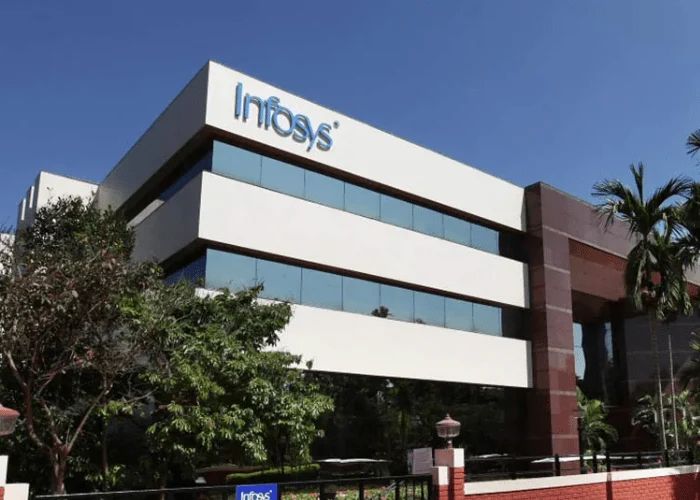
Bengaluru, India – Infosys, India’s second-largest IT services provider, has greenlighted stock incentives valued at approximately Rs 52 crore (approximately $6.2 million USD) for its Chief Executive Officer and Managing Director, Salil Parekh. This significant compensation package for its top executive comes at a time when the company has yet to finalize its decision regarding employee salary hikes for the current financial year, a disparity that underscores the prevailing economic cautiousness and strategic priorities within the global technology sector.
The equity grant, meticulously approved by the Infosys board of directors following recommendations from internal committees, is structured as a cornerstone of Mr. Parekh’s performance-linked compensation. This comprehensive framework is designed to align leadership incentives with the company’s long-term strategic objectives and shareholder value creation. The compensation structure integrates multiple performance components, including annual operational performance metrics, shareholder returns, adherence to Environmental, Social, and Governance (ESG) goals, and a robust long-term incentive plan. The stock units are slated to vest over a period of one to two years, contingent upon the successful achievement of predefined performance conditions. The allocation of these units is intrinsically linked to the market price of Infosys shares at the time of the grant, ensuring that the value is reflective of current market dynamics.
This latest executive payout largely mirrors the compensation structure implemented in the preceding fiscal year, signalling a consistent approach by the company in linking its leadership rewards directly to a defined set of performance metrics. The board’s approval of Mr. Parekh’s incentives follows a quarter characterized by what the company described as steady financial performance, offering a degree of stability in a volatile global market.
The Broader Context: A Challenging IT Landscape
The timing of this executive compensation decision, set against the backdrop of pending employee wage revisions, draws attention to the complex dynamics currently at play within the Indian IT services industry. The sector, a significant contributor to India’s GDP and employment, has been navigating a period of pronounced uncertainty, marked by global macroeconomic headwinds, inflationary pressures, and a recalibration of corporate spending priorities by clients worldwide.
Typically, Indian IT firms announce annual salary increments for their workforce around April-May, following the close of the financial year. However, for the current fiscal year (FY27, assuming the article meant FY25 as FY27 is two years away, or if FY27 refers to the upcoming appraisal cycle that will take effect for the financial year 2026-2027), Infosys management has indicated that both the timing and the scale of potential salary hikes are still under rigorous evaluation. This delay is not an isolated incident but rather reflects a cautious and measured approach adopted across much of the IT sector as companies grapple with a confluence of challenges. These include slower deal ramp-ups—where new project wins take longer to translate into revenue—and constrained discretionary spending by clients, who are prioritizing essential digital transformation projects over optional enhancements.
Infosys itself has projected modest revenue growth for the year, a forecast that signals a measured and pragmatic outlook for the immediate future. This conservative guidance aligns with industry-wide trends, where major IT players are balancing stringent cost control measures with strategic investments in burgeoning areas such as artificial intelligence (AI), machine learning, cloud computing, and advanced digital transformation initiatives. The imperative to invest in these emerging technologies is driven by the need to remain competitive and future-proof their service offerings, even as traditional revenue streams face pressure.
Understanding Performance-Linked Executive Compensation
Executive compensation, particularly in publicly traded companies, is a highly scrutinized area. The philosophy behind performance-linked compensation, such as the stock incentives granted to Salil Parekh, is rooted in the principle of aligning the interests of top management with those of the shareholders. By tying a significant portion of the CEO’s remuneration to company performance metrics—like revenue growth, profit margins, share price appreciation, and increasingly, ESG targets—boards aim to incentivize decisions that drive long-term value.
For Infosys, the multi-faceted structure of Mr. Parekh’s compensation package, encompassing annual performance, shareholder returns, ESG goals, and a long-term incentive plan, reflects best practices in corporate governance. The inclusion of ESG metrics is particularly noteworthy, indicating a growing emphasis on sustainable business practices and corporate social responsibility beyond mere financial performance. The vesting schedule of one to two years for the stock units further reinforces the long-term orientation, ensuring that the CEO’s rewards are tied to sustained performance rather than short-term gains. This structure is intended to foster stability in leadership and strategic vision, which are critical for navigating complex global markets.
However, the magnitude of such packages, especially when contrasted with the compensation of the broader employee base, often sparks debate. Critics argue that while executive performance is crucial, the gap between top-tier remuneration and average employee salaries can create a perception of inequity, particularly during economically challenging periods or when general wage increases are deferred.
Employee Wage Hikes: A Deferred Decision Amidst Macroeconomic Headwinds
The deferral of employee wage revisions at Infosys is symptomatic of a broader trend within the Indian IT services industry. Several factors contribute to this cautious stance:
- Global Economic Slowdown: The global economy has been contending with persistent inflation, aggressive interest rate hikes by central banks, and geopolitical uncertainties. These factors have led to a slowdown in discretionary spending by corporate clients in key markets like North America and Europe, which are primary revenue generators for Indian IT firms.
- Slower Deal Conversions and Ramp-ups: While the pipeline for new deals remains robust for many IT companies, the conversion rate and the speed at which these deals translate into actual revenue have slowed down. Clients are taking longer to commit to large-scale transformation projects, and existing projects are often subject to stricter budget controls.
- Margin Protection: In an environment of slower revenue growth, companies are intensely focused on protecting their profit margins. Employee salaries constitute a significant portion of an IT firm’s operational costs. Therefore, deferring or moderating wage hikes becomes a key lever for cost control.
- Talent Pool Dynamics: While demand for niche skills in areas like AI, cybersecurity, and cloud architecture remains high, there has been some easing in the broader talent crunch observed during the post-pandemic boom. This shift in demand-supply dynamics might give companies more leeway in their compensation decisions for a broader segment of their workforce.
- Strategic Investments in AI: The rapid advancements in artificial intelligence are necessitating substantial investments in reskilling the workforce, acquiring AI talent, and building new AI-driven platforms and solutions. These investments are costly and often take precedence over across-the-board salary increases in the short term.
Other major IT firms like Tata Consultancy Services (TCS), Wipro, and HCLTech have also demonstrated a similar cautious approach to salary increments in recent times, with some delaying hikes or offering more modest increases compared to previous years. This collective industry posture underscores the severity of the prevailing market conditions.
Implications for Stakeholders
The divergence between executive compensation and pending wage decisions has multifaceted implications for various stakeholders:
- For Investors: From an investor’s perspective, a performance-linked CEO compensation package, especially one tied to long-term value creation and ESG goals, is generally viewed positively. It signals that leadership incentives are aligned with shareholder interests, particularly if the company maintains steady financial performance. However, a significant delay or conservative approach to employee raises could, in the long run, pose risks related to talent retention and employee morale, which might eventually impact productivity and innovation. Investors will closely watch how the company balances short-term cost control with long-term talent strategy.
- For Employees: The news of substantial executive payouts alongside deferred salary hikes can inevitably lead to concerns about fairness and equity among the workforce. In a high-inflation environment, the absence of timely wage revisions can erode purchasing power and impact employee morale. While employees understand the need for business prudence, a perceived disparity can affect motivation, loyalty, and potentially lead to higher attrition rates, especially for high-performing individuals who might seek opportunities elsewhere. This also puts pressure on HR departments to communicate transparently and manage expectations effectively.
- For Corporate Governance: The decision highlights the ongoing debate in corporate governance circles about the structure and transparency of executive compensation, especially in periods of economic volatility. Boards are tasked with balancing competitive executive pay to attract and retain top talent with the broader responsibility of fostering a motivated and fairly compensated workforce.
- For the Indian IT Industry: This scenario at Infosys is indicative of a broader trend within the Indian IT sector. It reflects the industry’s focus on margin protection and operational efficiency while awaiting clearer signs of demand recovery. The industry is in a transitional phase, grappling with the immediate challenges of a cautious global economy while simultaneously investing heavily in future growth engines like AI. How companies manage this balance will determine their long-term success and reputation as employers.
Looking Ahead: The Path to Recovery and Rebalancing
Infosys’s modest revenue growth projection for the year encapsulates the cautious outlook prevalent across the IT sector. The company, like its peers, is strategically navigating a complex environment by balancing rigorous cost control with essential investments in transformative technologies. The emphasis on AI and digital transformation is not merely a trend but a necessity for future relevance and competitive advantage.
The resolution of employee salary hikes will be a critical event to watch. It will not only impact the financial well-being of thousands of employees but also serve as a barometer for the management’s confidence in the future economic outlook and its commitment to its workforce. A timely and reasonable resolution could help mitigate potential employee dissatisfaction and reinforce a sense of shared prosperity within the organization.
The current situation at Infosys serves as a microcosm of the broader challenges and strategic dilemmas confronting the global technology services industry. It underscores the delicate act of balancing shareholder expectations, executive incentives, employee welfare, and the imperative to innovate and adapt in a rapidly evolving technological and economic landscape. As the sector awaits a definitive demand recovery, the decisions made regarding compensation will continue to be a focal point of discussion and analysis.