
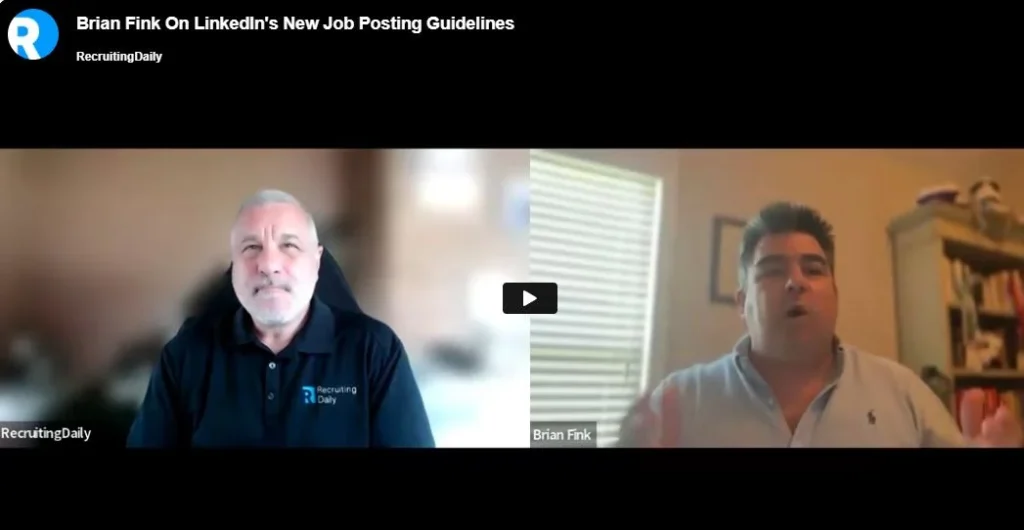
Effective August 2024, LinkedIn is rolling out significant updates to its guidelines for third-party job postings, a move framed by the professional networking giant as an initiative to enhance "authenticity" and user experience. These new requirements, particularly impacting XML feeds from Applicant Tracking Systems (ATSs) and thousands of recruiting agencies, introduce stricter visibility rules and compliance audits. While LinkedIn asserts these changes are designed to ensure higher transparency and quality for job seekers, the recruitment industry, particularly independent and smaller agencies, is bracing for what many perceive as a strategic shift towards increased monetization and potential market consolidation. Non-adherence to these updated stipulations could lead to job listings being removed and, in severe cases, the termination of partner contracts, fundamentally reshaping how third-party recruiters engage with active applicants on the platform.
Background and Rationale: The Pursuit of "Authenticity"
LinkedIn, a subsidiary of Microsoft, has long positioned itself as the preeminent global platform for professional networking and career development. Its job board functionality is a cornerstone of this offering, connecting millions of job seekers with opportunities daily. Over the years, the platform has grappled with challenges related to job post quality, duplication, and potential scams, which can erode user trust and diminish the overall experience. The stated rationale behind the August 2024 guidelines is to combat these issues directly. By emphasizing "transparency, quality, and user protection," LinkedIn aims to create a more reliable and efficient marketplace for talent.
The concept of "authenticity" is central to this narrative. For LinkedIn, an authentic job posting means it is genuine, complete, accurate, and unique. This drive is not entirely new; platforms frequently update policies to maintain integrity. However, the comprehensive nature and strict enforcement mechanisms of these new guidelines suggest a more profound strategic intent. By cleaning up the job feed, LinkedIn can argue it is delivering higher value to its users and, critically, to its premium paying customers – both employers directly posting jobs and agencies utilizing paid services. This also aligns with Microsoft’s broader strategy of fostering trusted, high-quality digital ecosystems across its various professional tools and services.
The Specifics of the New Mandates
The August 2024 requirements, detailed in LinkedIn’s XML Feeds Job Posting Guidelines, mark a pivotal moment for "Agencyland." At their core, these changes impose rigorous standards on how third-party recruiting agencies submit job postings via XML feeds integrated with their ATSs.
Key provisions include:
- Stricter Visibility Rules: Third-party jobs will face enhanced scrutiny, with LinkedIn employing advanced algorithms and manual audits to determine their visibility. This means even compliant jobs might not receive the same organic reach as before if they don’t meet an undefined threshold of perceived authenticity or quality.
- Mandatory Compliance Audits: LinkedIn will conduct regular audits to ensure agencies adhere to the new standards. These audits will focus on verifying that listings are genuine, complete, and not duplicated across the platform, or even within an agency’s own feed.
- Penalties for Non-Adherence: The most significant immediate consequence for non-compliant listings is removal. This directly impacts an agency’s ability to reach potential candidates and generate leads.
- "One Warning" and Contract Termination Clause: A particularly stringent aspect of the new policy grants LinkedIn the right to remove partners and immediately terminate Basic Jobs contracts after a single warning for non-adherence or if an excessive number of member complaints are generated against an agency’s postings. This creates a high-stakes environment where even minor infractions or a surge of user feedback could lead to severe business disruption.
These specific conditions underscore LinkedIn’s commitment to self-policing its platform and signal a reduced tolerance for perceived abuses of its "free" posting ecosystem. For agencies, this translates into a heightened need for meticulous attention to detail in every job description, rigorous internal quality control, and an active process for monitoring and responding to candidate feedback.
A "Double-Edged Sword": Impact on Recruiting Agencies
While the stated goal of improving job quality is laudable, the implementation of these new rules presents a "double-edged sword" for the recruitment industry, particularly for the vast network of third-party agencies.
Increased Compliance Burden and Operational Costs:
Recruiting agencies, especially those operating with lean teams and limited resources, will now face a significantly increased compliance burden. The demand for "pristine" job posts – free of fakes, duplicates, and detailed "to the bone" – requires more time, effort, and potentially dedicated personnel. This translates directly into higher operational costs. Agencies may need to invest in:
- Enhanced Vetting Processes: More rigorous checks on client job descriptions before posting.
- Improved ATS Integration: Ensuring their ATS can seamlessly comply with LinkedIn’s evolving XML feed specifications.
- Dedicated Compliance Roles: Assigning or hiring staff specifically to monitor LinkedIn’s guidelines and ensure adherence.
- Training: Educating recruiters on the nuances of the new posting standards.
For an industry often characterized by tight margins and a highly competitive landscape, these additional costs can significantly impact profitability and operational efficiency.
Disproportionate Impact on Smaller Agencies and Market Consolidation:
The most concerning implication for many industry observers is the potential for these guidelines to disproportionately affect smaller and independent recruiting agencies. These entities typically operate with fewer resources, smaller compliance teams, and less capital to absorb sudden increases in operational overhead. While larger agencies with substantial compliance departments and budgets can more easily adapt to these regulatory changes, smaller players might struggle to keep pace.
This dynamic inadvertently strengthens the market position of dominant players, leading to concerns about market consolidation. If smaller agencies find it difficult to comply or face repeated penalties, they may reduce their reliance on LinkedIn or, in extreme cases, be driven out of business. This could result in a less diverse and innovative recruitment sector, where niche markets served by specialized smaller agencies are underserved, ultimately reducing options for both employers and job seekers. The environment of constant vigilance and the potential for severe penalties creates an uneven playing field.
Stifling Competition and Innovation:
Recruiting agencies are crucial intermediaries, bridging the gap between talent and employers, particularly in specialized fields where direct hiring can be challenging. By imposing stricter controls and higher barriers to entry or continued operation, LinkedIn risks stifling the very dynamism that these intermediaries bring to the job market. Reduced competition among agencies could lead to less innovative recruitment strategies, slower adoption of new technologies, and potentially higher fees for employers seeking talent.

The Threat of Immediate Termination: A High-Stakes Environment
The clause allowing LinkedIn to terminate Basic Jobs contracts after "one warning and/or generates an excessive number of member complaints" is particularly alarming for third-party job sites. This policy creates a high-stakes game of compliance, where agencies operate under constant fear of severe repercussions.
Corporate Overreach and Lack of Due Process:
Critics might argue this constitutes corporate overreach, granting LinkedIn immense power with seemingly limited recourse for affected agencies. A single misstep, a technical glitch leading to a duplicate post, or even a coordinated effort by disgruntled users could trigger the "excessive complaints" clause, leading to immediate contract termination. This environment of unpredictability disproportionately harms smaller agencies that cannot afford to navigate such high-risk scenarios. The lack of a clear, multi-tiered warning system or a robust appeals process further exacerbates these concerns, making it difficult for agencies to understand or challenge LinkedIn’s decisions effectively.
Historical Precedent and Monetization Strategy:
This aggressive stance on compliance echoes past changes LinkedIn has made to its platform services. Nearly a decade ago, adjustments to its InMail policy, which restricted the number of free messages users could send, were widely seen as a move to funnel users into premium, paid subscriptions. Industry experts suggest a similar pattern may be at play here. By making the "free" posting environment more difficult and risky for third-party agencies, LinkedIn could be subtly pushing them towards more costly, premium job-posting packages or direct advertising solutions.
The question looming over Agencyland is clear: Does this mean more agencies and ATS providers will be "corralled into more costly job-posting packages?" Given LinkedIn’s history and its position as a dominant professional network, many believe this is an inevitable outcome, leveraging "authenticity" as a justification for increased monetization.
Broader Market Implications and Expert Analysis
The new guidelines extend their influence beyond just recruiting agencies, potentially affecting job seekers, ATS providers, and the overall health of the recruitment ecosystem.
For Job Seekers:
On the surface, job seekers stand to benefit from a "cleaner interface" and a reduction in irrelevant, duplicated, or potentially fraudulent job postings. This could lead to a more efficient job search experience. However, if the policies lead to a significant reduction in the number and diversity of agencies posting on LinkedIn, job seekers might find a narrower range of opportunities, particularly for niche roles that are often filled by specialized third-party recruiters. The trade-off between a pristine feed and a comprehensive market could be significant.
For ATS Providers:
Applicant Tracking System providers, which facilitate the XML feeds for thousands of agencies, will face increased pressure to ensure their systems are fully compliant with LinkedIn’s evolving specifications. This could necessitate software updates, additional development costs, and ongoing maintenance to meet the platform’s stringent requirements, ultimately impacting their clients (the recruiting agencies).
LinkedIn’s Strategic Position:
From LinkedIn’s perspective, these changes solidify its control over its job marketplace. By raising the bar for third-party content, it can differentiate its own direct job postings and premium services, making them more attractive. This move is consistent with a platform strategy to own more of the value chain and ensure that external partners align with its long-term business objectives. As the dominant professional networking site, LinkedIn wields significant market power, allowing it to dictate terms that smaller entities must accept to remain visible.
Industry analysts generally interpret these moves as strategic for LinkedIn. They see it as a dual approach: improving user experience by filtering out low-quality content, and simultaneously creating new revenue streams or reinforcing existing ones by making "free" options more challenging and "paid" options more appealing. The emphasis on "authenticity" serves as a powerful justification for what many perceive as aggressive commercial tactics.
Conclusion: Execution, Extortion, or Evolution?
LinkedIn’s new job posting guidelines, effective August 2024, represent a significant shift in the dynamics between the platform and third-party recruiting agencies. While the stated aim of fostering authenticity, quality, and user protection is commendable, the practical implications for the recruitment industry are complex and far-reaching.
For job seekers, the promise is a cleaner, more reliable job search experience. For recruiting agencies, particularly smaller ones, the reality is an increased compliance burden, higher operational costs, and the looming threat of contract termination. This environment risks consolidating power within larger agencies, potentially stifling competition and innovation in the broader recruitment sector.
The question of whether this move is an inevitable "execution" of necessary platform governance, a subtle form of "extortion" to drive agencies towards paid services, or simply another step in LinkedIn’s "evolution" as a dominant market player, remains open to debate. What is clear is that the August 2024 guidelines will necessitate a fundamental re-evaluation of strategies for all stakeholders in the online recruitment ecosystem, with LinkedIn firmly asserting its control over the digital talent marketplace.






