On Tuesday, a triumphant chorus echoed outside the Massachusetts State House as members of the newly formed App Drivers Union celebrated a landmark victory: the certification of the first statewide rideshare union in the United States. This monumental achievement represents nearly 70,000 Uber and Lyft drivers across the Commonwealth, marking a significant moment for organized labor in the gig economy and a potential turning point in the ongoing battle between workers seeking collective bargaining power and employers investing heavily to prevent it.
A New Era for Gig Workers
The formation and certification of the App Drivers Union is a powerful testament to the resurgence of unionization in the U.S., a trend that, while still far from its mid-20th-century zenith, has seen a notable uptick in recent years. In 2025, the number of U.S. workers belonging to a labor union reached 16.5 million, representing one-tenth of the nation’s workforce. This figure marked an increase of 463,000 unionized workers since 2024, the highest number recorded in 16 years. However, this figure pales in comparison to the peak of unionization in 1954, when approximately one in three Americans were union members, underscoring the long road ahead for labor.
The App Drivers Union’s success is particularly significant given the often precarious nature of gig work. Drivers, typically classified as independent contractors, have historically lacked the benefits and protections afforded to traditional employees, such as guaranteed minimum wages, paid time off, and the right to collectively bargain for improved working conditions. This new union aims to rectify these disparities, seeking to secure better pay, benefits, and a more stable future for its members.
The Broader Landscape of Unionization and Employer Resistance
The rise of new unions, especially in burgeoning sectors like the gig economy, is occurring against a backdrop of increased employer spending to thwart unionization efforts. Historically, unionized jobs have been associated with higher wages, better benefits, and improved working conditions. These advantages, however, come with increased costs for employers, often leading to direct opposition.
This opposition is not a new phenomenon. In 2025, President Donald Trump signed an executive order that ended collective bargaining for federal labor unions, signaling a broader trend of challenging organized labor. The current landscape reveals a sophisticated and well-funded machinery dedicated to preventing union formation and collective bargaining.
A Multi-Billion Dollar Anti-Union Industry
A comprehensive study by LaborLab and the Economic Policy Institute (EPI) reveals the staggering financial commitment employers are making to combat unionization. It is estimated that U.S. employers spent a substantial $1.7 billion last year on union avoidance strategies. This figure encompasses all forms of anti-union spending, including the services of attorneys and non-attorney consultants.
These expenditures are strategically deployed to achieve several key objectives: preventing union elections from occurring in the first place, influencing employees to vote against union formation when elections are held, and deliberately stalling negotiations for collective bargaining agreements. Furthermore, employers are known to exploit processes within the National Labor Relations Board (NLRB) to create significant delays, further frustrating workers’ attempts to organize.

The Role of Consultants and Legal Loopholes
Teke Wiggin, a strategic coordinator at LaborLab and one of the study’s authors, highlighted the disparity between employer spending on anti-union efforts and potential investments in their workforce. "In a lot of cases, employers could take the money that they choose to spend on these consultants and attorneys, and rather than spend it on their workers in the form of a decent raise and a first contract," Wiggin stated in an interview with Fortune, "they could recognize the union and negotiate a decent first contract." He expressed regret that such a constructive approach is not more common.
The Labor-Management Reporting and Disclosure Act (LMRDA) mandates that employers disclose funds spent on consultants hired to influence employees regarding unionization and collective bargaining. However, a significant loophole exists: more general "advice" services, often vaguely defined, are exempt from reporting requirements. This exemption means that the true scale of employer spending on union opposition is likely considerably higher than officially reported figures suggest.
The data underscores this underreporting. In 2024, only 153 employers filed financial disclosures related to hiring union consultants, despite more than 3,200 union election petitions being filed. This stark contrast suggests a significant portion of anti-union spending operates under the radar. A separate LaborLab report indicates that over 70% of employees facing union organizing drives hire consultants, further pointing to a massive, under-reported industry. If the costs of these "advice" services were included, the EPI estimates that employers spend an astounding $442 million annually solely on attorney and non-attorney consultants for anti-union campaign services, excluding direct representation or counsel.
Corporate Giants and Their Anti-Union Investments
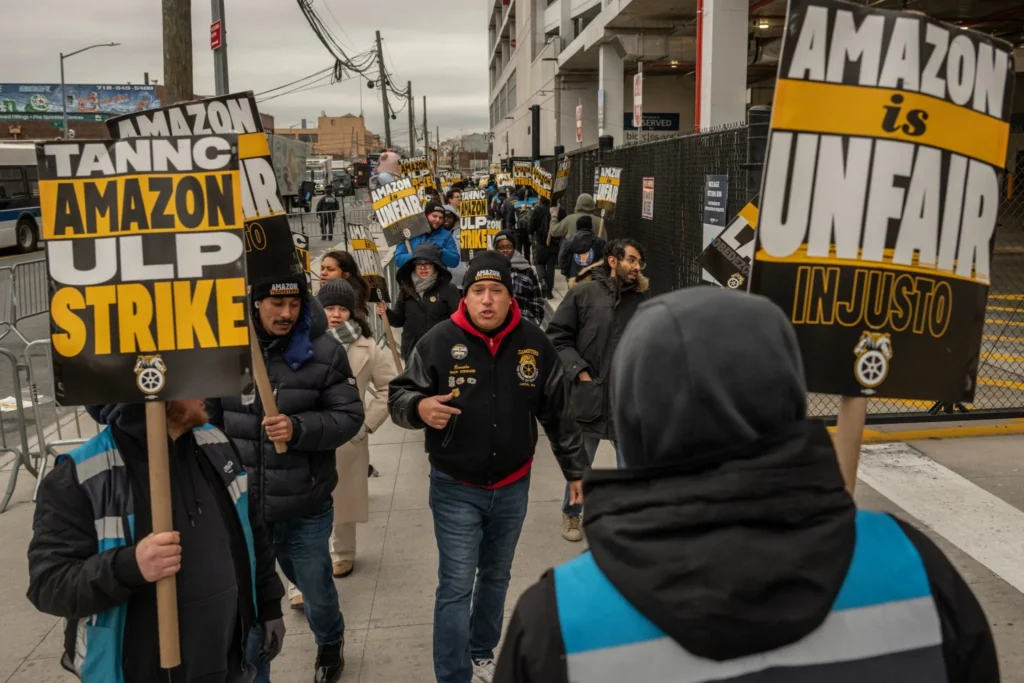
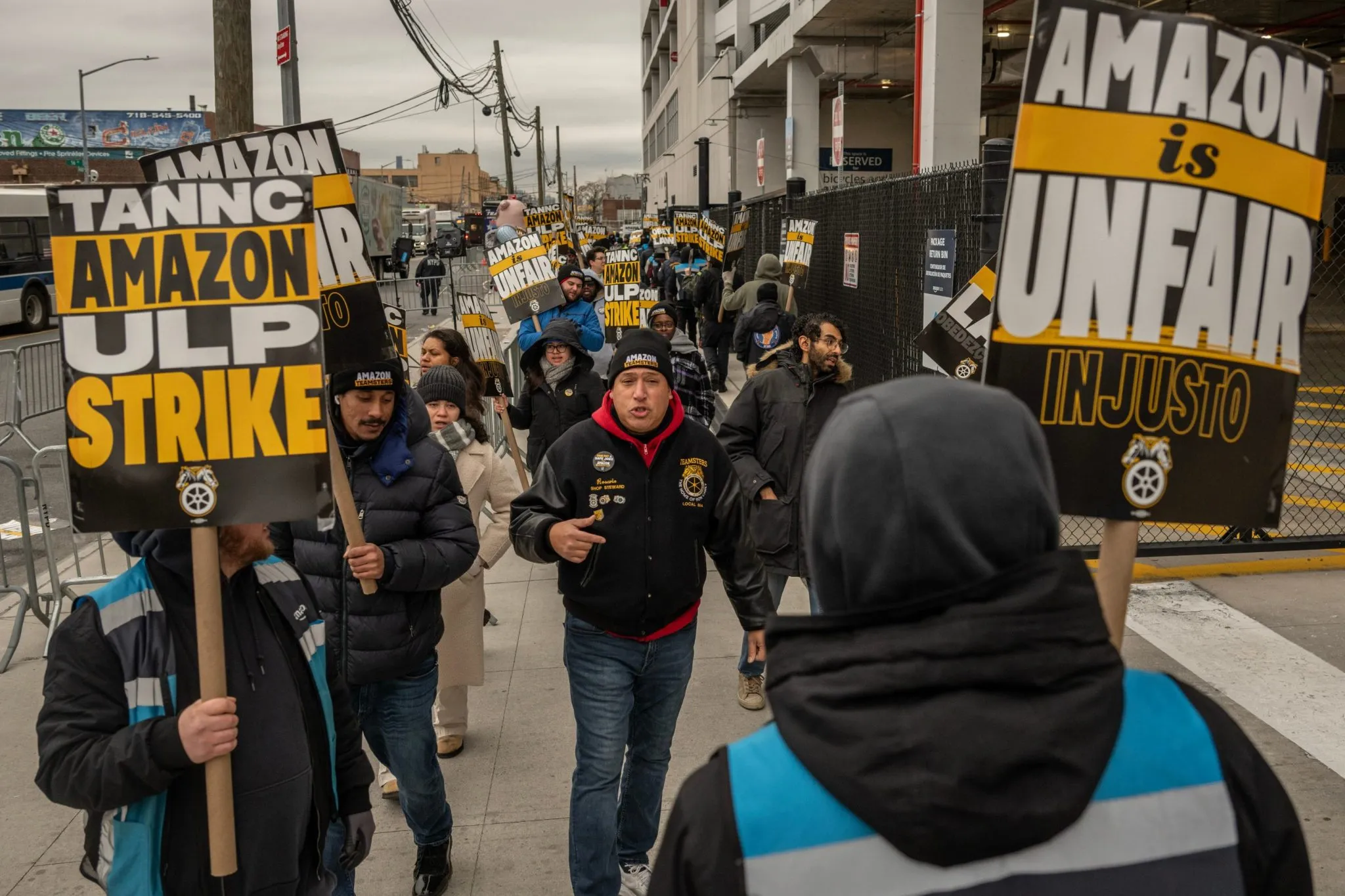
Among the most significant spenders in this anti-union campaign is e-commerce giant Amazon. According to the LaborLab study, Amazon reported spending a staggering $26 million on union consultants. The company’s payments to The Rayla Group, an anti-union consulting firm, exceeded $5 million in 2025, as detailed in its LM-10 union consultant expenditure report.

In response to these findings, an Amazon spokesperson asserted that the company has invested over $1 billion annually to enhance wages and reduce healthcare costs for its U.S. fulfillment and transportation employees. Sam Stephenson, an Amazon spokesperson, told Fortune, "External groups spent an extraordinary amount of time and money to spread misinformation—frequently and illegally lying to, or intimidating our teammates and partners." He added, "It’s important that our teammates and partners understand the truth, so we’ve continued to work with experts in the field who are able to share objective facts about what it actually means to have an external party take their voice." Stephenson maintained that when facts are understood, employees consistently prefer a direct relationship with their managers and reject misinformation.
The Path Forward: A Growing Movement
The certification of the App Drivers Union in Massachusetts is more than just a local victory; it is a potent symbol of a broader, growing labor movement. The increased union membership figures, coupled with the significant employer spending aimed at suppressing it, highlight the high stakes of this ongoing struggle for workers’ rights.
The implications of this union’s formation are far-reaching. It sets a precedent for gig workers in other states and industries, potentially inspiring similar organizing efforts. For rideshare drivers, it opens the door to negotiations that could fundamentally alter their working lives, leading to increased income stability, better access to healthcare and retirement benefits, and a stronger voice in the policies that govern their work.
The battle against pervasive employer opposition is far from over. However, the success in Massachusetts demonstrates that organized workers, even in historically challenging sectors, can achieve significant victories. As the labor movement continues its resurgence, the strategies and expenditures of employers to counter it will remain a critical area of focus, with the outcomes of these conflicts shaping the future of work for millions of Americans. The continued growth of unionization, despite formidable resistance, suggests a growing worker appetite for collective action and a renewed demand for fair treatment and equitable compensation in the modern economy.