
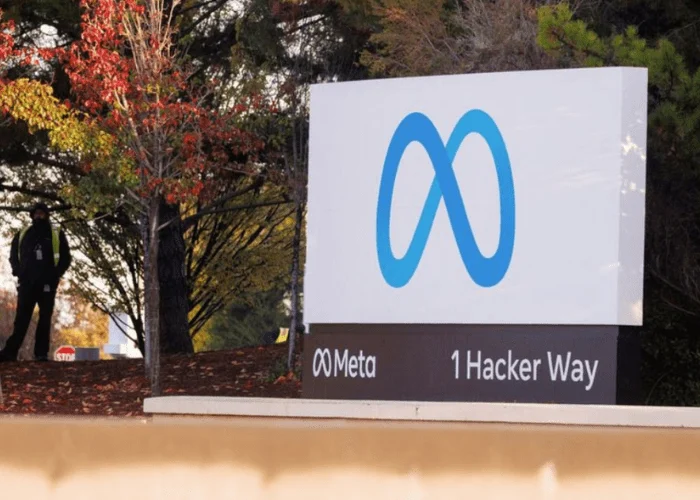
Employees at Meta are reportedly experiencing a profound and growing sense of uncertainty and declining morale as the technology giant prepares for yet another significant round of workforce reductions, according to a comprehensive report by WIRED. This internal anxiety is escalating across the company as workers confront a confluence of concerns ranging from job security and significant changes to compensation models, to the profound implications of Meta’s accelerated strategic pivot towards artificial intelligence. The impending cuts signal a continuation of a multi-year restructuring effort, casting a long shadow over the company’s vibrant, albeit increasingly volatile, corporate culture.
The Scale of Impending Reductions and Historical Context
The WIRED report indicates that Meta is poised to reduce its global workforce by nearly 10 percent, a measure expected to impact close to 8,000 employees. If implemented as anticipated, this latest wave of layoffs would dramatically swell the ranks of those affected by Meta’s efficiency drives, adding to the roughly 25,000 positions already eliminated over the past four years. These earlier reductions, which included significant culls in November 2022 and March 2023, were part of a broader, company-wide restructuring initiative dubbed the "Year of Efficiency" by CEO Mark Zuckerberg. This ongoing downsizing reflects a strategic shift away from the expansive growth seen during the pandemic-era tech boom and towards a more lean, focused operational model, particularly in light of substantial investments in the metaverse and the burgeoning field of generative AI.
A Chronology of Meta’s Restructuring and Strategic Shifts
Meta’s journey through significant workforce adjustments can be traced back to a period of unprecedented growth followed by a harsh market correction and a strategic reorientation:
- Pre-2022 Growth: Following the initial public offering in 2012, Meta (then Facebook) experienced a decade of rapid expansion, fueled by increasing advertising revenue and a dominant position in social media. The workforce grew substantially, peaking at over 87,000 employees by September 2022.
- October 2021: The Metaverse Pivot: Mark Zuckerberg announced the company’s rebranding to Meta Platforms and a significant, multi-billion dollar investment into building the metaverse, largely through its Reality Labs division. This strategic pivot, while visionary, began to weigh heavily on financial performance due to massive capital expenditure and slow returns.
- Early 2022: Economic Headwinds and Revenue Slowdown: The global economic downturn, rising interest rates, increased competition (particularly from TikTok), and Apple’s privacy changes (App Tracking Transparency) began to significantly impact Meta’s advertising revenue and profitability. The stock price experienced a dramatic decline.
- November 2022: The First Major Layoff: In a landmark decision, Meta announced the layoff of approximately 11,000 employees, representing about 13% of its workforce at the time. Mark Zuckerberg publicly acknowledged over-hiring during the pandemic surge and declared 2023 the "Year of Efficiency." This move marked a stark departure from the company’s previous growth-at-all-costs philosophy.
- March 2023: The Second Wave of Cuts: Meta unveiled plans for an additional 10,000 job cuts, primarily impacting non-engineering roles, further solidifying the "Year of Efficiency" mandate. This round also included a hiring freeze and a restructuring of management layers.
- Mid-2023: Continued Focus on AI: While still pursuing metaverse development, Meta increasingly emphasized its commitment to artificial intelligence, particularly in areas like large language models and generative AI, signaling a shift in investment priorities and talent allocation.
- Late 2023 – Early 2024: Lingering Uncertainty and Morale Decline: Despite a rebound in Meta’s stock price driven by strong financial performance and optimism around AI, internal reports and employee sentiment surveys began to indicate persistent anxiety and a dip in morale, exacerbated by ongoing restructuring rumors and compensation adjustments.
- Current Period: Impending 8,000 Job Cuts: The latest report detailing a potential 10% workforce reduction underscores the continued pressure on Meta to streamline operations and reallocate resources towards its strategic priorities, primarily AI.
Employee Sentiment: A Mix of Frustration, Uncertainty, and Strategic Calculation
The internal climate at Meta, as depicted by current and former employees cited in the WIRED report, is characterized by a pervasive sense of uncertainty and frustration. Several workers pointed to the looming layoffs as a primary source of anxiety, creating an environment where job security is no longer a given. Beyond the immediate threat of job loss, employees reportedly expressed a growing disconnect with the company’s broader mission. For years, Meta cultivated a culture of innovation and ambitious, often long-term, projects. However, the relentless pursuit of efficiency and the rapid shifts in strategic focus — from the metaverse to AI — appear to have fragmented this sense of collective purpose.
A particularly striking aspect of the report highlights the divergent views on the layoff process itself. While many naturally dread the prospect of redundancy, a subset of employees reportedly expressed a desire to be included in the cuts, primarily driven by the prospect of receiving severance benefits. This perspective underscores a cynical but pragmatic calculation: if one’s role is deemed expendable, receiving a severance package might be preferable to enduring a prolonged period of uncertainty in a rapidly changing environment. Conversely, employees directly involved in Meta’s burgeoning AI-related initiatives or those in highly compensated, critical roles reportedly felt a greater sense of insulation from the uncertainty surrounding the restructuring. This creates a two-tiered system of perceived job security, potentially exacerbating internal divisions.
The Compensation Conundrum: Performance vs. Pay
Adding to the complex web of employee concerns are significant changes in compensation structures. The report states that the stock-based component of annual raises has been reduced for a second consecutive year. This is a critical point for a tech company like Meta, where equity has historically formed a substantial portion of total compensation, often tying employee wealth directly to the company’s market performance. The reduction in this component, even as Meta’s stock has rebounded strongly in recent periods, sends a clear message about cost control and a shift in compensation philosophy.
Perhaps more startling is the revelation that median total compensation reportedly declined last year, despite the company delivering robust financial performance. For instance, Meta reported revenues of $134.90 billion in 2023, an increase of 16% year-over-year, and net income more than doubled to $39.09 billion. The company’s stock price also saw a dramatic resurgence, more than tripling from its late 2022 lows. This disconnect between strong corporate financial health and a reduction in median employee compensation creates a palpable sense of grievance and raises questions about equitable distribution of prosperity within the organization. Employees, especially those who have weathered the previous rounds of layoffs and increased workloads, might feel that their contributions are not being adequately rewarded, further eroding morale and loyalty.
The AI Imperative and Its Internal Ramifications
Meta’s intensified focus on artificial intelligence, while a strategic necessity for long-term growth, has introduced its own set of internal challenges. The company has made it clear that AI will be central to its future, not only in product development but also in internal operations. However, this pivot has not been without controversy. Concerns have reportedly emerged around technology deployed internally for AI-related initiatives. Specifically, some employees questioned software installed on company devices designed to monitor certain forms of activity as part of AI training efforts. This raises significant privacy implications and fuels a sense of surveillance within the workplace.
Meta has reportedly addressed these concerns by stating that stringent safeguards were implemented and that any collected information would be used only within the strict scope of the AI program. Nevertheless, the very existence of such monitoring software can contribute to a climate of distrust and discomfort, particularly in an environment already fraught with anxiety over job security. The tension between leveraging AI for efficiency and innovation, and safeguarding employee privacy and trust, represents a critical challenge for Meta’s leadership.
The Broader Landscape: Tech Layoffs and Industry Trends
Meta’s current situation is not isolated but rather emblematic of a broader trend within the technology sector. The post-pandemic correction, coupled with rising interest rates, inflationary pressures, and a recalibration of market expectations, has led to a wave of layoffs across major tech companies. Google, Amazon, Microsoft, Salesforce, and many others have announced significant workforce reductions over the past two years, signaling an end to the era of hyper-growth and lavish spending.
This industry-wide shift is driven by several factors:
- Over-hiring during the pandemic: Many companies rapidly expanded their workforces to meet surging demand for digital services, only to find themselves overstaffed when growth normalized.
- Economic uncertainty: A cautious economic outlook has prompted companies to prioritize profitability and efficiency over aggressive expansion.
- Strategic recalibration: Companies are reallocating resources towards high-growth areas like AI, often at the expense of other departments or legacy projects.
- Investor pressure: Shareholders are demanding greater financial discipline and clearer paths to profitability, leading to cost-cutting measures.
Meta’s decision to embrace "efficiency" and strategically pivot aligns with this industry trend, but the sheer scale and frequency of its layoffs underscore the unique pressures it faces, particularly given its massive investments in the metaverse which have yet to yield substantial returns.
Emerging Employee Advocacy: Unionization Efforts in the UK
The cumulative effect of layoffs, compensation changes, and privacy concerns has also sparked broader conversations around employee representation. According to the report, some workers in the UK are actively exploring unionization efforts. These discussions are reportedly centered around fundamental issues such as job security, the preservation of workplace benefits, and employee privacy concerns – all direct responses to the prevailing climate at Meta.
While unionization in the tech sector, particularly among white-collar workers, has historically been less common in the United States, there is a growing movement in Europe. Should these efforts gain traction in the UK, it could set a precedent for other regions and potentially influence Meta’s employee relations strategies globally. Unionization would provide employees with a collective bargaining voice, potentially leading to more structured negotiations around compensation, severance packages, working conditions, and privacy policies, thereby shifting the power dynamic within the company.
Official Responses and Corporate Messaging
While Meta has not issued a new official statement specifically on the latest WIRED report regarding impending 8,000 layoffs, the company’s public messaging over the past year has consistently emphasized efficiency, strategic focus, and investment in AI. CEO Mark Zuckerberg’s memos detailing the "Year of Efficiency" have underscored the need to operate more leanly to build a more resilient and innovative company.
Regarding the AI monitoring software, Meta has reportedly assured employees that safeguards are in place and that data collection is strictly limited to the scope of AI training programs. This stance aims to balance the need for cutting-edge AI development with commitments to employee privacy, though the effectiveness of such assurances in assuaging deep-seated concerns remains to be seen. The company’s strong financial performance in recent quarters is often cited by leadership as evidence that the "Year of Efficiency" and strategic pivots are yielding positive results, even as the internal human cost continues to mount.
Implications for Meta’s Future
The current turmoil at Meta carries significant implications for its long-term future:
- Talent Retention and Acquisition: A culture of persistent uncertainty and declining morale can make it challenging to retain top talent, especially in a competitive tech landscape. While Meta’s brand remains powerful, highly skilled engineers and product managers may seek more stable environments. Attracting new talent, particularly those not directly involved in AI, could also become harder.
- Innovation and Productivity: While efficiency drives aim to boost productivity, excessive stress and fear can stifle creativity and innovation. Employees preoccupied with job security may be less willing to take risks or contribute fully. The "Year of Efficiency" could inadvertently lead to a "Year of Exhaustion" for some.
- Corporate Culture: Meta’s once-vaunted "move fast and break things" culture is evolving into something more cautious and efficiency-driven. This shift, while necessary for financial health, risks eroding the unique aspects of its culture that once attracted talent.
- Competitive Edge: The strategic pivot to AI is critical for Meta to remain competitive against rivals like Google and OpenAI. However, if internal friction and morale issues persist, the execution of this strategy could be hampered.
- Investor Confidence: While investors have largely responded positively to Meta’s cost-cutting and AI focus, persistent negative reports on employee morale and potential unionization efforts could eventually impact investor perception of the company’s long-term stability and operational health.
In conclusion, Meta finds itself at a critical juncture. While financially robust and strategically focused on the future of AI, the human cost of its aggressive restructuring and efficiency drives is undeniable. The growing uncertainty, declining morale, compensation shifts, and emerging privacy concerns present a complex challenge for leadership. Balancing shareholder value with employee well-being and fostering a sustainable, innovative culture will be paramount as Meta navigates this transformative period. The resolution of these internal tensions will ultimately shape not only the company’s immediate operational success but also its enduring legacy as a global technology leader.








