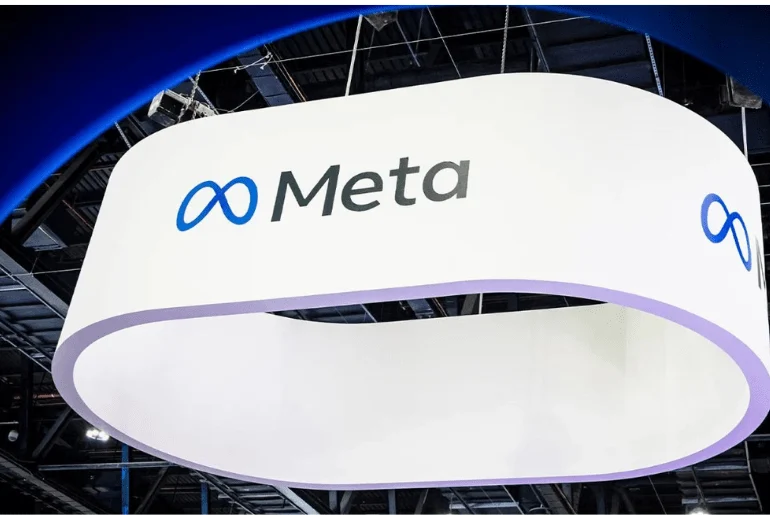
Meta has temporarily suspended its internal AI training programme, known as the Model Capability Initiative (MCI), following an incident that reportedly exposed sensitive employee information across the organisation, igniting fresh concerns around workplace data privacy, the ethics of AI-driven monitoring practices, and the delicate balance between technological innovation and employee trust. The decision to pause the ambitious programme underscores the significant challenges technology giants face as they increasingly leverage internal data to refine their artificial intelligence models, often blurring the lines between productivity enhancement and invasive surveillance.
The Incident Unfolds: A Closer Look at the Breach
The core of the issue stems from an alleged vulnerability within the MCI system that granted unauthorised access to a broad spectrum of employee-related information. Reports indicate that the exposed data included highly personal and sensitive details such as private conversations, individual performance metrics, and verbatim meeting transcriptions. The internal classification of this event as a Severity 2 (SEV 2) incident by Meta signifies a critical operational concern demanding immediate and decisive action. A SEV 2 designation typically implies a significant impact on operations or data integrity, requiring dedicated resources and a swift resolution to prevent wider ramifications. While not a complete system outage (a SEV 1), it represents a serious breach of protocol and potential data security, necessitating an urgent review and rectification.
Meta has officially acknowledged the incident, confirming its occurrence and the subsequent launch of a comprehensive investigation into the matter. In its initial statements, the company asserted that the programme had been meticulously designed with robust privacy safeguards embedded from its inception. Furthermore, Meta indicated that there was, at the time of the announcement, no definitive indication that employee data had been improperly accessed by malicious external actors or misused. Nevertheless, the gravity of the potential exposure prompted the company to take the precautionary measure of pausing the entire initiative while the internal review is thoroughly underway, demonstrating a recognition of the inherent risks and the need to address employee and regulatory concerns proactively.
The Model Capability Initiative: Purpose and Concerns
The Model Capability Initiative (MCI), introduced earlier this year, was conceived as a pivotal internal programme aimed at significantly enhancing the performance and accuracy of Meta’s advanced AI models. Its operational methodology involved the systematic analysis of various workplace interactions, capturing granular behavioural data such as keystrokes, mouse movements, and potentially other digital activities. The overarching goal was to feed this rich, real-world interaction data into Meta’s AI algorithms, allowing them to learn from authentic human patterns and improve their predictive capabilities, language understanding, and overall responsiveness. This initiative was seen as a strategic move to solidify Meta’s position in the highly competitive AI landscape, particularly in the development of sophisticated large language models and AI assistants integral to its metaverse vision.
However, the programme was met with considerable apprehension among staff from its very outset. A critical point of contention was the reportedly mandatory nature of participation for a vast majority of Meta employees. This compulsory involvement immediately triggered widespread concerns about the extent of workplace monitoring and the comprehensive collection of sensitive behavioural data without explicit, individual consent that could be freely withdrawn. Employees expressed unease over the potential for such extensive data collection to be used for performance evaluations, surveillance, or even unintended profiling, fostering an environment of distrust rather than collaboration. The sheer scope of data points being collected, from the rhythm of typing to the navigation of digital interfaces, raised questions about the proportionality and necessity of such intrusive monitoring for the stated goal of AI improvement.
A Chronology of Events and Rising Tensions
The timeline leading to the suspension of the MCI programme highlights a swift escalation of concerns.
- Early 2024: Meta officially launches the Model Capability Initiative (MCI) across its workforce. The programme is introduced as a mandatory participation requirement for most employees, aiming to collect internal workplace interaction data to train and improve Meta’s AI models.
- Spring/Summer 2024: Internal discussions and reports emerge among Meta employees, expressing growing discomfort and frustration regarding the mandatory nature of the MCI. Concerns are voiced about the intrusive nature of data collection, including keystrokes, mouse movements, and access to private communications and performance data, alongside perceived inadequate privacy safeguards.
- Recent Weeks: An internal incident is detected, revealing that sensitive employee information, including private conversations, performance data, and meeting transcriptions, was inadvertently exposed or accessible across the organisation via the MCI system.
- Incident Detection & Classification: Meta’s internal security protocols identify the exposure. The incident is subsequently classified as a Severity 2 (SEV 2) event, signalling a significant operational concern requiring immediate and dedicated attention from the company’s technical and security teams.
- Immediate Response & Suspension: Following the SEV 2 classification and the confirmation of data exposure, Meta makes the decision to temporarily suspend the entire Model Capability Initiative. This action is taken as a precautionary measure to prevent further potential data access issues and allow for a thorough investigation.
- Official Confirmation: Meta publicly confirms the incident and the suspension of the MCI, reiterating its commitment to employee privacy and promising a comprehensive internal investigation to ascertain the root cause and full extent of the data exposure. The company initially states that there is no indication of improper data access by unauthorised parties.
Meta’s Response and Ongoing Investigation
In the immediate aftermath, Meta’s official statements have sought to reassure its workforce and the public, emphasising the company’s commitment to employee privacy. The company reiterated that the MCI was designed with privacy safeguards built into its architecture, suggesting that the exposure was an unintended consequence rather than a systemic flaw in its foundational privacy principles. The current investigation is multifaceted, aiming to identify precisely how the exposure occurred, what specific data was affected, who might have had access, and how to prevent similar incidents in the future. This internal review is expected to scrutinise the technical implementation of the MCI, its access controls, data anonymisation processes (if any), and the overall governance framework surrounding the programme. The temporary pause is framed as a responsible step to ensure that any vulnerabilities are fully understood and mitigated before the programme potentially resumes, if at all.
Broader Context: The Ascent of AI in Workplace Monitoring
This incident at Meta is not an isolated event but rather a stark illustration of a rapidly accelerating global trend: the integration of Artificial Intelligence into workplace monitoring and management. Businesses across various sectors are increasingly deploying AI-powered tools to enhance productivity, optimise workflows, and gain insights into employee behaviour. Market research firms estimate that the global market for employee monitoring software, heavily influenced by AI integration, is projected to grow significantly, potentially reaching billions of dollars in the coming years. Companies are attracted to the promise of AI for identifying inefficiencies, automating routine tasks, and even predicting employee churn.
However, this technological advancement comes with substantial ethical baggage. The use of AI to track keystrokes, mouse movements, communication patterns, and even sentiment analysis raises profound questions about employee autonomy, privacy rights, and the nature of the employer-employee relationship. While proponents argue that such monitoring can improve security and productivity, critics contend that it fosters a culture of distrust, stifles creativity, and can lead to undue pressure on employees. The incident at Meta serves as a critical reminder that while AI offers immense potential for innovation, its application in sensitive areas like human resources demands extreme caution, transparency, and robust ethical frameworks. Without these, the promise of AI risks being overshadowed by profound privacy breaches and an erosion of fundamental workplace rights.
Employee Trust and Data Privacy: A Critical Balance
The latest development has intensified scrutiny of the MCI and, by extension, Meta’s broader approach to employee data. Reports from within Meta suggest widespread frustration among staff, particularly regarding the perceived lack of robust access controls implemented from the outset. This sentiment is amplified by the sensitive nature of the information involved, ranging from private chats to performance evaluations, which are inherently personal and could have significant professional repercussions if mishandled or misused. The mandatory participation aspect further exacerbated these concerns, leaving employees feeling they had little choice but to submit to pervasive monitoring.
This incident highlights the growing challenge companies face in striking a delicate balance between fostering AI innovation and maintaining employee trust and data protection. Trust is a fragile commodity, hard-won and easily lost. When employees perceive that their privacy is being compromised or that their data is not adequately secured, morale can plummet, leading to decreased engagement, increased turnover, and a damaged corporate culture. Global surveys on workplace surveillance consistently reveal that a significant percentage of employees express discomfort with extensive monitoring, fearing its potential for misuse, bias, and the creation of overly scrutinised work environments. For Meta, a company already under intense public and regulatory scrutiny regarding data privacy, this internal incident could have significant long-term implications for its ability to attract and retain top talent, particularly those wary of pervasive surveillance.
Regulatory Landscape and Legal Implications
The exposure of sensitive employee data immediately draws attention to the increasingly stringent global regulatory landscape governing data privacy. Laws such as the General Data Protection Regulation (GDPR) in Europe, the California Consumer Privacy Act (CCPA) in the United States, and similar frameworks worldwide impose strict requirements on how organisations collect, process, and store personal data. These regulations often mandate principles of data minimisation, purpose limitation, transparency, and, crucially, explicit consent, especially for sensitive categories of data.
In the context of the Meta incident, regulatory bodies in jurisdictions where Meta operates, such as the Irish Data Protection Commission (DPC) which is Meta’s lead regulator in the EU, or the UK’s Information Commissioner’s Office (ICO), could potentially launch their own investigations. Key questions would revolve around whether Meta adequately informed employees about the full scope of data collection, whether genuine consent was obtained (especially for mandatory programmes), the robustness of its data security measures, and the proportionality of data collection for the stated AI training purpose. Non-compliance with these regulations can result in substantial fines, reputational damage, and legal challenges. This incident serves as a critical case study for how employee data used in AI training programmes must adhere to the highest standards of privacy governance, moving beyond mere compliance to embrace an ethical-by-design approach.
Expert and Advocacy Perspectives
Privacy advocates and labour rights organisations are expected to voice strong concerns following this incident. Experts in digital ethics and data governance are likely to reiterate calls for greater transparency from companies regarding their AI-driven monitoring practices. They would advocate for clear, easily understandable policies on data collection, usage, and retention, along with robust mechanisms for employees to access, rectify, or delete their personal data. Furthermore, these groups would likely push for stronger legal protections for employees, possibly advocating for legislation that specifically addresses AI in the workplace, ensuring that innovation does not come at the expense of fundamental human rights.
HR and organisational behaviour experts might highlight the profound impact on psychological safety and the employer-employee social contract. They could argue that such incidents erode the foundation of trust essential for a productive and engaged workforce. The emphasis will shift towards implementing AI solutions that augment human capabilities and foster collaboration, rather than those perceived as intrusive or surveillance-oriented. The consensus among these experts would be that genuine employee buy-in, achieved through transparency, clear communication, and demonstrable respect for privacy, is paramount for the successful and ethical deployment of any AI initiative within an organisation.
The Path Forward: Rebuilding Trust and Redefining AI Ethics
For Meta, the immediate priority is to conclude its investigation swiftly and transparently, communicating its findings clearly to employees and, where appropriate, to external stakeholders. Rebuilding trust will require more than just technical fixes; it will necessitate a fundamental re-evaluation of its approach to employee data, AI development, and internal communication. This might involve revising policies on mandatory participation, enhancing anonymisation techniques, implementing stricter access controls, and potentially offering employees more control over their data within internal AI programmes.
More broadly, this incident underscores a critical juncture for the entire technology industry and, indeed, all organisations accelerating AI adoption. It serves as a potent reminder that the pursuit of AI innovation must be inextricably linked with robust ethical considerations, stringent data protection protocols, and a deep respect for individual privacy. Workplace surveillance, employee consent, and comprehensive privacy governance are rapidly emerging as not just technical or legal issues, but fundamental HR and organisational challenges that will define the future of work. Companies that navigate these complexities with integrity and foresight will be better positioned to harness the transformative power of AI while fostering a trusted and thriving work environment. The Meta incident is a powerful lesson in the imperative of balancing technological ambition with human values.