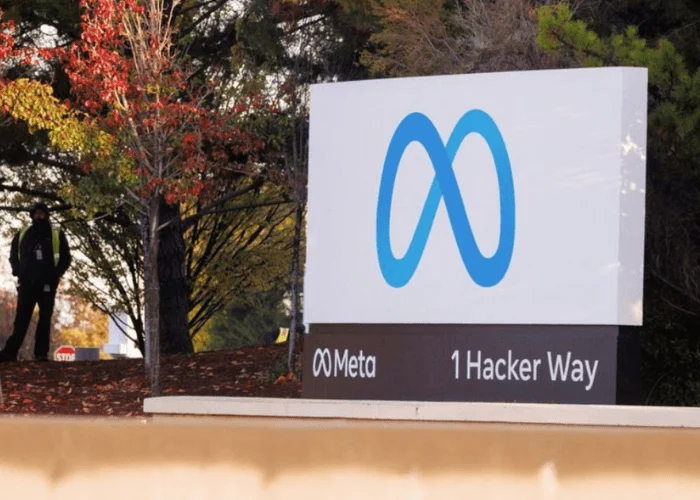
Meta, the global technology conglomerate, has implemented a new employee-monitoring system, the Model Capability Initiative (MCI), across its United States workforce, a move that has ignited significant internal dissent and raised broader questions about workplace privacy and the evolving role of artificial intelligence. This sophisticated tool is designed to meticulously track various employee activities on company-issued laptops, including keystrokes, mouse movements, clicks, and screen activity within selected work applications. The introduction of MCI comes at a pivotal and tumultuous time for Meta, marked by sweeping workforce reductions and an aggressive strategic pivot towards becoming a leader in artificial intelligence.
The rollout was accompanied by an unequivocal directive from Meta’s leadership: employees utilizing company-issued devices are not permitted to opt out of the system. This firm stance immediately reverberated through internal communication channels, where discussion threads quickly filled with expressions of concern, confusion, and palpable frustration from a substantial segment of the staff. The mandatory nature of the tracking system, coupled with its granular data collection capabilities, has fostered an environment of unease among employees who perceive it as an unprecedented intrusion into their digital workspaces.
The Model Capability Initiative (MCI) and Meta’s AI Vision
At its core, the Model Capability Initiative is presented by Meta as an integral component of its ambitious, company-wide push into artificial intelligence. The stated primary objective of MCI is to harness real-world workplace interactions and data to train Meta’s burgeoning AI systems. This vast trove of observational data is intended to refine machine learning models, enabling them to comprehend and replicate routine digital tasks that humans typically perform without conscious effort. This includes understanding navigation patterns within software interfaces, recognizing the application of keyboard shortcuts, and grasping the nuances of everyday digital workflows. The long-term vision is to create AI tools that can seamlessly assist employees, automate mundane processes, and potentially enhance overall productivity by learning from human-computer interaction patterns.
Meta has provided specific clarifications regarding the scope of MCI’s monitoring. The company asserts that tracking is strictly confined to approved work platforms, encompassing essential tools such as email clients, internal chat applications, coding software environments, and Meta’s proprietary AI systems. Crucially, the company has explicitly stated that the data collected through MCI will not be utilized for performance reviews or individual employee evaluations. Furthermore, Meta claims to have implemented robust safeguards designed to protect sensitive information, emphasizing that monitoring is exclusively applied to company-owned work devices and does not extend to personal phones or other private hardware. These assurances are intended to mitigate privacy concerns and reinforce the idea that the system’s purpose is purely for AI development rather than punitive oversight.
A Broader Context: Meta’s "Year of Efficiency" and Workforce Restructuring
The timing of MCI’s introduction has significantly amplified employee unease, as it coincides with a period of profound restructuring and significant workforce reductions at Meta. The company has been undergoing what CEO Mark Zuckerberg famously dubbed the "Year of Efficiency," a strategic initiative launched in late 2022 to streamline operations, cut costs, and reallocate resources towards Meta’s most critical priorities, primarily AI and the metaverse.
This "Year of Efficiency" has translated into multiple, large-scale layoff events that have deeply impacted Meta’s global workforce. The first major wave occurred in November 2022, affecting approximately 11,000 employees, or about 13% of its staff at the time. This was followed by further significant cuts in March and April 2023, impacting another 10,000 employees. A final round in May 2023 completed the planned reductions, bringing the total number of affected employees to over 21,000 within a span of less than a year. These unprecedented layoffs have created a climate of uncertainty and anxiety across the organization, with many employees fearing for their job security.
Simultaneously, Meta has been aggressively increasing its investments in artificial intelligence, viewing it as the next frontier for technological innovation and growth. Billions of dollars are being poured into AI research and development, including the acquisition of top AI talent, the expansion of computational infrastructure, and the establishment of new AI-focused initiatives. Teams across the company are being reorganized, consolidated, and reoriented around these AI priorities, leading to internal shifts that have further contributed to a sense of flux. In this highly charged atmosphere, the introduction of a pervasive employee tracking tool is being interpreted by many staff members as another tangible step in this sweeping corporate transformation, raising questions about its true intent amidst the efficiency drive.
Employee Reactions: A Crisis of Trust and Privacy
The internal reaction to MCI has been swift and largely negative, with many employees voicing concerns that extend far beyond a mere policy adjustment. The primary anxieties revolve around fundamental issues of privacy, trust, and the profound implications for the overall workplace experience.
- Erosion of Privacy: The granular level of data collection—tracking keystrokes, mouse movements, and screen activity—is perceived by many as an invasion of privacy, even within the confines of a work device. Employees worry about the constant surveillance, the potential for misinterpretation of data, and the psychological burden of feeling perpetually monitored. While Meta states tracking is limited to work apps, the line between "work" and "personal" on a company laptop can often blur, especially in hybrid or remote work settings where the device is used in a personal environment.
- Breach of Trust: Despite Meta’s assurances that MCI data will not be used for performance reviews, a significant segment of the workforce remains skeptical. The historical precedent of companies collecting data for one stated purpose and later expanding its use, combined with the current climate of layoffs, has eroded trust in leadership’s promises. Many employees fear that even if data isn’t directly used for reviews, it could subtly influence management perceptions, create metrics that contribute to a "stack ranking" culture, or even be leveraged in future layoff decisions, regardless of official statements.
- Impact on Autonomy and Well-being: The knowledge of being constantly monitored can have a detrimental effect on employee autonomy, creativity, and overall well-being. It can foster an environment of fear, discourage experimentation, and lead to increased stress and burnout. The feeling of being constantly watched can diminish a sense of ownership over one’s work and transform the professional environment into one of algorithmic oversight.
- "Always-On" Culture: For a company that heavily promotes flexible work arrangements, including remote and hybrid options, the MCI system inadvertently pushes towards an "always-on" culture, where inactivity might be mistakenly flagged as non-productivity, even during legitimate breaks or deep thinking periods.
The Expanding Landscape of Employee Monitoring
Meta’s implementation of MCI is not an isolated incident but rather indicative of a broader, rapidly accelerating trend in corporate America and globally. The COVID-19 pandemic, which necessitated a rapid and widespread shift to remote and hybrid work models, served as a significant catalyst for the adoption of employee monitoring technologies. As companies grappled with maintaining productivity, accountability, and team cohesion in distributed environments, the market for "bossware" or "tattleware" exploded.
According to various industry reports, the global employee monitoring software market was valued at approximately $1.6 billion in 2022 and is projected to grow significantly, reaching upwards of $5 billion by 2030. A 2021 study by ExpressVPN found that 78% of employers now use some form of monitoring software, with nearly 60% reporting an increase in such surveillance since the pandemic began. These tools range from basic time-tracking applications and email content scanners to advanced biometric systems and sophisticated activity trackers mirroring MCI. While some companies focus on broad metrics like active vs. idle time, others delve into more invasive practices, including keystroke logging, screen recording, webcam monitoring, and even GPS tracking for mobile employees.
The justification often cited by companies for deploying these tools includes boosting productivity, enhancing data security, ensuring compliance with regulations, and fostering accountability. However, critics argue that such pervasive monitoring often backfires, leading to decreased morale, increased turnover, and a stifling of innovation, as employees feel distrusted and micromanaged.
Ethical and Legal Implications: A Tightrope Walk
The deployment of MCI by Meta raises a complex web of ethical and legal considerations that extend beyond internal employee relations.
- Data Protection and Privacy Laws: While Meta’s US workforce is the immediate target, the principles of data protection are globally relevant. Laws like Europe’s General Data Protection Regulation (GDPR) set stringent standards for data collection, processing, and consent, even for employee data. While US federal law offers limited protections for employee privacy, various states (e.g., California with CCPA/CPRA) are enacting more robust privacy legislation that could eventually influence how employee data is handled. The "cannot opt-out" clause, for instance, could be scrutinized under stricter privacy regimes that emphasize genuine consent.
- Transparency and Consent: Meta’s communication about MCI highlights its efforts to be transparent about what data is collected and for what purpose. However, the mandatory nature of the system undermines the concept of informed consent, which is a cornerstone of ethical data practices. Employees are essentially faced with a choice: accept the monitoring or potentially seek employment elsewhere, which, particularly in a period of economic uncertainty and layoffs, is not a genuine choice for many.
- The "Performance Review" Loophole: While Meta states the data won’t be used for performance reviews, the subtle influence of such data on managerial perception or its potential use in future, unforeseen contexts remains a significant concern for privacy advocates. Data collected today for AI training could, in theory, be repurposed tomorrow for performance metrics if policies change or if the company finds a perceived need.
- Workplace Culture and Trust: Beyond legal compliance, the ethical implications for workplace culture are profound. A company that relies on pervasive surveillance risks cultivating an environment of distrust, suspicion, and fear. This can stifle creativity, reduce collaboration, and ultimately harm long-term productivity and innovation, which often thrive in environments built on mutual respect and psychological safety.
Expert and Advocate Perspectives
Digital rights organizations and workplace ethicists have consistently voiced strong opposition to intrusive employee monitoring. The Electronic Frontier Foundation (EFF), for example, has long warned against the dangers of "bossware," arguing that such tools are "privacy-invasive, discriminatory, and often ineffective." They emphasize that surveillance can lead to increased stress, decreased job satisfaction, and a chilling effect on legitimate employee activities.
Workplace experts often highlight that genuine productivity and innovation stem from trust, autonomy, and a supportive work environment, not from constant oversight. They argue that management efforts should focus on clear goal setting, effective communication, and providing necessary resources, rather than resorting to surveillance. The use of AI to train other AI systems using human interaction data also raises ethical questions about data provenance, bias propagation, and the potential for algorithmic discrimination if the training data reflects existing human biases.
The Future of Work and Algorithmic Management
Meta’s MCI system represents a significant step towards a future where AI plays an increasingly prominent role not just as a tool, but as an implicit manager or overseer of human work. This trend, often referred to as "algorithmic management," involves using data and AI to direct, evaluate, and even discipline employees. While proponents argue it can optimize efficiency and fairness, critics warn of its potential to dehumanize work, reduce worker agency, and create an opaque system where employees are judged by algorithms they cannot understand or challenge.
The tension between maximizing efficiency and protecting employee rights will likely define the future of work in the digital age. As companies like Meta continue to push the boundaries of AI integration and data collection, the dialogue around workplace privacy, trust, and the ethical use of technology will only intensify. The outcome of these internal and external debates will not only shape Meta’s future but also set precedents for how technology companies balance innovation with the fundamental rights and well-being of their most valuable asset: their people.