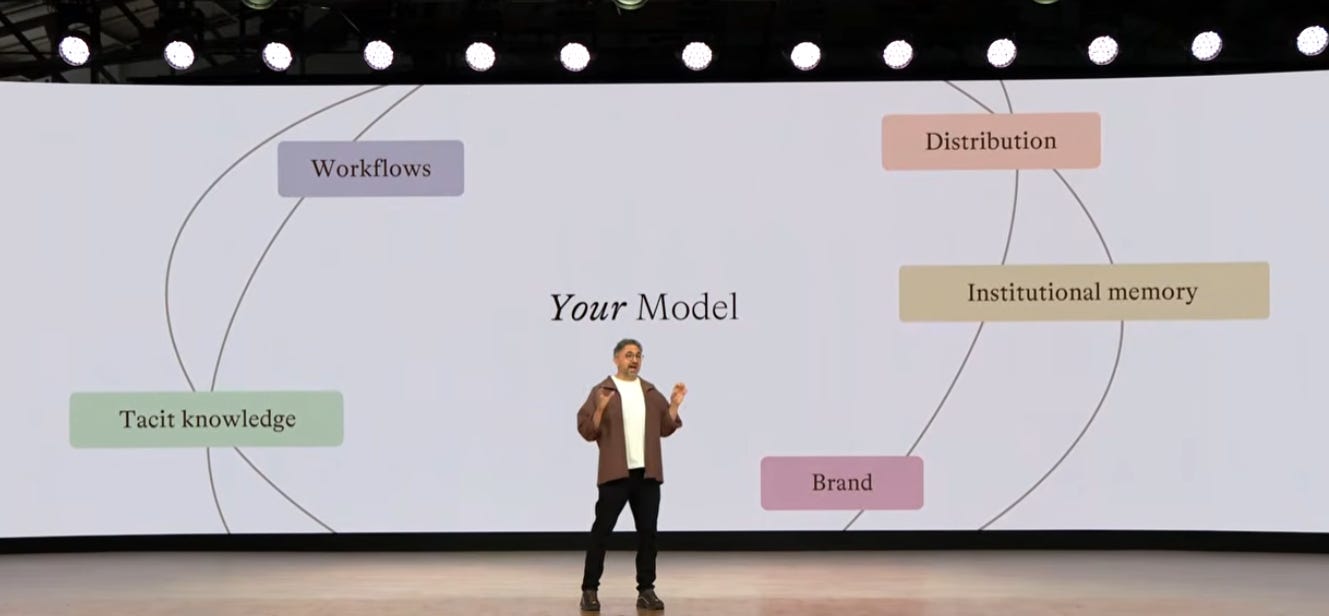
The future of enterprise artificial intelligence is not about standalone systems or applications, but about intelligent agents that learn, adapt, and fundamentally become an extension of a company’s operational DNA. This disruptive shift, highlighted by recent advancements from Microsoft, signifies a move from generic AI solutions to deeply personalized, company-specific intelligent partners. These AI agents, such as Microsoft Copilot, are evolving beyond mere tools to become integral components of an organization’s knowledge base and operational strategy, capable of internalizing and replicating a company’s unique "tacit knowledge"—its unwritten policies, historical experiences, cultural nuances, and established best practices.
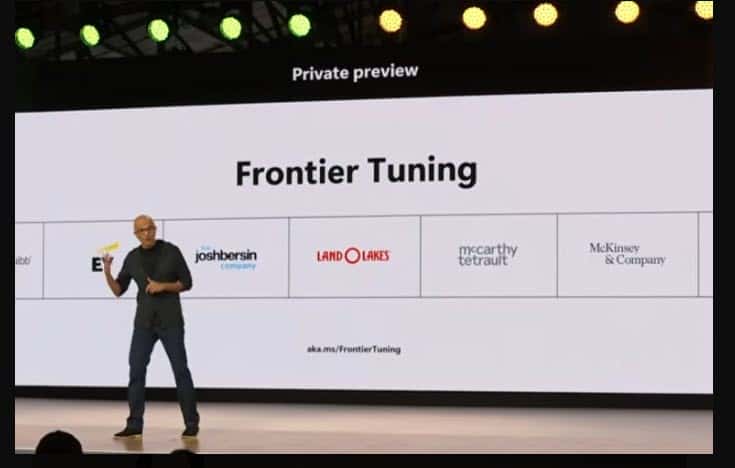
This evolution was prominently showcased at the recent Microsoft Build 2026 conference in San Francisco, where the company unveiled significant updates and new capabilities for its AI offerings. The core of this transformation lies in the concept of "Frontier Tuning," a method that allows organizations to fine-tune AI models with their proprietary data, effectively teaching AI to operate precisely as the company does.
The Rise of Personalized AI Agents
Traditionally, enterprise software has been categorized as systems or applications that users interact with. However, the advent of AI Agents and Superagents, as outlined in architectures like Josh Bersin’s HR 2030, represents a paradigm shift. These are not static programs but dynamic entities that grow and evolve. An AI agent tasked with recruitment, for instance, will become progressively more adept at understanding a specific company’s hiring criteria, cultural fit requirements, and internal talent pipelines over time. This continuous learning process is crucial for unlocking an organization’s competitive advantage, much of which resides in its implicit knowledge—its unique way of doing business, risk management protocols, and ingrained cultural behaviors.
Microsoft’s integration of its Galileo intelligence into MS Copilot exemplifies this trend. By "ingesting and retraining" on proprietary intellectual property, the system demonstrated an unprecedented level of utility and trustworthiness during testing by the Microsoft HR team. The AI’s ability to cite knowledgeable sources for its responses significantly enhanced its credibility, positioning the Microsoft Copilot as a world-class HR business partner and consultant.
Frontier Tuning: Empowering Customization
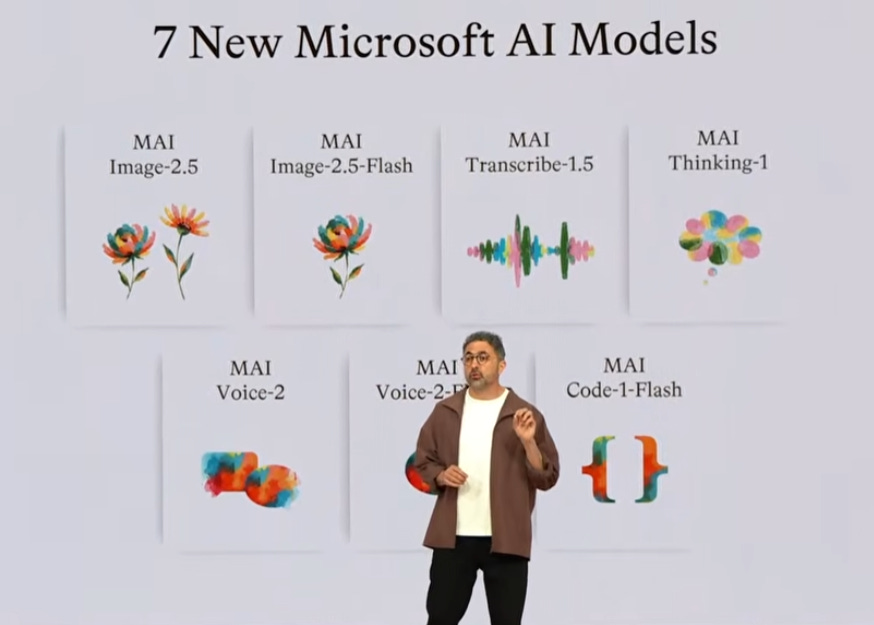
Microsoft is now productizing this capability, allowing organizations to "fine-tune" their Copilots. This means that IT or HR departments can directly input company-specific information—policies, hiring guides, compensation structures, onboarding materials, and more—into the system. This data is then "institutionalized," becoming deeply embedded within the AI’s operational framework. This approach moves beyond simple Retrieval-Augmented Generation (RAG) implementations, which primarily retrieve information without fundamentally retraining the system. Frontier Tuning, in contrast, enables the AI to learn and adapt from this company-specific data.
A key differentiator highlighted at Build 2026 is Microsoft’s "Reinforcement Learning Environment." This feature allows the AI agent to learn autonomously from real-world user feedback. Unlike static training, this dynamic feedback loop enables the agent to continuously update itself, mirroring human learning processes. This was powerfully demonstrated by an internal Microsoft agent used for crisis management. When faced with evolving global events like the war in Ukraine and subsequent conflicts, the agent was able to learn and adapt to new policy requirements concerning employee safety, communication disruptions, and relocation needs, all through this reinforcement learning mechanism.
Microsoft’s New Frontier Models
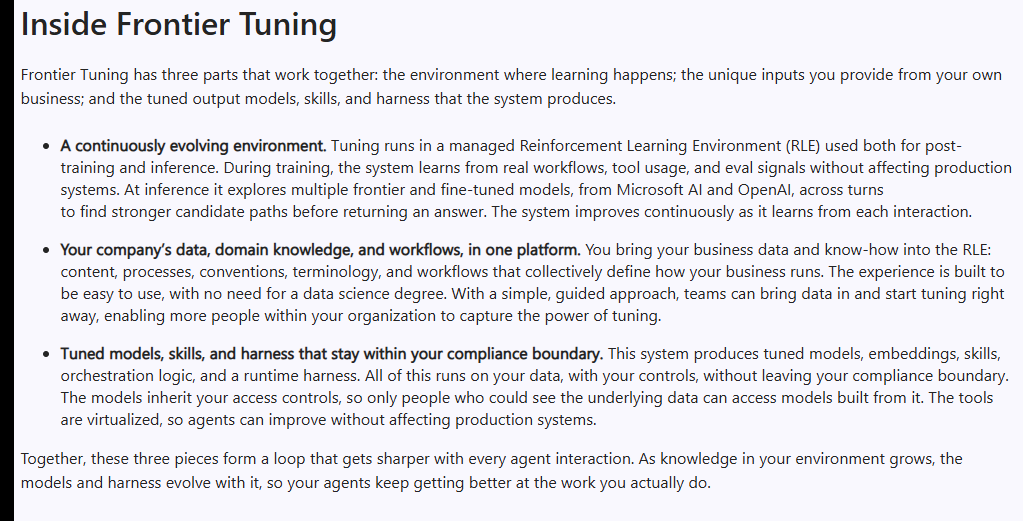
Beyond the fine-tuning capabilities, Microsoft is also making significant strides in developing its own proprietary AI models. At Build 2026, Mustafa Suleyman announced the launch of seven new Microsoft AI (MAI) models, specifically optimized for various business use cases. This move signals Microsoft’s strategic intent to compete directly with leading AI providers like Anthropic and OpenAI.
Historically, Microsoft’s development of cutting-edge AI models was constrained by its partnership agreements. However, with these new releases, Microsoft is positioning itself to offer a suite of clean, cost-effective, and licensed AI models. This not only enhances the value proposition of MS Copilot as an open "harness" for diverse AI capabilities but also addresses concerns about data privacy and intellectual property.
Addressing Data Privacy and IP Concerns
A significant advantage of Microsoft’s new approach is its emphasis on data privacy and intellectual property protection. Unlike some existing AI services where user data might be used to train public models, Microsoft’s new models are designed to keep company IP secure. As Satya Nadella, Microsoft’s CEO, has emphasized, the true value of an AI model lies in its customization and uniqueness to a company, not in its widespread, undifferentiated availability.
Mustafa Suleyman articulated this clearly, stating that the goal is to "reduce and ultimately eliminate" the cost associated with relying on third-party AI models. He also highlighted the critical distinction regarding intellectual property: "These models do not share your IP with other customers." This contrasts with services where, unless specific learning opt-outs are actively selected, user interactions could potentially be leveraged by the AI provider for their broader model development. For enterprises, particularly those in sensitive sectors like healthcare and finance, this commitment to IP protection is paramount.
The development of a "New Frontier Model for Healthcare" in collaboration with institutions like the Mayo Clinic exemplifies this specialized approach. This model aims to integrate deep clinical practices and insights, offering a tailored AI solution for healthcare professionals. Similarly, Land-O-Lakes utilized Frontier Tuning to customize Microsoft’s MAI-Thinking-1 model for its butter formulation processes. By feeding the AI thousands of internal documents, Teams messages, and Outlook emails, Land-O-Lakes achieved a customized version that was not only more accurate but also ten times more cost-efficient than existing leading models, according to Microsoft senior product manager Tanaya Yadav.
Implications for Enterprise AI Strategy
The advancements showcased by Microsoft at Build 2026 have profound implications for the future of enterprise AI adoption.
Deepening Customization and Operational Alignment
The ability to fine-tune AI models with proprietary data means that AI will no longer be a generic add-on but a true reflection of an organization’s unique operational methods and culture. This allows for AI agents that can perform tasks with a level of understanding and nuance previously only achievable by human employees with deep institutional knowledge.
Enhanced Data Security and IP Protection
Microsoft’s commitment to developing proprietary models and offering robust fine-tuning capabilities addresses a critical concern for enterprises: data security and intellectual property. The ability to train AI without inadvertently sharing sensitive company data with third parties is a significant differentiator.
Cost Efficiency and Performance Gains
By developing its own optimized models and enabling cost-effective fine-tuning, Microsoft is poised to offer AI solutions that are not only powerful but also economically viable. The Land-O-Lakes case study, showing a tenfold cost reduction compared to existing solutions, is a compelling indicator of this trend.
The "Harness" Model for AI Integration
Microsoft’s Copilot is evolving into an AI "harness"—a platform capable of hosting and orchestrating various AI models, including those from OpenAI, Anthropic, Microsoft’s own MAI suite, and importantly, custom-tuned models. This flexibility allows organizations to select the best AI model for specific tasks, such as R&D teams leveraging fine-tuned models with confidential data.
Autonomous Learning and Continuous Improvement
The integration of reinforcement learning into AI agents promises a future where AI systems continuously improve and adapt without constant manual intervention. This autonomous learning capability ensures that AI remains relevant and effective in rapidly changing business environments.
The strategic direction Microsoft is charting with its Frontier Tuning and new MAI models represents a significant leap forward in making AI a deeply integrated, secure, and adaptable asset for businesses. With a clear focus on personalization, data integrity, and continuous improvement, Microsoft appears well-positioned to lead in the rapidly evolving enterprise AI landscape. The potential for AI agents to truly "become your company" is no longer a distant vision but an imminent reality being shaped by these technological advancements.