
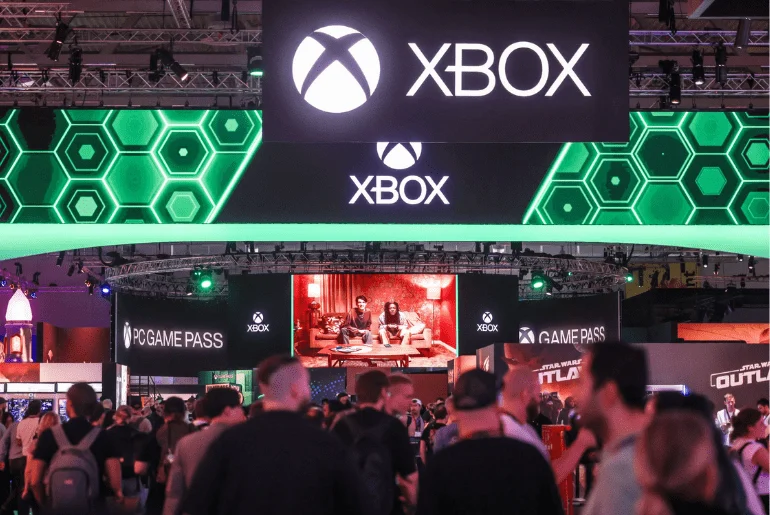
The strategic realignment within Microsoft’s gaming business has initiated a significant recalibration of its external partner network, with public relations agency Assembly reportedly undertaking workforce reductions following substantial cuts to its Xbox-related vendor contracts. This development underscores a broader trend wherein major corporate restructurings, often driven by a mandate for increased efficiency and profitability, extend their economic impact far beyond a company’s direct employee roster, creating a ripple effect across its intricate ecosystem of service providers and contractors. Reports indicate that Microsoft has commenced scaling back agreements with various vendors supporting its expansive gaming division. This proactive measure precedes an anticipated series of internal workforce adjustments within Xbox, signaling a comprehensive approach to cost optimization that encompasses both internal operations and external expenditures.
Assembly, a prominent public relations firm, is understood to have been significantly impacted, with Microsoft reportedly constituting its largest client. The agency, which specializes in crucial services such as public relations strategy, media planning, market research, and brand communications, is said to have initiated layoffs in response to the diminished scope of its Xbox-related business. As is common in such sensitive corporate transitions, neither Microsoft nor Assembly has issued an official statement or confirmation regarding the reported workforce reductions. This silence, however, does not diminish the implications for the affected employees and the wider vendor community.
The Strategic Imperative: Contextualizing Xbox’s Restructuring
Microsoft’s gaming division, Xbox, has been a cornerstone of the company’s ambitious expansion into the entertainment sector, characterized by colossal investments and strategic acquisitions. The most significant of these was the monumental $69 billion acquisition of Activision Blizzard, finalized in October 2023 after a protracted regulatory battle. This acquisition, while dramatically expanding Microsoft’s gaming portfolio with iconic franchises like Call of Duty, Warcraft, and Candy Crush, also introduced considerable integration challenges and a heightened imperative to demonstrate strong financial returns.
The gaming industry itself is navigating a period of intense competition, escalating development costs, and evolving consumer habits. While Microsoft’s Game Pass subscription service has been a critical growth driver, offering a vast library of games for a monthly fee, its subscriber growth has shown signs of deceleration in recent quarters, prompting a re-evaluation of its long-term sustainability and profitability model. The competitive landscape, dominated by rivals like Sony’s PlayStation and Nintendo, alongside the robust PC gaming market, demands constant innovation and efficiency. Against this backdrop, Microsoft’s corporate leadership, under CEO Satya Nadella, has consistently emphasized "operational excellence" and a focus on "strategic growth areas" across all its divisions, including gaming. This strategic pivot often translates into rigorous cost-benefit analyses for every aspect of the business, from internal staffing to external vendor relationships. The current vendor cuts can be viewed as a direct consequence of this overarching corporate directive to streamline operations and enhance profitability in a highly competitive and capital-intensive market.
A Timeline of Transformation: Xbox’s Journey Towards Efficiency
The recent vendor contract reductions are not an isolated event but rather the latest manifestation of a sustained effort by Microsoft to optimize its workforce and operational spending across its gaming segment. This trajectory of cost optimization can be traced through several key milestones:
- January 2023: Microsoft initiated a company-wide layoff affecting approximately 10,000 employees across various divisions. A significant portion of these reductions impacted Xbox and its newly acquired Bethesda studios, signaling the start of a broader internal restructuring effort within the gaming division even before the Activision Blizzard deal closed.
- October 2023: The acquisition of Activision Blizzard King was formally completed. While celebrated as a strategic triumph, the integration process immediately presented complexities. Overlapping functions, redundant roles, and the sheer scale of combining two massive corporate cultures necessitated a thorough review of existing structures and resource allocation.
- Late 2023 – Early 2024: Whispers and unofficial reports began to circulate within the industry regarding further internal restructuring plans for Xbox. These rumors suggested potential consolidations, project cancellations, and additional workforce adjustments within Microsoft’s internal game development studios. The goal was clearly to consolidate efforts, eliminate redundancies, and focus resources on projects deemed most critical to the future of the Xbox ecosystem.
- February 2024: Microsoft announced a strategic shift to bring some of its previously Xbox-exclusive titles, such as Hi-Fi Rush, Grounded, Pentiment, and Sea of Thieves, to rival platforms like PlayStation and Nintendo Switch. This move, while potentially unlocking new revenue streams, also indicated a re-evaluation of the traditional console exclusivity model and a broader strategy to maximize audience reach and content monetization, which in turn could influence marketing and PR spend allocation.
- May 2024: Following the vendor contract reductions, Microsoft formally announced significant internal restructuring within its ZeniMax Media (Bethesda) division. This included the closure of several prominent studios, such as Arkane Austin (known for Redfall), Tango Gameworks (developer of the critically acclaimed Hi-Fi Rush), Alpha Dog Games, and the absorption of Roundhouse Games into ZeniMax Online Studios. These drastic measures confirmed the severe nature of the internal workforce reductions that had been anticipated, aligning with the earlier vendor cuts as part of a holistic strategy to streamline operations and reallocate resources. The decision to cut external contracts ahead of, or concurrent with, these internal announcements indicates a coordinated and comprehensive approach to cost management.
The current reports of vendor contract reductions impacting firms like Assembly directly precede or run parallel to these profound internal organizational changes, cementing a clear pattern of strategic optimization across all facets of Microsoft’s gaming operations.
The Vendor Ecosystem Under Pressure: Assembly’s Experience
Public relations, media planning, marketing research, and brand communications are integral components of any major corporation’s strategy, especially in the highly competitive and brand-sensitive entertainment industry. Agencies like Assembly provide specialized expertise and scale that often complement or augment internal marketing teams. Their services are crucial for product launches, brand perception management, crisis communications, and sustained market presence.
Assembly, reportedly counting Microsoft as its largest client, epitomizes the symbiotic yet precarious relationship between large corporations and their external service providers. When a significant portion of revenue is derived from a single client, any strategic shift or budget reallocation by that client can have immediate and profound consequences. The reported reduction in Xbox-related business for Assembly underscores the vulnerability inherent in such concentrated client portfolios. For a PR agency, a reduction in contracts means fewer campaigns, less media outreach, diminished brand strategy work, and ultimately, a reduced need for the staff dedicated to those accounts. The ensuing layoffs at Assembly are a direct, painful consequence of Microsoft’s re-evaluation of its external spending.
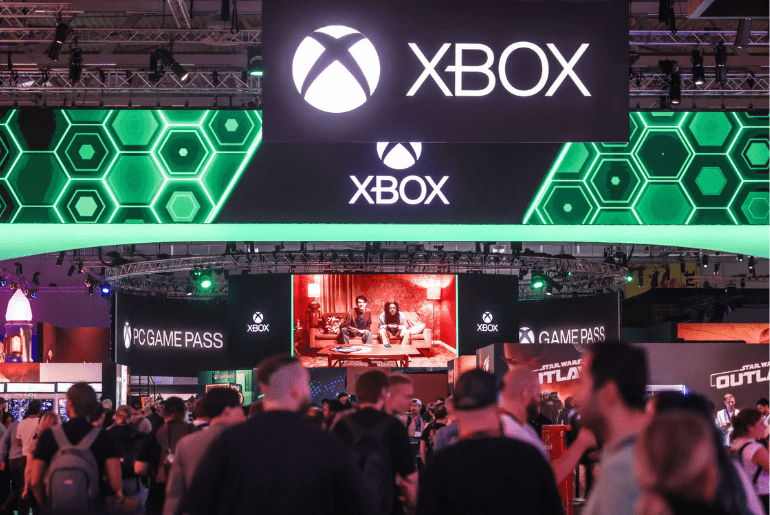
Marketing and PR budgets are often among the first to be scrutinized during corporate cost-cutting drives. While essential for brand visibility, they can sometimes be perceived as discretionary spending, particularly when a company is prioritizing core product development or struggling with profitability. This perception places agencies in a precarious position, making them particularly susceptible to the broader economic winds affecting their clients.
The Cascading Effect: Broader Implications for the Service Industry
The impact of Microsoft’s vendor cuts reverberates far beyond the immediate confines of Assembly’s offices. It serves as a stark illustration of the intricate, interconnected nature of the modern business ecosystem. Large corporations like Microsoft operate with a vast network of external partners, including IT consultants, legal firms, logistics providers, creative agencies, and numerous specialized service providers. When a titan of industry adjusts its spending, the effects cascade through this network, creating a multiplier effect on employment and economic stability.
For the service industry at large, these events highlight several critical implications:
- Interdependence and Vulnerability: The incident underscores how dependent many specialized agencies are on the spending decisions of a few major clients. While outsourcing allows corporations to leverage external expertise without incurring the overheads of full-time employment, it also transfers a degree of economic risk to the vendor.
- Economic Ripple Effect: Job losses at an external agency, while not directly on the client’s payroll, contribute to the overall unemployment figures and economic instability. These indirect job losses can accumulate, affecting local economies where these agencies are based.
- Shifting Corporate Procurement Strategies: Such restructurings might signal a trend towards corporations either insourcing certain functions previously outsourced or consolidating their vendor relationships, opting for fewer, more integrated partners. Alternatively, it could lead to a preference for project-based contracts over long-term retainers, offering greater flexibility but less stability for agencies.
- Necessity for Diversification: The situation serves as a powerful reminder for agencies to diversify their client portfolios. Over-reliance on a single major client, no matter how prestigious, introduces an unacceptable level of business risk. Agencies are increasingly compelled to cultivate a broad client base across various industries to mitigate the impact of any single client’s strategic shifts.
- Pressure on Pricing and Value: As corporations seek greater efficiency, there is increased pressure on external vendors to demonstrate tangible value and competitive pricing. Agencies may find themselves needing to justify their costs more rigorously or even reduce rates to retain business in a competitive environment.
This broader impact underscores that corporate transformation is rarely confined to internal teams. The modern enterprise is a web of internal and external resources, and strategic shifts invariably send tremors throughout this entire interconnected structure.
Official Responses and Industry Perspectives
In keeping with standard corporate practice during sensitive personnel matters and strategic reorganizations, neither Microsoft nor Assembly has offered public comments directly addressing the reported layoffs or the specifics of their contractual agreements. Microsoft’s public statements typically focus on its commitment to "operational efficiency," "strategic investments," and "delivering compelling experiences" to its customers and partners. These broad statements, while not directly confirming layoffs, provide the overarching strategic context within which such decisions are made.
Industry analysts and observers, however, interpret these actions within the larger narrative of tech industry consolidation and a renewed focus on profitability. Following a period of hyper-growth, many tech companies, including Microsoft, are recalibrating their strategies to prioritize sustainable financial performance over sheer market share expansion. The gaming sector, in particular, has seen a wave of layoffs and studio closures across various companies in 2023 and 2024, reflecting a broader market correction and increased investor scrutiny on returns. For Xbox, these moves are seen as critical steps to integrate Activision Blizzard effectively, optimize its cost structure, and position the brand for long-term profitability in an increasingly competitive and dynamic market.
Looking Ahead: The Future of Xbox and its Partner Network
The ongoing restructuring within Microsoft’s Xbox division, marked by both internal workforce reductions and external vendor contract adjustments, signals a profound evolution in the company’s approach to its gaming business. For Xbox, this could mean a more streamlined operation, a sharper focus on core game development and Game Pass growth, and potentially a more agile and responsive market strategy. The recent decisions to bring some first-party titles to rival platforms suggest a future where Xbox’s content strategy might be less tied to console exclusivity and more focused on maximizing revenue and audience reach across all viable platforms. This shift will undoubtedly influence future marketing and PR needs, potentially favoring partners who can execute multi-platform strategies efficiently.
For the external partner network, including PR and marketing agencies, the landscape is shifting. It necessitates a re-evaluation of business models, a renewed emphasis on demonstrating quantifiable return on investment, and a proactive approach to understanding and adapting to client strategic shifts. Agencies that can offer highly specialized services, demonstrate exceptional agility, and prove their indispensable value will be best positioned to navigate this evolving environment. The lesson for the service industry is clear: diversification of client portfolios and a deep understanding of the economic and strategic drivers of major clients are not merely good business practices but essential for survival in an era of relentless corporate transformation. The reported layoffs at Assembly serve as a potent reminder of the far-reaching consequences of corporate strategic decisions, illustrating how the delicate balance of the modern business ecosystem can be profoundly disrupted by the pursuit of efficiency and profitability.







