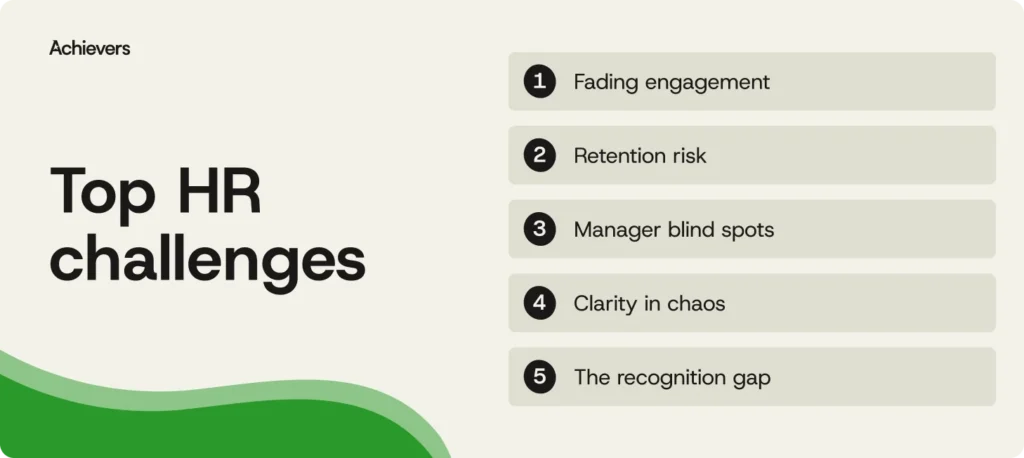
The year 2026 presents a landscape fraught with multifaceted challenges for Human Resources leaders, a situation exacerbated by economic volatility, the accelerating pace of artificial intelligence disruption, and a pervasive decline in employee engagement across the global workforce. However, amidst these significant hurdles, emerging data indicates that effective solutions are not only within reach but are also strategically aligned with the fundamental human need for recognition. A comprehensive analysis, drawing on insights from the Achievers Workforce Institute’s (AWI) 2025 State of Recognition Report, highlights the top 20 HR challenges anticipated for 2026 and underscores the pivotal role recognition plays in addressing them.
The Evolving HR Landscape: A Year of Unprecedented Challenges
Leading HR departments in 2026 can often feel like a constant battle against an array of persistent issues, including employee burnout, high turnover rates, widespread disengagement, and a host of other detrimental workplace phenomena. While acknowledging achievements with events like "HR Day" is a positive step, the report emphasizes that truly impactful appreciation goes far beyond superficial gestures. The core of effective HR strategy, according to the AWI findings, lies in fostering real, frequent, and meaningful recognition. This type of appreciation is crucial for connecting employees to their organizational purpose, demonstrably boosting performance, and cultivating an environment where individuals are motivated to remain with their companies.
The Achievers Workforce Institute, a global research and advisory group, has synthesized data from a vast array of employee experiences to identify these critical challenges. Their findings reveal a significant disconnect between employee needs and current workplace practices, with recognition emerging as a powerful, yet often underutilized, tool to bridge this gap. The underlying sentiment from employees is clear: they are not seeking unattainable miracles, but rather a fundamental acknowledgment of their contributions and efforts.
Top HR Challenges of 2026 and Recognition-Based Solutions
The AWI report meticulously details 20 pressing challenges facing HR leaders, providing concrete data points and actionable strategies centered on recognition.
1. Fading Employee Engagement
A stark statistic reveals that only 26% of employees currently report feeling engaged at work. This widespread disengagement poses a significant threat to productivity and organizational success. The solution, as identified by the report, lies in integrating recognition into the daily fabric of the workplace. Employees who receive recognition on a weekly basis are three times more likely to feel engaged, demonstrating a direct correlation between consistent acknowledgment and employee morale.
2. Escalating Retention Risks
The data paints a concerning picture regarding employee loyalty, with only 22% of employees indicating plans to remain in their current roles for the next year. This high turnover rate incurs substantial costs for organizations in terms of recruitment, training, and lost productivity. Recognition is presented as a paramount retention strategy. Employees who experience weekly recognition are an impressive six times more likely to envision a long-term future with their employer, signaling its critical importance in fostering commitment.
3. Managerial Blind Spots in Recognition
A significant deficit exists in the realm of managerial recognition, with a mere 15% of employees reporting that they are regularly acknowledged by their direct supervisors. This gap highlights a missed opportunity for managers to foster stronger relationships and motivate their teams. The report advocates for training managers to prioritize and lead with recognition, framing it not as an optional perk but as a fundamental aspect of effective leadership.
4. Lack of Clarity Amidst Organizational Change
A staggering 92% of employees report feeling unclear about workplace expectations, particularly during periods of change. This ambiguity can lead to anxiety, reduced productivity, and increased errors. Recognition plays a crucial role in providing clarity; employees who receive weekly recognition are eleven times more likely to feel informed and confident during times of transition.
5. The Widening Recognition Gap
The frequency of weekly recognition has seen a concerning decline, dropping from 29% to 19% within a single year. This trend suggests a systemic issue in how organizations approach employee acknowledgment. The solution proposed is to make recognition an omnipresent aspect of the work environment. Praise should be seamlessly integrated into daily interactions, team meetings, digital communications, and recognition platforms, ensuring it is a natural and consistent occurrence.

6. Pervasive Burnout and Subdued Productivity
Only 25% of employees feel they are operating at their peak productivity levels, a clear indicator of widespread burnout and disengagement. The report emphasizes the importance of recognizing effort, not solely focusing on outcomes. Employees who are regularly recognized are 2.6 times more likely to report being productive, suggesting that acknowledging the process and dedication can significantly impact output.
7. Disconnected Sense of Purpose
A significant portion of the workforce, 77%, feels a disconnect between their daily tasks and the broader company mission. Only 23% of employees feel their work is meaningfully connected to organizational purpose. Recognition that is explicitly aligned with company values helps employees understand their individual impact and draw clear connections between their efforts and the overarching mission, thereby fostering a greater sense of purpose.
8. A Deficit in Workplace Belonging
A substantial number of employees, 75%, do not feel a strong sense of belonging within their organizations. This lack of belonging can lead to isolation, reduced collaboration, and increased turnover. Weekly recognition has been shown to be a powerful driver of belonging, with employees who receive it being nine times more likely to feel a sense of community and inclusion.
9. Recognition That Fails to Resonate
The report indicates that only 21% of employees consider a reward to be the most meaningful aspect of recognition. This suggests that the form and content of recognition are often misaligned with employee preferences. The emphasis should be on specific, authentic appreciation, which is often more impactful than monetary rewards alone.
10. Disengagement Among Middle Managers
Manager effectiveness is a critical determinant of organizational success, and recognition is identified as a foundational element of strong leadership. The report stresses that recognition should be integrated into leadership Key Performance Indicators (KPIs) and performance reviews. The implication is clear: leaders who are not actively practicing recognition are, in effect, not fully leading.
11. The Shadow of Quiet Quitting
A significant trend in the modern workforce is "quiet quitting," with 60% of employees actively searching for new jobs or remaining open to offers. Recognition plays a vital role in fostering loyalty. Employees who feel valued and recognized are 1.7 times more likely to see a long-term career path within their current company.
12. The Rarity of Peer-to-Peer Appreciation
A striking observation is that only 15% of employees receive weekly recognition from their colleagues. This underutilization of peer-to-peer recognition represents a missed opportunity to build stronger team dynamics and foster a culture of mutual support. The report advocates for normalizing and facilitating peer recognition, making it an easy, visible, and impactful part of the workplace culture.
13. Recognition Solely Tied to Rewards
Nearly half of employees (45%) find recognition most impactful when it is specific and non-monetary. This data challenges the traditional approach of linking recognition exclusively to material rewards. The core of impactful recognition should be the meaningful message of appreciation itself, with rewards serving as a tangible supplement that further reinforces the value of an employee’s contributions.
14. Erosion of Company Culture
A decline in recognition often correlates with a weakening of cultural consistency, which can, in turn, lead to increased disengagement. Recognition serves as a daily reinforcement mechanism for company culture, extending its influence beyond initial onboarding or occasional company-wide announcements.
15. Stalled Diversity, Equity, and Inclusion (DEI) Initiatives
Recognition is a powerful tool for ensuring that all employees feel seen, heard, and valued, particularly within diverse teams. By celebrating contributions from all parts of the organization, companies can make workplace inclusion visible and tangible through the very act of who and how they choose to recognize.

16. Neglecting Development in Recognition
While companies often focus on recognizing project completion or major achievements, the effort and journey toward learning and development are frequently overlooked. Half of employees indicate a desire for more growth opportunities, yet recognition for the pursuit of these opportunities is rare. The report suggests praising development journeys, not just final outcomes, as "You’re growing" can be as impactful as "You nailed it."
17. Over-Reliance on Technology, Under-Emphasis on Human Connection
Employee recognition platforms are valuable tools, but their effectiveness hinges on active usage. The challenge lies in ensuring these platforms are not just implemented but are deeply integrated into the daily workflow. Promoting daily use, ensuring mobile accessibility, and embedding recognition into the natural flow of work are crucial for maximizing their impact.
18. Rewards That Miss the Mark
The report highlights a clear divergence in employee preferences for rewards: 71% favor gift cards, while 45% prioritize non-monetary recognition. This disparity underscores that a one-size-fits-all approach to rewards is ineffective. Offering flexibility and allowing employees to choose rewards that genuinely resonate enhances the positive impact of recognition.
19. Global Scale, Local Relevance Failures
Recognition programs that cannot effectively scale across international borders risk being perceived as irrelevant or inequitable. The ability to manage global reward fulfillment, adhere to local compliance regulations, and maintain cultural relevance within a single platform is essential for organizations operating on a global scale.
20. Recognition Viewed as an "Extra" Rather Than Essential
A persistent misconception is that recognition is a peripheral benefit rather than a strategic imperative. The data clearly demonstrates that recognition is foundational to long-term business success, impacting culture, retention, engagement, and overall performance. Treating recognition as a strategic lever, supported by data that links its frequency to key business outcomes, is crucial for its effective implementation.
The Strategic Imperative of Recognition in 2026
The overwhelming conclusion from the Achievers Workforce Institute’s extensive research is that recognition is not merely a component of a positive company culture; it is an indispensable pillar upon which organizational success is built. When employees feel genuinely seen and valued, they are more likely to collaborate effectively, demonstrate increased loyalty, and exhibit behaviors that drive superior business results.
The AWI report quantifies the significant benefits of frequent recognition: employees recognized weekly are demonstrably more engaged, more likely to remain with their company, and more confident in their ability to navigate change. The impact is further amplified when this recognition originates from a manager, suggesting that strong leadership commitment to appreciation is a multiplier for positive organizational outcomes.
As HR leaders navigate the complex and evolving demands of 2026, the path forward, though challenging, is remarkably clear. By prioritizing frequent, meaningful, and manager-led recognition, organizations can proactively address a multitude of workplace challenges. Achievers, a leading provider of employee recognition solutions, stands ready to support businesses in implementing these strategies and fostering environments where employees thrive. The future of successful HR lies not in complicated formulas, but in the simple, powerful act of recognizing the people who drive organizational success.
The insights from the 2025 State of Recognition Report, available for download, provide a comprehensive roadmap for organizations seeking to leverage recognition as a strategic advantage in the years to come.