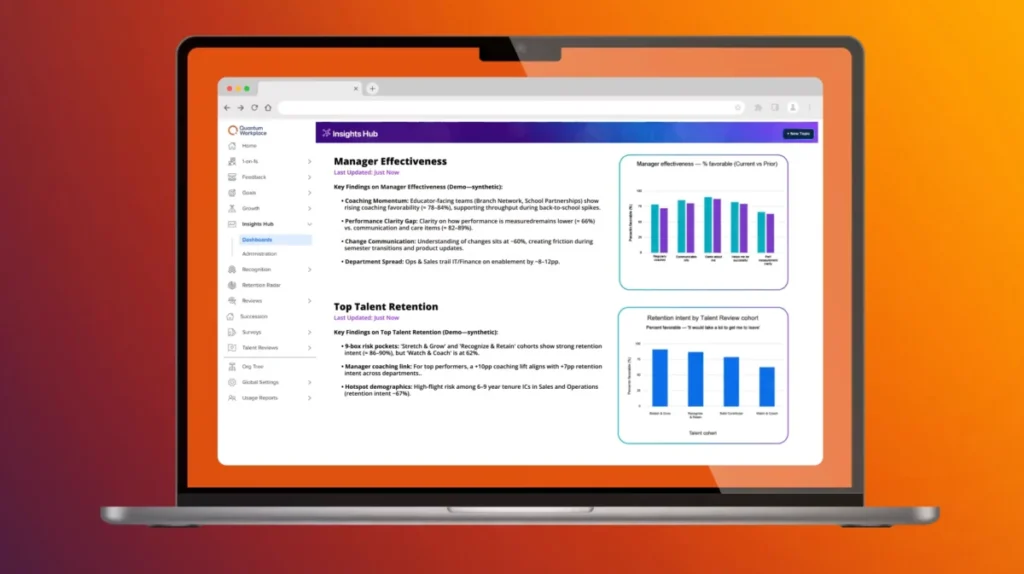
The modern business landscape is awash in data, particularly within human resources. While organizations have increasingly invested in sophisticated systems to collect employee information, the critical challenge often lies not in the abundance of data, but in its interpretation and application. Quantum Workplace, a leading provider of employee engagement and performance solutions, is addressing this gap with the introduction of its AI-powered "Insights Hub," a tool designed to bridge the divide between raw people analytics and actionable people insights. This innovative platform aims to empower HR professionals and business leaders by transforming complex workforce data into clear, strategic directives, thereby fostering a more responsive and effective organizational culture.
The fundamental distinction highlighted by Quantum Workplace is the difference between "people analytics" and "people insights." People analytics, in its traditional form, focuses on describing what is happening within a workforce, such as identifying trends in employee turnover or engagement levels. It provides a snapshot of the current state, answering the question, "What happened?" In contrast, people insights delve deeper, interpreting these findings, explaining why they are occurring, and crucially, recommending concrete next steps. This answers the more critical questions: "Why did it happen, and what should we do about it?" This nuanced difference is crucial for organizations that often find themselves inundated with data but starved for clear, timely direction.
The Data Deluge: From Collection to Actionable Intelligence
For many HR teams, the cycle of data collection can be a time-consuming and often frustrating process. A typical scenario might involve pulling a turnover report on a Monday, dissecting an engagement dashboard on Tuesday, and spending the rest of the week building a presentation to explain the potential implications of these numbers to leadership. This manual interpretation and synthesis of data, while necessary, consumes valuable resources and delays critical decision-making. As noted by industry analysts, such as Forrester, many organizations become trapped in a perpetual cycle of data collection with limited subsequent action. The bottleneck, therefore, is not the data itself, but the significant time lag between its collection, analysis, and the formulation of effective strategies.
Traditional people analytics, while providing essential functions like trend identification, benchmarking, and a unified view of workforce metrics, often stops at the descriptive stage. HR professionals and managers are then left to interpret charts, correlate different reports, and independently devise strategies. This is where people insights, as facilitated by tools like Insights Hub, aim to revolutionize the process.
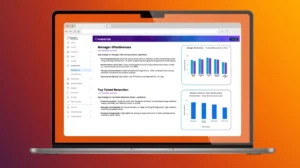
Quantum Workplace’s Insights Hub is positioned as a virtual analyst and leadership coach, designed to proactively surface insights that are directly relevant to an organization’s strategic priorities. It achieves this by integrating data from various sources, including employee engagement, performance management, and employee development programs. The platform’s future roadmap also includes the integration of recognition data, promising a holistic view of the employee experience. This comprehensive data integration allows Insights Hub to move beyond isolated metrics and provide a more connected understanding of workforce dynamics.
Defining the Divide: Analytics vs. Insights
To further clarify the distinction, Quantum Workplace has outlined a comparative framework:
| Feature | People Analytics | People Insights |
|---|---|---|
| Core Question | What happened? | Why did it happen, and what should we do? |
| Typical Output | Dashboards and reports | Explained findings with recommended actions |
| Who Interprets | An analyst or HR partner | The system explains it in plain language |
| Data View | One metric or report at a time | Signals connected across engagement, performance, development, and recognition [COMING SOON] |
| Relevance to Organization | Standard metrics and views | Findings shaped around the organization’s point of view, such as how manager effectiveness is defined |
| When Data is Missing | A blank spot in the report | A clear note on what is missing and how to fill the gap |
| Next Step | Left to the reader | Suggested actions that can be tracked |
| Best For | Measuring and monitoring | Deciding and acting |
This table effectively illustrates how people insights elevate data analysis from a reporting function to a strategic decision-making engine.
Insights Hub: The AI-Powered Engine for Action
Quantum Workplace’s Insights Hub leverages artificial intelligence, personified by its AI agent named "Cue," to streamline the transition from data to actionable strategies. The process is designed to be intuitive and user-centric, mirroring the workflow of an experienced human analyst.
-
Topic Definition: Organizations begin by defining key topics that are critical to their business objectives, such as "Manager Effectiveness" or "Top Talent Retention." These topics act as frameworks for analysis, guiding Cue on which questions are most pertinent to the organization. Custom topics can also be created to address unique strategic priorities.
-
Organizational Contextualization: Cue initiates a brief conversational setup process, starting with Quantum Workplace’s research-backed understanding of the chosen topic. Crucially, organizations can then overlay their own unique perspective and definitions, ensuring that the insights generated are highly relevant to their specific context. This setup typically takes between five to ten minutes.
-
Cross-Data Investigation: Once a topic is established, Cue systematically analyzes patterns across an organization’s connected data sources, including Quantum Workplace platforms and HRIS (Human Resources Information System) data. The strength and depth of the insights are directly proportional to the richness and interconnectedness of the data provided.
-
Transparent Explanation: Each insight generated by Cue includes a clear explanation of the observed patterns, their significance, and guidance on interpreting any accompanying visualizations. Findings are supported by citations to relevant research, lending credibility and depth. Users can also engage in private follow-up conversations with Cue to explore insights further.
-
Identification of Data Gaps: A key feature of Insights Hub is its ability to identify and articulate data limitations. Instead of making assumptions when data is insufficient, Cue will clearly indicate what information is missing and suggest ways to close these gaps. For example, it might highlight incomplete exit survey feedback, thereby guiding future data collection efforts. These identified gaps serve as a roadmap for strategic investment in data enrichment.
-
Actionable Recommendations: Insights Hub goes beyond analysis by recommending specific actions directly tied to each topic. Users can then add their own proposed actions, track their progress, and mark them as complete. This built-in action-tracking mechanism underscores the platform’s commitment to ensuring that insights translate into tangible outcomes.
The Sixfold Benefits of People Insights for Leaders
The adoption of people insights, facilitated by platforms like Insights Hub, offers a multitude of advantages for HR leaders and the broader organization:
-
Accelerated Decision-Making: Traditional report generation can consume days. Insights Hub automates the research and analysis process, freeing up HR professionals to focus on strategic decision-making rather than data compilation. This allows for faster responses to emerging workforce trends and challenges.
-
Holistic Perspective: A single data point can be misleading. Insights Hub connects signals across various HR domains – engagement, performance, development, and recognition – to provide a comprehensive understanding of employee dynamics. This contextual understanding is vital for accurately diagnosing issues, such as understanding the multifaceted reasons behind employee turnover.
-
Elevated HR Strategic Partnership: By offloading routine data analysis, HR teams can transition from a transactional role to a strategic advisory function. They can engage with business leaders, offering informed perspectives and data-driven recommendations, thereby becoming more integral to organizational strategy.
-
Managerial Empowerment: Insights are presented in a clear, coaching-style narrative, making them accessible and actionable for busy managers. The language is designed to foster ownership and support, rather than to assign blame, empowering managers to address team dynamics effectively.
-
Action-Oriented Insights: The inherent link between insights and recommended actions ensures that data is not left to languish. The ability to track the progress of these actions provides accountability and visibility into the impact of HR initiatives.
-
Clarity on Data Gaps: Identifying blind spots is as important as understanding what is known. Insights Hub explicitly highlights areas where data is insufficient, providing a clear directive for future data collection and strategic focus, ensuring that investments in HR initiatives are well-informed.
Preparing for the Shift: A Readiness Checklist
Quantum Workplace suggests a simple checklist to help organizations assess their readiness for adopting people insights:
- Does your organization have a significant amount of employee data available?
- Are you looking for ways to improve employee engagement and retention?
- Do your leaders need more timely and actionable insights from HR data?
- Is your HR team spending too much time on data analysis and reporting?
- Are you looking for ways to improve manager effectiveness and employee development?
Organizations that check two or more boxes are likely well-positioned to benefit significantly from the transition to people insights.
Looking Ahead: The Evolution of Workforce Intelligence
The introduction of Insights Hub by Quantum Workplace marks a significant evolution in how organizations can leverage their people data. By bridging the gap between raw analytics and interpretable, actionable insights, the platform empowers HR professionals to become more strategic partners, drive better business outcomes, and cultivate more engaged and productive workforces. As the integration of recognition data approaches and the platform continues to mature, its potential to reshape workforce intelligence and foster a data-driven, people-centric culture is substantial. The ability to not only understand what is happening but also why it is happening and what to do about it, represents a critical leap forward in optimizing the human capital of any organization.
Frequently Asked Questions
What is the difference between people analytics and people insights?
People analytics describes what is happening in workforce data, focusing on trends and metrics. People insights interpret that data, explain its significance, and recommend specific actions to address identified issues.
What is Quantum Workplace Insights Hub?
Insights Hub is an AI-powered platform designed to transform people data into actionable insights. It functions as a virtual analyst and coach, connecting various data sources to deliver explained findings and recommended next steps.
What data does Insights Hub utilize?
The platform integrates data from Quantum Workplace solutions, including engagement, performance, and development. It also connects with HRIS data. The comprehensiveness of insights improves as more data sources are connected. Recognition data is slated for future integration.
How does Insights Hub handle incomplete data?
Insights Hub is designed to work with the data available. When data is missing, it clearly identifies the gap and provides guidance on how to address it, rather than making assumptions.
Is specialized analytical knowledge required to use Insights Hub?
No, the platform is designed for ease of use. Users define their key organizational priorities, and the AI agent, Cue, then focuses on generating relevant insights. Setting up a topic typically takes only five to ten minutes.