Prime office costs in major global cities continued their upward trajectory in the first quarter of 2026, a trend fueled by a robust demand for high-quality workspaces and a persistent scarcity of available premium inventory. According to a comprehensive report by the global real estate advisor Savills, net effective occupier costs, a metric encompassing both headline rents and the crucial fit-out expenses, experienced a notable increase of 0.7 percent on a global scale during the initial three months of the year. This latest uptick contributes to an annual rise of 5 percent and a significant accumulation of 9.1 percent over the preceding two-year period. Savills, which meticulously tracks office market dynamics across 47 key cities worldwide, observed that occupier costs escalated in 23 of these urban centers within the first quarter. Regionally, the data indicates a 1 percent increase across the Europe, Middle East, and Africa (EMEA) region, a 0.7 percent rise in North America, and a more modest 0.4 percent gain in the Asia Pacific.
Global Momentum: Tokyo and Midtown Manhattan Lead the Charge
The report highlights Tokyo and Midtown Manhattan as standout markets, recording the most substantial quarterly increases in occupier costs. Tokyo witnessed a remarkable surge of 12.7 percent, while Midtown Manhattan followed with a significant 4.2 percent rise. Savills attributes this pronounced growth in both markets to an intense demand for premium office space that far outstrips the limited supply currently available.
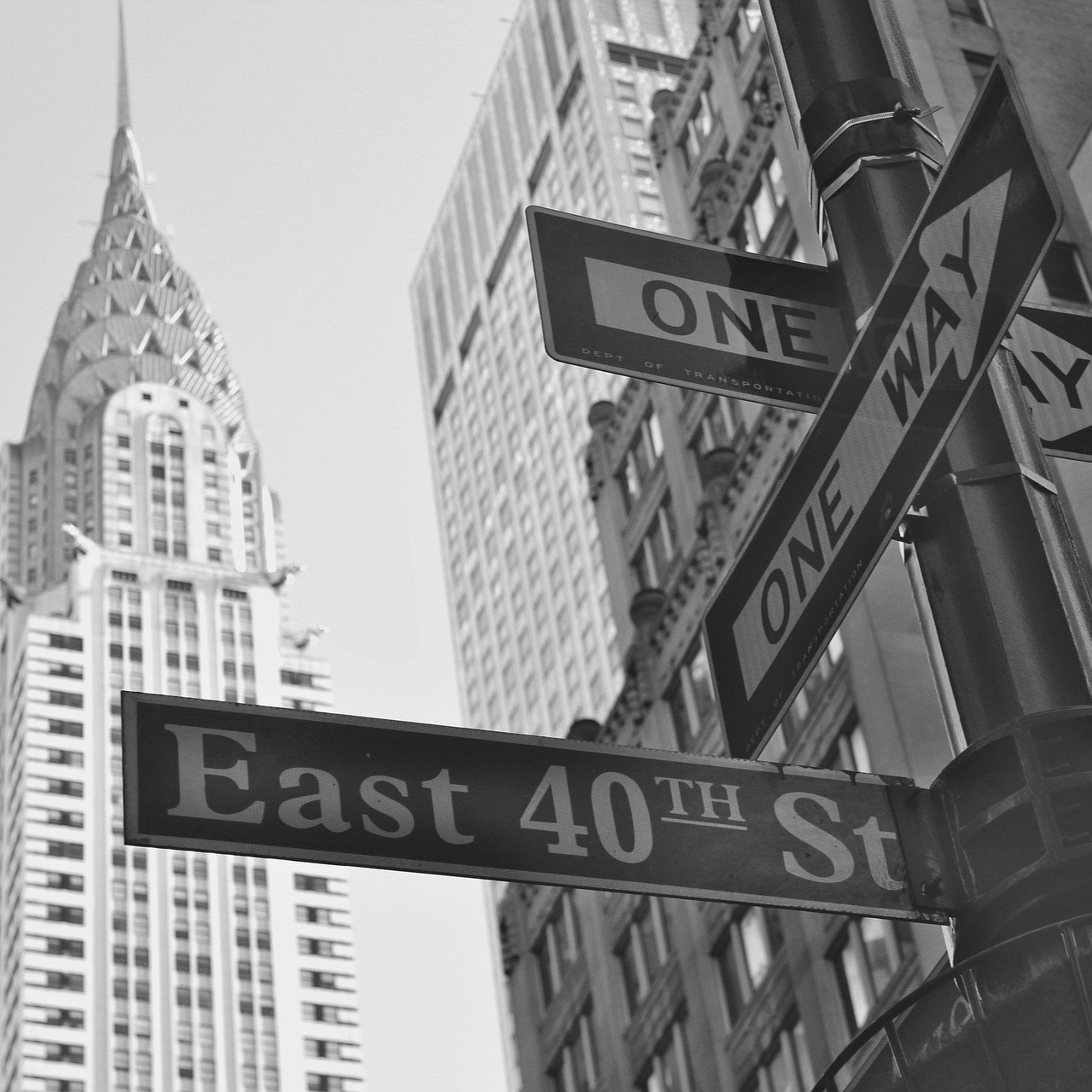
In Manhattan specifically, the first quarter saw leasing activity reach an impressive 12 million square feet, a threshold not crossed since 2021, underscoring a strong resurgence in office space transactions. Notably, approximately two-thirds of these transactions were concentrated in the Midtown submarket, reinforcing its position as a central hub for commercial activity. This rebound in Manhattan’s leasing market is particularly significant, signaling a renewed confidence in the central business district as a prime location for corporate headquarters and operations. The scarcity of high-quality, modern office buildings in these sought-after areas allows landlords to command higher rents and reduce the concessions previously offered to attract tenants.
Asia Pacific: A Tale of Two Markets
The Asia Pacific region, while recording the lowest overall regional increase, presents a nuanced picture. This moderation is largely influenced by the ongoing declines observed in mainland Chinese markets. Occupier costs across the four Chinese hubs monitored by Savills collectively fell by 2 percent during the quarter. However, it is important to note that the pace of this decline has demonstrably slowed over the past year, suggesting a potential stabilization or a gradual shift in market sentiment.
Conversely, outside of China, occupier costs across other Asian markets exhibited a more positive trend, increasing by an average of 1.4 percent. Tokyo was the undeniable leader in this sub-regional growth. The quarterly rise in Tokyo was the sharpest recorded in any Asia Pacific city since Savills’ report was first launched in 2020. The real estate advisor anticipates that this upward pressure on costs in Tokyo is likely to persist in the near term, driven by continued strong demand and limited new supply. This sustained growth in Tokyo’s prime office market can be linked to its status as a global financial center and its ability to attract and retain leading multinational corporations seeking a prestigious and well-connected business environment.
EMEA: Dublin and Milan Show Strong Gains
Within the EMEA region, Dublin and Milan emerged as key markets experiencing notable increases in prime office occupier costs. In Dublin, occupier costs surged by 4.8 percent. This substantial rise is attributed to a confluence of factors, including higher rents and service charges, coupled with a discernible slowdown in new development activity. The limited pipeline of new office buildings in Dublin creates a competitive environment for existing prime space, driving up costs for occupiers.
Milan also recorded a significant 3.5 percent increase in occupier costs. This growth is underpinned by rising rental rates and a reduction in the landlord incentives that were more prevalent in previous years. As the Italian economy continues to recover and businesses expand, the demand for prime office locations in Milan has strengthened, enabling landlords to negotiate more favorable terms.
North America: AI Demand Fuels San Francisco’s Rise
North American occupier costs, on average, rose more modestly. However, exceptions to this trend were evident in Midtown Manhattan and San Francisco, both of which outperformed the broader regional average. In San Francisco, occupier costs climbed by 2.4 percent. Savills attributes this increase, in part, to the sustained and robust demand from artificial intelligence (AI) firms. These technology-centric companies are actively seeking out prime office space that can accommodate their growing workforces and foster innovation, often within well-located and amenity-rich buildings. The burgeoning AI sector, with its high-paying jobs and rapid expansion, is a significant driver of demand in the San Francisco Bay Area, impacting rental rates and overall occupier expenses.
Shifting Market Dynamics: The Landlord-Occupier Balance
The report further elaborates on the evolving dynamics between landlords and occupiers, particularly in markets like New York. During the immediate post-pandemic period, a more tenant-favorable market prevailed. Landlords, keen to secure tenants and mitigate vacancies, were compelled to offer substantial incentives. These often included extended rent-free periods, significant contributions to fit-out costs, and other concessions.
However, as demand for premium space has demonstrably strengthened, this balance has shifted. Savills notes that these generous incentives have been significantly curtailed. Consequently, occupiers now face higher net effective costs as they navigate a more competitive leasing environment. This recalibration of the market reflects a return to fundamentals, where the quality and location of the office space are paramount. In Midtown Manhattan, this shift is particularly evident, with net effective occupier costs having escalated by an impressive 28.7 percent since the first quarter of 2022. This substantial increase underscores the rapid recovery and repricing of prime office assets in one of the world’s most significant commercial hubs.
Expert Insights: Navigating the Competitive Landscape
Rick Schuham, CEO of Global Occupier Services at Savills, provided critical insights into the current market conditions. He emphasized that the demand for high-quality office space remains a dominant theme across the majority of major global cities. "In a large number of locations, landlords have now reduced incentives, and occupiers have limited options to choose from," Schuham stated. He further advised occupiers to be proactive: "This makes it imperative that they engage with the market early, define their requirements effectively, and ensure their intentions and options are clear." This strategic approach is crucial for securing the best possible terms in a market where negotiation power has largely shifted to landlords.
Expanding Coverage: A Wider View of Global Demand
The latest iteration of Savills’ report also marks an expansion of its geographical coverage. The research now includes data from Dallas, Atlanta, Mexico City, Manila, Lagos, Johannesburg, and Oslo. This broader scope reflects the growing global appetite for prime office space in an increasingly diverse range of business locations.
Sarah Brooks, Associate Director in Savills World Research, explained the rationale behind this expansion. "The additional cities reflect growing demand for prime office space in a wider range of business locations," she commented. Brooks elaborated on the underlying trend: "While these are all very different markets, generally they are beginning to see increased demand for prime space, as global occupiers increasingly strategize to cost-effectively access the best talent ahead of their competitors." This strategic imperative for companies to position themselves in locations that offer access to skilled labor, often coupled with competitive operational costs and quality of life, is driving investment and demand in these emerging prime markets. The ability to attract and retain top talent remains a critical factor for corporate success, and the office environment plays a pivotal role in this strategy.
Implications for Businesses and the Future of Work
The persistent rise in prime office costs has several significant implications for businesses. Firstly, it necessitates a more rigorous and strategic approach to real estate planning. Companies must carefully assess their long-term space needs, considering hybrid work models, collaboration requirements, and the overall employee experience. Secondly, the increased cost of prime space may lead some businesses to re-evaluate their location strategies, potentially exploring secondary or emerging markets that offer more competitive rental rates while still providing access to talent and infrastructure.
The trend also highlights the enduring value of high-quality, well-located office buildings. As companies increasingly prioritize employee well-being, productivity, and collaboration, the demand for spaces that offer superior amenities, advanced technology, and sustainable features is likely to remain strong. This will continue to drive investment in the development and refurbishment of prime office stock, further shaping the urban commercial landscape. The data from Savills suggests that while the demand for office space may evolve, the fundamental need for a physical hub that supports business operations and fosters a strong corporate culture remains robust, particularly in the premium segment of the market. The ability of businesses to adapt to these rising costs while continuing to offer attractive and functional workspaces will be a key determinant of their success in the coming years.