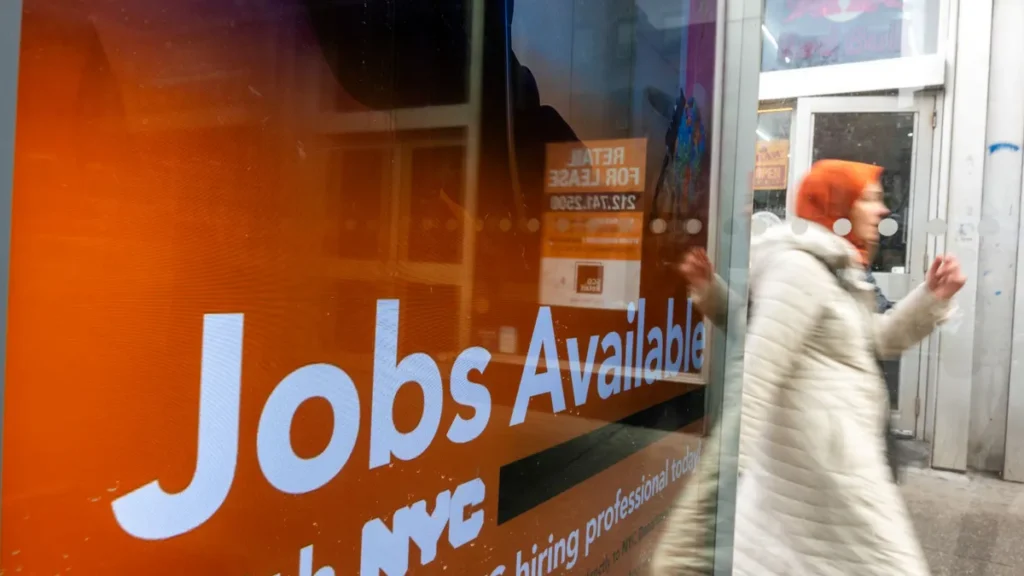
The contemporary hiring landscape is increasingly fraught with digital deception, presenting a significant challenge for recruiters striving to connect legitimate talent with genuine opportunities. As of July 7, 2026, a surge in fraudulent activities, ranging from elaborate fake job offers targeting job seekers to sophisticated deepfake candidates attempting to infiltrate companies, has necessitated a critical re-evaluation of recruitment strategies. The most prevalent contact methods for both legitimate outreach and fraudulent attempts include email, text messages, and unsolicited recruiter outreach, with established job boards and professional networking platforms also frequently utilized by both authentic and deceptive actors. This pervasive issue has transformed the recruitment process into a complex terrain where vigilance and advanced screening mechanisms are paramount.
The Dual Nature of Recruitment Fraud: A Growing Threat
The problem of fraud within the hiring space has consistently plagued both recruiters and job seekers in recent years, manifesting in a troubling dual dynamic. On one side, unsuspecting individuals seeking employment are targeted with convincing yet fake job offers designed to extract personal information or financial resources. On the other, companies face the insidious threat of "fake candidates" employing advanced technological tools, such as deepfakes, to secure positions with ulterior motives, including corporate espionage or data theft. This two-pronged attack underscores a systemic vulnerability in an increasingly digitized and remote-first professional world.
The shift towards remote work, significantly accelerated by the global pandemic, inadvertently created a fertile ground for these fraudulent activities. The reduced emphasis on in-person interactions and the reliance on digital communication channels provided anonymity and scale for scammers. While remote work opened doors to a broader talent pool and increased flexibility, it simultaneously introduced new vectors for exploitation, making it harder for both job seekers to verify opportunities and employers to vet candidates thoroughly.
Escalation Timeline of Digital Recruitment Threats
The evolution of recruitment fraud has been marked by several significant warnings and incidents over the past few years, illustrating a concerning upward trend in sophistication and prevalence.
-
2022: FBI Sounds Alarm on Deepfake Candidates
In 2022, the Federal Bureau of Investigation (FBI) issued a stark warning regarding the emergence of "fake job candidates" utilizing deepfake video technology. These individuals were attempting to obscure their true identities during virtual interviews, primarily targeting remote work opportunities. The FBI’s intelligence suggested that the primary motivation behind these infiltration attempts was often to gain unauthorized access to sensitive customer and client information, potentially for corporate espionage, intellectual property theft, or broader criminal enterprises. This marked a significant escalation from traditional resume fraud, indicating a new era of technologically advanced deception. -
Mid-2020s: Infiltration by State-Sponsored Actors
Further compounding the issue, reports have detailed instances where state-sponsored actors have successfully embedded themselves within American companies. A particularly alarming case involved North Korean nationals who posed as informational technology (IT) workers, securing remote positions within various U.S. firms. These individuals leveraged their access to internal systems, potentially siphoning off valuable data, circumventing international sanctions, and generating revenue for their regime. Such incidents highlight the national security implications inherent in lax hiring practices and the critical need for robust identity verification. -
Summer 2025/2026: Gartner Predicts Widespread Fake Profiles
Adding to the growing concern, leading research and advisory company Gartner issued a dire prediction last summer (referencing a timeframe between mid-2025 and mid-2026). Their analysis warned that by 2028, as many as 1 in 4 job candidate profiles could be fake. This forecast underscores the immense pressure on human resources departments and recruiters to develop more sophisticated vetting processes and leverage advanced technologies to discern genuine candidates from fabricated ones. The sheer volume of potentially fraudulent profiles threatens to overwhelm traditional screening methods and significantly inflate recruitment costs. -
March 2026: Monster Survey Reveals Job Seeker Vulnerability
In March 2026, a comprehensive survey conducted by Monster, a leading global employment website, further illuminated the scope of the problem from the job seeker’s perspective. The survey, which polled 884 workers, revealed that nearly all respondents agreed that the current job market environment makes individuals more vulnerable to scams. This widespread acknowledgment highlights a growing distrust among job seekers and a pervasive sense of caution when navigating employment opportunities. While the survey indicated that job seekers are becoming more adept at identifying fake offers, the continued prevalence of these scams suggests that fraudsters are also evolving their tactics.
Common Tactics of Scammers and Their Impact
The Monster survey provided crucial insights into the red flags that job seekers are increasingly recognizing as indicators of fraudulent opportunities. These common giveaways serve as a vital guide for individuals navigating the treacherous online job market:

- Communication Solely Through Text or Chat: Legitimate recruitment processes typically involve a mix of email, phone calls, and video conferences, especially for initial screening and interviews. Scammers often prefer text or chat applications (like Telegram or WhatsApp) to avoid leaving a traceable email footprint or engaging in live conversations that might expose their deception.
- Job Offers Without Interviews: A definitive sign of a scam is a job offer extended without any formal interview process. Reputable companies conduct thorough interviews to assess skills, cultural fit, and experience. An immediate offer, particularly for high-paying roles, is a major red flag.
- Promises of High Pay for Little Work: Offers that seem "too good to be true" usually are. Scammers frequently entice victims with inflated salaries for minimal responsibilities, exploiting the desire for better compensation and work-life balance.
- Poor Grammar or Suspicious Contact Information: Professional organizations maintain high standards of communication. Emails or messages riddled with grammatical errors, typos, or unprofessional language, especially from non-company email domains (e.g., Gmail, Yahoo instead of an official corporate domain), are strong indicators of fraud.
- Companies Not Readily Identifiable: Legitimate companies have a robust online presence, including official websites, LinkedIn profiles, and verifiable contact information. Scammers often impersonate real companies or create entirely fictitious entities that lack a credible digital footprint.
The consequences for job seekers who fall victim to these scams extend beyond mere inconvenience. The Monster survey highlighted several significant impacts:
- Lost Time: One-third of respondents reported losing valuable time investigating or even applying for fake opportunities, diverting their efforts from legitimate job searches.
- Stress and Anxiety: Nearly one-quarter of job seekers reported experiencing ongoing stress and anxiety due to encounters with scams, impacting their mental well-being and confidence in the job market.
- Sharing Personal Information: Almost another quarter admitted to sharing personal information, such as email addresses or phone numbers, which can then be used for identity theft, phishing attacks, or other malicious purposes. In more severe cases, victims might be asked for bank account details, Social Security numbers, or even money for "equipment" or "background checks," leading to financial losses.
Strategies for Legitimate Recruiters to Distinguish Themselves
In an environment saturated with fraudulent activity, it is imperative for legitimate recruiters and organizations to proactively distinguish themselves and rebuild trust with job seekers. A source from a digital safety platform previously advised HR Dive on several key strategies:
- Post on Established and Reputable Job Sites: Utilizing well-known and industry-specific job boards (e.g., LinkedIn, Indeed, company career pages, and niche platforms) lends credibility. These platforms often have their own fraud detection mechanisms and are trusted by job seekers.
- Avoid Upfront Collection of Sensitive Information: Legitimate recruiters will never ask for highly sensitive personal financial information (e.g., bank account numbers, credit card details) or payment for equipment, training, or background checks early in the hiring process. Such requests are almost always indicative of a scam. Recruiters should only collect necessary information at appropriate stages and through secure channels.
- Seek In-Person or Robust Virtual Interviews: While remote work is common, a complete lack of live interaction (video or in-person) is suspicious. For remote roles, conducting thorough video interviews with identity verification steps (e.g., asking for government-issued ID) can help confirm a candidate’s identity. For local roles, offering in-person interviews provides an additional layer of verification.
Beyond these foundational practices, organizations can implement a more comprehensive approach:
- Utilize Official Communication Channels: Always use official company email addresses and professional communication platforms. Avoid personal email accounts, generic messaging apps, or social media direct messages for critical recruitment conversations.
- Maintain a Professional Online Presence: Ensure the company’s website, social media profiles, and job postings are professional, up-to-date, and consistent. This helps job seekers verify the legitimacy of the organization.
- Educate Job Seekers: Proactively provide information on the company’s career page or during initial contact about common recruitment scams and how to identify them. Empowering job seekers with knowledge can turn them into allies in combating fraud.
- Implement Multi-Factor Authentication (MFA) and Secure Platforms: For internal recruitment systems and candidate portals, ensure robust security measures like MFA are in place to protect against unauthorized access and data breaches.
- Thorough Vetting Processes: Beyond initial interviews, implement comprehensive background checks, reference checks, and verification of credentials and professional licenses. For roles requiring specific technical skills, consider secure coding challenges or practical assessments.
- Leverage AI and Data Analytics for Fraud Detection: Explore and invest in AI-powered tools that can analyze candidate profiles, communication patterns, and digital footprints to identify anomalies indicative of fraud, such as inconsistencies in employment history or unusual IP addresses.
- Employee Training: Regularly train recruitment and HR staff on the latest scam tactics, red flags, and best practices for candidate verification and secure communication.
- Collaborate with Cybersecurity Experts and Law Enforcement: Establish protocols for reporting suspected fraudulent activities to internal security teams, cybersecurity firms, and relevant law enforcement agencies.
Broader Impact and Implications for the Future of Recruitment
The escalating threat of recruitment fraud carries significant broader implications for the labor market, corporate security, and the trust dynamics between employers and potential employees.
Firstly, the pervasive nature of these scams erodes trust in the online job market. Job seekers become more hesitant and skeptical, potentially missing out on legitimate opportunities due to fear of fraud. This creates a barrier to entry for genuine talent and can negatively impact a company’s employer brand if it is perceived as vulnerable or unclear in its recruitment processes.

Secondly, the resources drained by combating fraud are substantial. HR departments and recruitment teams must allocate increasing amounts of time, effort, and financial investment into vetting processes, cybersecurity measures, and employee training. This diversion of resources can slow down hiring cycles, increase recruitment costs, and detract from strategic HR initiatives. The cost of a single successful infiltration by a malicious actor, particularly in cases of corporate espionage or data theft, can run into millions of dollars in damages, legal fees, and reputational harm.
Thirdly, the problem may invite increased regulatory scrutiny. Governments and industry bodies might introduce more stringent regulations regarding online recruitment platforms, data privacy, and identity verification standards to protect both individuals and corporations. This could lead to a more standardized but potentially more cumbersome hiring process across industries.
Finally, the future of recruitment will undoubtedly be shaped by these challenges. A balance must be struck between embracing technological advancements that streamline hiring and implementing robust human and technological safeguards against fraud. The human element of intuition, critical thinking, and ethical judgment will remain irreplaceable, complemented by AI tools that assist in identifying patterns and anomalies. Recruitment professionals will need to evolve into cybersecurity-aware talent acquisition specialists, adept at navigating a complex digital environment while fostering genuine connections. The integrity of the hiring process is not just a matter of compliance but a cornerstone of corporate security and a healthy labor market.