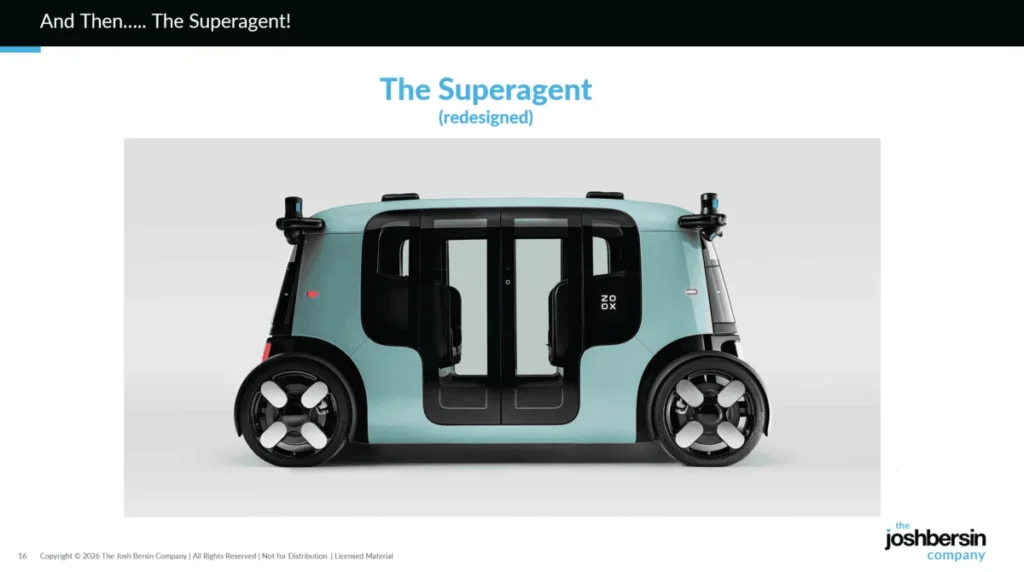
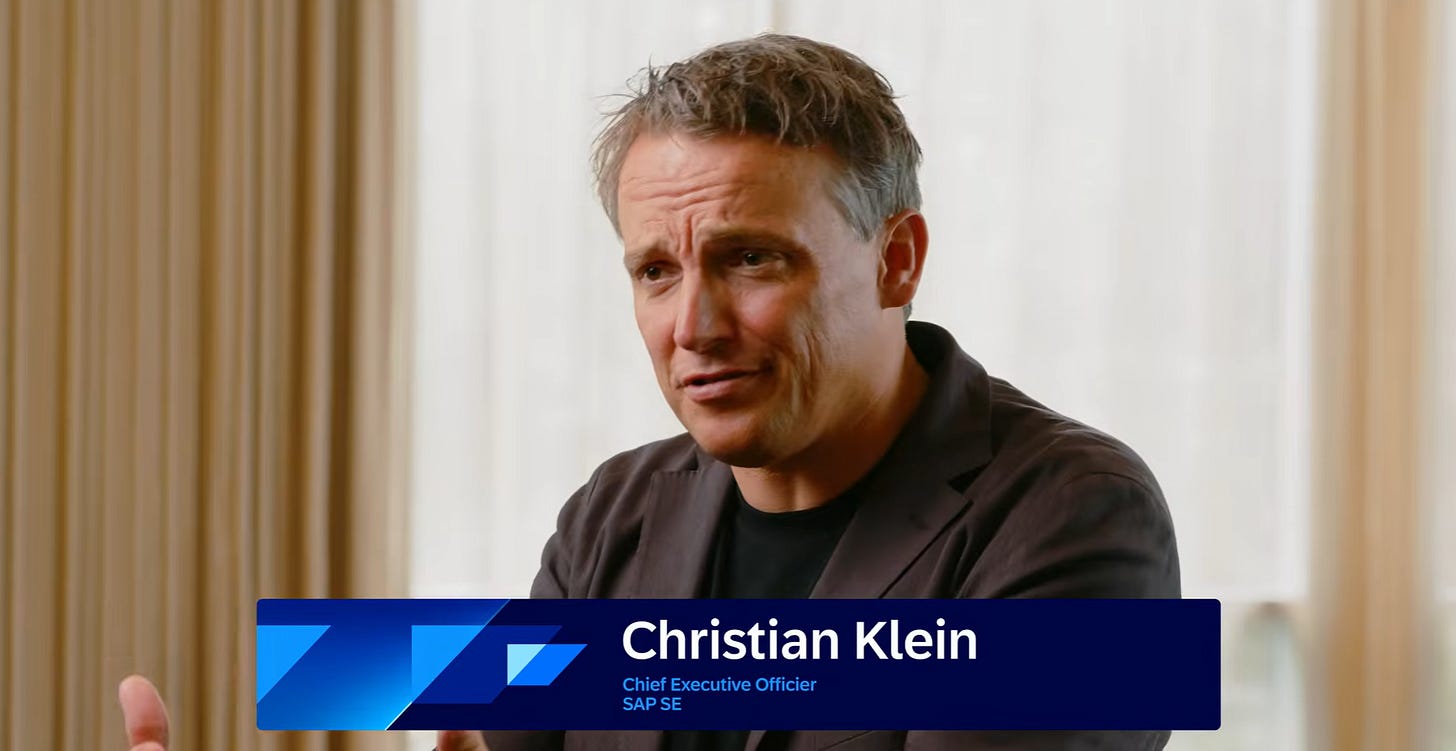
Last week, SAP, a titan in enterprise software, announced a foundational shift in its strategic direction with the unveiling of a comprehensive AI architecture designed to embed artificial intelligence at the core of its operations. This ambitious initiative, christened "The Autonomous Enterprise," was presented by CEO Christian Klein as a pivotal move that positions SAP as an AI-centric company. The announcement, made at a significant industry event, marks a culmination of years of development and signals SAP’s intent to leverage AI not merely as an add-on but as an intrinsic component of its entire enterprise resource planning (ERP) and human capital management (HCM) solutions.
The Vision: An AI-Powered Business Ecosystem
At the heart of "The Autonomous Enterprise" is a three-pronged approach: a unified AI platform for agent creation, contextualization, and governance; an autonomous suite capable of executing core business operations; and a redefined user experience aimed at transforming how professionals interact with enterprise software. "The Autonomous Enterprise includes a unified AI platform for building, contextualizing and governing agents, an autonomous suite that executes core business operations and a new user experience that redefines how people work with enterprise software," stated Christian Klein, CEO of SAP SE. This vision suggests a future where business processes are not only automated but also intelligently managed and optimized with minimal human intervention.

Background: The Evolution of Enterprise Software and AI Integration
SAP’s announcement comes at a time when the enterprise software landscape is undergoing a profound transformation driven by the rapid advancements in artificial intelligence. For decades, SAP has been a dominant force, providing comprehensive ERP systems that manage a vast array of business resources, including financial data, human capital, inventory, manufacturing processes, procurement, and supplier relationships. Its "industry editions" cater to over 25 distinct sectors, enabling businesses to track complex value chains from raw materials to final product delivery. The inherent complexity and interconnectedness of these systems present a fertile ground for AI-driven insights and automation.
Historically, gaining deep insights from such intricate systems often required extensive manual data analysis by specialized teams. For instance, identifying the root cause of a declining profit margin for a specific product line might involve sifting through sales data, supplier costs, logistics expenses, and market fluctuations. The promise of "The Autonomous Enterprise" is to empower users to ask complex questions directly, such as "Why is our profit margin for product group A declining in South America?" SAP’s AI, through its new architecture, aims to automatically analyze these complex interdependencies—ranging from supplier price hikes to shipping cost increases—and pinpoint the primary contributing factors, a task that previously consumed significant analytical resources.
The Core Components: Agents, AI Platform, and User Experience
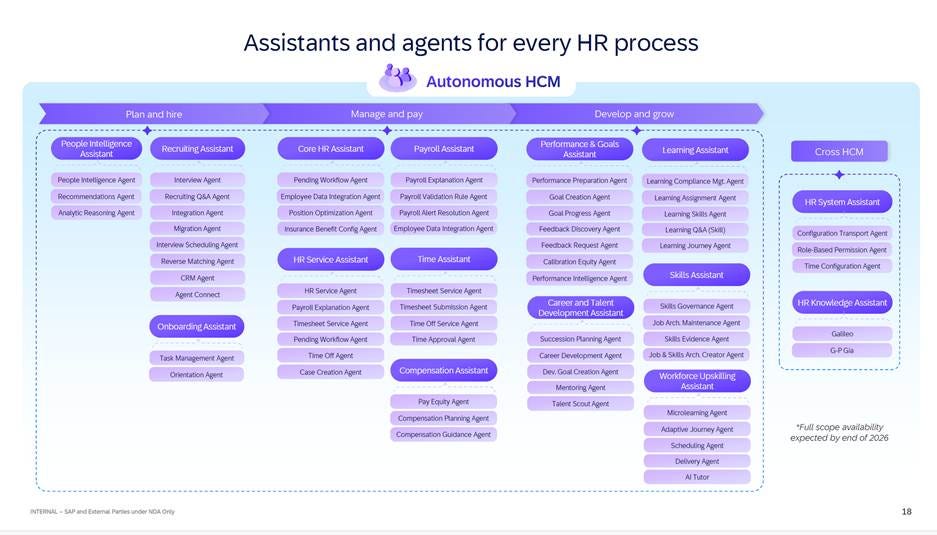
The cornerstone of "The Autonomous Enterprise" is the concept of AI agents. SAP has announced the development of numerous agents, with a significant number dedicated to automating and optimizing specific business functions. In the realm of Human Capital Management (HCM) alone, the company has outlined a suite of agents designed to address complex challenges, such as identifying the reasons behind underperforming sales teams. These agents are intended to analyze factors like leadership quality, training effectiveness, team tenure, and market dynamics, moving beyond simplistic assumptions that "skills" are the sole solution to performance issues.
The underlying AI platform is designed to facilitate the creation, deployment, and management of these agents. This includes a data fabric that integrates vast amounts of business data and various AI models, a crucial element for providing context to the agents. A significant innovation highlighted is SAP’s proprietary tabular data model, SAP-RPT-1.5. This model is optimized for analyzing, evaluating, and modeling the tabular data that forms the bedrock of all business software. Unlike general-purpose large language models (LLMs) that can struggle with spreadsheets and tables, SAP-RPT-1.5 is specifically engineered to handle massive datasets, enabling sophisticated "what-if" analyses and real-time business data modeling.
Central to the intelligence of this ecosystem is the SAP Knowledge Graph. This component acts as the "brains" of the system, mapping the intricate web of business entities, structures, and rules within SAP into a semantic layer that AI agents can readily understand and query. When a user poses a question, whether simple like "what is family leave for my new baby?" or complex like the profit margin example, the Knowledge Graph translates these natural language queries into specific functional contexts, allowing the AI to retrieve relevant data, information, or policies. This semantic understanding is crucial for enabling truly intelligent interactions.
Joule: The Intelligent Interface and Development Hub
The user-facing element and development environment for "The Autonomous Enterprise" is Joule. Initially launched as a chatbot to facilitate transactions across the SAP suite, Joule has evolved into a more sophisticated platform. The newly introduced Joule Studio is presented as an enterprise-grade development tool, moving beyond casual coding environments to offer a robust system for designing, building, testing, integrating, and managing a wide array of AI agents, from simple automations to complex workflows. This empowers IT teams and SAP developers with the tools to create highly customized AI solutions, potentially redesigning existing SAP functionalities or building entirely new ones.
The strategic implication of Joule Studio is significant. It allows customers to leverage the vast SAP ecosystem to build bespoke AI applications. For example, a company could create a highly personalized onboarding agent that incorporates hundreds of employee options, role pathways, and first-year development plans, going beyond SAP’s standard onboarding agent. This platform-centric approach, akin to ServiceNow’s "agent platform" and Workday’s "platform for agents," allows for interoperability with non-SAP systems and agents through SAP’s data layer and agent management system. SAP’s approach, however, focuses on providing developers with direct access to SAP’s unique data objects and modules across the entire suite, potentially offering a more integrated development experience for SAP environments.
For end-users, Joule serves as an intuitive interface, allowing them to interact with the system through natural language queries. This transforms the user experience, enabling them to "talk to" and "ask questions" of the system to perform tasks, receive recommendations, and manage operations. This unified front-end is critical for making the complex capabilities of "The Autonomous Enterprise" accessible to a broader range of users, including employees, managers, and administrators.
Data and Memory: Building a "Company Model"
A particularly forward-looking aspect of SAP’s announcement is the concept of building massive context windows to store an entire "company memory." This involves capturing an extensive dataset of operational knowledge, including customer information, products, processes, business rules, and even unstructured data like documents and emails. This comprehensive "company corpus" can then be utilized by AI models for continuous analysis, modeling, and improvement.
The potential benefits of such a "company model" are substantial. It could enable the AI to directly identify the contributing factors to performance gaps by analyzing historical data and operational nuances. For instance, it might reveal that certain sales teams consistently engage senior executives for support while others do not, uncovering best practices that might otherwise remain undocumented. This ability to synthesize tribal knowledge and operational intelligence could lead to significant improvements across thousands of business activities. While SAP is positioning itself strongly in this area, the author notes that competitors like Workday, with its Sana layer, are also likely to pursue similar capabilities, indicating a broader industry trend towards creating comprehensive AI-driven business models.
AI Governance and Management
Recognizing the critical need for control and security in an AI-driven environment, SAP has introduced the AI Agent Hub. This system is designed to provide robust AI governance, establishing rules, data policies, security protocols, and operating limits for all AI agents. Similar to offerings from Workday and ServiceNow, the AI Agent Hub supports both SAP-native agents and third-party agents, offering features to manage agent consumption, verification, data connectivity, and inter-agent coordination.
The challenge of coordinating agent-to-agent communication is a significant one. In HCM, for example, an agent delivering personalized training should ideally be aware of and interact with agents managing development planning, performance reviews, and employee work monitoring. The complexity of these interdependencies highlights the necessity of a sophisticated governance framework. SAP’s AI Agent Hub aims to address this by providing the necessary tools to manage these complex relationships and ensure that AI agents operate effectively and safely within the enterprise.

SAP’s Transformation: From ERP Giant to AI Innovator
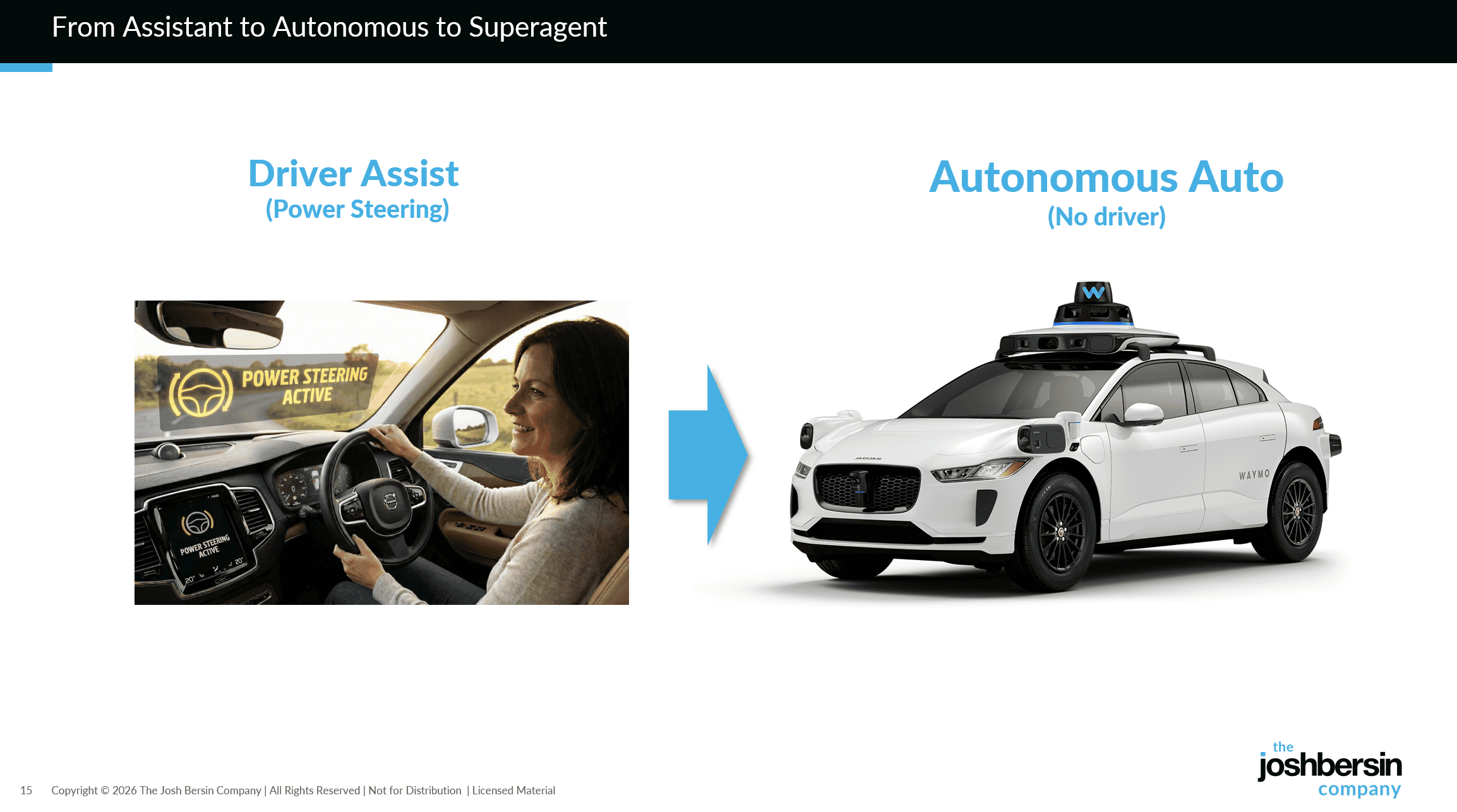
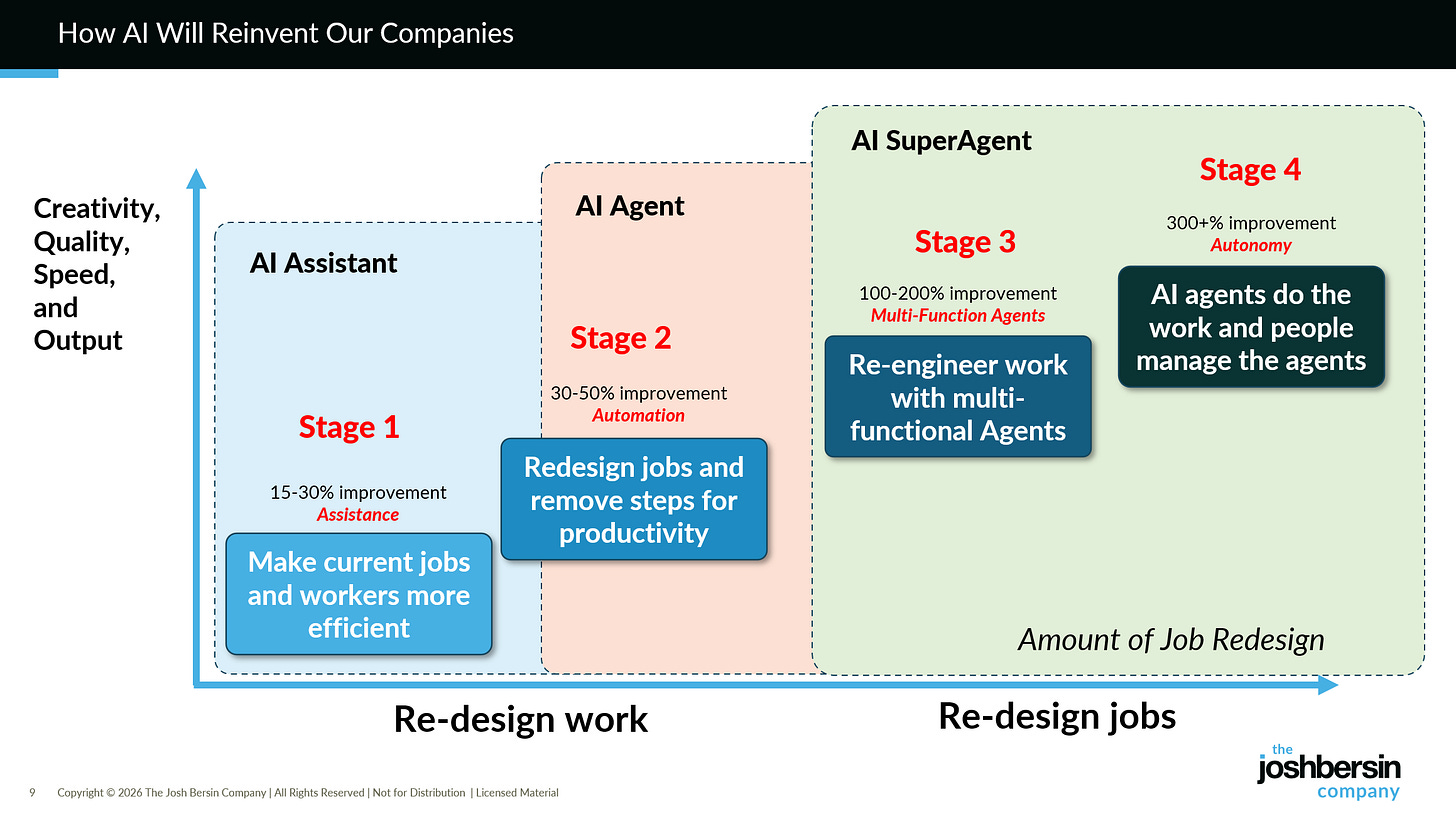
The "Autonomous Enterprise" initiative represents a significant pivot for SAP, aiming to solidify its position in the evolving enterprise software market. CEO Christian Klein’s assertion that SAP is now an AI company at its core underscores the depth of this strategic realignment. This move directly challenges the notion that AI will lead to a "SaaS Apocalypse," where startups with advanced AI capabilities render legacy enterprise systems obsolete. Instead, SAP, alongside competitors like Workday and Oracle, is pursuing a strategy of re-engineering its decades of accumulated research and development to transform its existing ERP and HCM systems into AI-powered applications.
The goal is not to discard existing investments but to leverage AI to drive innovation across domains, enhance customer and employee experiences, and create smarter, more responsive business systems. This includes providing AI assistants for functions such as financial closing, controlling, sourcing, procurement, supply chain management, recruiting, and customer relationship management. By embedding AI execution into agents that operate across the entire suite, SAP aims to make its software less visible and more intuitive, allowing users to interact with systems that can decide, recommend, escalate, and act autonomously.
This strategic shift also has implications for SAP’s financial model, potentially moving towards consumption-based and outcome-oriented pricing, rather than solely relying on traditional seat licenses. The author expresses confidence in this strategy, arguing that SAP’s deep industry knowledge, extensive customer base, and significant investment in its existing systems provide a robust foundation for reinvention and sustained growth.
Broader Impact and Implications
The implications of "The Autonomous Enterprise" extend beyond SAP’s customer base. It signals a broader trend within the enterprise software industry: the integration of AI not as a standalone feature but as a foundational element of business operations. This approach allows established vendors to leverage their existing strengths—deep domain expertise, vast data repositories, and long-standing customer relationships—to compete with agile AI-native startups.
For businesses, this means a potential pathway to enhanced efficiency, deeper insights, and more agile operations without the disruptive cost and complexity of a complete system overhaul. The ability to automate complex processes, derive actionable intelligence from vast datasets, and personalize user experiences holds the promise of significant operational and strategic advantages. As SAP continues to roll out its AI architecture and refine its agents, the enterprise software landscape will undoubtedly continue to evolve, with AI playing an increasingly central role in how businesses operate and compete. The success of "The Autonomous Enterprise" will depend on its ability to deliver on the promise of intelligent, autonomous operations that truly empower businesses to navigate an increasingly complex global economy.