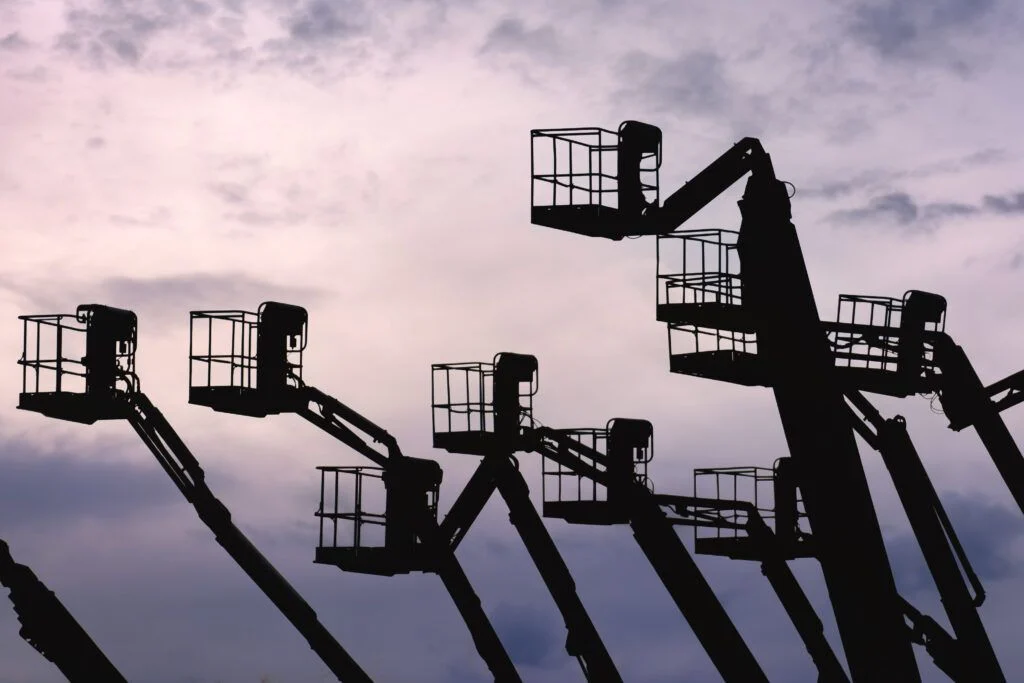
The construction and industrial maintenance sectors are witnessing a fundamental paradigm shift as traditional mechanical tools evolve into sophisticated, data-driven assets. For decades, work-at-height tasks have been synonymous with high-risk environments, characterized by significant physical strain and the constant threat of falls or equipment failure. However, the integration of advanced digital solutions into aerial work platforms (AWPs) is redefining the landscape of job-site safety and operational productivity. Modern boom lifts, once regarded merely as hydraulic extensions for human reach, have transitioned into critical nodes within a digital network, offering real-time monitoring, predictive analytics, and enhanced equipment utilization.
This technological evolution comes at a critical time for the global construction industry. As urban density increases and architectural designs become more complex, the demand for precision and safety in high-altitude work has never been higher. The transition from legacy systems to smart, interconnected platforms is not merely a luxury but a strategic necessity for firms aiming to mitigate liability, reduce downtime, and manage large-scale projects under increasingly tight deadlines.
The Technological Core: Telematics and the Digital Nervous System
At the heart of this transformation lies the implementation of telematics and intelligent sensor arrays. In the context of heavy machinery like boom lifts and scissor lifts, these components function as a digital nervous system, constantly transmitting vital signs to operators and fleet managers. These sensors are designed to monitor a wide array of variables, including battery health, hydraulic pressure, platform tilt, and load weight.
The data gathered by these systems allows for a level of oversight that was previously impossible. For instance, by continuously tracking hydraulic pressure and temperature, the system can detect minute fluctuations that may precede a mechanical failure. A slight drop in pressure or an unusual spike in heat often indicates that a hydraulic pump is nearing the end of its functional life or that a seal is beginning to fail. Through predictive maintenance, technicians can intervene before a catastrophic breakdown occurs, transforming reactive repairs into scheduled, non-disruptive service events. This proactive approach significantly extends the lifespan of the equipment and ensures that machines remain operational during peak project phases.
A Chronology of Innovation in Work-at-Height Solutions
The journey toward the modern, digitally-integrated aerial work platform has been marked by several key eras of development:
- The Mechanical Era (Pre-1970s): Early access equipment relied heavily on manual scaffolding and basic mechanical hoists. Safety was largely dependent on physical barriers and the individual caution of the worker.
- The Hydraulic Revolution (1970s–1990s): The introduction of high-powered hydraulic systems allowed for greater reach and weight capacity. While these machines revolutionized the industry, they remained "blind" tools with no internal monitoring capabilities.
- The Electronic Integration Phase (2000s–2010s): Simple electronic controls began to replace manual levers, providing smoother operation. Basic load-sensing technology started to appear as a response to tightening international safety standards.
- The IoT and Telematics Era (2020–Present): The current stage is defined by the Internet of Things (IoT). Machines are now equipped with GPS, cellular connectivity, and complex algorithms that allow them to communicate with cloud-based platforms, providing a comprehensive overview of fleet health and operator behavior.
Enhancing Safety Through Automation and Active Monitoring
Safety remains the primary driver of innovation within the AWP industry. According to data from the International Powered Access Federation (IPAF), falls from the platform, electrocution, and platform overturns remain the leading causes of serious injury and fatalities when working at height. Digital solutions are specifically engineered to target these risk factors.
Modern boom lifts are increasingly equipped with sophisticated collision avoidance systems. Using ultrasonic or laser-based sensors, these systems scan the area surrounding the platform and the machine’s chassis. If an obstacle—such as a structural beam, power line, or another vehicle—is detected, the system provides audible and visual alerts to the operator. In more advanced models, the machine is programmed to automatically decelerate or stop entirely if a collision is imminent, effectively removing the "human error" variable from the equation.
Furthermore, digital stability systems now monitor the center of gravity in real-time. When a boom lift extends its arm, the distribution of weight changes dynamically. Smart sensors calculate the exact load on the platform and the angle of the boom; if the machine approaches a configuration that could lead to a tip-over, the system restricts further movement in the dangerous direction, allowing only those actions that will return the machine to a stable state.
Operational Efficiency and Remote Fleet Management
Beyond safety, the integration of digital tools offers significant economic advantages. Fleet managers responsible for dozens or even hundreds of machines can now access a centralized dashboard to view the status of every unit in the field. This capability facilitates a more nuanced approach to asset management.
Telematics provide granular data on engine hours and idle time. In many construction scenarios, machines are left running while workers perform tasks on the platform, leading to unnecessary fuel consumption and engine wear. By analyzing this data, companies can implement better operational protocols, such as auto-shutdown features or operator training programs, to reduce fuel costs and carbon footprints.
Additionally, digital solutions have introduced robust security measures. Geofencing technology allows managers to set virtual boundaries for their equipment. If a machine is moved outside of a designated work zone without authorization, the system can trigger an alert or even disable the engine remotely. This has proven to be a vital tool in combating the rising rates of heavy equipment theft and unauthorized use on large, porous job sites.
Market Implications and Industry Responses
The shift toward high-tech AWPs is reflected in global market trends. Analysts suggest that the aerial work platform market is poised for significant growth, with a projected compound annual growth rate (CAGR) of over 6% through 2030. This growth is driven largely by the replacement of aging fleets with "smart" models that comply with new safety regulations, such as the ANSI A92 standards in the United States and the CE standards in Europe.
Industry stakeholders, from rental companies to general contractors, have reacted positively to these advancements. Project managers report that the ability to track equipment utilization helps in the planning of future projects, as they can accurately predict how many machines are needed based on historical performance data. Insurance providers are also taking note; some firms have begun offering lower premiums to contractors who utilize equipment with active safety systems and telematics, recognizing the reduced risk of workplace accidents.
However, the transition is not without its challenges. The increased complexity of these machines requires a more highly skilled workforce. Technicians must now be proficient in both mechanical repair and digital diagnostics. Similarly, operators require specialized training to understand and respond to the various alerts and data points provided by the new interfaces.
Future Outlook: Artificial Intelligence and Autonomy
Looking ahead, the next frontier for aerial work platforms is the integration of Artificial Intelligence (AI) and full autonomy. Experimental models are already being tested that can navigate complex indoor environments autonomously, using Simultaneous Localization and Mapping (SLAM) technology. In the future, we may see boom lifts that can automatically position themselves at the optimal height and angle for a specific task—such as welding or painting—based on a digital twin of the building.
As these technologies continue to mature, the focus will likely shift toward total site integration, where the boom lift communicates not just with the operator, but with other machines on site. For example, a boom lift could automatically pause its movement if a crane nearby is carrying a heavy load over its path.
Conclusion
The evolution of aerial work platforms from simple mechanical lifts to intelligent, connected systems represents a landmark achievement in construction engineering. By leveraging telematics, smart sensors, and automated safety features, the industry is effectively addressing the dual challenges of worker safety and operational productivity. While the initial investment in such advanced technology is higher, the long-term benefits—reduced accidents, minimized downtime, and optimized equipment usage—provide a clear path toward a more efficient and safer future for work-at-height operations. For companies looking to remain competitive in a rapidly modernizing market, the adoption of these digital solutions is no longer optional; it is the blueprint for success. When selecting equipment, stakeholders are encouraged to partner with reputable suppliers who prioritize the latest technological standards, ensuring that every task performed at height is supported by the full weight of modern digital innovation.