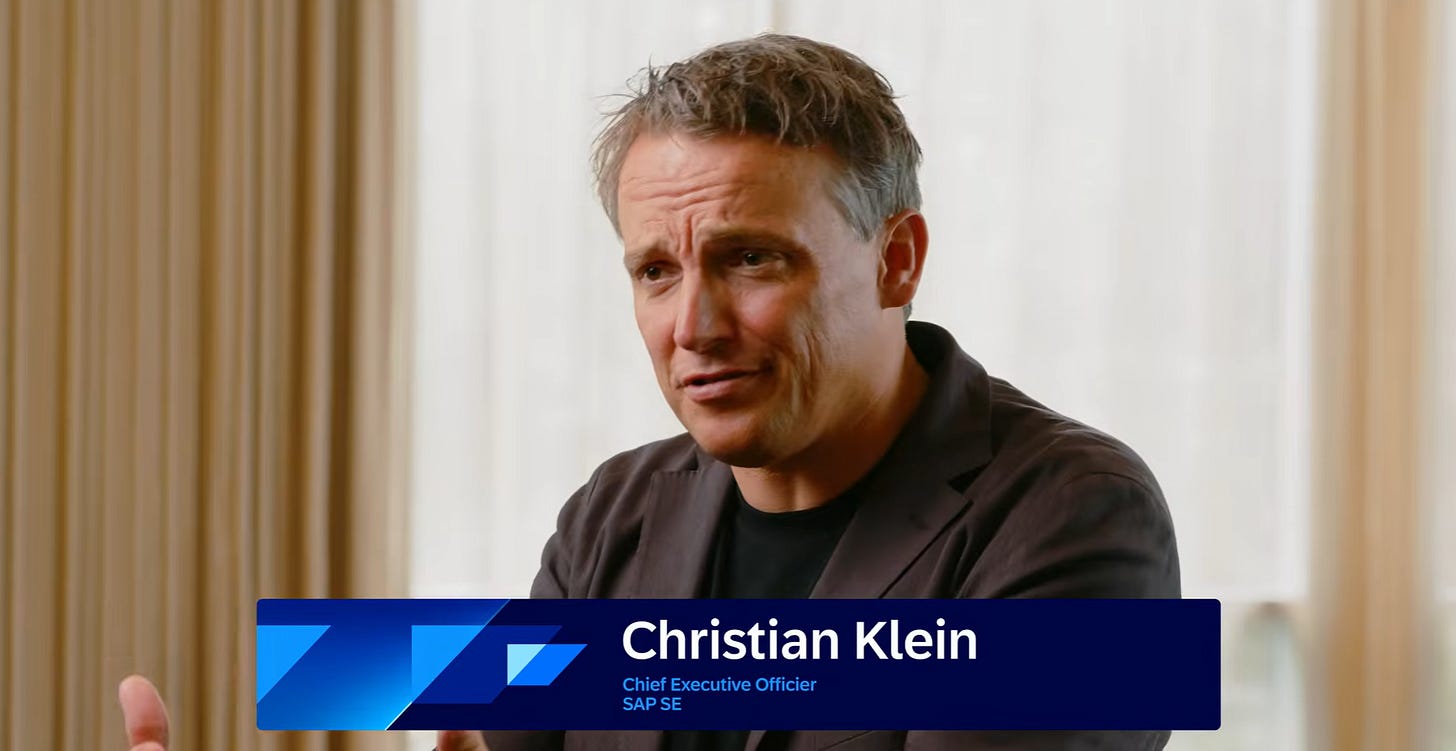
Last week, SAP, a global leader in enterprise software, announced a landmark initiative, "The Autonomous Enterprise," a comprehensive artificial intelligence architecture designed to fundamentally transform how businesses operate. CEO Christian Klein positioned the launch as a pivotal moment, declaring SAP an "AI company at its core." This ambitious undertaking, representing years of development in areas like AI agents and data management, signifies a major strategic shift for the software giant, aiming to imbue its extensive enterprise resource planning (ERP) systems with unprecedented levels of automation and intelligence.
The Autonomous Enterprise framework encompasses three core pillars: a unified AI platform for building, contextualizing, and governing intelligent agents; an autonomous suite capable of executing critical business operations; and a novel user experience engineered to redefine human interaction with enterprise software. "The Autonomous Enterprise includes a unified AI platform for building, contextualizing and governing agents, an autonomous suite that executes core business operations and a new user experience that redefines how people work with enterprise software," stated Christian Klein, CEO of SAP SE, underscoring the breadth of the initiative.
Background and Context: SAP’s ERP Dominance

SAP’s announcement arrives at a critical juncture for the enterprise software market. Unlike specialized HR platforms, SAP’s strength lies in its robust Enterprise Resource Planning (ERP) systems, which manage a vast array of business resources, including finance, human capital, supply chain, manufacturing, procurement, and vendor relationships. With over 25 distinct "industry editions," SAP’s solutions are designed to provide end-to-end visibility and control across complex value chains, from initial product conception to final delivery and customer support. This deep integration allows companies in sectors as diverse as pharmaceuticals, automotive, consumer goods, aviation, energy, healthcare, and telecommunications to meticulously track every facet of their operations.
For instance, a company using SAP can trace a product’s profit margin decline in a specific region back to granular details such as price increases from a select group of suppliers. Previously, such complex analyses would necessitate extensive manual data mining by dedicated analyst teams. The Autonomous Enterprise aims to automate this diagnostic process.
The Dawn of Intelligent Automation: SAP’s AI Vision
The core of SAP’s new architecture lies in its AI capabilities, particularly its focus on "autonomous" agents. While the term "autonomous" may suggest systems operating entirely without human intervention, SAP’s initial rollout emphasizes intelligent automation and sophisticated decision support. The company has announced the development of over 224 agents, many designed to identify and rectify sub-optimal business processes.
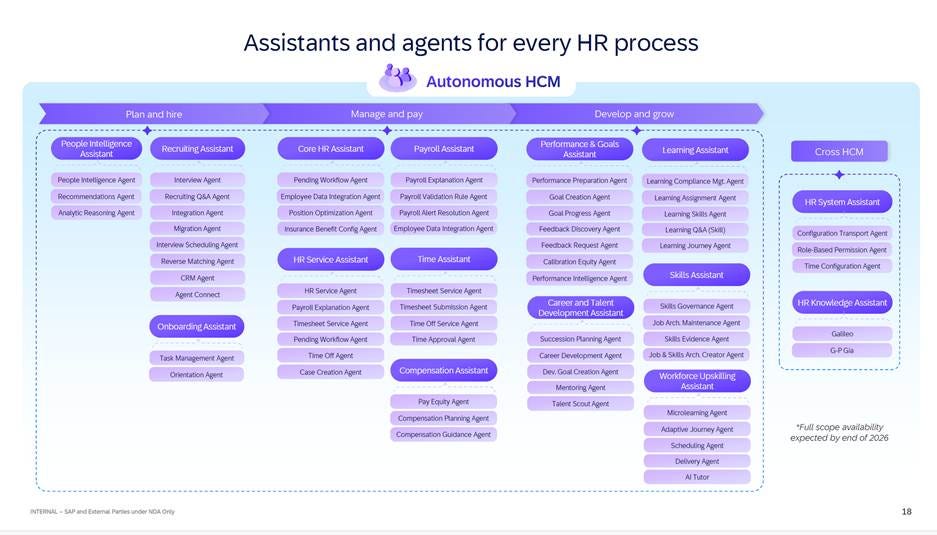
Within the Human Capital Management (HCM) domain alone, SAP has detailed numerous agents, each targeting specific HR processes. These agents, while varied in their scope and naming conventions, reflect a commitment to automating and optimizing HR functions. The fundamental question for enterprise AI adoption remains: are these agents merely automating existing, time-consuming tasks, or are they facilitating a deeper redesign of core business processes? SAP’s initial releases appear to lean heavily towards the former, automating current workflows to enhance efficiency.
A Phased Approach to Autonomy
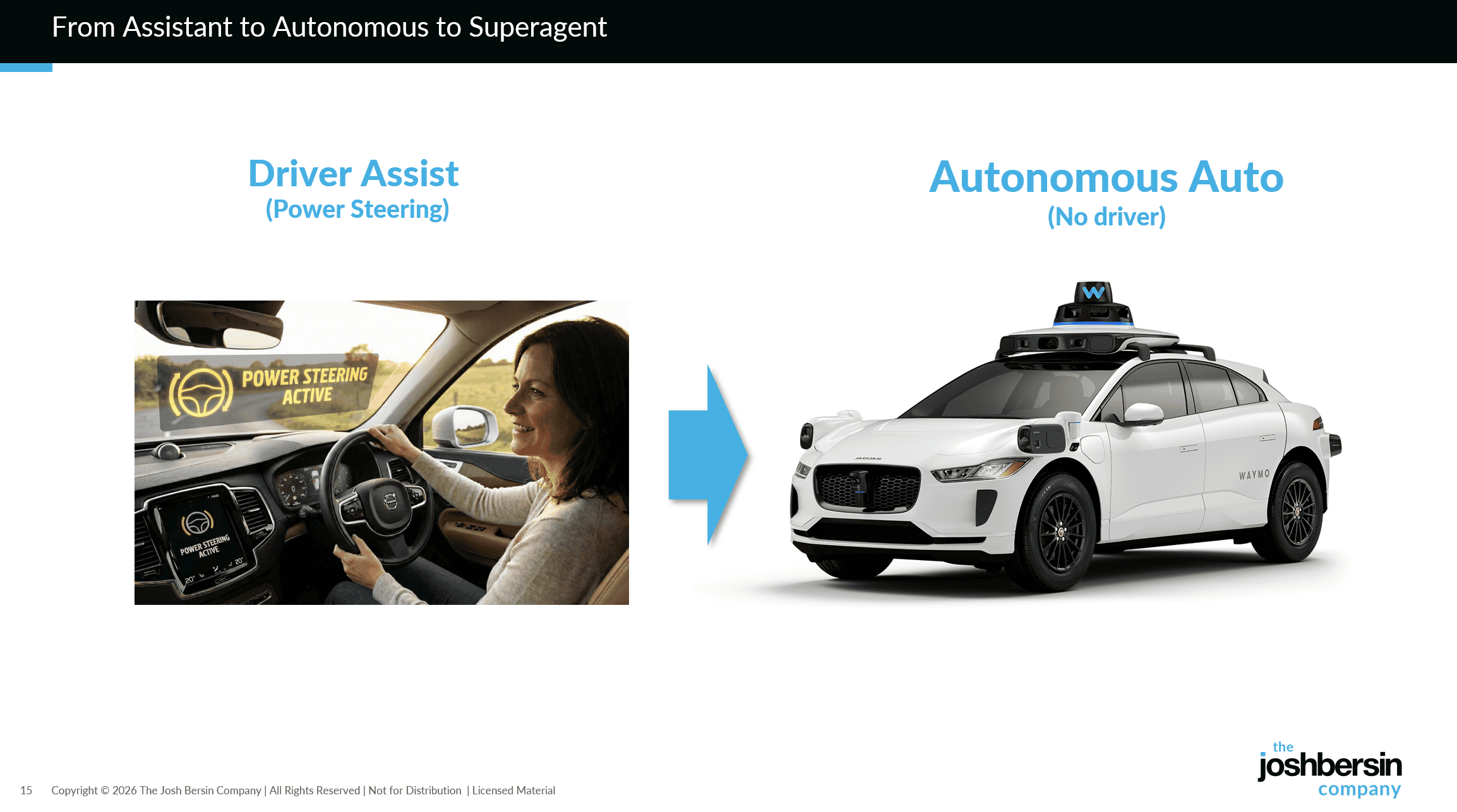
SAP’s strategy can be viewed as a progression from enhanced automation to more profound transformation. The initial phase, akin to "driver assist" in autonomous vehicles, focuses on automating existing processes. This means that even complex SAP systems, as they currently exist, can be made to operate more autonomously and effectively. For example, in SuccessFactors demos, SAP highlighted its agents’ ability to automate payroll processes—a notoriously complex and error-prone area—and to personalize employee development. These agents can identify issues, implement corrections, generate alerts, and target employees with tailored upskilling opportunities.
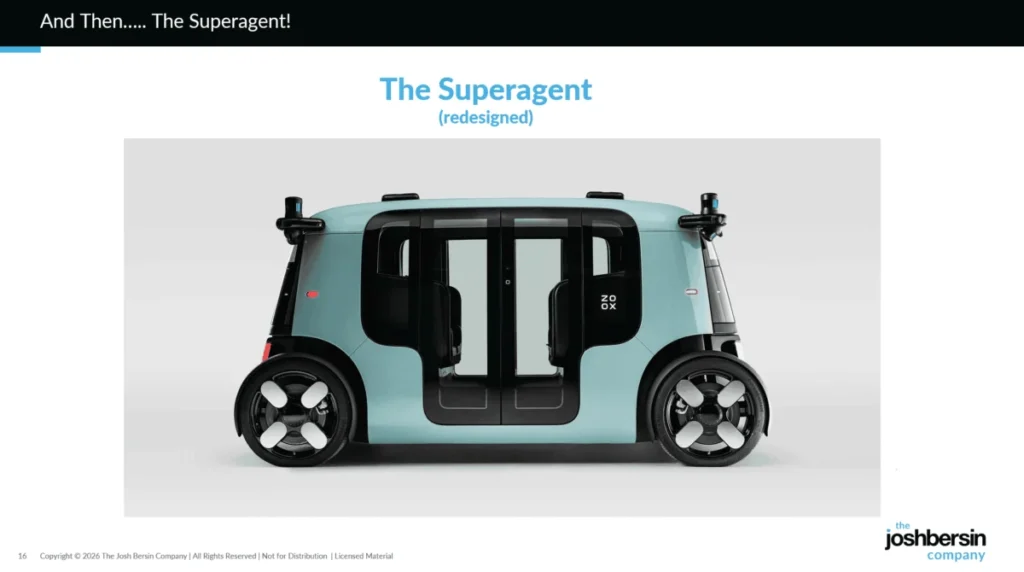
However, the long-term potential of AI, as articulated by industry analysts, lies in "process redesign" rather than mere automation. This distinction is often illustrated by comparing Waymo’s self-driving car, which operates within the established framework of a traditional automobile, to Zoox’s vehicle, which reimagines the entire automotive experience for passengers. SAP, in its current iteration, is positioned more as a "Waymo"—optimizing existing operations—though the potential for future "Zoox-like" transformation exists.
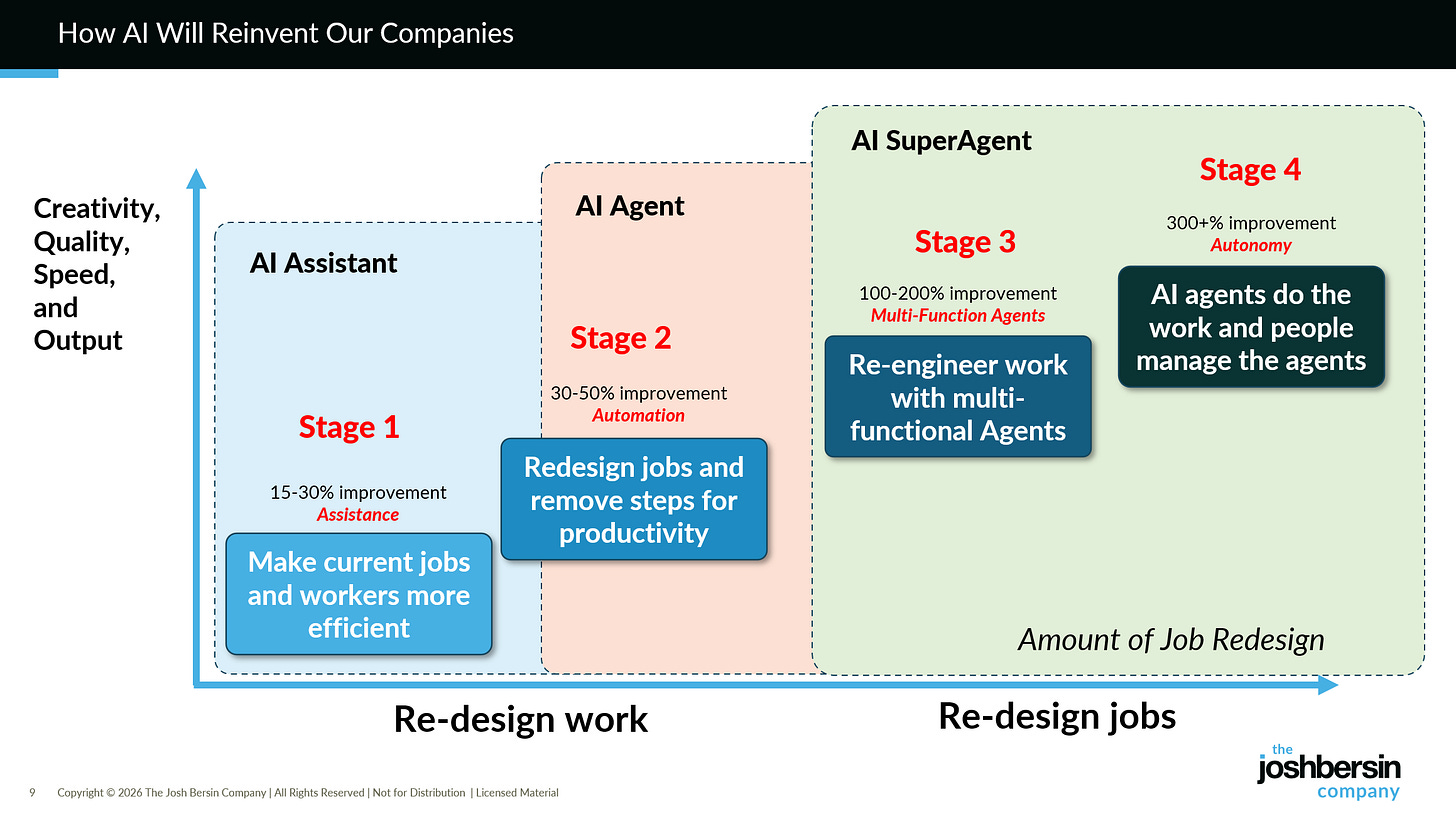
SAP’s four-stage model for AI agent use cases suggests that while automation (Stage 2) provides significant value, Stages 3 and 4, which involve more advanced redesign and strategic application, offer a substantially higher return on investment. The company has already released 224 agents and 51 assistants across four key business areas, indicating a robust initial deployment.
Under the Hood: The Technological Pillars of the Autonomous Enterprise
At the heart of SAP’s Autonomous Enterprise architecture lies a sophisticated integration of several key technologies. A prominent "blue AI layer" forms the foundation, incorporating a data fabric and numerous AI models. A critical innovation within this layer is SAP’s proprietary tabular data model, SAP-RPT-1.5. Unlike general-purpose Large Language Models (LLMs) that can struggle with structured data, SAP-RPT-1.5 is optimized for analyzing, evaluating, and modeling massive tables, which form the bedrock of business software. This model enables users to discover, analyze, and query complex, real-time business data, facilitating "what-if" scenario planning. A public playground for this technology is available, inviting data professionals to explore its capabilities.
Central to the architecture is the SAP Knowledge Graph. This component acts as the "brain" of the system, mapping the thousands of business entities, structures, and rules within SAP into a semantic layer that can be understood and queried through natural language. When a user asks a question, such as about family leave policies or the earlier profit margin issue, the Knowledge Graph translates this query into context-specific functional requests to retrieve the necessary data and information. The integration of Galileo, an intelligence layer that enhances the Knowledge Graph and Joule, provides advanced HR, human capital, and leadership advisory capabilities, and is currently available within SAP systems.
On the user interface and agent development front, Joule serves as both the primary copilot for end-users and the development environment for agents. Initially launched as a transactional chatbot, Joule has evolved significantly. The new Joule Studio is presented as an enterprise-class development tool, offering a structured environment for designing, building, testing, integrating, and managing complex agents. This contrasts with the more informal "vibe coding" often associated with some LLM-based development tools. SAP’s approach aims to provide IT teams and SAP developers with a robust platform for creating a wide range of agents, potentially allowing them to "redesign SAP" from within Joule by building highly personalized onboarding systems or other tailored workflows.
Similar to competitors like ServiceNow and Workday, SAP’s platform allows for interoperability with other systems and non-SAP agents through its data layer and agent management system. While ServiceNow offers an "agent platform beyond SAP" and Workday focuses on a "platform for agents," SAP is pursuing a dual strategy, providing both a comprehensive internal platform and enabling external integration. Joule Studio, in particular, offers developers access to SAP’s unique data objects and modules across the entire suite, positioning it as a highly advanced development environment. For end-users, Joule functions as an intuitive conversational interface, akin to Workday’s Sana or ServiceNow’s Otto, enabling them to interact with the system and perform tasks through natural language queries.
"Big Memory" and AI Governance
A significant, albeit briefly mentioned, aspect of SAP’s announcement is the concept of building massive context windows to store an entire "company memory." This "company corpus"—a comprehensive dataset of operational knowledge encompassing customers, products, processes, rules, documents, and emails—could enable AI models to continuously analyze, model, and improve business operations. This "company model" approach, detailed in industry research on HR 2030, has the potential to directly identify factors contributing to performance gaps. Early experiments with such models have shown remarkable success in tasks like organizational restructuring and talent reallocation based on historical job roles and skills. The potential to embed this collective organizational knowledge into AI systems promises to uncover operational best practices and drive significant improvements across thousands of business activities. While SAP is exploring this, industry observers anticipate similar advancements from competitors like Workday.

Recognizing the critical need for responsible AI deployment, SAP has also introduced the AI Agent Hub. This system functions as a management platform, analogous to offerings from Workday and ServiceNow, providing governance over AI agents. It supports non-SAP agents and includes tools for controlling agent activity, verifying their integrity, managing data access, and coordinating agent interactions. A key challenge highlighted in the research is the coordination of agent-to-agent communication. For instance, an HR agent delivering personalized training should ideally interact with agents responsible for development planning, performance management, and employee workload monitoring, creating a complex web of interdependencies.
SAP’s Evolution: An AI Company in the Making?
The strategic implications of SAP’s "The Autonomous Enterprise" initiative are profound. While the threat of disruption from AI-native startups is real, SAP, alongside other established enterprise software vendors like Workday and Oracle, is demonstrating a clear strategy to re-engineer their decades of accumulated R&D and transform their existing ERP and HCM systems into AI-powered applications. This approach suggests that the "SaaS Apocalypse" narrative may be premature, as legacy systems are likely to evolve rather than be entirely replaced in the near term.
SAP CEO Christian Klein’s assertion that SAP is now an AI company is rooted in the vision of embedding AI execution directly into intelligent agents that operate across the entire software suite. This paradigm shift means that users will interact less with static workflows and more with dynamic agents that can decide, recommend, escalate, and act. This evolution also portends a shift in SAP’s financial model, moving towards consumption-based and outcome-oriented pricing, rather than solely relying on traditional seat licenses.
This strategy is poised to re-energize SAP’s growth by leveraging AI to drive cross-domain process innovation, enhance customer and employee experiences, and create smarter, more responsive business systems. By allowing the creation of "Superagents" through platforms like Joule, SAP empowers its vast customer base to adapt and innovate without discarding substantial existing investments. As a result, finance departments can benefit from assistants for closing processes, procurement from sourcing and buying assistants, supply chains from delivery optimization agents, HR from recruitment and career development tools, and customer-facing functions from assistants across sales, service, marketing, and offer management.
The enduring value of SAP lies in its deep industry and business knowledge, accumulated over decades and embedded within its systems. By integrating AI, SAP aims to reinvent and invigorate its market position, offering a compelling path forward for businesses seeking to harness the power of artificial intelligence within their established operational frameworks. The success of this strategy will hinge on its ability to deliver tangible value and demonstrate measurable improvements in efficiency and decision-making, ultimately solidifying SAP’s claim as a leader in the evolving AI-driven enterprise landscape. The company’s continued updates on this initiative will be closely watched by the industry.