The modern global economy faces a pervasive challenge: widespread employee disengagement. Far from a mere HR issue, this phenomenon represents a significant drag on organizational performance, motivation, and productivity, costing the global economy an estimated $8.9 trillion in lost productivity annually. Stark figures from Gallup’s State of the Global Workforce Report paint a sobering picture: only 23% of employees worldwide report feeling "engaged," while a staggering 62% are "not engaged," and 15% are "actively disengaged." This critical data underscores an undeniable truth: many organizations are failing to truly connect with their workforce, highlighting an urgent need for more effective listening mechanisms. Employee engagement surveys have emerged as one of the most reliable and data-driven methods to understand the pulse of an organization, providing leaders with an actionable pathway to gather honest feedback, identify strengths, pinpoint areas for improvement, and ultimately foster a more connected, motivated, and high-performing workforce.
The Unseen Costs and Tangible Benefits of Engagement
The financial implications of disengagement extend beyond abstract productivity losses. Actively disengaged employees are often less productive, more prone to absenteeism, and more likely to leave, contributing to higher turnover costs, which can range from half to two times an employee’s annual salary. Conversely, highly engaged workforces demonstrate significant advantages. Research consistently shows that organizations with high employee engagement enjoy 21% higher profitability, 17% higher productivity, and 10% higher customer ratings. They also experience 41% lower absenteeism and 59% less turnover. In an era defined by intense competition for talent and rapid market shifts, fostering engagement is not merely a benevolent gesture but a strategic business imperative that directly impacts a company’s bottom line and long-term sustainability. The "Great Resignation" phenomenon, which saw millions voluntarily leave their jobs, further amplified the need for organizations to proactively understand and address employee sentiment to retain critical talent.
The Evolution of Employee Voice: From Annual Ritual to Continuous Dialogue
The concept of surveying employees is not new, evolving significantly from early "morale surveys" in the mid-20th century to sophisticated engagement platforms today. Initially, companies might conduct annual employee satisfaction surveys, a once-a-year snapshot designed to gauge general contentment. While valuable, these infrequent assessments often missed critical shifts in sentiment, leaving leaders reacting to outdated data. The rise of the knowledge economy, coupled with generational shifts in workforce expectations for transparency and voice, necessitated a more dynamic approach. This led to the adoption of "employee engagement surveys" which delve deeper than mere satisfaction, exploring factors like purpose, growth, recognition, and connection. More recently, the advent of digital tools and agile methodologies has ushered in the era of "continuous listening" and "pulse surveys." These shorter, more frequent check-ins allow organizations to monitor engagement in real-time, adapting strategies quickly and demonstrating a genuine commitment to ongoing improvement. This chronological shift reflects a growing understanding that employee feedback is not a periodic compliance exercise but an ongoing dialogue essential for organizational health.
Deconstructing the Engagement Survey: What to Measure and How to Ask
At its core, an effective employee engagement survey is a powerful diagnostic tool that gets people talking honestly. The anonymity offered by well-designed surveys empowers employees to voice genuine opinions, concerns, and ideas that might otherwise remain unsaid in face-to-face meetings. This candor provides leaders with a sharper, more human picture of the organizational climate, revealing what motivates employees and what quietly holds them back.
Surveys can measure a wide array of factors influencing the day-to-day experiences of a workforce, including:
- Well-being: Emotional, physical, and mental health support.
- Motivation: Drive, enthusiasm, and commitment to work.
- Connection: Sense of belonging, team cohesion, and alignment with organizational values.
- Recognition: Feeling valued and appreciated for contributions.
- Manager Effectiveness: Quality of leadership, feedback, and support from direct supervisors.
- Career Growth: Opportunities for development, advancement, and skill-building.
- Compensation & Benefits: Perceived fairness and adequacy of remuneration and perks.
- Workplace Culture: The overall environment, inclusivity, and supportiveness.
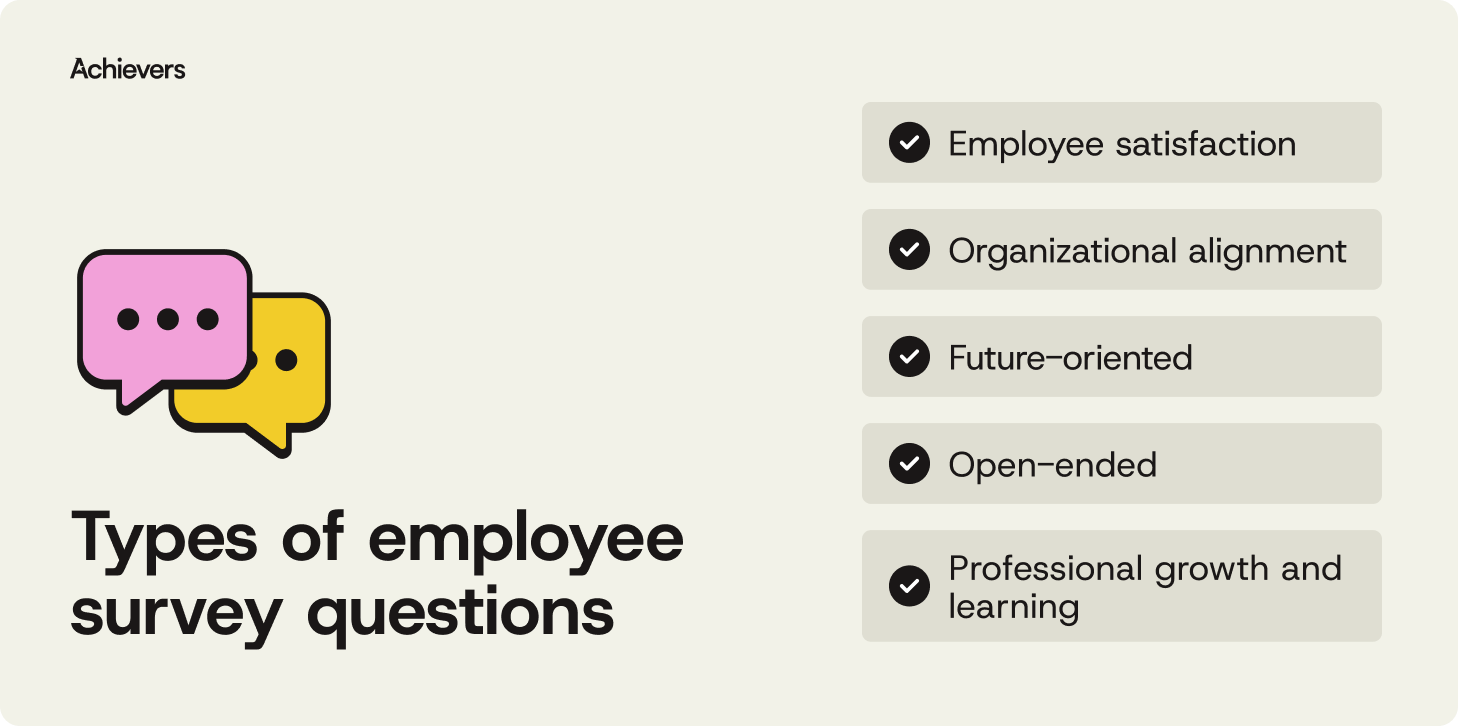
Crafting the right questions is paramount to extracting meaningful insights. Questions typically fall into several key categories:
1. Employee Satisfaction Survey Questions: These questions delve into the immediate, day-to-day experiences of employees.

- "How do you feel about work today?" This simple check-in gauges immediate sentiment, often using visual scales (e.g., emojis) for ease of response, with optional comment fields for deeper insights.
- "Would you recommend us to your friends as an employer?" This Net Promoter Score (eNPS) style question acts as a powerful benchmark for employee advocacy, reflecting overall employee experience.
- "Do you feel excited about coming to work?" Excitement is a strong indicator of intrinsic motivation and engagement.
- "Are you proud of working for the company?" Pride often correlates with a strong connection to the organization’s mission and values.
- "Are you satisfied with your current compensation and benefits?" While not the sole driver of engagement, fair compensation and relevant benefits are foundational to employee contentment.
- "Do you enjoy working with your team?" Strong team dynamics significantly boost belonging and daily engagement.
2. Organizational Alignment Employee Engagement Survey Questions: These questions explore how employees connect with the broader organizational vision, culture, and leadership.
- "Do you find your work for [organization] meaningful?" This question probes the employee’s sense of purpose, a critical driver of resilience and retention.
- "Does the company’s vision and values inspire you?" This assesses the clarity and resonance of the organization’s mission and values, often revealing gaps if they are not genuinely embodied.
- "Do others provide you with recognition for your accomplishments at work?" Recognition, especially from managers, is a powerful motivator. This question identifies whether appreciation is consistently delivered.
- "Does our workplace culture foster a comfortable, supportive work environment?" This evaluates whether the espoused culture translates into a lived experience of support and psychological safety.
- "Is leadership invested in and contributing to your culture initiatives?" Employees observe leaders closely. This question gauges whether leadership actively models desired cultural behaviors.
3. Future-Oriented Employee Engagement Survey Questions: These questions aim to identify potential issues before they lead to turnover, focusing on career trajectory and future intent.
- "Do you see yourself working here in a year?" Given that nearly half of professionals considered leaving their jobs in 2024, this question is a crucial indicator of retention risk.
- "Does your work challenge you and aid your development?" Employees seek growth. This question uncovers whether they feel appropriately challenged, supported, and are acquiring new skills.
- "Do you see a path for career advancement?" Lack of perceived growth opportunities is a primary driver of attrition.
- "Do you have the tools needed to maximize your potential here?" This identifies practical barriers to high performance, such as insufficient resources, technology, or training.
- "Have you recently thought about leaving?" A direct, albeit challenging, question that, when answered anonymously, can reveal deep-seated issues leading to turnover intent.
- "Has anyone at the company asked about and expressed support for your career goals?" This highlights the presence (or absence) of critical career development conversations between employees and their managers/mentors.
4. Open-Ended Employee Engagement Survey Questions: These qualitative questions provide invaluable context, nuance, and innovative ideas that quantitative scales cannot capture.
- "What practices do we need to change?" This invites specific, actionable recommendations for improvement.
- "Are there any problems with our culture?" Employees often have unique insights into cultural misalignments or pain points.
- "How can we help improve your engagement at work?" Directly asking employees what they need can uncover simple solutions and larger strategic opportunities.
5. Professional Growth and Learning Opportunities Questions: These focus on development, a key driver of engagement and retention.
- "Do you feel encouraged to learn new skills and grow professionally?" This assesses the organizational support for continuous learning.
- "Are there sufficient training programs or resources available to help you succeed in your role?" This identifies gaps in essential tools and guidance.
- "Do you have clear career development paths or mentorship opportunities within the organization?" Clarity in career progression and access to mentorship significantly boost confidence and retention.
Designing Effective Survey Questions: Quantitative vs. Qualitative
Designing impactful survey questions involves a strategic mix of quantitative and qualitative approaches. Quantitative questions typically use rating scales (e.g., Likert scales from "Strongly Disagree" to "Strongly Agree") or multiple-choice options. They are ideal for:
- Tracking trends: Monitoring changes in sentiment over time.
- Benchmarking: Comparing results across teams, departments, or against industry standards.
- Identifying patterns: Spotting widespread issues or areas of strength.
- Examples: "On a scale of 1 to 10, how satisfied are you with your current role?"; "How likely are you to recommend our organization as a great place to work?"; "How often do you receive recognition for your work? (Never, Rarely, Sometimes, Often, Always)".
Qualitative questions, conversely, are open-ended, inviting employees to elaborate in their own words. They are crucial for:
- Understanding "why": Providing context and deeper meaning behind quantitative scores.
- Uncovering unforeseen issues: Revealing problems or ideas not covered by structured questions.
- Fostering a sense of being heard: Allowing employees to express themselves fully.
- Examples: "What is one thing you would change about your daily work experience?"; "What do you appreciate most about working here?"; "What resources or support do you feel are missing?"
To maximize the value of qualitative responses, questions should be clear, unbiased, and open-ended. Piloting surveys with a small group can help ensure clarity and resonance, sparking the honest, meaningful insights leaders seek.
Beyond Data: The Imperative of Action Planning
Collecting feedback is merely the first step; the true value of employee engagement surveys lies in the subsequent action. Once feedback is gathered, the next critical phase is to identify overarching themes that most significantly impact engagement, productivity, and retention. These themes often revolve around recognition, manager effectiveness, career growth, and connection to purpose. Surveys tell you "what" is happening; action planning dictates "how" you will improve it.
A robust action plan begins with prioritization. Instead of attempting to address every piece of feedback simultaneously, organizations should focus on issues that are most salient to employees and align with strategic organizational goals. Each prioritized initiative requires clear ownership, measurable goals, and regular communication of progress to the workforce. This transparency is vital. When employees witness their feedback translating into tangible change, trust in the process grows, and future participation rates improve. Continuous listening only flourishes in an environment where employees genuinely believe their voices are not just heard but acted upon.
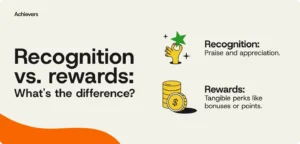
A prime example of a high-impact, actionable area is recognition. Research from the Achievers Workforce Institute (AWI) consistently shows that employees who feel appreciated are 12 times more likely to find their work meaningful and 17 times more likely to envision a long-term career with their organization. If survey results highlight challenges related to motivation, belonging, or retention, enhancing the frequency and visibility of recognition programs can serve as a powerful and immediate first step toward boosting engagement.
Best Practices for Maximizing Survey Impact
To ensure surveys yield genuinely useful insights and foster a sense of being heard, several best practices should be observed:
- Keep Questions to the Point: Concise, clear questions reduce ambiguity and respondent fatigue, encouraging honest responses. Consistency in questions over time is also crucial for tracking progress effectively.
- Incorporate Open-Ended Questions: While quantitative data is vital, open-ended prompts or comment boxes allow employees to provide rich context, innovative ideas, and nuanced concerns in their own words.
- Conduct Surveys Regularly (Pulse Surveys): Annual surveys offer only a snapshot. More frequent "pulse" surveys demonstrate continuous listening, allowing organizations to detect and address issues proactively before they escalate.
- Ensure Anonymity: Trust is foundational. Anonymous surveys empower employees to speak freely without fear of repercussions. While anonymity is paramount, offering an option to self-identify for follow-up support can also be valuable, alongside directing employees to confidential channels for serious concerns.
- Provide Dedicated Time and Space: Signalling that employee input is valued means allocating time during the workday for survey completion and ensuring a private, quiet environment. This transforms it from an "after-hours chore" into a recognized part of work.
- Always Follow Up on Feedback: The most critical step. Share high-level findings, outline planned actions, and provide regular updates on progress. This visible commitment to change is what truly builds trust, reinforces the value of employee voice, and increases future participation.
Pulse Surveys: The New Frontier in Continuous Listening
Pulse surveys represent a smarter, more agile approach to gathering employee insights. Unlike lengthy annual surveys, pulse surveys are short, focused check-ins conducted frequently (e.g., weekly, bi-weekly, monthly). This approach allows organizations to:
- Capture real-time sentiment: Understand how employees are feeling now, not months ago.
- Track shifts over time: Identify trends and the impact of recent initiatives.
- Maintain agility: Respond quickly to emerging issues or celebrate successes promptly.
- Reduce survey fatigue: Shorter surveys are less daunting and encourage higher completion rates.
When integrated with advanced platforms like Achievers Pulse, these quick check-ins transform into actionable intelligence. Such tools offer research-backed question libraries, flexible scheduling, and intuitive dashboards that convert raw data into clear, actionable insights, enabling leaders to pinpoint areas needing attention and measure the impact of interventions with precision.
Strategic Implications for Modern Organizations
The strategic implications of effective employee engagement surveys are profound. In an increasingly competitive global landscape, organizations that prioritize employee voice and act on feedback gain a significant advantage in talent attraction and retention. A strong, responsive culture, built on a foundation of trust and psychological safety, becomes a key differentiator. By leveraging data from engagement surveys, HR departments transition from administrative functions to strategic partners, providing insights that inform business decisions, shape organizational development, and drive sustainable growth. Investing in comprehensive employee feedback mechanisms is not just about making employees happier; it’s about building more resilient, innovative, and ultimately more successful organizations.
In conclusion, the pervasive challenge of employee disengagement demands a robust and proactive response. Employee engagement surveys, particularly when implemented with best practices and supported by advanced platforms, offer a powerful means to diagnose, understand, and improve the employee experience. By moving beyond mere data collection to focused action planning and continuous listening, organizations can transform employee feedback into a catalyst for positive change, cultivating a thriving culture where every voice is heard, valued, and instrumental in shaping a more engaged and productive future. Platforms like Achievers’ Voice of Employee tool and Pulse surveys empower organizations with the capabilities needed to gather authentic feedback, identify critical areas, and take meaningful actions that resonate deeply with employees, ultimately strengthening culture and performance with every interaction.