
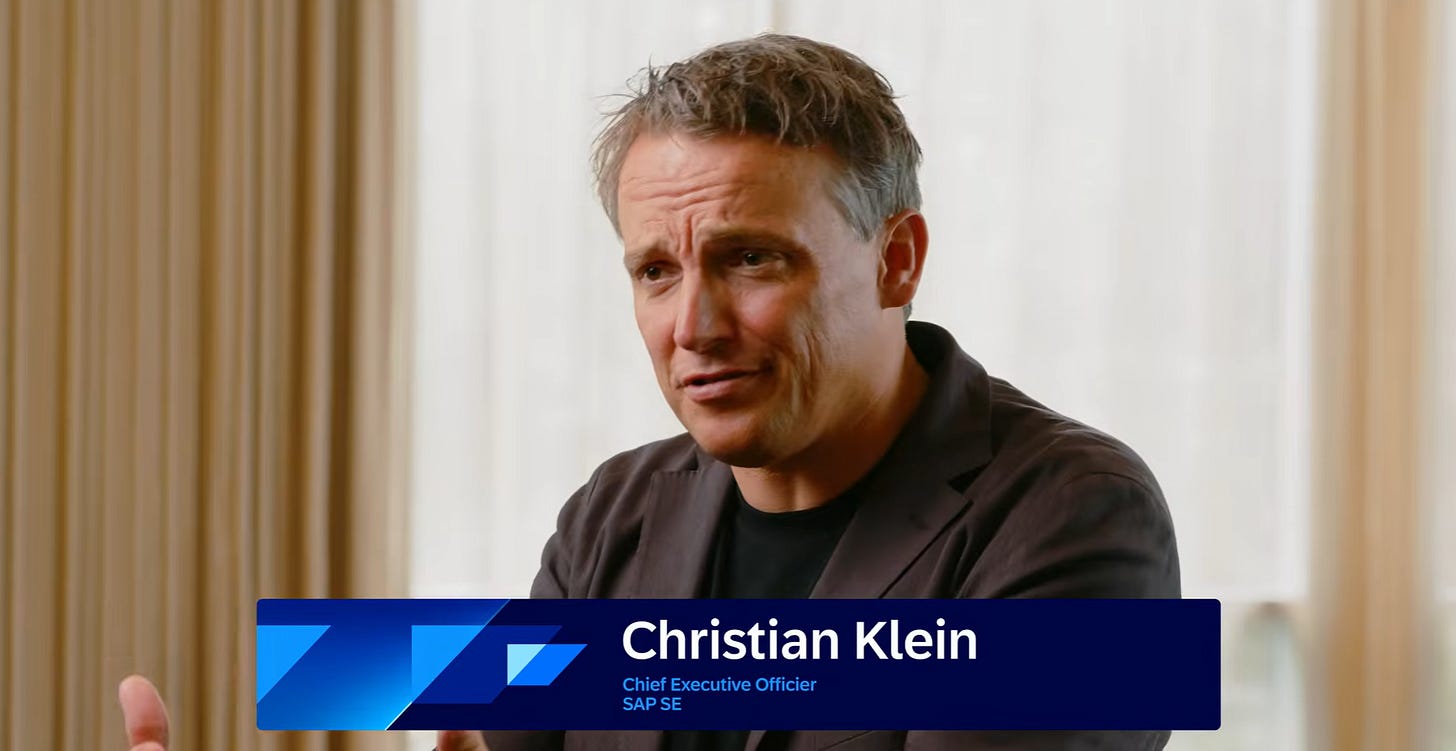
SAP, a titan in enterprise resource planning (ERP) software, has announced a significant strategic shift with the launch of "The Autonomous Enterprise," a comprehensive artificial intelligence (AI) architecture designed to embed AI at the core of its operations. Unveiled recently, this initiative marks one of SAP’s most substantial announcements in years, with CEO Christian Klein asserting that the company is now an "AI company at its core." The new architecture aims to unify AI capabilities, automate business processes, and introduce a redefined user experience within enterprise software.
The announcement, made during a period of intense innovation in the enterprise AI space, positions SAP to leverage its deep understanding of complex business processes across numerous industries. For over three years, SAP has been developing foundational AI technologies, including its Joule AI copilot and various agent-based functionalities, culminating in this ambitious architectural overhaul. The Autonomous Enterprise is built upon three key pillars: a unified AI platform for building, contextualizing, and governing AI agents; an autonomous suite designed to execute core business operations; and a novel user experience that aims to transform human interaction with enterprise software.
"The Autonomous Enterprise includes a unified AI platform for building, contextualizing and governing agents, an autonomous suite that executes core business operations and a new user experience that redefines how people work with enterprise software," stated Christian Klein, CEO of SAP SE, in a statement accompanying the launch.
A Deep Dive into SAP’s AI Transformation
SAP’s strategy with "The Autonomous Enterprise" is to move beyond simple automation and toward a more intelligent, self-optimizing business environment. Unlike companies focused on specific niche solutions, SAP operates at the heart of enterprise resource planning (ERP), managing the intricate web of financial, human capital, supply chain, manufacturing, and procurement processes that underpin global businesses. With over 25 industry-specific editions, SAP’s systems are capable of tracing a product’s lifecycle from sale back to its constituent parts, suppliers, and contractual agreements. This end-to-end visibility is crucial for businesses in sectors as diverse as pharmaceuticals, automotive, consumer goods, aviation, and telecommunications.
The power of this integrated approach is amplified by AI. For instance, a company could query its SAP system about a decline in profit margins for a specific product group in a particular region. Traditionally, this would necessitate extensive manual analysis by a team of experts. With the new AI stack, such a question posed to Joule could trigger an automated analysis, identifying root causes ranging from fluctuating sales commissions and increased shipping costs to the price of raw materials. SAP’s AI aims to sift through this complexity, pinpointing the primary drivers, such as the impact of a specific supplier’s price adjustments.
In the realm of Human Capital Management (HCM), the implications are equally profound. Complex questions about team underperformance—whether attributable to leadership, training, tenure, market dynamics, or competitor actions—can now be addressed with greater precision. While "skills" have often been considered a universal solution, SAP’s AI approach acknowledges that factors like weak leadership, misaligned teams, or inefficient business processes can also hinder performance. This presents a significant optimization challenge that the Autonomous Enterprise aims to tackle.
Key Components of The Autonomous Enterprise
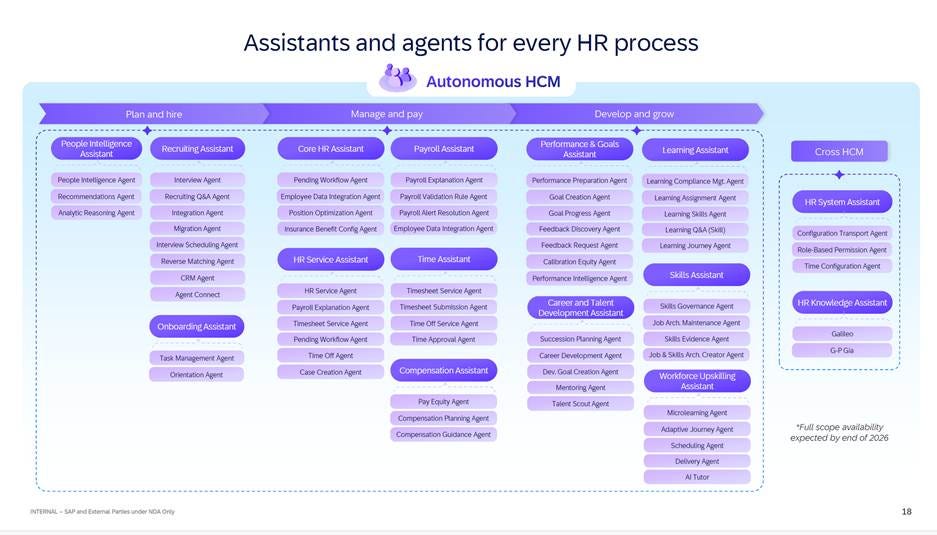
The overarching theme of "autonomy" suggests a future where SAP systems can operate with reduced human intervention, proactively identifying and rectifying suboptimal processes. This vision is realized through the introduction of numerous AI agents, with SAP announcing over 224 agents focused on various automation tasks.
Within the Human Capital Management (HCM) domain alone, SAP has detailed specific agents designed to streamline and enhance HR operations. These agents, while varying in their scope and naming conventions, are designed to address specific processes. The effectiveness of these agents hinges on whether they primarily simplify existing manual tasks or fundamentally redesign how HR functions. SAP’s approach appears to lean towards automating current processes, making them more autonomous and efficient, rather than a complete overhaul of existing workflows.
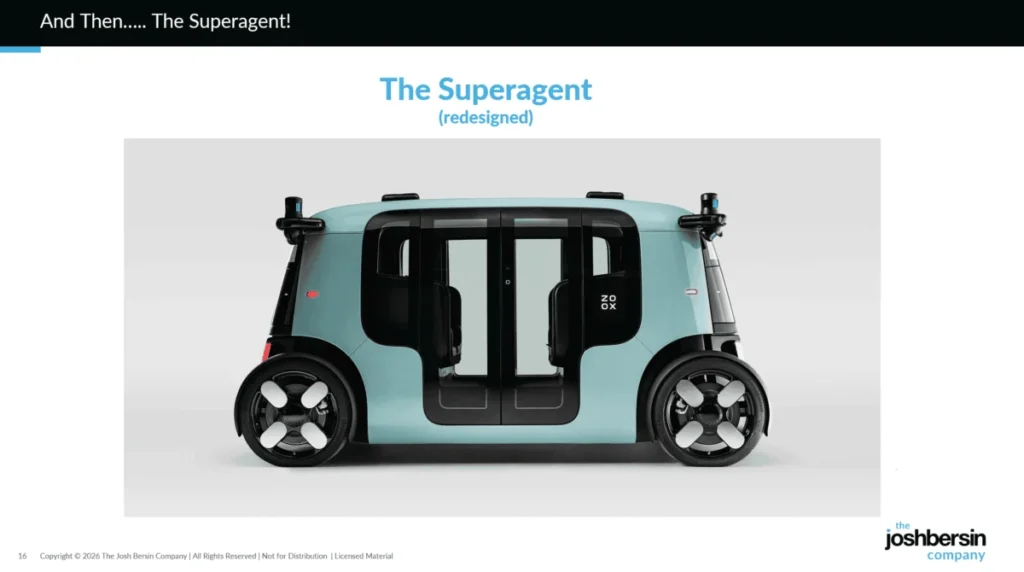
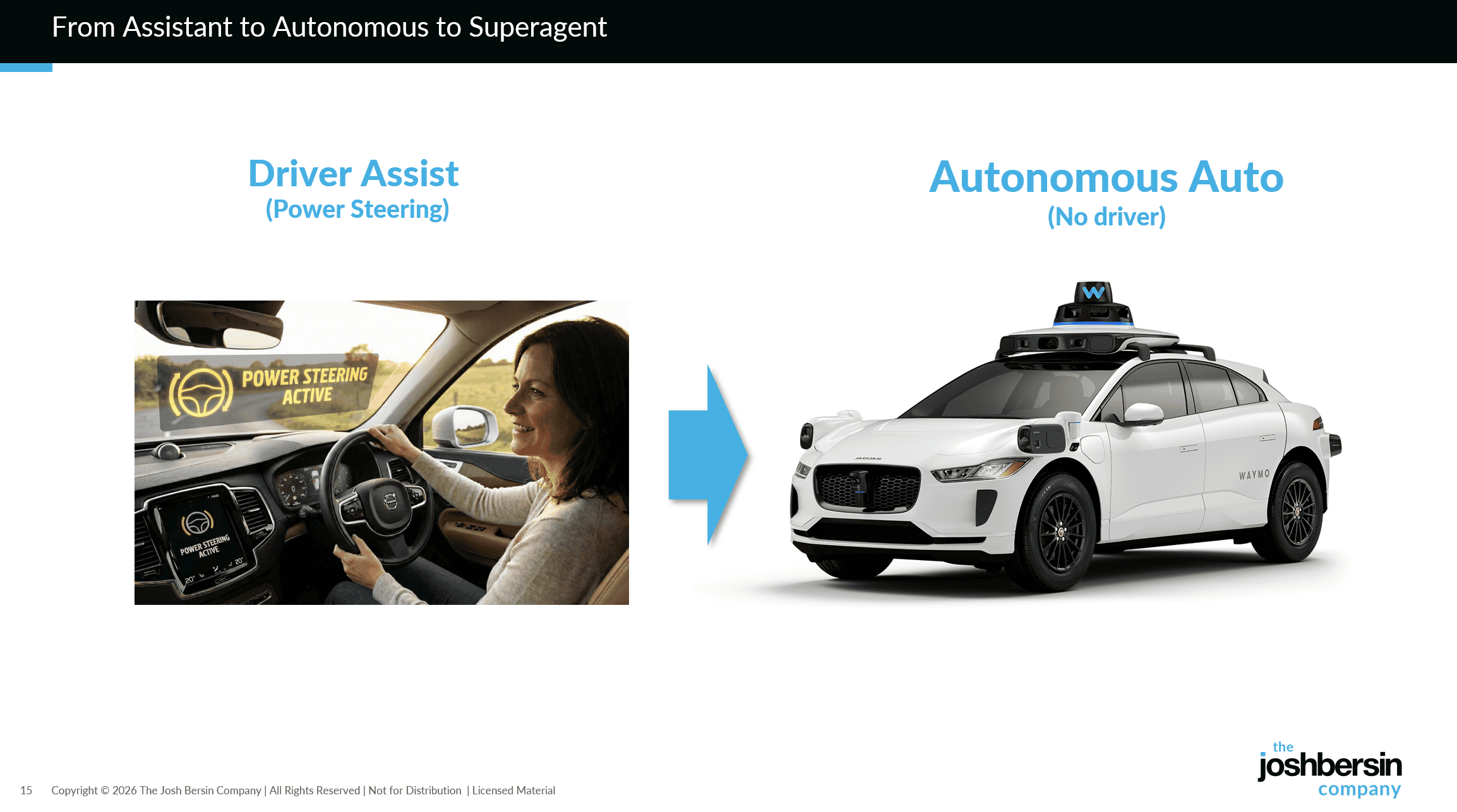
Comparing SAP’s Approach: Waymo vs. Zoox Analogy
To illustrate SAP’s current strategic positioning, an analogy is drawn between Waymo and Zoox. Waymo, the self-driving car technology company, represents an existing vehicle retrofitted with autonomous capabilities. While groundbreaking, it maintains the core structure of a traditional car. Zoox, on the other hand, reimagines the automobile from the ground up to optimize the passenger experience.
SAP’s Autonomous Enterprise is characterized as a "Waymo" in this analogy. It enhances and automates existing SAP systems, making them more efficient and autonomous without necessarily redesigning the fundamental processes. This is a pragmatic approach, given the complexity and vast investment in current SAP deployments. However, the potential for AI lies in a more transformative "Zoox-like" redesign of business processes over time.
The Evolutionary Stages of AI in Enterprise Software
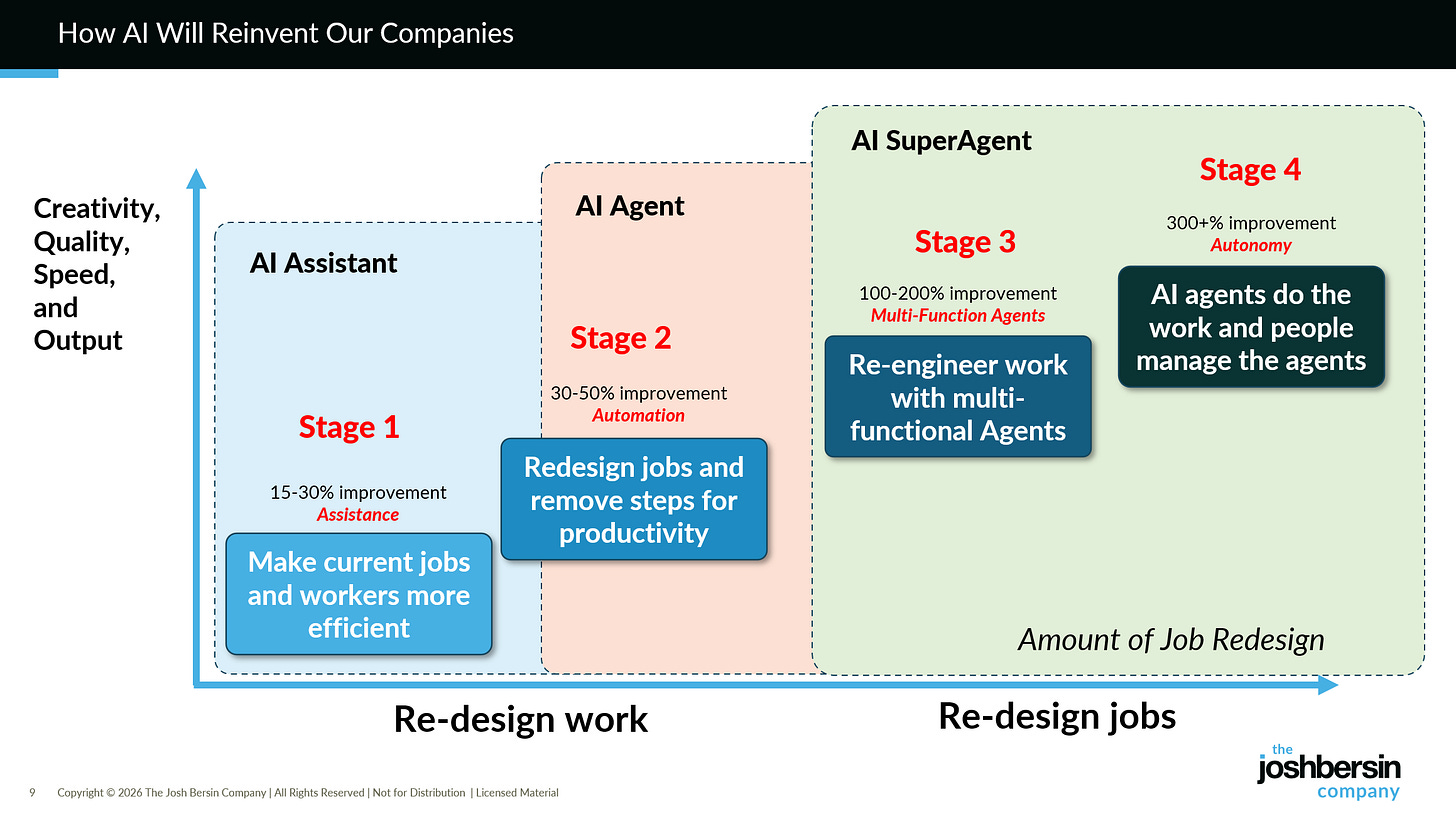
SAP’s strategy can be viewed in two stages:
- Stage 1: From Driver Assist to Autonomous Driving: This phase focuses on automating existing processes. The AI acts as an advanced assistant, identifying issues and executing tasks that were previously manual. This leads to significant efficiency gains by streamlining operations within the current framework.
- Stage 2: From Autonomous (Old Process Automated) to Superagent (Redesigned): This represents a more advanced stage where AI agents not only automate but also contribute to redesigning workflows and business logic. These "Superagents" could potentially drive higher ROI by fundamentally changing how business is conducted, leading to deeper strategic advantages.
SAP’s current offering of 224 agents and 51 assistants across four major business areas primarily focuses on the automation aspect. While this automation provides immediate value by simplifying complex and often error-prone processes like payroll, it doesn’t fully address the potential for process redesign. The company’s research indicates that Stage 3 and Stage 4 applications of AI agents—those involving deeper analysis, prediction, and redesign—offer significantly higher return on investment compared to pure automation (Stage 2).
Under the Hood: The Architecture of The Autonomous Enterprise
The technical foundation of The Autonomous Enterprise is built on several innovative components:
- AI Layer with Data Fabric and Models: A central AI layer incorporates a data fabric that connects various business data sources. This layer supports multiple AI models, including a large context window that allows SAP to process extensive business data.
- SAP-RPT-1.5 Tabular Data Model: A significant development is SAP’s proprietary AI model, SAP-RPT-1.5, specifically designed to analyze, evaluate, and model tabular data. This is crucial as tabular data forms the backbone of virtually all business software. Unlike general-purpose Large Language Models (LLMs) that can struggle with structured data, SAP-RPT-1.5 is optimized for massive datasets, enabling users to find, analyze, model, and perform "what-if" scenarios on complex, real-time business data. A public playground for this model is available, allowing users to experiment with its capabilities.
- SAP Knowledge Graph: Positioned as a central "brain" of the system, the SAP Knowledge Graph maps the thousands of business entities, structures, and rules within SAP into a semantic layer. This enables natural language queries to be translated into context-specific function queries, allowing the system to retrieve relevant data, information, or policies. This component is comparable to the context layers offered by competitors like Workday (Sana) and ServiceNow.
- Joule: The AI Copilot and Development Platform: Joule serves as both the user-facing copilot interface and a development tool for creating AI agents. The newly introduced Joule Studio is presented as an enterprise-grade development environment, distinct from less structured "vibe coding" systems. It provides a robust platform for designing, building, testing, integrating, and managing a wide range of AI agents, from simple to complex. This advanced development capability allows IT teams and SAP developers to build highly personalized solutions, such as custom onboarding experiences, potentially even surpassing standard SAP onboarding agents or starting from scratch.
- Galileo: An Intelligent Advisor: Galileo is an intelligence layer integrated into SAP, functioning as an HR, human capital, and leadership advisor. It leverages the Knowledge Graph and Joule to provide intelligent insights and recommendations.
The Significance of Joule Studio
Joule Studio represents a substantial leap in enterprise AI development tools. It empowers customers to build bespoke agents that can interact with SAP’s extensive data and modules. This means that organizations can potentially "redesign SAP" through Joule, creating highly tailored solutions for specific business needs, such as hyper-personalized onboarding programs that account for numerous employee options, role pathways, and first-year development plans. Similar to ServiceNow and Workday, SAP’s platform allows for interoperability with non-SAP systems and agents through its data layer and agent management system. While ServiceNow offers an "agent platform beyond SAP" and Workday focuses on a "platform for agents," SAP is aiming to provide both, with Joule Studio offering access to SAP-specific data objects and modules across its suite.
For end-users, Joule functions as a conversational interface, akin to Workday’s Sana or ServiceNow’s Otto, enabling them to interact with the system through natural language queries to perform tasks. This makes AI more accessible to employees, managers, and administrators.
Advanced Concepts: Big Memory and Company Models
A noteworthy, though casually mentioned, aspect of The Autonomous Enterprise is the concept of building massive context windows to store an entire "company memory." This envisions AI models retaining a comprehensive dataset of operational knowledge—including customer data, products, processes, rules, documents, and communications. This "company corpus" would then be used for continuous analysis, modeling, and improvement.
This concept aligns with the idea of a "company model," where AI, whether through LLMs or specialized tabular models, can directly identify contributing factors to performance gaps. SAP’s Galileo platform has demonstrated success with such a model, using a fictitious company to simulate reorganizations and resource reallocation based on employee roles and skills. The potential is to uncover operational best practices that might otherwise remain hidden within an organization’s vast knowledge base. While this capability is also anticipated from competitors like Workday, SAP’s integration of this into its ERP ecosystem holds significant promise.

AI Governance: Ensuring Control and Security
Recognizing the potential risks associated with autonomous AI agents, SAP has introduced the AI Agent Hub. This system provides crucial AI governance capabilities, similar to those offered by Workday and ServiceNow. It enables the establishment of rules, data policies, security protocols, and operational limits for AI agents. The AI Agent Hub supports both SAP and non-SAP agents, offering tools for managing agent consumption, verification, data integration, and coordination.
A key challenge in agent management is the coordination of inter-agent communication. For instance, an HR agent delivering personalized training should ideally interact with agents responsible for development planning, performance management, and employee work monitoring. The complexity of these interdependencies is significant, forming intricate webs of communication and dependency that require robust governance frameworks.
Is SAP Now an AI Company?
SAP CEO Christian Klein’s assertion that SAP is now an AI company reflects a strategic imperative to re-engineer its foundational software with AI at its core. This move directly counters the narrative of disruptive startups rendering legacy enterprise systems obsolete. While challenges remain in fully integrating AI across decades of research and development, SAP, alongside competitors like Workday and Oracle, is actively transforming its core ERP and HCM systems into AI-powered applications.
The objective is not to discard existing, highly invested-in systems but to leverage AI for cross-domain process innovation, enhanced customer and employee experiences, and more intelligent operations. By embedding AI through agents and copilots, SAP aims to make its software less visible as static workflows and more dynamic, with agents making decisions, recommendations, escalations, and actions across the entire suite.
This strategic pivot is expected to drive significant value across various business functions. Finance departments can benefit from assistants for closing processes and controlling workflows. Procurement can leverage sourcing and buying assistants. Supply chain operations can be optimized with need-to-deliver assistants. HR can gain recruiting and career development support. Customer-facing functions will see enhancements through sales, service, offer, and marketing assistants.
This evolution signifies a shift in SAP’s financial model, moving towards consumption-based and outcome-oriented pricing, rather than solely relying on traditional seat licenses. This strategy is poised to reinvent and invigorate SAP’s growth trajectory, leveraging its deep industry knowledge and customer investments to navigate the evolving AI landscape. While disruptive startups may aim for complete system overhauls, SAP’s approach leverages its established strengths to adapt and lead in the age of AI-driven enterprise.







