ServiceNow has launched a comprehensive suite of announcements designed to position itself as the central orchestrator of enterprise artificial intelligence, with an aggressive target of doubling its revenue to $30 billion within the next four years. The company’s strategy centers on controlling the management tools, security frameworks, and the primary interface for every AI agent deployed within an organization. This move signals a significant shift in the SaaS landscape, potentially signaling the end of a period of market uncertainty for cloud-based software providers.
The ambitious plan places ServiceNow in direct competition with tech giants like Microsoft and Workday, both of whom are pursuing similar strategies to capture the burgeoning enterprise AI market. While the competitive landscape is fierce, ServiceNow’s approach is grounded in its established strengths in workflow automation and IT service management. The company’s core message to potential clients is a promise to transform enterprise AI "chaos into control," a sentiment echoed by Workday, which emphasizes "AI agents without enterprise governance are lawless by design." However, for many businesses, the immediate challenge is not necessarily chaos, but the practical implementation of AI to generate scalable return on investment. The success of ServiceNow’s new offerings will depend on their ability to not only provide control but also to inspire faster adoption and tangible business outcomes.
Action Fabric: ServiceNow’s Centralized AI Monitoring and Management Layer
At the heart of ServiceNow’s new strategy is the "Action Fabric," a sophisticated system designed to monitor and manage all AI agent activity within an enterprise. This initiative mirrors the broader industry trend, with Microsoft’s Agent 365 and Workday’s Agent System of Record also focusing on establishing robust oversight and governance for AI agents. ServiceNow’s Action Fabric, powered by its Machine Control Platform (MCP) server, is built to be vendor-agnostic, supporting "any agent, any model," regardless of its origin.
Key features of the Action Fabric include:
- Universal Compatibility: The platform allows any AI agent to connect via the MCP server, enabling seamless integration with any AI model, irrespective of the developer or vendor. This open approach is crucial for enterprises with diverse AI ecosystems.
- Open Extensibility: Management tools within the Action Fabric can be invoked by AI agents themselves, facilitating the automation of management tasks and the integration of third-party governance frameworks.
- Robust Security and Governance: All AI agents operating within the ServiceNow environment are subject to authentication, permission scoping, auditing, and continuous monitoring. This emphasis on "Full Control; Full Trust" aims to address critical security and compliance concerns.
This comprehensive approach leverages ServiceNow’s two decades of experience in building foundational IT management systems. The Configuration Management Database (CMDB), Workflow Data Network, established business rules, Security Center, and identity and access controls are all being repurposed to serve as the bedrock for managing AI agents and applications. This strategic pivot positions ServiceNow as a "reinvention" platform for enterprise IT infrastructure in the age of AI.
Parallel moves are being made by other major enterprise software providers. Workday’s Agent System of Record and Agent Gateway aim to open its established platform to external agents on a per-call basis. Similarly, SAP is directing agents to utilize its Business Accelerator Hub for accessing business rules, with usage-based metering. The choice of which platform to adopt will likely hinge on a company’s existing investment in Workday or SAP business rules and their preference for development environments like Microsoft’s Joule or ServiceNow’s own tools.
Otto: The "Front Door" to Enterprise AI and Employee Experience
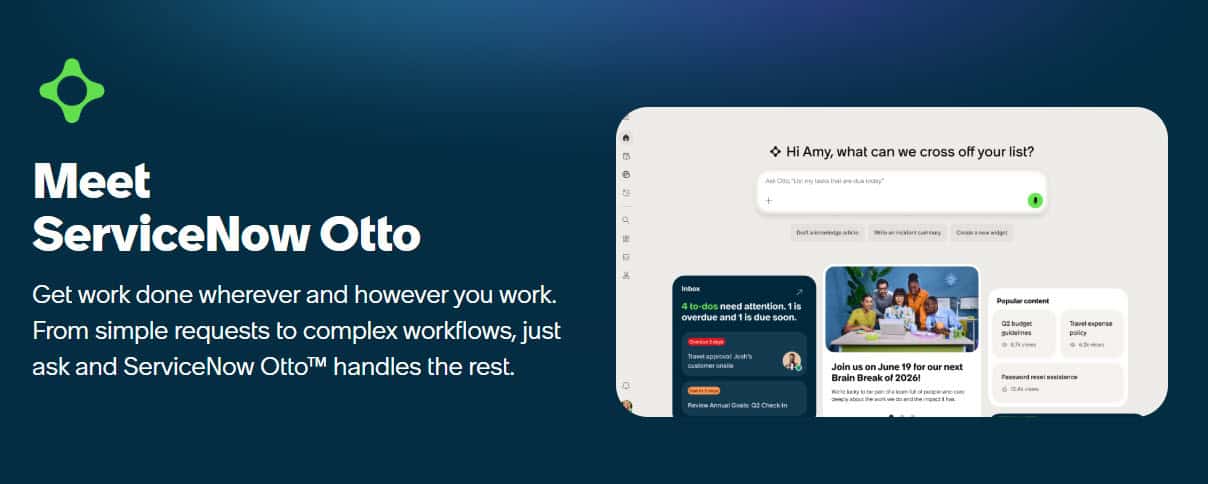
ServiceNow is also reinventing its Now Assist capabilities, rebranding them as "Otto," a new persona designed to serve as the "Front Door" for employees seeking access to any enterprise resource through AI. This strategic move aligns with Workday’s introduction of "Sana" as its enterprise front door and its vision for an "Employee Experience Platform." Otto is envisioned as a friendly, accessible employee tool for tasks ranging from search and knowledge management to more complex inquiries.
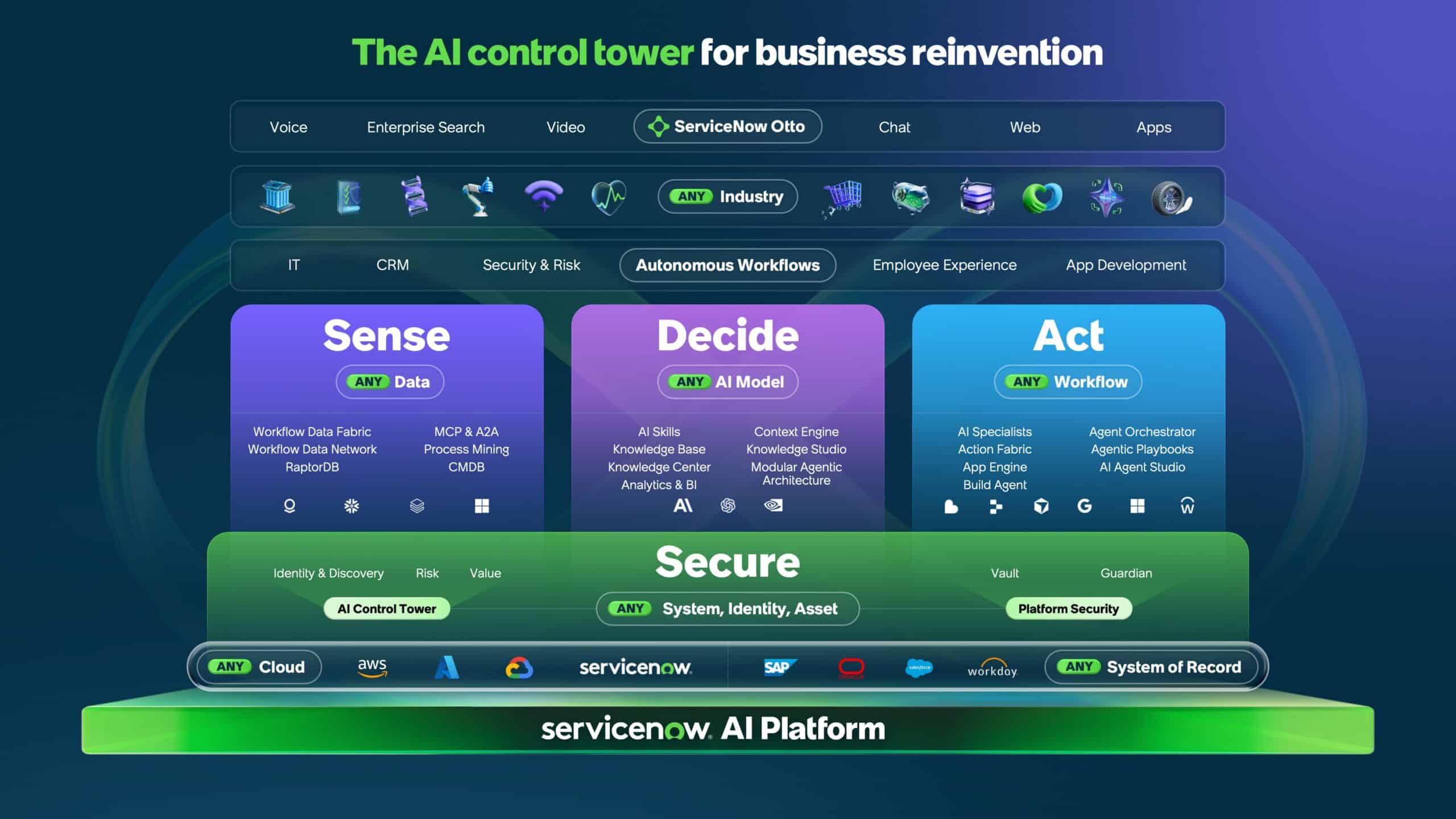
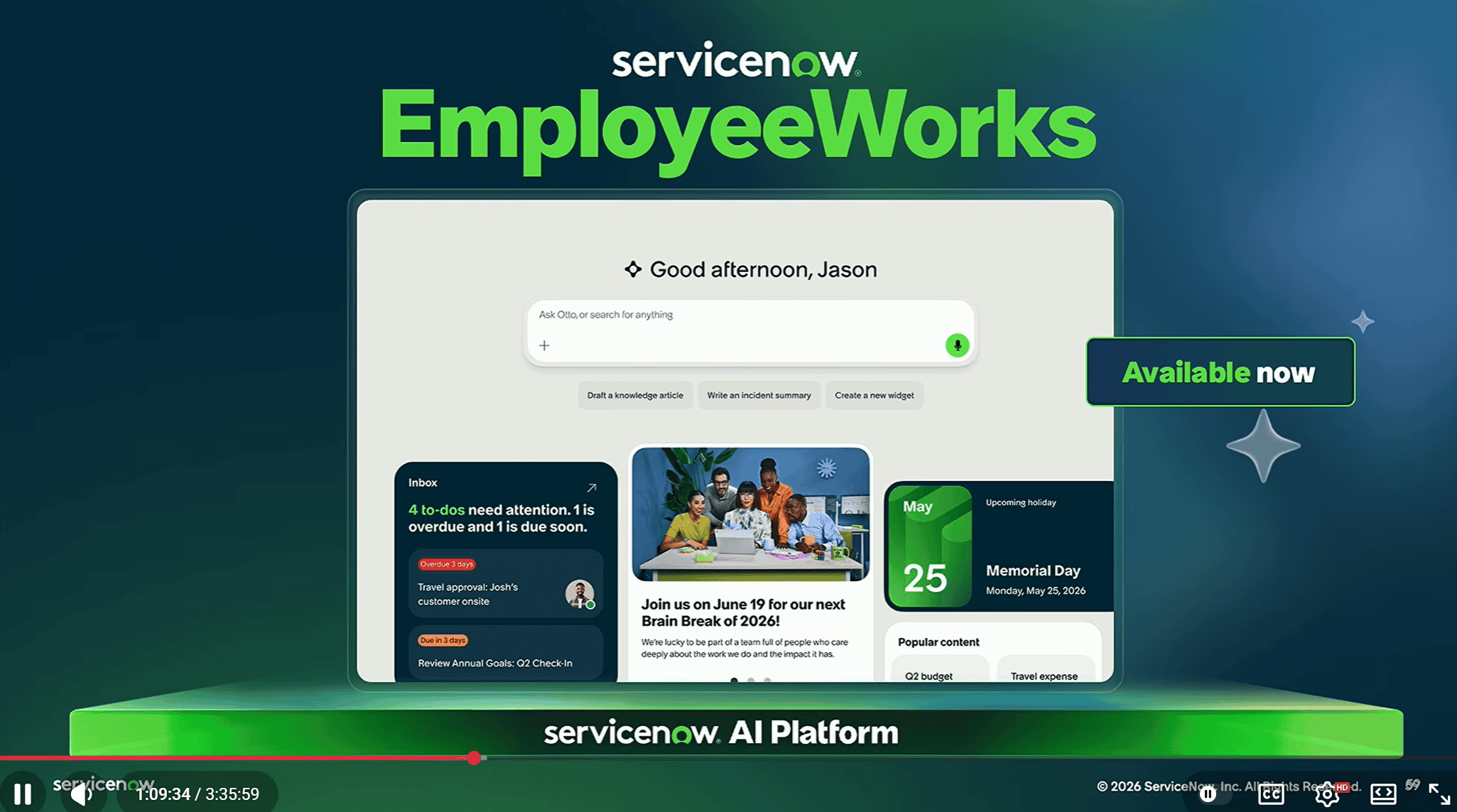
The integration of Moveworks technology into Now Assist, now branded as Otto, signifies a commitment to creating a unified and intuitive employee interface. While Sana is noted for its advanced learning capabilities, Otto’s positioning as the new Employee Experience (EX) platform aims to redefine how employees interact with their organizations. This rebranding moves away from the traditional "Employee Self-Service" model, which the author suggests is a "backwards-looking name," towards a more proactive and personalized employee engagement paradigm. Bhavin Shah, the founder of Moveworks, now leads the Otto initiative, and the platform is being marketed under the broader "EmployeeWorks" umbrella, emphasizing its open and integrated nature.
The broader Employee Experience Platform market is complex, as employee needs are interconnected and span various functions. Otto, to be successful, will need to integrate deeply with a wide range of enterprise systems and services, extending beyond simple chatbot interactions to encompass communications, training, and support for diverse employee issues. The article draws a parallel to a custom crisis management agent developed for Microsoft, which had to address complex scenarios such as family trauma and emergencies, highlighting the need for EX platforms to handle a broad spectrum of critical situations. The competitive landscape for these platforms is intense, with major players like Microsoft and Zoom actively involved.
The AI Control Tower: Governance and ROI for Enterprise AI
ServiceNow’s "AI Control Tower" represents an expansive vision for managing enterprise AI. Beyond simple monitoring and provisioning, it aims to quantify the ROI of AI agents, identify misbehaving agents, and detect instances of excessive resource consumption (e.g., token overages). This concept bears resemblance to IBM’s historical "SystemView" offering, which sought to manage all computing resources within its proprietary SNA network, achieving significant market success.
The vision articulated by ServiceNow’s leadership emphasizes managing the entire enterprise ecosystem, including identities, agents, workflows, and human personnel. While this approach is ambitious, its practicality and effectiveness in fostering innovation and employee autonomy remain to be seen. The article cautions against an overemphasis on monitoring and managing every decision, referencing the Ritz Carlton’s philosophy of empowering employees to "use their own best judgment." The balance between IT governance and human discretion is a critical consideration as enterprises increasingly adopt AI.
The ServiceNow Autonomous Workforce: Defining AI Specialist Roles
A significant announcement is the introduction of "The ServiceNow Autonomous Workforce," a collection of predefined "AI Specialists" designed for autonomous work. This initiative aligns with the evolving understanding of AI’s potential in the workplace, particularly in human resources. ServiceNow is actively defining potential job roles for AI agents, including:
- Site Reliability AI Specialist
- AI Operations Specialist
- Level 1 Service Desk Specialist
- HR Service Delivery AI Specialist
- Case Management Specialist
- Third-party Screening Specialist
- Enterprise Architecture Specialist
- Vulnerability Exposure Specialist
This approach categorizes agents based on their function, similar to a proposed framework of agents that "take action," "set rules," and "observe and monitor." The article suggests further expanding this by including roles like "DEI analysis and compliance specialist," "Employee engagement monitor," "Manager approval agent," and "Pay equity advocate." These roles represent tasks previously handled by human employees, which can now be centralized and automated by AI agents. The initiative to "name" these AI specialists aims to provide clarity and a starting point for organizations that are still developing their naming conventions for AI agents. Galileo, ServiceNow’s "digital HR consultant," is now an integrated add-on feature of Otto, further underscoring the company’s focus on AI-driven HR transformation.
The Context Engine: Unifying Enterprise Operations Through a Unified Context Layer
ServiceNow’s "Context Engine" is designed to create a unified view of enterprise operations by identifying and locating existing system business rules and metadata. This layer aims to consolidate critical enterprise information, including organizational structure, privacy regulations, and various business workflows, many of which originate from ERP and other core systems.
The Context Engine claims to continuously learn and adapt to business operations, creating a "graph of graphs." This involves integrating ServiceNow’s workflow data network with a comprehensive graph encompassing knowledge, action, asset, and decision graphs. The introduction of "autonomous data analytics" through an AI Analyst Specialist further supports this goal of integrated data management.
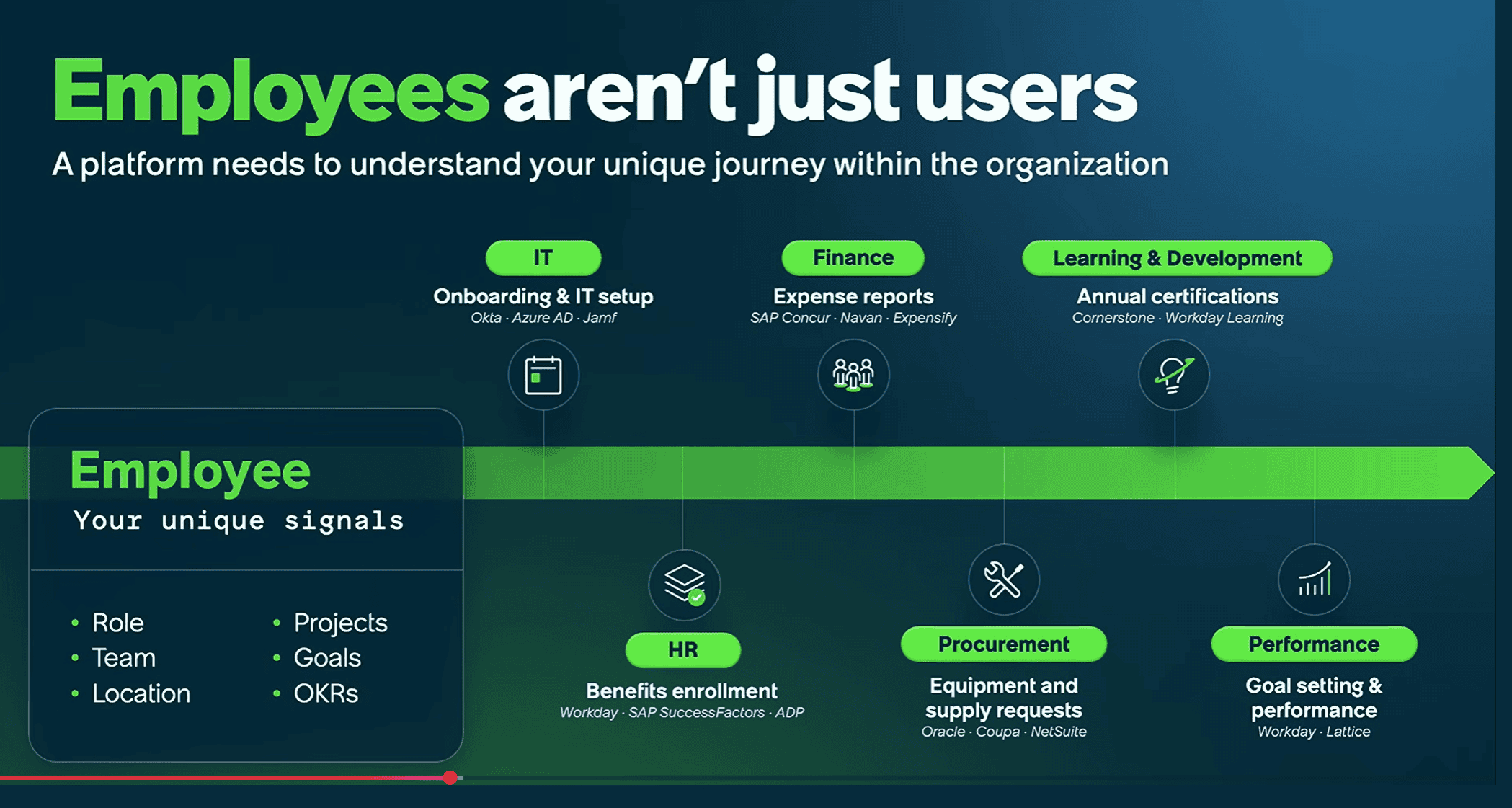
This space is highly competitive. Microsoft’s WorkIQ, for instance, is positioned similarly, leveraging the Microsoft Graph and its expanding API. Gloat’s Loomra also targets human capital applications by providing a similar contextual layer. The development of robust contextual understanding is seen as a critical factor for effective AI deployment.
A Transformative Vision with Significant Revenue Potential
ServiceNow’s expansive vision for enterprise AI management is reminiscent of large-scale IT initiatives of the past, such as IBM’s "Office of the Future." The company is strategically leveraging the anxieties surrounding data security and the proliferation of unmanaged AI agents to appeal to IT departments. A live demonstration showcased the AI Control Tower detecting and neutralizing a prompt injection attack on a pricing agent, an incident involving thousands of requests over a short period. This ability to autonomously detect, trace, and neutralize threats, drawing on signals from various security vendors, presents a compelling value proposition that many organizations would find difficult to ignore.
The Business Case for Enterprise AI Infrastructure
The critical question remains: will the business case for building advanced AI management infrastructure justify the investment, especially in the early stages of AI adoption? While the need for enterprise-grade tools to manage AI agents is widely acknowledged, the economic viability of investing heavily in infrastructure before widespread application deployment is a subject of debate.
An emerging economic argument centers on the cost of AI agents versus human labor. If AI agents primarily replace human tasks without fundamentally transforming work, the cost savings may not materialize, especially when factoring in token fees and new infrastructure expenses. Recent reports, such as Uber’s decision to scale back on software agents due to the cost-effectiveness of human workers, highlight this dynamic. The emphasis should be on "transforming work," not merely automating it. Organizations are advised to prioritize redesigning processes before investing heavily in new governance layers. Furthermore, the ease of development within competing platforms like Microsoft Copilot or Workday could influence vendor choices for management tools, impacting the total cost of AI transformation, which encompasses development, maintenance, business rules, and governance.
Redefining Software Revenue Models in the AI Era
Enterprise AI is emerging as a trillion-dollar opportunity for software companies, with revenue models shifting from per-seat licenses to usage-based fees tied to AI agent activity. ServiceNow, Workday, Oracle, and SAP are all strategically adapting to this new paradigm. The trend is further evidenced by Anthropic’s partnership with Blackstone to form an integrated AI product and services company, and OpenAI’s launch of a joint venture with significant private equity backing to expand its AI deployment services.
This shift signifies a move towards "software as a service" in a more profound sense, where fee-driven services directly replace substantial areas of human work. However, the article concludes with a reminder of the human element in problem-solving, referencing the Ritz Carlton’s ethos of empowering employees to exercise judgment. The ultimate trajectory of AI agents may be to liberate human potential, allowing for greater strategic thinking and innovation, rather than simply replacing human roles.
The author anticipates further developments in this space, with a new book on the topic scheduled for release in the fall, offering previews at the upcoming Irresistible 2026 conference at USC. The ongoing evolution of AI in the enterprise promises to reshape how businesses operate and how employees engage with their work.