The momentous Nasdaq debut of SpaceX on June 12, 2026, not only propelled its visionary founder, Elon Musk, to become the world’s first trillionaire but also ushered in an era of unprecedented wealth creation for thousands of its employees. An in-depth analysis conducted by Hill.com, a pre-IPO trading platform, and cited by The New York Times, revealed that over 4,400 current and former SpaceX employees are now poised to hold stock valued at a minimum of $1 million. Even more remarkably, approximately 400 individuals are projected to possess stakes exceeding $100 million, a testament to the company’s stratospheric valuation.
While this level of wealth generation might seem distant for HR leaders in non-pre-IPO companies, the underlying trend highlighted by SpaceX’s offering carries significant implications for the broader market, particularly in the burgeoning field of Artificial Intelligence. Industry observers widely regard SpaceX’s successful listing as the vanguard of a new wave of AI-linked public offerings. Companies like OpenAI and Anthropic are reportedly on track to pursue their own initial public offerings, with valuations anticipated to soar beyond the trillion-dollar mark. Reuters has characterized SpaceX’s market reception as a crucial "litmus test," with the financial world closely scrutinizing its performance as an indicator of future market appetite for AI-centric enterprises. This development is also fueling concerns among experts about an increasingly competitive landscape for the highly specialized engineers, researchers, and operators who are instrumental in developing and deploying advanced AI systems.
A New Epoch of Employee Wealth Creation
The sheer scale of wealth generated by SpaceX is undoubtedly extraordinary, yet the underlying mechanism – equity compensation – is not a novel concept in the corporate world. The historical precedent for significant employee wealth creation through IPOs dates back to Google’s public offering in 2004, which is estimated to have created between 900 and 1,000 on-paper millionaires among its workforce. Facebook’s 2012 IPO mirrored this trend, producing a similarly large cohort of employee millionaires, although the wealth distribution was notably more concentrated among executives and early investors.
However, SpaceX’s case presents a distinctive characteristic, as highlighted by Andrew Benson, founder of Hill.com, in his account to The New York Times. It is exceptionally rare for an IPO to elevate hundreds of non-founder employees to the $100 million wealth threshold. This extraordinary outcome underscores the immense market valuation placed on AI capabilities and the persistent scarcity of top-tier AI talent. A strategic move by SpaceX to acquire and merge with its AI subsidiary, xAI, prior to its IPO, was widely interpreted by analysts as a significant boost to its AI and engineering prowess, further justifying its elevated market valuation.
The company’s market debut shattered records, closing its first day of trading with a valuation exceeding $2.2 trillion. In the aftermath, The Wall Street Journal reported that SpaceX had surpassed Amazon in market capitalization, ascending to become the world’s fifth most valuable publicly traded company. The overwhelming enthusiasm displayed by Wall Street for SpaceX’s offering signals a strong market belief in the compounding value of AI talent. This surge in valuation for companies with robust AI divisions suggests a fundamental shift in how the market perceives and rewards innovation in this transformative field.
The Intensifying Race for AI Talent
The demand for professionals possessing advanced AI skills is a pervasive trend across industries, irrespective of whether a company is on a trajectory for a public listing. Engineers and researchers with a deep understanding of AI are currently facing an unprecedented level of competition from a multitude of employers. This fierce competition is driving up compensation and creating a highly dynamic talent market.
Numerous talent surveys and recruitment interviews consistently reveal a set of core priorities among AI professionals. A comprehensive AI Talent Report, jointly produced by Semafor and G42, which surveyed over 1,500 AI specialists globally, identified key motivators beyond mere financial compensation. Intellectual autonomy, alignment with ethical principles, and access to meaningful datasets that facilitate real-world impact were paramount. The report indicated that a significant portion (42%) of AI specialists rejected roles due to factors such as outdated technology stacks and a lack of clarity regarding the organization’s mission.
Adding another layer to this evolving landscape, a separate survey conducted by Boston Consulting Group (BCG) of nearly 900,000 workers revealed a notable shift in priorities. For the first time, job security has emerged as the number-one work preference, particularly among individuals who express concerns about the potential impact of Generative AI on their careers. The authors of the BCG report aptly summarized the challenge facing employers: "To attract and retain talent, employers need to solve a complex puzzle. They must anticipate the impact of technology on their workforce and offer robust reskilling programs to help employees stay competitive." This sentiment underscores the growing imperative for organizations to proactively address the evolving needs and anxieties of their workforce in the age of AI.
A Precedent for Future AI-Centric Listings
The SpaceX IPO serves as a powerful precedent, demonstrating the immense financial potential embedded within companies at the forefront of AI innovation. The company’s strategic decision to integrate its AI capabilities prior to going public allowed it to directly capitalize on the market’s fervent demand for AI expertise. This move not only amplified its valuation but also positioned it as a bellwether for future AI-focused ventures.
The success of SpaceX’s offering is expected to embolden other AI-driven companies to accelerate their plans for public listings. Companies that have been developing groundbreaking AI technologies, even those that may not have a physical product or a long operational history, could now find a receptive market eager to invest in their intellectual capital and future potential. This could lead to a surge in IPOs from a diverse range of AI startups, from natural language processing specialists to machine learning platform providers and robotics firms.
Timeline of Key Events:
- Early 2020s: SpaceX actively develops and integrates its artificial intelligence capabilities, including the formation and operationalization of its AI division, xAI.
- Late 2025: Reports begin to surface regarding SpaceX’s potential plans for an Initial Public Offering (IPO), with speculation mounting about its significant valuation driven by its AI advancements.
- Early 2026: SpaceX formally announces its intention to pursue an IPO, with significant media attention focused on the potential wealth creation for its employees and the company’s valuation.
- May 2026: Pre-IPO trading platforms like Hill.com begin to analyze the potential financial outcomes for SpaceX employees, with early estimates indicating substantial wealth generation.
- June 10, 2026: The New York Times publishes an article citing Hill.com’s analysis, detailing the projected number of employee millionaires and multi-millionaires resulting from the IPO.
- June 12, 2026: SpaceX executes its Nasdaq debut, immediately becoming one of the most valuable companies globally and solidifying Elon Musk’s position as the world’s first trillionaire.
- June 16, 2026: The Wall Street Journal reports that SpaceX’s market capitalization has surpassed that of Amazon, further underscoring its extraordinary market success.
- Mid-2026 Onward: Industry analysts and financial news outlets, including Reuters, begin to frame SpaceX’s IPO as a critical "litmus test" for the market’s appetite for future AI-centric public offerings, with OpenAI and Anthropic identified as potential successors.
Broader Implications for the Tech Landscape and HR
The SpaceX phenomenon carries profound implications that extend beyond the immediate financial beneficiaries. For the broader technology sector, it signals a significant shift in valuation metrics, where AI capabilities are increasingly becoming a primary driver of market worth. This could lead to a reallocation of investment capital, with venture capitalists and public market investors prioritizing companies that demonstrate a clear and quantifiable AI advantage.
The intense competition for AI talent, exacerbated by the high valuations of companies like SpaceX, will inevitably place greater pressure on HR departments across all sectors. Companies will need to rethink their talent acquisition and retention strategies to remain competitive. This includes not only offering attractive compensation packages but also focusing on creating environments that foster intellectual curiosity, provide opportunities for meaningful work, and offer clear pathways for professional development.
Furthermore, the emphasis on job security highlighted by the BCG survey suggests that organizations must address employee anxieties surrounding AI’s impact on employment. Proactive reskilling and upskilling initiatives will become critical to ensure that the existing workforce can adapt to the evolving demands of the AI-driven economy. Companies that invest in their employees’ continuous learning and provide a sense of stability are likely to be more successful in attracting and retaining top talent.
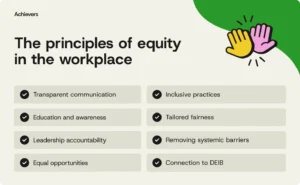
The rise of AI-linked IPOs also presents a new set of challenges for HR professionals in terms of managing expectations and ensuring equitable distribution of wealth. While the creation of employee millionaires is a positive outcome, companies will need to develop transparent and fair equity compensation plans. Additionally, HR departments will play a crucial role in navigating the cultural and psychological impacts of such significant wealth events on their workforce.
The SpaceX IPO is not merely a financial milestone; it is a harbinger of a new economic paradigm driven by artificial intelligence. As more AI-centric companies prepare for public markets, the lessons learned from SpaceX’s success and the subsequent market reactions will undoubtedly shape the future of the technology industry, talent management, and the global economy for years to come. The focus will increasingly shift towards companies that can not only innovate in AI but also effectively leverage and reward the human capital that drives that innovation.