
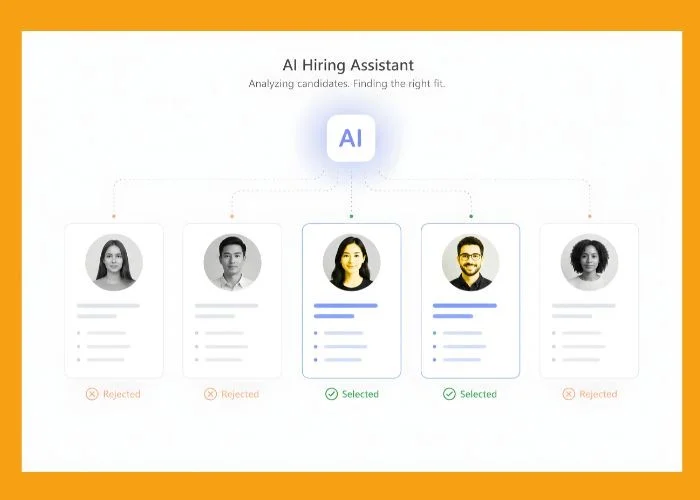
A groundbreaking new study from Stanford University has unveiled pervasive racial bias within AI-powered hiring tools, systems now routinely employed by a majority of large corporations globally. The comprehensive research, which meticulously analyzed over 4 million job applications submitted to 156 employers across 11 diverse industries, found compelling evidence that automated screening mechanisms disproportionately rejected Black and Asian candidates, raising serious questions about fairness and equal opportunity in modern recruitment practices. This revelation underscores a critical challenge in the burgeoning field of artificial intelligence: the unintentional perpetuation and amplification of societal biases through ostensibly objective algorithms.
The study’s findings illuminate a stark disparity in candidate advancement rates. It revealed that a significant 26 percent of Black applicants and 15 percent of Asian applicants were directed towards jobs where the AI system demonstrably discriminated against their demographic group. Had these candidates been recommended to the next stage of the hiring process at the same rate as their white counterparts, a staggering 40,000 additional applications would have progressed. This substantial level of inequality meets the stringent definition of adverse impact set forth by the U.S. Equal Employment Opportunity Commission (EEOC), which specifies that one group is recommended at less than 80 percent of the rate of the most-favored group. The implications are profound, suggesting that tens of thousands of qualified individuals may be systematically locked out of opportunities due to flawed algorithmic decision-making.
The Mechanics of Algorithmic Bias: Unpacking Proxies and Predictive Models
Researchers were quick to highlight that this systemic bias manifests even when explicit racial identifiers are entirely absent from applications. Instead, the sophisticated AI models operate by relying on what are termed "indirect signals" or "proxies." These proxies are variables—seemingly innocuous data points—that, while not directly race-related, unintentionally reflect underlying demographic differences. Examples include performance metrics in online cognitive games, educational institution names, past employment history, or even subtle linguistic patterns in written responses. The algorithms, trained on vast datasets that may inherently contain historical human biases, learn to associate these proxies with certain outcomes, inadvertently disadvantaging specific racial groups.
The Stanford study specifically focused on Pymetrics, a prominent platform that utilizes game-based assessments to screen candidates, evaluating attributes such as risk-taking, attention, and memory. However, the researchers emphasized that the issue is not confined to a single vendor. Other widely adopted platforms, such as HireVue, which incorporates video interview analysis, are also prevalent, with their client rosters including numerous Fortune 100 companies and even major U.S. federal agencies. This widespread adoption across critical sectors amplifies the potential for broad, systemic discrimination.
The Rise of AI in Recruitment: A Double-Edged Sword
The integration of artificial intelligence into human resources processes, particularly recruitment and talent acquisition, has been one of the most significant technological shifts in corporate operations over the past decade. Driven by the promise of enhanced efficiency, reduced costs, and a supposed elimination of human subjective bias, AI tools have rapidly proliferated. Companies, particularly those dealing with high volumes of applications, saw AI as a panacea for streamlining the initial screening phase, allowing HR teams to focus on more strategic tasks.
Promises of Efficiency and Objectivity:
The initial allure of AI in hiring was compelling. Proponents argued that AI could process resumes and applications at unprecedented speeds, identify optimal candidates based on objective criteria, and remove the unconscious biases that often plague human recruiters (such as favoritism based on gender, age, or even university prestige). Machine learning algorithms, it was believed, could analyze vast datasets of successful employees to create predictive models, thereby identifying future top performers with greater accuracy and consistency. This vision of a meritocratic, data-driven hiring process seemed to offer a pathway to fairer and more diverse workplaces.
Historical Roots of Bias and Data Dependence:
However, the reality of AI development is intricately tied to the data it consumes. AI models learn from historical data, which inherently reflects past human decisions, societal norms, and existing inequalities. If a company’s past hiring practices disproportionately favored a particular demographic, or if the "successful employee" data used for training primarily consists of individuals from a specific background, the AI will learn to replicate and even amplify these patterns. This phenomenon, often termed "algorithmic bias," is not a flaw in the AI’s logic but rather a faithful—and often unintended—reflection of the biased data it was fed. The concept of "garbage in, garbage out" is particularly pertinent here; biased historical data inevitably leads to biased algorithmic outputs.
A Chronology of AI in HR and Emerging Concerns
The journey of AI in HR began in earnest in the early to mid-2010s.
- Early 2010s: Initial forays into using machine learning for basic resume screening and keyword matching. Startups like HireVue and Pymetrics begin to emerge, offering more sophisticated analytical tools.
- Mid-2010s: Increased investment and adoption of AI solutions. Companies begin exploring video analytics, game-based assessments, and natural language processing for candidate evaluation. The benefits of scale and speed become apparent.
- Late 2010s: First serious concerns about algorithmic bias begin to surface. Researchers and civil liberties groups start investigating the potential for AI to perpetuate discrimination. A notable instance includes Amazon’s discovery in 2018 that its experimental AI recruiting tool showed bias against women, having been trained on a decade of resume submissions predominantly from men. Amazon subsequently scrapped the tool, highlighting the complexity of mitigating bias.
- Early 2020s: Growing academic scrutiny and public awareness of AI ethics. Regulatory bodies begin to take notice, with some jurisdictions (like New York City) introducing legislation to audit AI hiring tools. The current Stanford study represents a significant milestone, providing large-scale, empirical evidence of widespread racial bias in widely used commercial tools.
- Present: The industry grapples with the dual challenges of innovation and ethical responsibility. The findings of the Stanford study now serve as a powerful impetus for a re-evaluation of current practices and a demand for more robust oversight.
Broader Data and Contextual Evidence
The Stanford study’s findings are not isolated; they resonate with a growing body of evidence and broader trends in AI and the workforce.
Market Growth and Pervasive Adoption:
The HR technology market, particularly segments focused on AI and automation, has experienced explosive growth. Reports from market research firms indicate that the global HR software market is projected to reach tens of billions of dollars annually, with AI-driven solutions forming a substantial and rapidly expanding component. Gartner predicts that by 2024, 75% of large enterprises will be using AI in at least one HR function. Deloitte’s "Global Human Capital Trends" reports consistently highlight AI as a top priority for HR leaders seeking efficiency and data-driven insights. This widespread adoption means that algorithmic bias, when present, affects a massive segment of the global workforce.
Precedent of Algorithmic Bias:
Beyond the Amazon case, numerous other studies and incidents have demonstrated the potential for AI systems to exhibit bias. Facial recognition technologies have repeatedly been shown to perform less accurately on women and people of color. Algorithmic risk assessment tools used in the criminal justice system have been found to disproportionately flag Black defendants as higher risk. These examples underscore a systemic issue across various AI applications: the mirror effect, where AI reflects and amplifies the biases present in its training data or the society it operates within. The Stanford study now firmly places AI hiring tools within this problematic lineage.
Reactions and Calls for Action
The publication of such a comprehensive study inevitably triggers a wave of reactions from various stakeholders, from legal and regulatory bodies to advocacy groups and the very companies developing these tools.
Regulatory Bodies and Legal Frameworks:
The U.S. Equal Employment Opportunity Commission (EEOC) and other anti-discrimination agencies are likely to intensify their scrutiny of AI hiring tools. The study’s explicit finding that the disparity meets the EEOC’s definition of "adverse impact" provides a clear legal basis for potential enforcement actions. Under Title VII of the Civil Rights Act of 1964, employers are prohibited from discriminating based on race, color, religion, sex, or national origin. While AI tools might be race-neutral on the surface, their disparate impact on protected groups could lead to claims of indirect discrimination. Regulatory bodies may issue updated guidance, conduct investigations, and potentially pursue litigation against companies found to be using biased systems. States like New York City have already moved to mandate independent bias audits for AI hiring tools, a trend likely to spread.
Industry and Advocacy Group Responses:
Civil rights organizations, such as the NAACP, the Asian American Justice Center, and others focused on workplace equity, are expected to voice strong concerns. They will likely call for immediate action, including independent audits of all AI hiring tools, increased transparency from developers and employers, and stronger legislative protections for job applicants. These groups will advocate for candidates who may have been unfairly rejected and push for redress mechanisms. HR professional bodies, while generally supportive of technological advancements, will face pressure to develop ethical guidelines and best practices for the responsible deployment of AI in recruitment.
The Developer’s Perspective (Inferred):
Companies like Pymetrics and HireVue, while not directly quoted in the original article, have historically emphasized their commitment to fairness and mitigating bias. They often state that they continuously refine their algorithms, employ diverse datasets, and work with experts to identify and reduce bias. In response to such studies, they typically highlight their internal efforts, the complexity of the problem, and their willingness to collaborate with researchers and regulators to improve their systems. However, the Stanford study’s scale and specific findings will necessitate a more robust and transparent demonstration of these commitments.
The Far-Reaching Implications of an "Algorithmic Monoculture"
The study’s warning about an "algorithmic monoculture" is particularly salient. When numerous employers rely on the same or highly similar AI systems, a candidate rejected by one company due to algorithmic bias faces an amplified risk of identical rejection elsewhere. This creates a systemic barrier, effectively locking qualified minority candidates out of entire industries, regardless of their skills, experience, or potential.
Legal and Ethical Ramifications:
The legal landscape is poised for significant change. The adverse impact findings provide a strong foundation for class-action lawsuits, potentially exposing companies to substantial financial penalties and reputational damage. Ethically, the reliance on biased AI contradicts corporate social responsibility pledges and commitments to diversity, equity, and inclusion (DEI). Companies face a moral imperative to ensure their hiring practices are fair and equitable, especially when leveraging powerful technologies that can have such profound impacts on individuals’ livelihoods.
Socio-Economic Impact:
The socio-economic consequences of this algorithmic monoculture are dire. Systematically disadvantaging Black and Asian candidates can exacerbate existing wealth disparities, limit social mobility, and stifle economic growth within these communities. It denies individuals the opportunity to contribute their talents, leading to a loss of innovation and productivity for the companies and the broader economy. Furthermore, it erodes trust in technology and institutions, potentially leading to widespread skepticism about the fairness of modern systems.
The Imperative for Ethical AI Development:
The findings underscore an urgent need for a paradigm shift in how AI is developed and deployed in sensitive areas like hiring. This includes a stronger emphasis on "explainable AI" (XAI), where the decision-making process of algorithms is transparent and auditable, rather than operating as "black boxes." It also demands "fair AI" principles, incorporating bias detection and mitigation strategies throughout the entire AI lifecycle, from data collection and model training to deployment and continuous monitoring.
Moving Forward: Audits, Transparency, and Accountability
The Stanford study serves as a clarion call for immediate and decisive action. Protecting equal opportunity in the age of AI requires a multi-faceted approach involving robust regulatory frameworks, proactive industry self-regulation, and greater transparency.
Regulatory Oversight and Standards:
Governments and regulatory bodies must establish clear, enforceable standards for AI hiring tools. This could include mandatory independent bias audits before deployment, ongoing monitoring requirements, and standardized reporting metrics. The EEOC, in particular, has a critical role to play in providing updated guidance that specifically addresses AI and disparate impact, ensuring that existing anti-discrimination laws are effectively applied to new technological contexts. Legislation that mandates transparency regarding how AI tools are used and how their decisions are made will be essential.
Best Practices for Employers:
Employers must recognize their ultimate responsibility for the fairness of their hiring processes, regardless of the tools they use. This means:
- Due Diligence: Thoroughly vetting AI vendors for their commitment to bias mitigation and transparency.
- Independent Audits: Commissioning regular, independent audits of their AI hiring systems.
- Human Oversight: Ensuring human oversight remains an integral part of the hiring process, with mechanisms to review and challenge algorithmic decisions.
- Diversity in Data: Actively working to diversify the training data used by AI systems to avoid perpetuating historical biases.
- Continuous Monitoring: Implementing systems for continuous monitoring of hiring outcomes to detect and address emerging biases.
The Future of Fair Hiring:
The promise of AI to enhance efficiency and objectivity in hiring remains, but it must be tempered with an unwavering commitment to equity. The goal should not be to abandon AI in recruitment, but rather to develop and deploy it responsibly, ethically, and with built-in safeguards against discrimination. This requires a collaborative effort between researchers, developers, policymakers, employers, and advocacy groups to ensure that technology serves as a tool for progress and inclusion, not an invisible barrier to opportunity. Without such intervention, these powerful systems risk cementing existing inequalities and systematically locking qualified minority candidates out of jobs across entire industries, undermining the very principles of fairness and meritocracy.








