In an economic landscape marked by persistent uncertainty and an upward trajectory in living expenses, both individuals and corporations are diligently seeking avenues for fiscal prudence. Employers, in particular, face the intricate challenge of mitigating escalating operational costs while simultaneously safeguarding the integrity and appeal of their employee benefits packages. The formidable projections for employer-sponsored health plans, anticipated to surge by an average of 6.5 to 9 percent in 2026, underscore a critical dilemma: how to strike a judicious balance between financial sustainability and the provision of meaningful employee support. Within this complex equation, vision coverage, often relegated to a secondary tier of benefits, emerges as a surprisingly potent and undervalued strategic asset. Far from being a mere perk, comprehensive vision care serves as a foundational pillar for whole-person wellness, yielding substantial dividends in cost containment, enhanced employee satisfaction, and robust talent acquisition and retention.
The Unfolding Healthcare Cost Crisis and Employer Imperatives
The current economic climate presents a multifaceted challenge for businesses. Inflationary pressures continue to erode purchasing power, while a tight labor market, albeit showing signs of cooling in some sectors, still demands competitive compensation and benefits to attract and retain skilled professionals. For employers, healthcare costs represent one of the most significant and volatile expenditures, often outpacing general inflation. According to recent analyses by the Kaiser Family Foundation (KFF) and other industry benchmarks, employer healthcare spending has consistently risen year-over-year, driven by factors such as the increasing cost of prescription drugs, advanced medical technologies, and the rising prevalence of chronic conditions. The projected 6.5 to 9 percent increase for 2026 is not an isolated spike but rather a continuation of a long-term trend, placing immense pressure on corporate budgets and forcing HR and finance departments to re-evaluate every component of their benefits offerings. This environment necessitates a paradigm shift, moving beyond simply cost-cutting to strategically investing in benefits that offer a measurable return and contribute to overall organizational health. Companies are increasingly looking for ways to foster a healthier workforce proactively, understanding that prevention can be far more cost-effective than reactive treatment. It is against this backdrop that the strategic value of seemingly minor benefits like vision coverage becomes exceptionally clear.
Vision Benefits: An Underestimated Strategic Asset
Often perceived as an ancillary benefit, vision coverage’s true strategic potential is frequently underestimated. While its primary function of assisting with the costs of eye exams, glasses, and contact lenses is widely recognized, its deeper impact on both individual health and organizational performance is less frequently highlighted. Vision benefits are a comparatively modest investment that generates outsized returns by acting as a powerful tool for preventive care, productivity enhancement, and a key differentiator in the competitive battle for talent. The ability to see clearly is fundamental to almost every aspect of daily life and work, yet millions of Americans live with uncorrected vision problems or undiagnosed ocular and systemic health issues that could be detected through routine eye examinations. By making these essential services accessible and affordable, employers not only demonstrate a commitment to their employees’ well-being but also unlock a cascade of benefits that directly impact their bottom line.
Beyond Refraction: Vision as a Window to Whole-Person Health
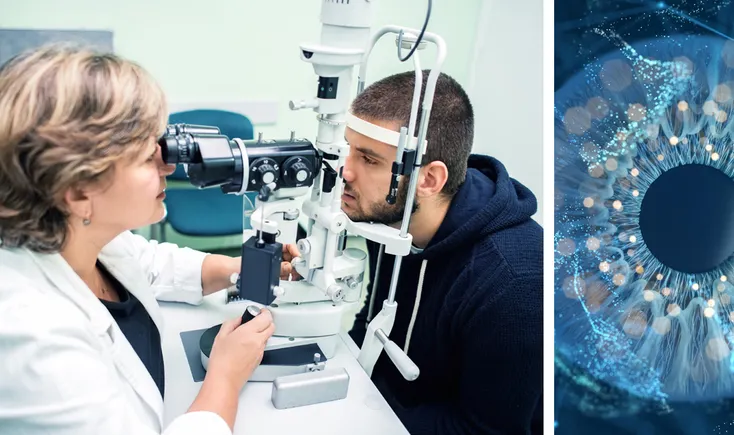
The scope of a routine eye examination extends far beyond simply determining a new eyeglass or contact lens prescription. Eye care professionals are uniquely positioned to detect a vast array of health conditions, making regular eye exams an indispensable component of a comprehensive preventive health strategy. The eye, with its intricate network of blood vessels and nerves, offers a direct, non-invasive view into the body’s overall physiological state.
-
Early Detection of Ocular Diseases:
Routine eye exams are critical for the early detection and management of serious vision conditions that, if left untreated, can lead to irreversible vision loss and significant medical costs. Conditions such as glaucoma, cataracts, and macular degeneration are often asymptomatic in their early stages, making regular screenings paramount.- Glaucoma: Known as the "silent thief of sight," glaucoma damages the optic nerve and can lead to blindness. Early detection, typically through measuring intraocular pressure, assessing the optic nerve, and visual field testing during a comprehensive eye exam, allows for timely intervention with eye drops, laser treatment, or surgery, preserving vision and preventing advanced, costlier care. The Glaucoma Research Foundation estimates that half of all people with glaucoma don’t know they have it.
- Cataracts: A clouding of the eye’s natural lens, cataracts are a leading cause of treatable blindness worldwide. While often associated with aging, they can develop earlier. Regular exams can monitor their progression, and when vision significantly impairs daily activities, surgical removal and lens replacement is a highly effective procedure. Early monitoring helps plan for intervention at the optimal time, avoiding complications from overly dense cataracts.
- Macular Degeneration (AMD): This condition affects the central vision, crucial for tasks like reading and driving. There are two forms: dry and wet. While there’s no cure, early detection allows for lifestyle changes, nutritional supplements, and in some cases, advanced treatments (for wet AMD) that can slow progression and preserve useful vision.
Detecting these conditions early means less complex and less costly treatments, preventing long-term disability, and significantly improving an individual’s quality of life and ability to remain productive.
-
Systemic Health Revelations Through the Eye:
Perhaps one of the most surprising and impactful aspects of routine eye exams is their capacity to serve as a diagnostic gateway for a multitude of systemic health issues—often before other symptoms manifest. Eye doctors can identify early signs of more than 270 health conditions, leveraging the eye as a unique diagnostic "window" into the body.- Diabetes: Diabetic retinopathy, characterized by damaged blood vessels in the retina, is a clear indicator of diabetes. An eye exam can detect these changes even before a person is formally diagnosed with diabetes, enabling earlier management of blood sugar levels to prevent more severe complications throughout the body.
- Hypertension (High Blood Pressure): Hypertensive retinopathy, marked by narrowed or damaged blood vessels in the retina, can be a sign of uncontrolled high blood pressure. This early detection can prompt individuals to seek cardiovascular care, potentially averting strokes, heart attacks, and kidney disease.
- Autoimmune Diseases: Conditions like lupus, rheumatoid arthritis, and multiple sclerosis can manifest with ocular symptoms such as inflammation, dry eyes, or changes in the optic nerve. An optometrist or ophthalmologist may be the first to spot these signs, initiating referrals for specialized care.
- Certain Cancers: Rarely, an eye exam can reveal signs of cancers, including melanoma (ocular melanoma), lymphoma, or even brain tumors that can affect the optic nerve or surrounding structures.
- Thyroid Disease: Protruding eyes (exophthalmos) or changes in eye movement can signal thyroid disorders like Graves’ disease.
In many cases, early detection of these systemic conditions makes a significant difference in improving treatment outcomes and substantially reducing overall healthcare costs. By providing a critical, non-invasive insight into an employee’s comprehensive health status, routine eye exams have solidified their role as an integral, yet often overlooked, component of holistic health and wellness programs. This proactive approach not only benefits the employee by improving their health trajectory but also benefits the employer by potentially reducing the incidence of severe, expensive chronic conditions requiring extensive medical intervention down the line.
Enhancing Workforce Productivity and Engagement
The impact of uncorrected vision problems on workplace performance is substantial and often underestimated. The modern work environment, heavily reliant on digital screens, exacerbates many vision-related issues, directly affecting employee engagement and output.
-
Mitigating Digital Eye Strain and Cognitive Load:
A staggering nearly eight in ten employees report that vision issues, such as headaches, blurred vision, and particularly digital eye strain (also known as Computer Vision Syndrome or CVS), significantly affect their productivity. Digital eye strain, caused by prolonged exposure to screens, is characterized by symptoms like eye fatigue, dryness, irritation, headaches, and even neck and shoulder pain. These symptoms can lead to reduced concentration, increased errors, and slower work pace. Employees struggling with uncorrected refractive errors (myopia, hyperopia, astigmatism) or presbyopia (age-related difficulty focusing on near objects) experience an even greater challenge. By providing access to regular eye exams and necessary corrective lenses, vision benefits directly address these issues, helping employees see clearly, feel more comfortable, and consequently, perform their duties more effectively. This translates into higher quality work, fewer mistakes, and increased overall efficiency across the organization. The cognitive load required to compensate for poor vision can also lead to mental fatigue, reducing an employee’s capacity for complex problem-solving and creative thinking. -
The Link Between Clear Vision and Workplace Safety:
Beyond desk-bound tasks, clear vision is paramount for workplace safety, especially in industries such as manufacturing, construction, logistics, and transportation. Poor vision can lead to misjudgments of distance, inability to read warning labels or instrument panels, and reduced peripheral awareness, all of which heighten the risk of accidents and injuries. For instance, a forklift operator with uncorrected vision might misjudge clearance, or a lab technician might misread critical instructions. The Occupational Safety and Health Administration (OSHA) emphasizes the importance of proper vision for workers in various roles to prevent incidents. By ensuring employees have access to corrective lenses and regular vision checks, employers mitigate safety risks, reduce the likelihood of costly workplace accidents, and decrease the associated expenses of workers’ compensation claims, lost workdays, and potential legal liabilities. Investing in vision care is, therefore, a direct investment in a safer and more secure work environment for all.
The Compelling Financial Return for Employers
While the humanistic benefits of vision care are self-evident, the financial return on investment (ROI) for employers is equally compelling and measurable. The seemingly small investment in vision benefits generates significant savings across multiple organizational expenditure categories.
-
Reducing Overall Healthcare Expenditure:
The $7 ROI for every dollar invested in vision benefits is not merely anecdotal; it stems from a confluence of factors. A significant portion of this return comes from the preventative aspect discussed earlier. By enabling early detection of systemic conditions like diabetes and hypertension, vision benefits help employees initiate treatment sooner, preventing these conditions from escalating into more severe, chronic, and incredibly expensive health crises. For example, uncontrolled diabetes can lead to kidney failure, heart disease, nerve damage, and amputations—all of which incur astronomically high medical claims. Similarly, undetected hypertension can result in strokes or heart attacks. Early intervention, often triggered by an eye exam, can delay or even prevent these catastrophic outcomes, thereby substantially reducing the employer’s long-term medical claims burden. Furthermore, timely management of ocular diseases like glaucoma can prevent blindness, avoiding the significant costs associated with specialized low-vision care, disability benefits, and potential loss of experienced employees from the workforce. -
Minimizing Absenteeism and Presenteeism:
A healthy workforce is a present and productive workforce. Uncorrected vision problems contribute to both absenteeism (employees taking sick days due to vision-related discomfort or medical appointments for severe, untreated issues) and presenteeism (employees being at work but operating at reduced capacity due to discomfort, headaches, or difficulty focusing). The lost productivity from these factors can be substantial. For instance, a severe headache caused by digital eye strain might lead an employee to take a sick day, or work slowly and inefficiently while present. Vision benefits alleviate these issues by ensuring employees have appropriate corrective lenses and addressing underlying discomfort. When employees see clearly and feel well, they are less likely to take sick days for vision-related ailments and are more engaged and productive when they are at work. Studies by various HR consulting firms and benefit providers consistently demonstrate that a healthier workforce, supported by comprehensive benefits, translates to fewer sick days, reduced short-term disability claims, and a more energetic and focused team, all contributing directly to improved operational efficiency and a stronger bottom line.
A Cornerstone for Talent Attraction and Retention in a Competitive Market
In today’s dynamic and often competitive labor market, employee benefits are no longer mere perks; they are fundamental components of a total compensation package and powerful differentiators for employers. The landscape of employee expectations has evolved, with a heightened emphasis on comprehensive well-being and security.
-
Meeting Evolving Employee Expectations:
Amidst the backdrop of rising healthcare costs and general economic uncertainty, employees are increasingly prioritizing robust benefits packages over marginally higher salaries. Surveys consistently show that nearly three-quarters of employees would choose better health benefits over a higher salary, indicating a strong desire for security and support. This trend has been amplified by the recent global health crises, which brought health and wellness to the forefront of employee concerns. A comprehensive benefits package signals that an employer genuinely invests in its people’s well-being, fostering trust and loyalty. Vision coverage plays a surprisingly significant role in this perception. A striking 94 percent of employees consider vision benefits a valuable part of their total compensation package, and four out of five employees report that vision benefits are as important to them as general medical insurance. This highlights a profound shift in employee perception, recognizing vision care as an essential health service rather than a luxury. -
Strengthening Employer Brand and Employee Loyalty:
For employers, offering attractive and comprehensive benefits directly translates into enhanced talent recruitment and retention capabilities. In a market where skilled workers have options, a superior benefits package can be the deciding factor for a prospective candidate. Furthermore, a remarkable 78 percent of workers are more likely to remain with an employer when they are satisfied with their benefits. This loyalty translates into reduced turnover costs—a significant expense encompassing recruitment, onboarding, and training of new employees. By providing vision coverage, employers not only attract top talent but also cultivate a more stable, committed, and satisfied workforce. It reflects a corporate culture that values employee health and security, contributing to a positive employer brand that resonates with both current and future employees. The perceived value of vision benefits helps foster a sense of being cared for, contributing to higher morale and a more positive work environment, which in turn feeds back into productivity and retention.
The Broader Implications: Fostering a Culture of Well-being
Beyond the immediate financial and operational advantages, including vision coverage in a comprehensive benefits package carries broader implications for fostering a culture of well-being within an organization. It represents a proactive and ethical stance by employers, acknowledging their role in supporting not just the professional, but also the personal health and security of their workforce.
The evolution of employee benefits has seen a shift from purely transactional offerings to strategic investments in human capital. In the mid-20th century, benefits were often a response to wartime wage freezes or union negotiations. However, as healthcare costs began their inexorable rise in the late 20th and early 21st centuries, benefits became a complex strategic area. Today, HR leaders and benefit consultants increasingly recognize the interconnectedness of physical, mental, and financial well-being. Vision care, through its unique diagnostic capabilities, bridges multiple aspects of health, offering a tangible demonstration of an employer’s commitment to holistic employee support. This approach aligns with contemporary corporate social responsibility initiatives, where companies are expected to contribute positively to the health and welfare of their communities, starting with their own employees. Investing in vision care, therefore, is not merely a line item in a budget; it is a statement about organizational values, promoting a healthier society one employee at a time. Industry experts consistently suggest that companies prioritizing comprehensive wellness programs, inclusive of robust vision benefits, tend to outperform their peers in areas of employee engagement, innovation, and long-term financial stability.
Conclusion: Strategic Investment in a Healthier, More Productive Future
In a challenging economic climate where every expenditure is scrutinized, the strategic value of vision coverage for employers cannot be overstated. Far from being a peripheral benefit, it stands as a cornerstone of comprehensive employee wellness, offering a robust return on investment through reduced healthcare costs, enhanced productivity, and strengthened talent attraction and retention. By including vision coverage in a comprehensive benefits package, employers demonstrate a profound commitment to the overall health and well-being of their employees. Such an investment signals that they care for their team members not merely as employees, but as individual people deserving of security and support. As workers navigate the complexities of rising costs and career uncertainties, robust benefits like vision care help them feel valued, secure, and ultimately, more satisfied and engaged in the workplace. In essence, strategic vision care is a forward-looking investment in a healthier, more productive, and more resilient future for both the workforce and the organization.