Organizational culture, the invisible yet powerful force shaping every aspect of an enterprise, is a universal constant present in every company, irrespective of its size or sector. Far from being an abstract concept, culture manifests tangibly in daily interactions, the mechanisms of decision-making, and the behaviors that are actively encouraged or tacitly tolerated within an organization. Its profound impact on both human capital and financial performance has cemented its status as a critical strategic imperative for modern businesses.
The Indisputable Business Case for Cultural Investment
The importance of a robust organizational culture transcends mere employee satisfaction; it directly correlates with measurable business outcomes. Research consistently demonstrates that a strong, positive culture acts as a catalyst for enhanced productivity, increased innovation, and superior financial returns. A landmark study by Great Place to Work®, for instance, revealed that organizations characterized by high-trust cultures are an astonishing 5.5 times more likely to achieve year-over-year revenue growth compared to their counterparts. This significant advantage stems from the fundamental role trust plays in shaping employee engagement, decision-making processes, and overall performance. When employees trust their leadership and their colleagues, communication flows more freely, work processes accelerate, and complex problems find resolution more efficiently. This creates a virtuous cycle where a positive culture fosters trust, which in turn drives better performance, ultimately contributing to a resilient and profitable organization.
The good news for leaders and HR professionals is that culture is not immutable; it is a dynamic entity that can be intentionally shaped and significantly improved through clear, consistent, and actionable strategies. The following sections delve into ten practical, evidence-based methods designed to cultivate a workplace culture that employees can actively see, feel, and experience every single day. These strategies move beyond theoretical frameworks to provide tangible pathways for creating an environment where individuals are motivated to excel and the organization is positioned for sustained success.
The Evolving Landscape of Organizational Culture as a Strategic Imperative
For decades, organizational culture was often relegated to the "soft skills" domain of human resources, frequently viewed as a secondary concern to core business operations. However, a significant paradigm shift has occurred, particularly accelerated by global economic shifts, technological advancements, and the profound impact of recent events such as the COVID-19 pandemic. The rise of remote and hybrid work models has underscored the critical need for a cohesive culture that can transcend physical boundaries and maintain connection. Furthermore, generational shifts in the workforce, with Millennials and Gen Z increasingly prioritizing purpose, values, and work-life integration, have forced organizations to recalibrate their approach to culture. What was once a perceived luxury is now widely recognized as a foundational pillar for talent attraction, retention, and competitive advantage. Companies that invest proactively in their culture are not just building a better workplace; they are building a more resilient, innovative, and sustainable business.
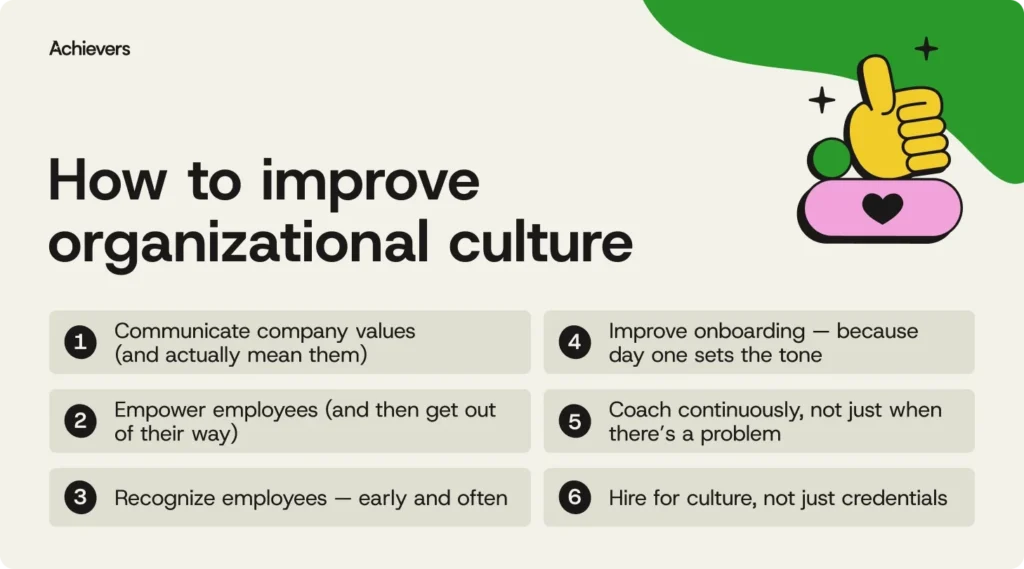
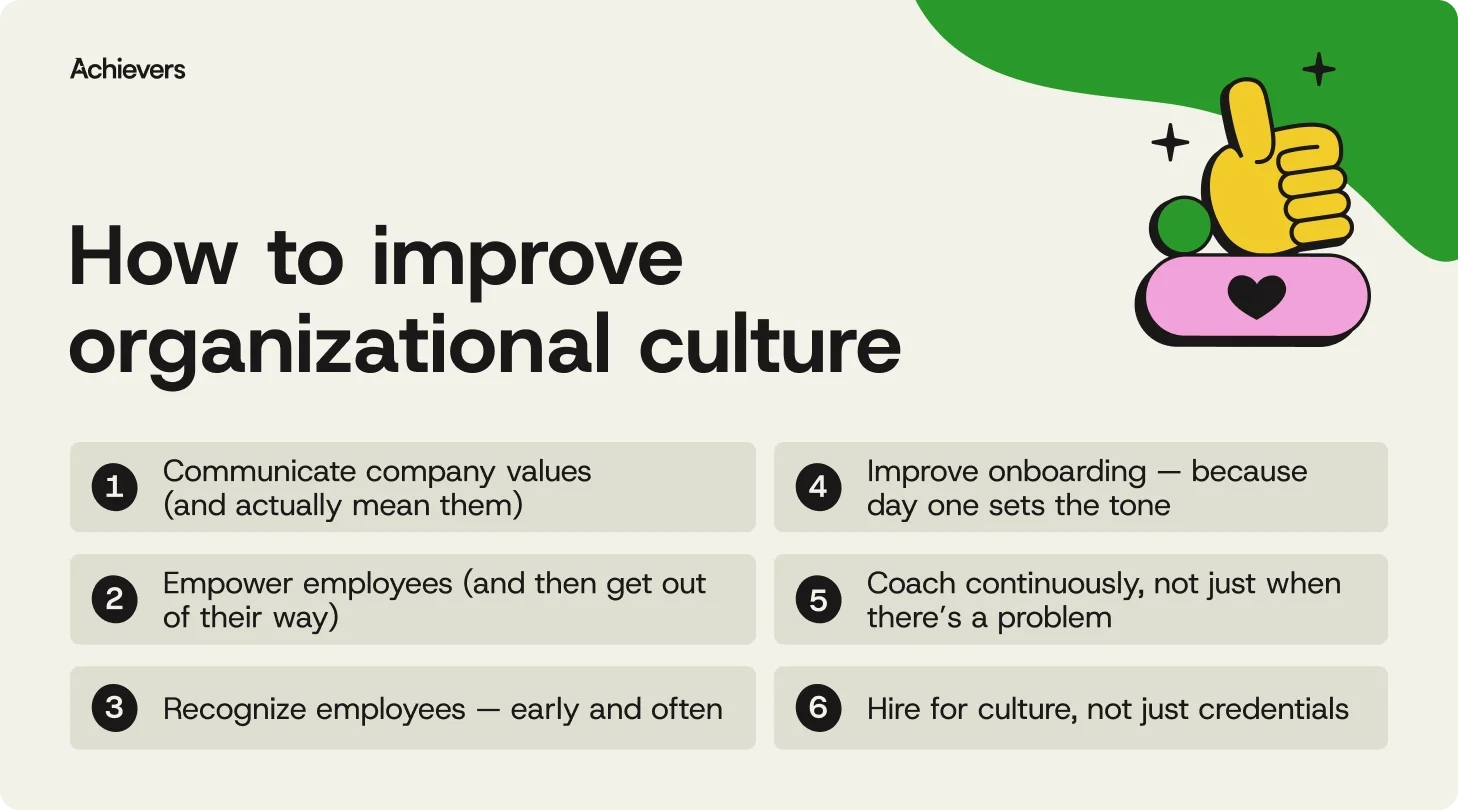
1. Articulating and Embodying Company Values
At the heart of every thriving organizational culture lie clearly defined and consistently communicated core values. These values are more than just statements on a wall; they are the guiding principles that should inform every decision, shape every behavior, and provide employees with a clear understanding of what "good work" truly entails within the organization. When values are deeply ingrained and consistently reinforced by leadership and throughout daily operations, employees gain clarity on expectations, fostering a shared sense of purpose and reinforcing why their contributions matter.
Effective implementation involves:
- Integrating values into daily operations: Values should be referenced in meetings, performance reviews, project kick-offs, and even casual conversations.
- Leadership as exemplars: Executives and managers must visibly demonstrate these values in their own actions and decisions, as employees observe leader behavior far more than they absorb written policies. A disconnect between espoused values and lived reality can quickly erode trust and engagement.
- Recognizing values-aligned behavior: Actively celebrating employees who exemplify core values through their work provides positive reinforcement and clarifies what success looks like.
- Using values in decision-making: From strategic planning to customer service, values should serve as a compass, ensuring consistency and integrity across the organization. Studies by companies like Deloitte indicate that values-driven organizations often experience higher employee engagement and customer loyalty.
2. Implementing Consistent and Meaningful Employee Recognition
Recognition is not merely a polite gesture; it is a powerful driver of engagement, motivation, and retention. When employees feel genuinely appreciated for their efforts and contributions, they are significantly more likely to remain committed to their roles, invest discretionary effort, and contribute at higher levels. Research from sources like Gallup consistently shows that employees who receive regular recognition are more productive, have better safety records, and are less likely to leave their jobs.
To cultivate a culture of recognition:
- Make it frequent and timely: Recognition should occur regularly, not just annually, and be delivered as close to the recognized action as possible to maximize its impact.
- Ensure it is specific and sincere: Generic praise is less impactful than specific feedback that highlights what the employee did well and why it mattered.
- Diversify recognition methods: Beyond formal awards, consider peer-to-peer recognition, verbal praise in meetings, handwritten notes, and opportunities for skill development or project leadership.
- Promote visibility: Publicly acknowledging achievements (where appropriate) reinforces positive behaviors and inspires others. Companies with robust recognition programs often report significantly lower turnover rates, directly impacting recruitment costs and institutional knowledge retention.
3. Fostering Empowerment and Trust in Employee Delivery
Employees perform at their peak when they are granted a sense of ownership, encouraged to contribute their ideas, and trusted to make decisions within their purview. This empowerment does not equate to an absence of support; rather, it means providing clear goals, equipping individuals with the necessary resources and training, offering guidance when requested, and then stepping back to allow them to execute.

Key elements include:
- Delegation with clear parameters: Define the scope of authority and expected outcomes, but allow autonomy in how the work is done.
- Encouraging initiative and innovation: Create a safe space for employees to experiment, propose new solutions, and learn from mistakes without fear of punitive repercussions.
- Providing developmental opportunities: Trusting employees also means investing in their growth, offering training and development that equips them to handle greater responsibilities.
- Leaders as facilitators: Shift from a command-and-control approach to one where leaders enable their teams, remove obstacles, and champion their successes. When employees feel trusted, they naturally take greater ownership, demonstrate more initiative, and approach tasks with enhanced confidence and a problem-solving mindset, leading to higher quality work and increased job satisfaction.
4. Optimizing Onboarding for Cultural Integration and Expectation Setting
The onboarding experience is the foundational interaction a new employee has with an organization, profoundly shaping their perception and future engagement. A truly effective onboarding process extends far beyond administrative paperwork and system logins; it is a strategic opportunity to immerse new hires in the company culture, clarify its core values, and articulate a clear vision of what success looks like in their role and within the broader organization.
To enhance onboarding:
- Pre-boarding engagement: Begin engagement before the first day with welcome messages, relevant information, and introductions to the team.
- Cultural immersion: Incorporate sessions dedicated to understanding the company’s history, mission, values, and how they translate into daily operations.
- Mentorship programs: Pair new hires with experienced colleagues who can guide them through cultural nuances and provide informal support.
- Structured 30-60-90 day plans: Provide clear objectives and milestones to help new employees quickly integrate and contribute. A strong onboarding experience significantly reduces time-to-productivity, improves new hire retention rates (studies suggest good onboarding can boost retention by 50% or more), and fosters immediate alignment with organizational goals and culture.
5. Cultivating a Culture of Continuous Coaching and Development
Effective employee development should not be confined to annual performance reviews; it requires a continuous, ongoing approach. Continuous coaching helps employees hone their skills, navigate challenges proactively, and understand their career trajectory within the organization. This proactive investment in human capital demonstrates a commitment to employee growth and future-readiness.
Strategies for continuous coaching:
- Regular one-on-one check-ins: Beyond task updates, these sessions should focus on development, feedback, and career aspirations.
- Skill-building workshops and resources: Provide accessible learning opportunities that align with individual and organizational needs.
- Peer coaching and mentorship programs: Leverage internal expertise to foster a learning ecosystem.
- Feedback loops: Implement mechanisms for both upward and downward feedback, making it a regular and constructive part of the work process. From structured one-on-ones to informal mentorships, fostering a culture of continuous development keeps employees motivated, enhances their capabilities, and helps the business remain agile and future-ready. It also serves as a crucial mechanism for transforming good managers into exceptional leaders.
6. Prioritizing Values-Based Hiring Over Solely Experience-Based Hiring
Building high-performing teams that collaborate effectively and share common expectations requires looking beyond technical skills and experience. Hiring with culture in mind means assessing how candidates approach problems, interact with others, and align with the organization’s core values. While experience is valuable, a candidate who is a strong cultural fit or "cultural add" can often integrate more smoothly and contribute more meaningfully in the long run.
Effective values-based hiring involves:
- Behavioral interviewing: Ask questions that reveal how candidates have acted in past situations, demonstrating their alignment with values.
- Scenario-based assessments: Present hypothetical situations to gauge problem-solving approaches and interpersonal skills.
- Involving team members in the interview process: Allow prospective colleagues to assess cultural fit and provide diverse perspectives.
- Transparency about company culture: Be upfront about the organization’s values and expectations to ensure mutual alignment. When organizations successfully hire individuals who intrinsically "get it" and genuinely desire to be part of the existing culture, they build stronger, more cohesive teams, significantly reduce employee turnover, and streamline the onboarding process, leading to long-term stability and success.
7. Upholding Open and Transparent Communication
Open and transparent communication is a cornerstone of trust and engagement, originating from leadership but permeating every level of the organization. Employees naturally seek to understand what is happening within their company, the rationale behind key decisions, and how their feedback is received and acted upon. A lack of transparency can breed speculation, anxiety, and disengagement.
To foster open communication:
- Regular leadership updates: Town halls, company-wide emails, and internal blogs can keep employees informed on strategic direction and key developments.
- Two-way feedback channels: Implement mechanisms like anonymous suggestion boxes, pulse surveys, and dedicated Q&A sessions to ensure employees feel heard.
- Clear rationale for decisions: Explain the "why" behind organizational changes, even difficult ones, to build understanding and trust.
- Accessible leadership: Encourage leaders to be visible, approachable, and responsive to employee concerns. When employees feel consistently informed and genuinely heard, they remain engaged and focused on their work, rather than being distracted by uncertainty or rumor. This fosters psychological safety and strengthens the bond between employees and the organization.
8. Integrating Collaboration as a Core Operational Modality
Building a truly collaborative culture necessitates breaking down organizational silos, actively encouraging cross-functional teamwork, and creating space for shared successes. Collaboration moves beyond simply working together; it implies a collective ownership of goals and a willingness to leverage diverse perspectives for superior outcomes.
Strategies to embed collaboration:
- Cross-functional project teams: Form teams that bring together individuals from different departments to tackle shared objectives.
- Shared goals and metrics: Align individual and team objectives with broader organizational goals to foster a sense of collective purpose.
- Collaborative tools and platforms: Provide technology that facilitates seamless communication, document sharing, and project management across teams.
- Celebrating collective achievements: Emphasize team wins as much as individual accomplishments to reinforce the value of working together. When employees perceive themselves as working towards common objectives, they recognize that they are all integral members of the same team, leading to greater synergy, innovation, and collective problem-solving capabilities.
9. Prioritizing Inclusion Through Intentional Daily Actions
Diversity in the workplace is widely recognized as a powerful engine for innovation, bringing varied perspectives and experiences to the table. However, diversity alone is insufficient; inclusion is what ensures that all individuals feel valued, respected, and empowered to contribute their unique talents. True inclusion does not occur by chance; it requires deliberate, ongoing effort and intentional action from every level of the organization.
To prioritize inclusion:
- Unconscious bias training: Educate employees and leaders on implicit biases and how they can impact decision-making and interactions.
- Equitable opportunities: Ensure fair processes for hiring, promotion, and project assignments, addressing potential systemic barriers.
- Employee Resource Groups (ERGs): Support employee-led groups that foster community, provide support, and offer diverse perspectives to the organization.
- Inclusive language and communication: Promote respectful and inclusive communication practices across all platforms.
- Leadership accountability: Hold leaders responsible for creating inclusive environments within their teams. By actively celebrating what makes people different and ensuring everyone has a voice, organizations create an environment where every employee feels they are part of something meaningful, driving higher engagement, belonging, and ultimately, better business outcomes.
10. Setting the Tone Through Exemplary Leadership Behavior
Perhaps the most critical factor in shaping organizational culture is the behavior of its leaders. Employees consistently observe what leaders do more closely than what they say. This means that leaders must consistently embody the desired culture through their integrity, their listening skills, their willingness to own mistakes, and their consistent recognition of others. Leaders are the ultimate cultural architects, and their actions cast a long shadow over the entire organization.
Key leadership behaviors include:
- Authenticity and integrity: Acting in alignment with stated values and principles, even when it’s difficult.
- Active listening: Demonstrating genuine interest in employee input and concerns.
- Accountability: Taking responsibility for failures as well as successes.
- Empathy and emotional intelligence: Understanding and responding to the emotional needs of their teams.
- Consistent recognition: Regularly acknowledging and appreciating the contributions of their team members. It is a simple yet profound truth: if an organization desires its employees to embody and live the culture, then its leadership must demonstrably live it first. This sets a powerful precedent and builds the trust necessary for cultural transformation.
The Role of Technology in Sustaining a Positive Culture
Building a truly great culture extends beyond good intentions; it requires the right tools to translate values into actionable behaviors and these actions into lasting impact. Modern HR technology platforms, such as those offered by Achievers, are designed to make culture a tangible, visible part of daily operations rather than a theoretical aspiration. These platforms facilitate key cultural drivers like recognition, feedback, and communication, integrating them seamlessly into the employee experience.
Such platforms typically offer:
- Global recognition and rewards programs: Enabling timely, peer-to-peer, and manager-to-employee recognition tied to company values.
- Employee voice and feedback tools: Providing pulse surveys, eNPS (Employee Net Promoter Score) tracking, and sentiment analysis to capture real-time employee perspectives.
- Internal communication hubs: Centralizing company news, updates, and value reinforcement.
- Performance management integration: Linking recognition and feedback directly to performance goals and development plans.
The result is a culture where employees feel seen, heard, and empowered to contribute their best work, because practices like recognition and continuous feedback become an inherent part of how the company operates, not merely an isolated initiative.
Building a Thriving Organizational Culture: An Ongoing Journey
Organizational culture is not a destination to be reached overnight; it is an ongoing journey that begins with intentionality and sustained effort. When organizations consciously prioritize authentic recognition, open and transparent communication, and meaningful employee connection, they establish the essential groundwork for something far greater: a culture where individuals feel genuinely valued, implicitly trusted, and enthusiastically motivated to contribute their unique talents.
It is not necessary to embark on a massive overhaul to initiate positive change. The most effective approach often starts with reinforcing existing values and consistently acknowledging the excellent work already taking place within the organization. Over time, these seemingly small, consistent moments of positive interaction and reinforcement accumulate to create a profoundly powerful environment – a workplace where employees do not merely show up for work, but truly thrive. While cultivating a strong culture undeniably requires sustained effort and resources, it is an investment that yields significant dividends in the form of heightened employee engagement, improved retention rates, accelerated innovation, and superior business results. The imperative to begin this journey, or to reinforce it, is now.