

A pervasive narrative has emerged in recent discourse surrounding artificial intelligence: that of widespread job elimination. However, a closer examination of evolving labor market trends, supported by emerging data and expert analysis, suggests a more nuanced and optimistic reality. Rather than rendering human roles obsolete, AI appears to be acting as a powerful catalyst for job transformation, creating roles that are more engaging, valuable, and ultimately more rewarding. This shift, while sometimes challenging, represents a fundamental evolution in the nature of work, moving away from routine tasks towards those that leverage uniquely human capabilities.

This perspective is gaining traction among HR and HR technology analysts, who are observing firsthand how AI is not simply automating tasks but augmenting human potential. This evolution is leading to the emergence of what is being termed "Superwork" and "Superjobs," concepts that will be explored in detail in an upcoming book. The underlying principle is that AI, by handling repetitive and data-intensive processes, frees up human workers to focus on higher-level cognitive functions, creativity, problem-solving, and interpersonal interactions.
The Software Engineering Renaissance: AI as an Augmenter, Not an Exterminator
The software engineering sector, a cornerstone of the modern digital economy, is a prime example of this AI-driven job evolution. With millions of individuals globally engaged in the design, coding, testing, maintenance, and integration of software, this field represents a significant portion of the workforce and a substantial economic driver.

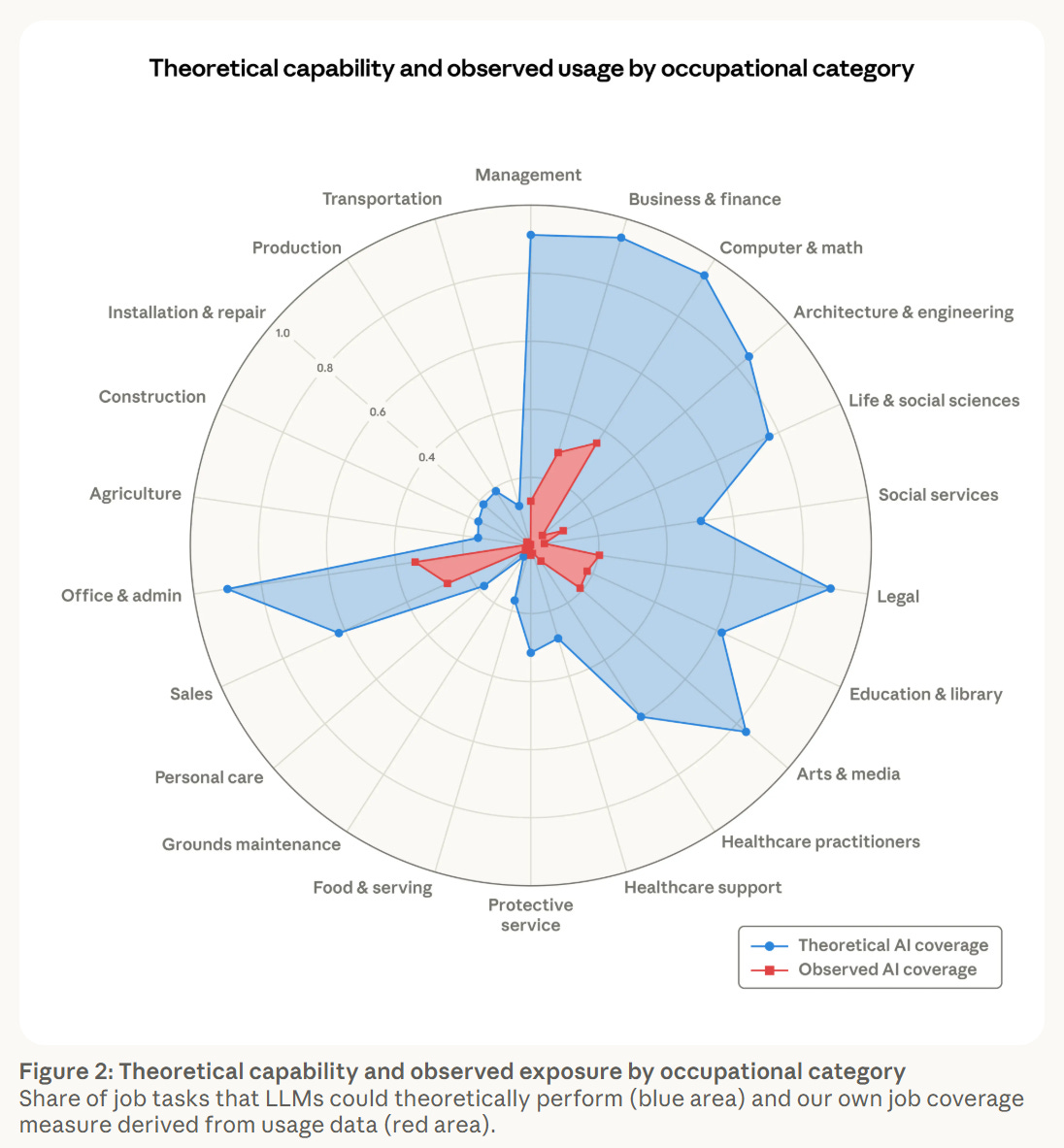
While some research, such as that conducted by Anthropic, suggests that large language models (LLMs) could theoretically perform a vast percentage of tasks currently undertaken by software engineers, this analysis often overlooks the multifaceted nature of the profession. The work of software engineers extends far beyond simply writing code. It involves critical thinking, problem decomposition, architectural design, understanding complex business requirements, refining user experiences, and developing robust testing frameworks. AI tools can certainly accelerate the coding aspect, but they do not replace the strategic and creative thinking that underpins successful software development.
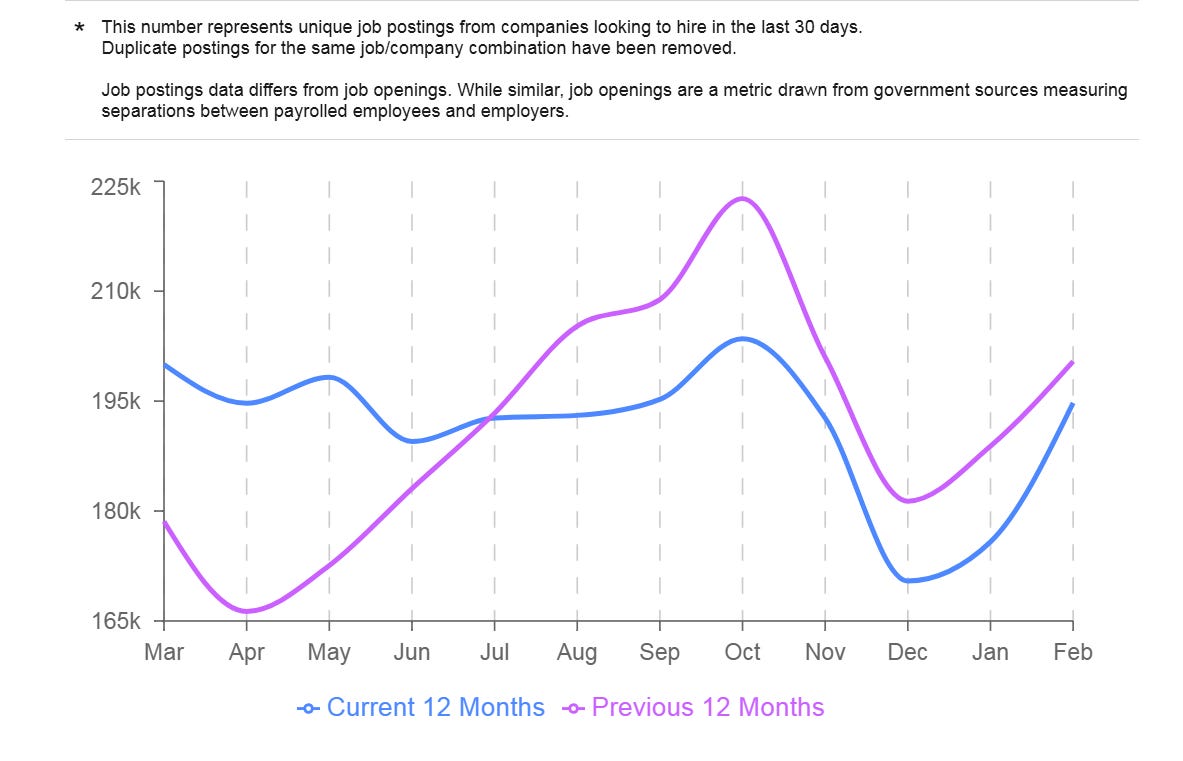
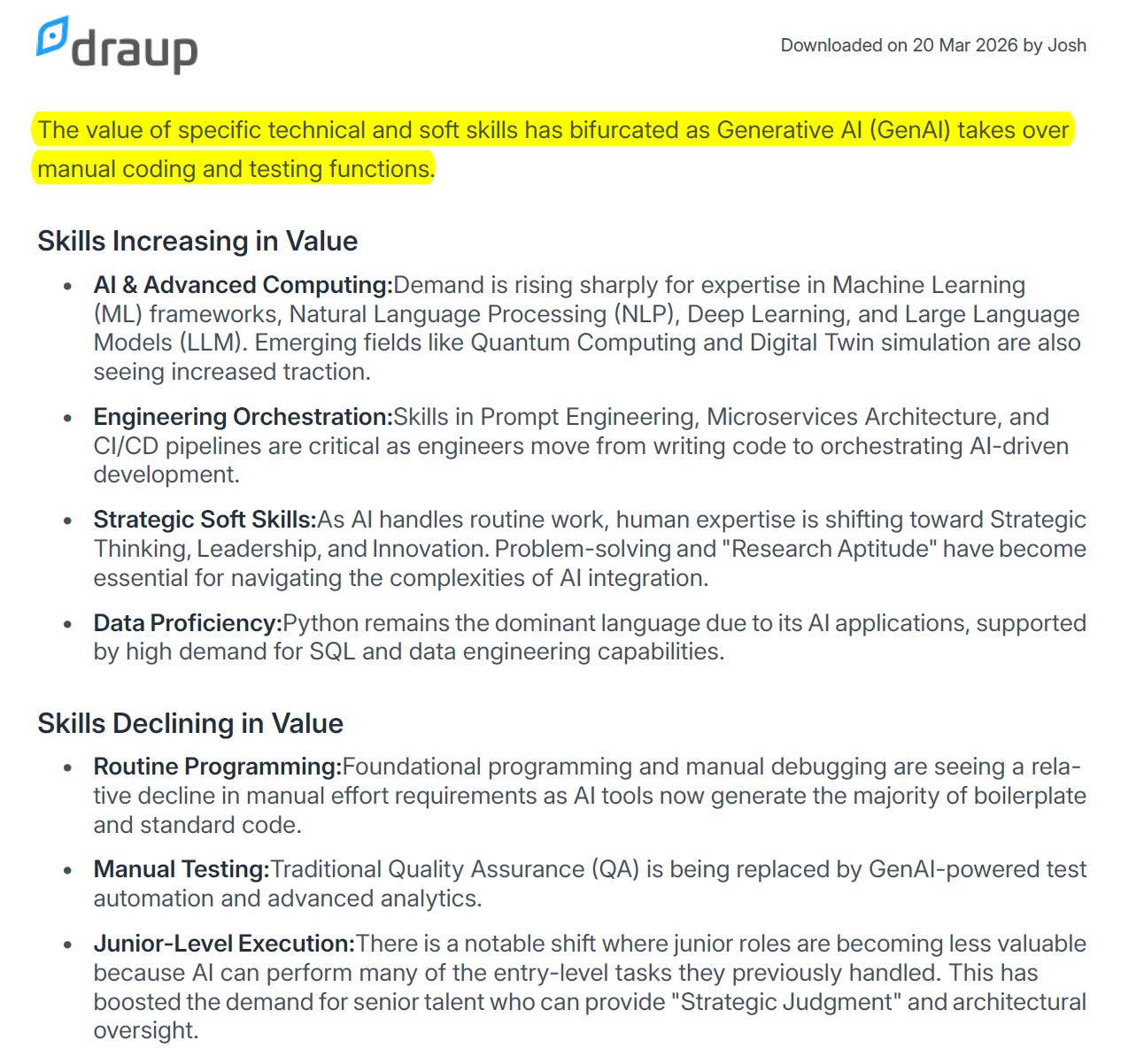
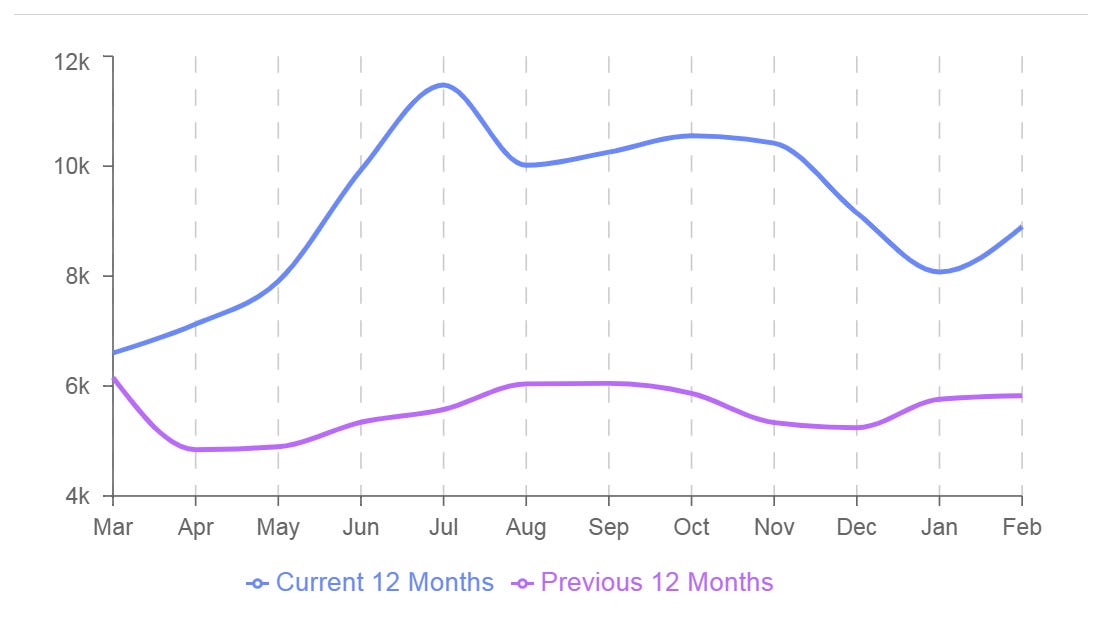
Contrary to early predictions of widespread job displacement, labor market data indicates a robust and even growing demand for software engineering roles. Analysis from Draup, a labor market analytics firm, reveals that the overall number of software engineering positions has remained relatively stable, even with fluctuations in periodic demand. Global job postings for software engineering, design, and testing roles, as tracked by Lightcast, further corroborate this trend. While there might be shifts in the specific skills in demand, the overall volume of opportunities has not diminished.
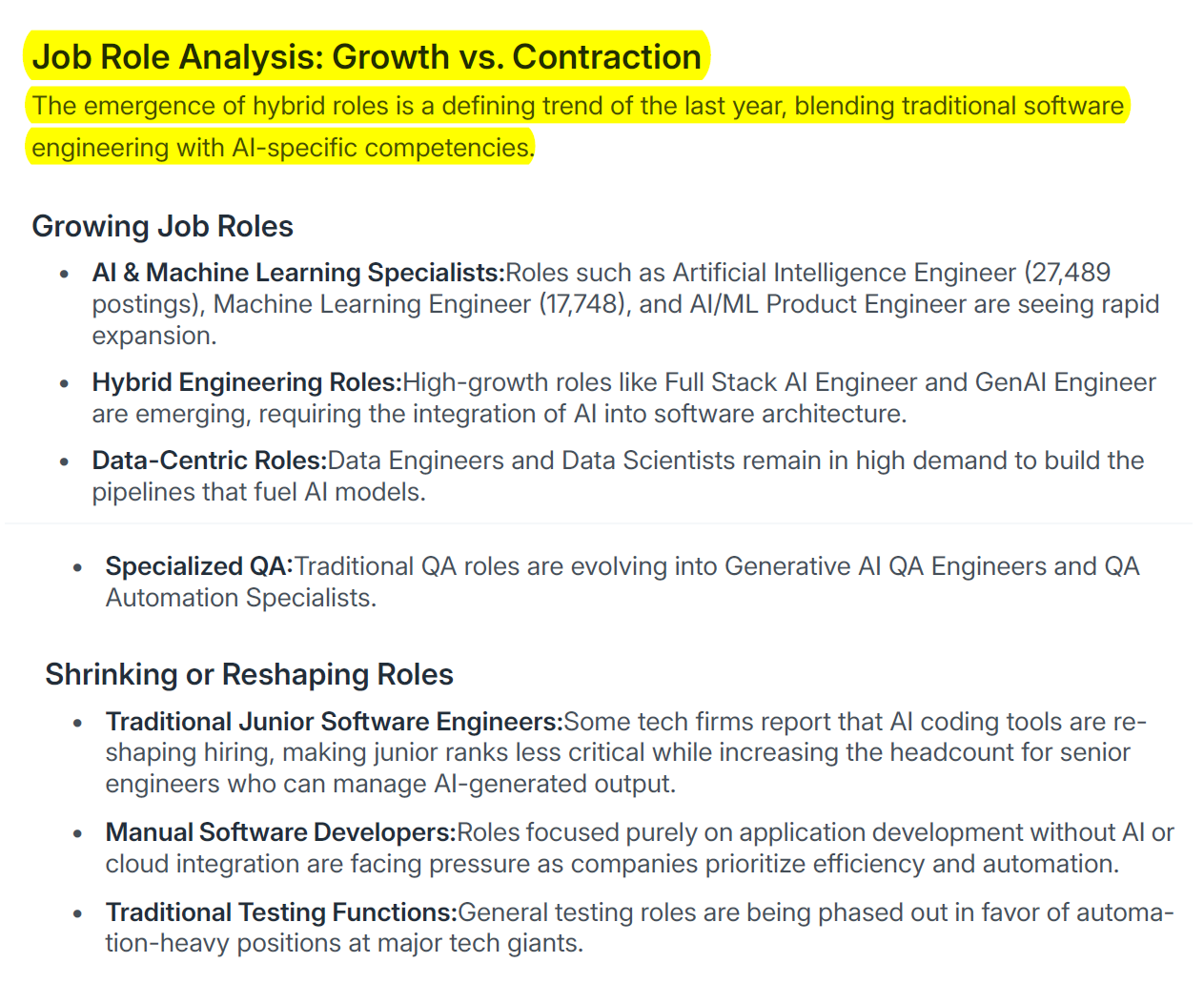
Indeed, the demand for AI-specific roles within software engineering is surging. Titles like "full-stack AI engineer" and "GenAI engineer" are on the rise, indicating a growing need for professionals who can develop, implement, and manage AI systems. This transition is not about eliminating existing roles but about evolving them. General coding, testing, and quality assurance roles may be evolving or being absorbed into broader, more sophisticated positions. This mirrors historical technological shifts, such as the decline of the traditional "steno pool" with the advent of word processing, where administrative tasks were automated, leading to a redefinition of secretarial roles towards more complex support functions.
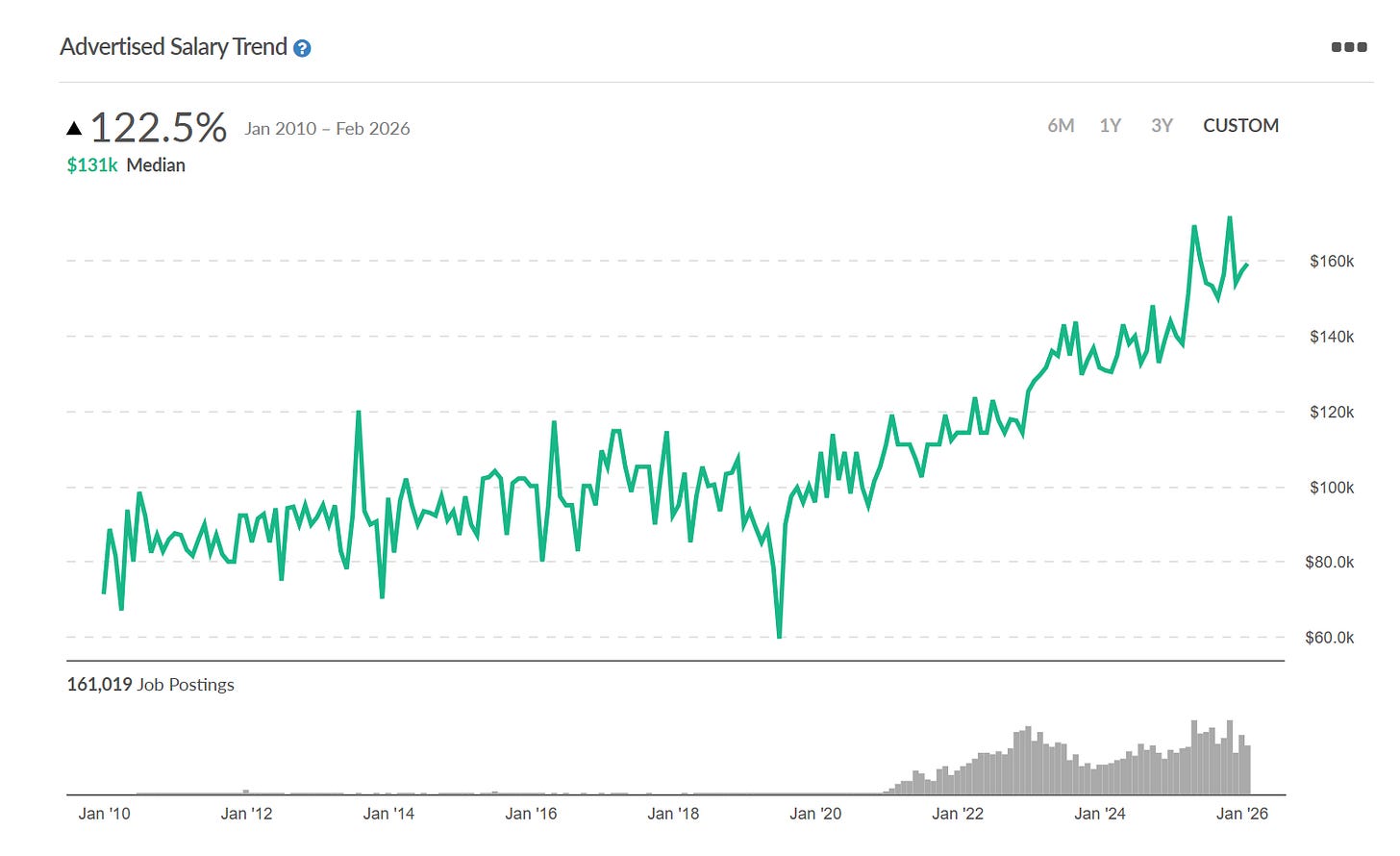
The impact of AI on software engineering is also evident in compensation trends. Data suggests that software engineering salaries have seen significant growth over the past 15 years, with a notable acceleration in recent times. This upward trend, particularly the over 15% increase in the last year alone, suggests that AI integration is not depressing wages but rather enhancing the value and earning potential of these specialized roles.
Healthcare’s AI Integration: Enhancing Patient Care and Expanding Roles
The healthcare sector provides another compelling case study of AI’s transformative impact on employment. Consider the role of X-ray technicians. Over a decade ago, the rise of digital imaging led some economists to predict the obsolescence of these professionals, arguing that AI-powered medical image analysis would soon render human interpretation redundant.
The logic was that AI systems, capable of processing vast datasets and identifying patterns indicative of disease or injury, would automate the diagnostic process. This perspective, similar to the Anthropic analysis on software engineering, often focuses on a singular task – reading scans – rather than the comprehensive patient care experience.
However, the reality has proven far more dynamic. Data from Lightcast indicates a substantial year-over-year increase of 35% in job postings for imaging and medical diagnostics roles. This surge in demand suggests that AI has not eliminated these positions but has instead created new opportunities and redefined existing ones.
The integration of AI in radiology, for instance, has shifted the focus for technicians and diagnosticians. While AI can assist in initial scans and identify anomalies, the human element remains crucial for nuanced interpretation, patient communication, and managing the overall diagnostic workflow. New roles are emerging in areas such as data management for AI systems, advanced patient care coordination, and the ethical oversight of AI-driven diagnostics.
This evolution is also reflected in salary trends within the medical imaging field. While perhaps not experiencing the same rapid escalation as software engineering, salaries for these roles have shown steady growth, indicating continued demand and increasing value.
The anecdote of a patient’s swift and efficient X-ray experience highlights the operational efficiencies gained through AI. The ability to send a message directly to the imaging department, receive prompt service, and get a diagnosis via a quick phone call demonstrates how AI can streamline processes, reduce waiting times, and improve the overall patient experience. This efficiency, facilitated by AI, allows healthcare professionals to handle a higher volume of patients, making their roles more dynamic and impactful. The doctor and imaging specialist in this scenario are not replaced but transformed into "Superworkers," leveraging technology to enhance their effectiveness and patient outcomes.
The "Superworker" Phenomenon: Adaptation and Value Creation
The overarching theme emerging from these examples is the concept of the "Superworker" and "Superjobs." This phenomenon is not new; technological advancements have consistently reshaped the labor market throughout history. From the agricultural revolution to the industrial revolution and the digital age, human societies have demonstrated a remarkable capacity to adapt to technological change.
The US unemployment rate, which has remained relatively stable around 4.5% for many years, serves as empirical evidence of this adaptability. This consistency, despite significant technological disruptions, underscores humanity’s innate ability to evolve and find new avenues for contribution.

The driving force behind this adaptation is deeply rooted in human nature. Unlike AI, which operates on programmed algorithms, humans possess a vast, genetically ingrained capacity for learning, creativity, and problem-solving. This biological advantage, honed over millions of years of evolution, allows us to not only process information but also to innovate, create value, and adapt to unforeseen challenges.
The pandemic, for instance, spurred unprecedented levels of innovation and adaptation across virtually every sector. Similarly, individuals with disabilities or chronic illnesses constantly demonstrate resilience and ingenuity in navigating their circumstances. This inherent human drive to "make things better" is the engine of progress and the foundation upon which new job roles are built.

The Role of Leadership in Navigating AI Integration
As AI continues its rapid integration into the workplace, the role of leadership becomes paramount in facilitating this transition. Instead of viewing AI as a threat, leaders must embrace it as a tool for innovation and augmentation. This involves fostering a culture of continuous learning, encouraging the development of new skills, and strategically redeploying human talent to higher-value activities.
The challenges of job disruption are real, and the resistance to change is a natural human response. However, by understanding the historical patterns of technological adoption and the inherent strengths of human adaptability, leaders can guide their organizations through this evolutionary phase.
The future of work is not one of mass unemployment, but rather one where human capabilities are amplified by AI. This will lead to jobs that are more intellectually stimulating, strategically important, and personally fulfilling. By embracing this paradigm shift, businesses can unlock new levels of productivity, innovation, and economic growth, while individuals can embark on careers that are not only financially rewarding but also deeply engaging and impactful.
Conclusion: Embracing the Future of Work
The narrative of AI-driven job elimination is a simplistic and ultimately inaccurate portrayal of a complex and evolving landscape. The evidence suggests that AI is a powerful engine for job creation and enhancement, leading to more interesting, valuable, and rewarding "Superjobs." By understanding and leveraging the unique strengths of human intelligence and adaptability, coupled with the computational power of AI, we can build a future of work that is both prosperous and profoundly human. The ongoing research and analysis into these evolving trends provide valuable insights for individuals, businesses, and policymakers seeking to navigate this transformative era.







