The landscape of corporate learning and development (L&D) is undergoing a profound transformation, moving beyond traditional educational models to embrace a more agile and integrated approach termed "Dynamic Enablement." This paradigm shift, detailed in the recently released "Definitive Guide to Corporate Learning" by Josh Bersin, positions L&D professionals to leverage their expertise and content libraries to provide employees with immediate, context-aware support directly within their workflows. The emergence of AI has accelerated this evolution, creating a fertile ground for innovative solutions that promise to redefine how employees acquire knowledge and skills.
The Evolution from Learning to Enablement
For years, the concept of "learning in the flow of work" has been a guiding principle for L&D. However, the updated framework of Dynamic Enablement expands this notion significantly. It encompasses not just formal learning but also encompasses a broader spectrum of support, including answering immediate questions, in-depth exploration of topics, connecting employees with subject matter experts, and facilitating continuous skill development. This holistic approach recognizes that employee needs for support are constant and varied, requiring a more responsive and integrated system than traditional training modules can offer.
The impetus for this shift is underscored by the rapid "lurching" of vendors into this new space, a phenomenon driven by a palpable market demand and the enabling power of artificial intelligence. As AI technologies mature, they are making it more feasible and efficient than ever to deliver personalized and contextually relevant enablement experiences at scale. This transition signifies a move from a model where learning is a distinct activity to one where acquiring knowledge and skills is an intrinsic part of the daily work experience.

Defining the Dynamic Enablement Experience
Delivering an effective enablement experience requires understanding the diverse needs of employees across different roles and industries. The "Definitive Guide" highlights that a one-size-fits-all approach is insufficient. Whether it’s an Uber driver needing navigation assistance, a middle manager requiring performance feedback strategies, a software engineer troubleshooting code, a sales representative seeking product details, or a manufacturing worker adhering to safety protocols, the nature of enablement varies dramatically. Consequently, HR and L&D departments must architect enablement platforms that are flexible and adaptable to these specific use cases.
The current market is characterized by a frenzied pace of innovation as vendors race to capture this burgeoning segment. This dynamism, while exciting, necessitates careful evaluation by organizations. The advice to scrutinize solutions before becoming overly attached is crucial, given the rapid evolution and potential for obsolescence in this fast-moving field.
Key Players in the Dynamic Enablement Market
The market for dynamic enablement solutions is rapidly expanding, with a diverse array of companies offering innovative approaches. These solutions leverage AI and advanced technologies to provide employees with the support they need, when and where they need it.
Arist: Mobile-First Enablement and AI Performance Consulting
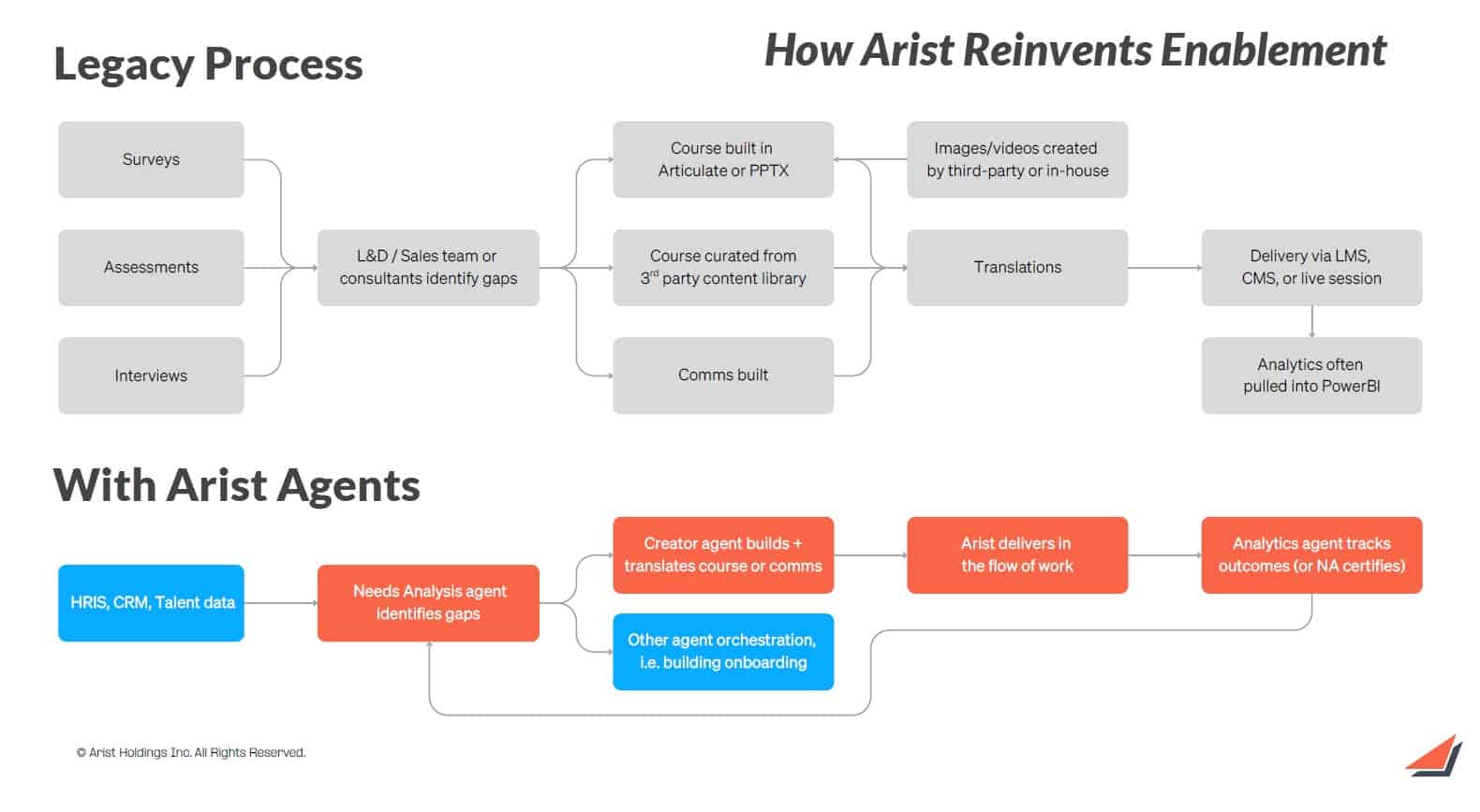
Arist has emerged as a significant player with its mobile-first enablement platform. Initially focused on delivering chunked, dynamic content to mobile devices, Arist has expanded its capabilities to encompass end-to-end enablement. A standout feature is its "AI Performance Consultant," which can analyze operational data, identify performance gaps, and autonomously generate content to address these issues. This represents a significant step towards "autonomous corporate learning," where AI agents proactively identify and resolve problems, akin to self-driving vehicles in the corporate world. The platform’s founders, recognized for their technological creativity, have rapidly propelled Arist into the forefront of the enablement market. Their partnership with Josh Bersin on various HR training and enablement programs further solidifies their position.

Sana (Galileo Learn): AI-Native Platform with Integrated AI Agents
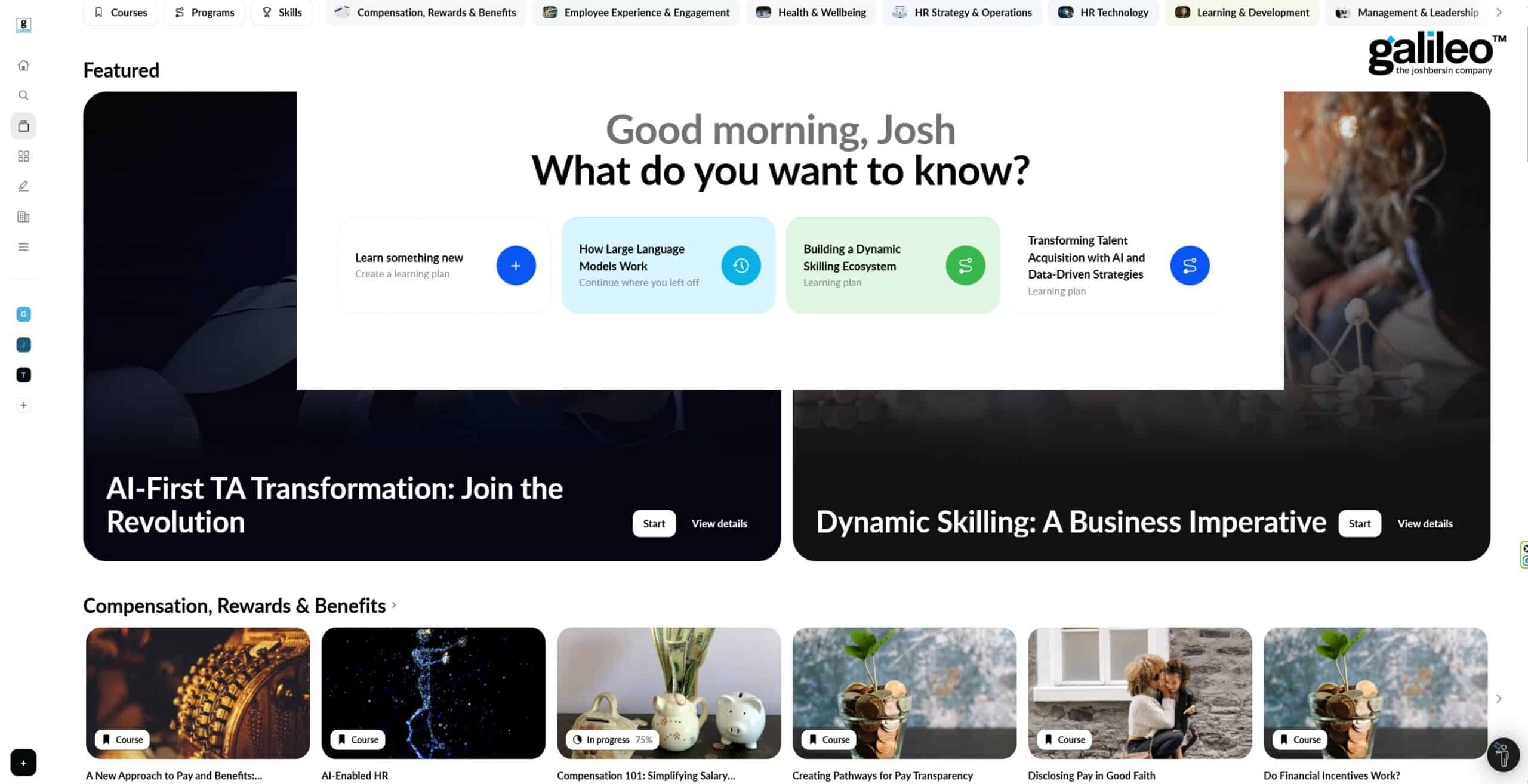
Sana, now under the Workday umbrella, is lauded as one of the most advanced AI-native learning platforms. Founded in 2016 by Joel Hellermark, Sana has consistently integrated AI, even utilizing OpenAI technologies before the widespread launch of ChatGPT. The company’s deep AI foundation has enabled the development of a comprehensive learning platform, accessible via Galileo on a per-user basis. Its AI Agent platform, Sana Agent, works in tandem with the learning system, functioning as a dynamic hub for learning, knowledge management, and AI agent development. The upcoming launch of Sana Enterprise will allow seamless integration with Workday data and transactions, reinforcing its status as a powerful dynamic enablement solution.
Seismic: Pioneering Sales Enablement with AI Integration
Seismic stands as a leader in the substantial sales enablement market, a sector valued in the billions of dollars and experiencing robust double-digit growth. This market addresses the critical need for sales teams to be equipped with up-to-date pricing guides, product launch information, sales collateral, and competitive intelligence. While Seismic leads, numerous other companies like Allego, Mindtickle, Highspot, and Showpad operate within this space. The absence of a significant play from Salesforce, despite its extensive Agentforce capabilities, remains a notable observation. Arist also competes in this arena, offering a competitive landscape for organizations seeking sales enablement solutions.
Docebo: Next-Generation LMS with AI-Driven Skills Intelligence
Docebo, a publicly traded Learning Management System (LMS) provider, has made significant strides in AI-native learning and enablement. The company has introduced AI tutors, AI-native authoring tools, and templated AI assessments, all designed to enhance its offerings for corporate L&D and revenue-generating training. The recent acquisition of 365 Talents has bolstered Docebo’s capabilities with an AI-driven skills intelligence system. This system allows for the identification of skills within content, the construction of corporate-wide skill taxonomies, and the deployment of learning aligned with specific skill needs. Prominent European organizations like SNCF and Airbus utilize Docebo, underscoring its effectiveness in addressing complex enablement needs.
LinkedIn Learning: AI Coaching for Enhanced Skill Development
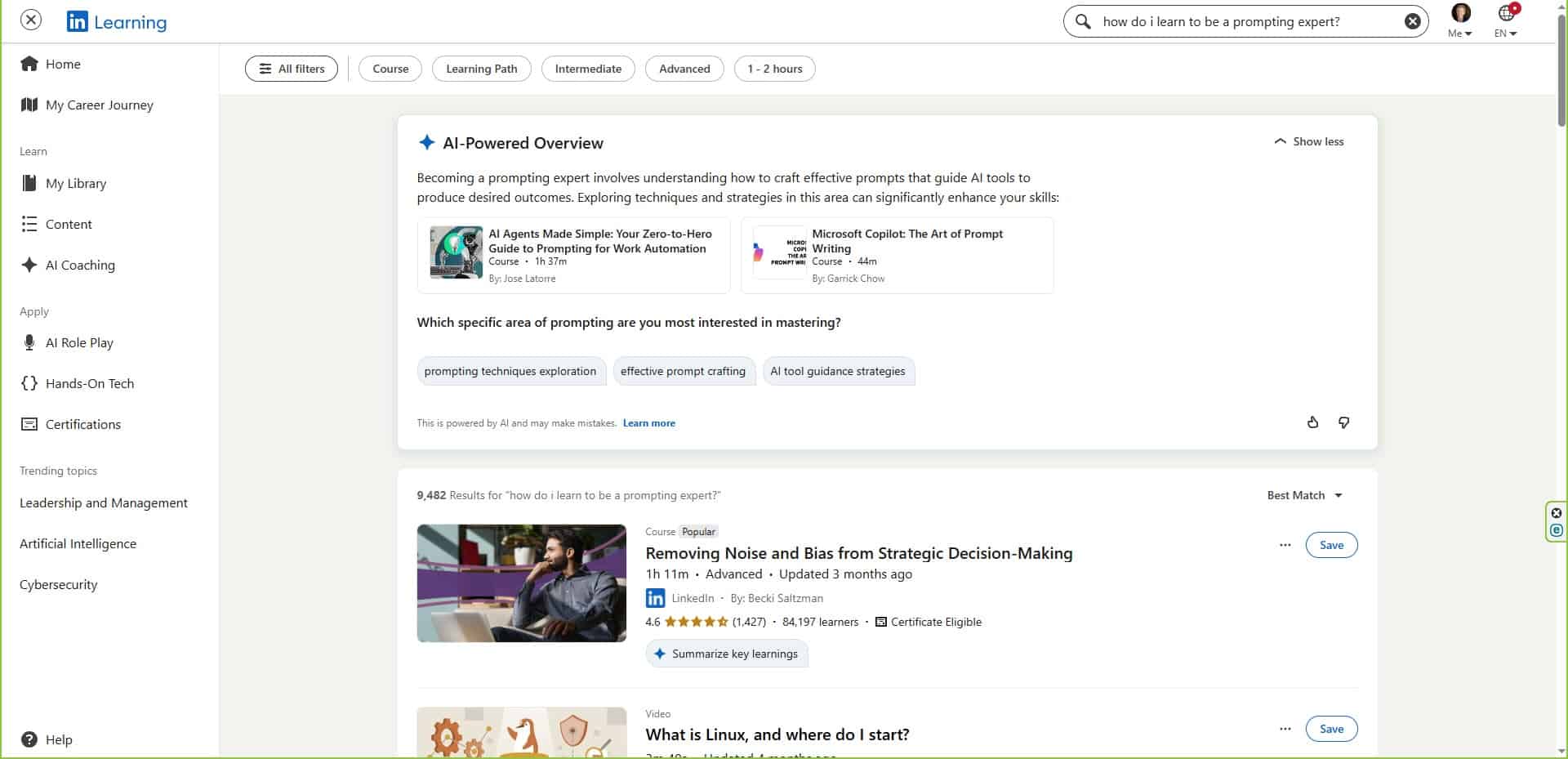
LinkedIn Learning has established itself as a trusted resource for L&D leaders and a major corporate content provider. Its recent launch of LinkedIn Learning AI Coaching offers a sophisticated "coach" to assist users in their learning journeys. This feature allows users to discover content and engage in AI-powered role-playing scenarios designed to build confidence and practical application skills. While not as customizable as some other platforms, this "heavy touch" enablement approach is particularly valuable for leaders, new managers, sales professionals, and individuals new to a specific domain. LinkedIn Learning is incrementally entering the dynamic enablement space, offering a blend of content and interactive coaching.
Uplimit: Performance Support Focused on Skill Mastery Through Doing
Uplimit positions itself as the crucial performance support AI missing from many L&D tech stacks. The platform challenges the outdated notion of fixed learning styles, emphasizing that true learning occurs through practice and application. Uplimit specializes in technical and sales training, where skills are best developed through hands-on projects and AI-powered role-playing with personalized, scaled feedback. This iterative approach allows learners to build competencies by actively engaging with the material, receiving coaching, and refining their skills. For L&D teams running cohort-based programs, Uplimit provides scalable, personalized coaching, including communication support and just-in-time assistance, without necessitating headcount increases. Fast-growing companies like Databricks are among its prominent users.
Degreed: AI-Native Content Generation within LXP Framework
Degreed, a pioneer in the Learning Experience Platform (LXP) space, has long championed performance enablement. The platform has now integrated extensive AI-native content generation capabilities. Its next-generation Maestro Studio empowers L&D and sales enablement teams to create custom AI-driven experiences, such as coaches and simulations, without the need for constant course updates. For existing Degreed users, Maestro acts as a contextual coach and tutor, analyzing learner profiles, past learning activities, and pathway progress to offer tailored suggestions and feedback. The platform is also incorporating adaptive assessments and coaching, providing real-time support to employees within their learning pathways.
Perceptyx: Leveraging AI Tutors for Managerial Development
Perceptyx, a leader in employee engagement surveys, has strengthened its enablement offerings with the acquisition of Lyceum, a company specializing in AI tutors derived from content. This integration aims to equip employees and leaders with dynamic tools to address workplace challenges. For instance, if an engagement survey reveals micromanagement tendencies in a manager, the Perceptyx platform, enhanced by Lyceum’s AI, can inform personalized coaching needs. Managers can then query the AI for improvement strategies, drawing upon the company’s leadership content to foster enhanced leadership skills. This move signifies a broader trend where traditional employee feedback systems are evolving into front doors for enablement.
Disprz: AI-Native Platform with an Impact-First Approach
Disprz offers an AI-native learning platform designed for a comprehensive range of employee development needs, including onboarding, performance enablement, upskilling, reskilling, career mobility, and compliance training. The platform is built with an "impact-first" philosophy, ensuring that all learning activities are directly tied to measurable business outcomes, not merely completion rates. Disprz distinguishes itself through its fusion of dynamic content creation, advanced analytics, and automated performance coaching. While strong in India, Southeast Asia, and the Middle East, the company is actively expanding into North American and European markets.
Cornerstone: Skills-Based Talent Development with Future AI Integration
Cornerstone provides a suite of skills-based learning and talent management products aimed at fostering workforce agility and sustained performance amidst evolving work designs and roles. The platform enhances learning, development, and performance management through personalized, multidimensional experiences aligned with business and individual objectives. The upcoming rollout of Cornerstone Galaxy, its new skills-based talent and learning system, is anticipated to introduce significant advancements. For years, Cornerstone has facilitated microlearning, dynamic content development, job aids, and a broad network of partners to bring learning into the workflow. Future releases are expected to incorporate AI-native learning capabilities, with a major announcement regarding AI-driven content anticipated soon.
360Learning: Collaborative Learning and Democratized Content Creation
360Learning operates on the principle that "everyone is a teacher," facilitating a collaborative learning environment. Its platform empowers any subject matter expert—from sales professionals to IT specialists—to create courses and share knowledge without requiring extensive instructional design expertise. While initial skepticism about subject matter experts authoring content was common, organizations that have embraced this approach report exceeding quality expectations, increased organizational agility, and improved performance. The market for knowledge sharing through democratized content creation is expanding, with platforms like Syllog also emerging to offer rapid content authoring and personalized training for specific industries such as manufacturing, engineering, banking, insurance, and technology.
The Frontline Enablement Market
Beyond the broader corporate enablement landscape, a specialized market is emerging focused exclusively on frontline workers.
Axonify: Brain Science and AI for Frontline Training
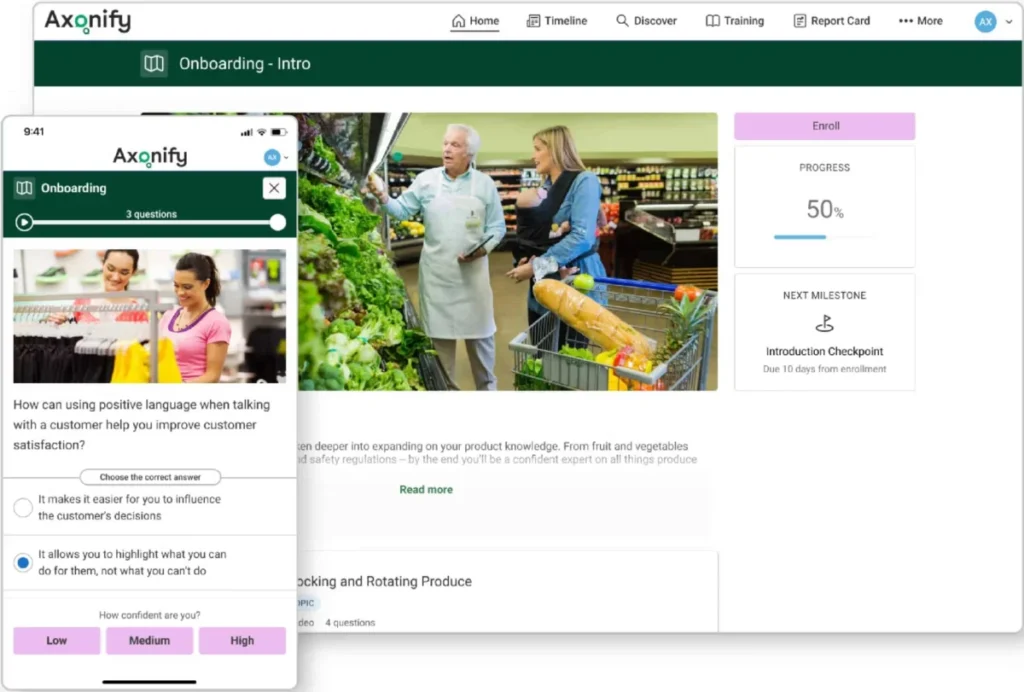
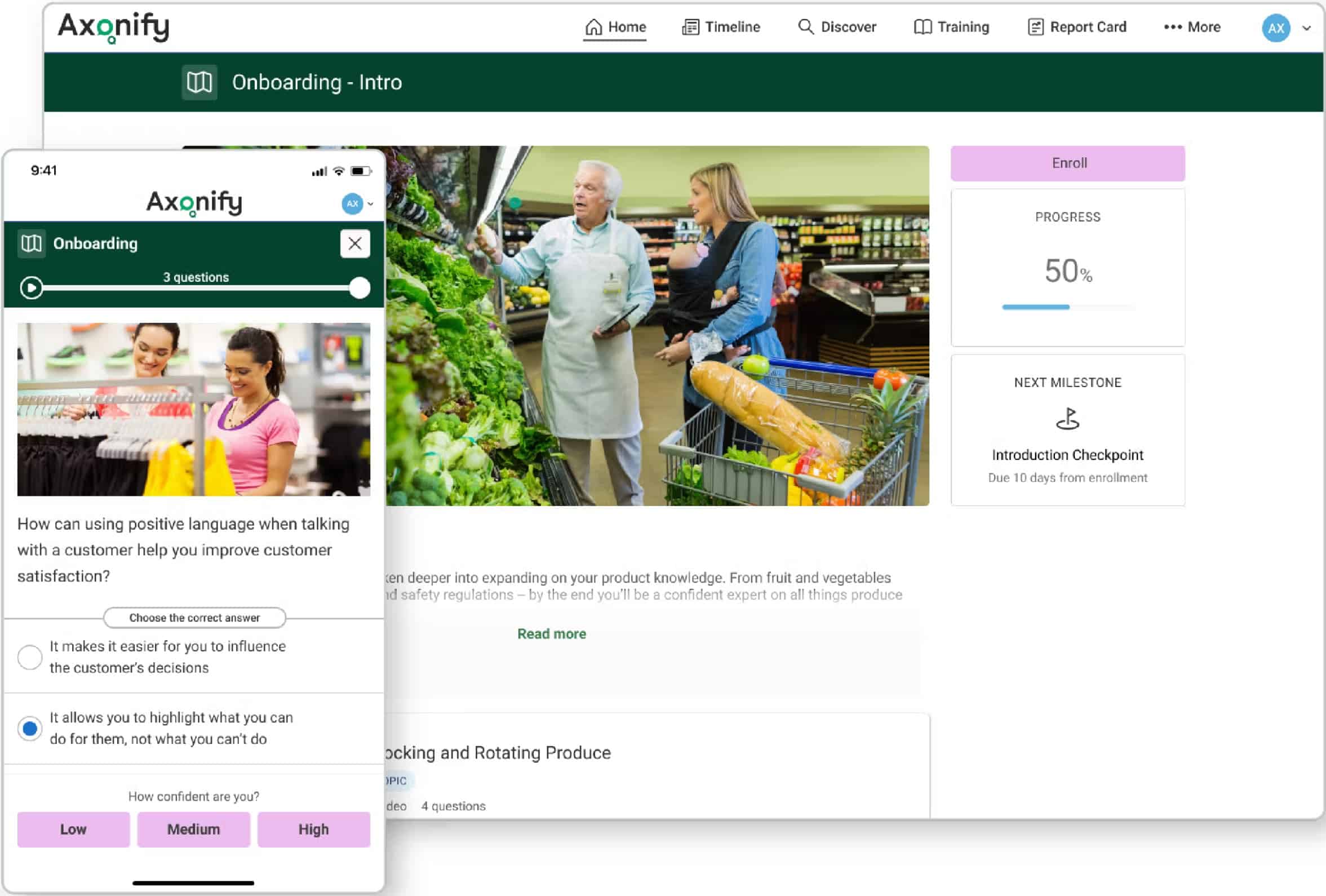
Axonify, a recognized pioneer, offers a frontline enablement platform that integrates brain science and AI. Its training solutions adapt to individual employee roles and knowledge levels, reinforcing critical behaviors through spaced repetition. This approach ensures that frontline staff receive targeted and effective learning experiences, tailored to their specific needs and job functions.
Kahuna: Operational Training and Skills Validation for Frontline Workers
Kahuna focuses on operational training and in-depth skills validation, particularly for industries like oil and gas, energy, manufacturing, and distribution. The company’s recent recognition as a Workday Gold Innovation Partner highlights its ability to enable frontline workers to recertify and up-certify their skills, a crucial aspect of operational readiness and compliance in these sectors.
Unique Enablement Providers
The dynamic enablement ecosystem also includes niche AI-powered solutions addressing highly specific needs.
IMMERSE: AI-Powered Language Fluency Performance
IMMERSE provides an AI-powered performance platform for language fluency. It aims to move beyond traditional language proficiency certifications, leveraging AI and live enablement experiences to enhance communication confidence across different languages. This is particularly relevant in globalized work environments where effective cross-cultural communication is paramount.
Feedly: Translating Market Signals into Learning Moments
Chalhoub Group’s integration of Feedly into its AI-enabled L&D tech stack exemplifies a unique approach to continuous learning. Feedly translates external market signals into role-relevant learning moments, ensuring employees remain current with industry trends and can make informed real-time decisions. This proactive approach to knowledge dissemination is critical in fast-paced sectors.
Glean: AI-Powered Search and Content Discovery
Glean, initially an AI-powered search engine, has evolved to offer real-time content discovery and access through platforms like MS Teams and Slack. While positioning itself as a "work platform," Glean can function as a comprehensive enablement tool by providing immediate access to relevant information and resources, essentially acting as an intelligent assistant for employees.
The Future Trajectory of Dynamic Enablement
The proliferation of AI-native content generation tools has significantly lowered the barrier to entry, leading to a surge in use-case-specific solutions. The distinction between traditional market categories like LMS, LXP, microlearning, and employee experience platforms (EXP) is blurring. For instance, platforms like Microsoft Viva are increasingly being viewed as integrated environments where AI assistants like MS Copilot can deliver dynamic enablement.
Dynamic Enablement fundamentally integrates proprietary company knowledge, external expert content, and tailored experience design to meet the unique demands of different employee roles. In the emerging era of enterprise AI, where organizations are increasingly becoming "builders" rather than mere "buyers" of technology, a careful exploration and experimentation with these solutions are imperative. The ability to adapt and empower employees in real-time is no longer a competitive advantage but a fundamental requirement for sustained organizational success.
The journey toward dynamic enablement represents a significant evolution in how organizations approach employee development, promising a future where learning is seamlessly integrated into the fabric of work, driving both individual growth and collective business success.