In today’s hyper-competitive talent landscape, where companies vie for skilled professionals across industries, the humble job description (JD) has evolved from a mere administrative formality into a critical strategic tool. Attracting top-tier candidates begins not with advanced recruitment software or aggressive outreach, but with the foundational quality of your job postings. Effective JDs serve as the initial handshake, the first impression, and often the deciding factor for whether a prospective employee chooses to engage with your organization. This comprehensive guide outlines best practices for creating compelling, inclusive, and effective job descriptions that resonate with modern job seekers and significantly enhance your talent acquisition efforts.
The Evolving Role of Job Descriptions in a Dynamic Market
The shift in the global workforce, exacerbated by events like the "Great Resignation" and the widespread adoption of remote and hybrid work models, has fundamentally altered candidate expectations. Today’s job seekers are not just looking for a role; they are seeking a career path, a supportive culture, competitive compensation, and a clear understanding of what a company stands for. Consequently, job descriptions must transcend simple task lists to become powerful marketing documents that articulate value propositions and cultural fit. According to a 2023 LinkedIn report, candidates are 1.5 times more likely to apply for a job if the description clearly outlines the company culture and values.
Foundational Elements: Building a Professional and Consistent Framework
The bedrock of an effective job description lies in its structural integrity and unwavering consistency. Professionalism starts long before a candidate reads the specific duties.
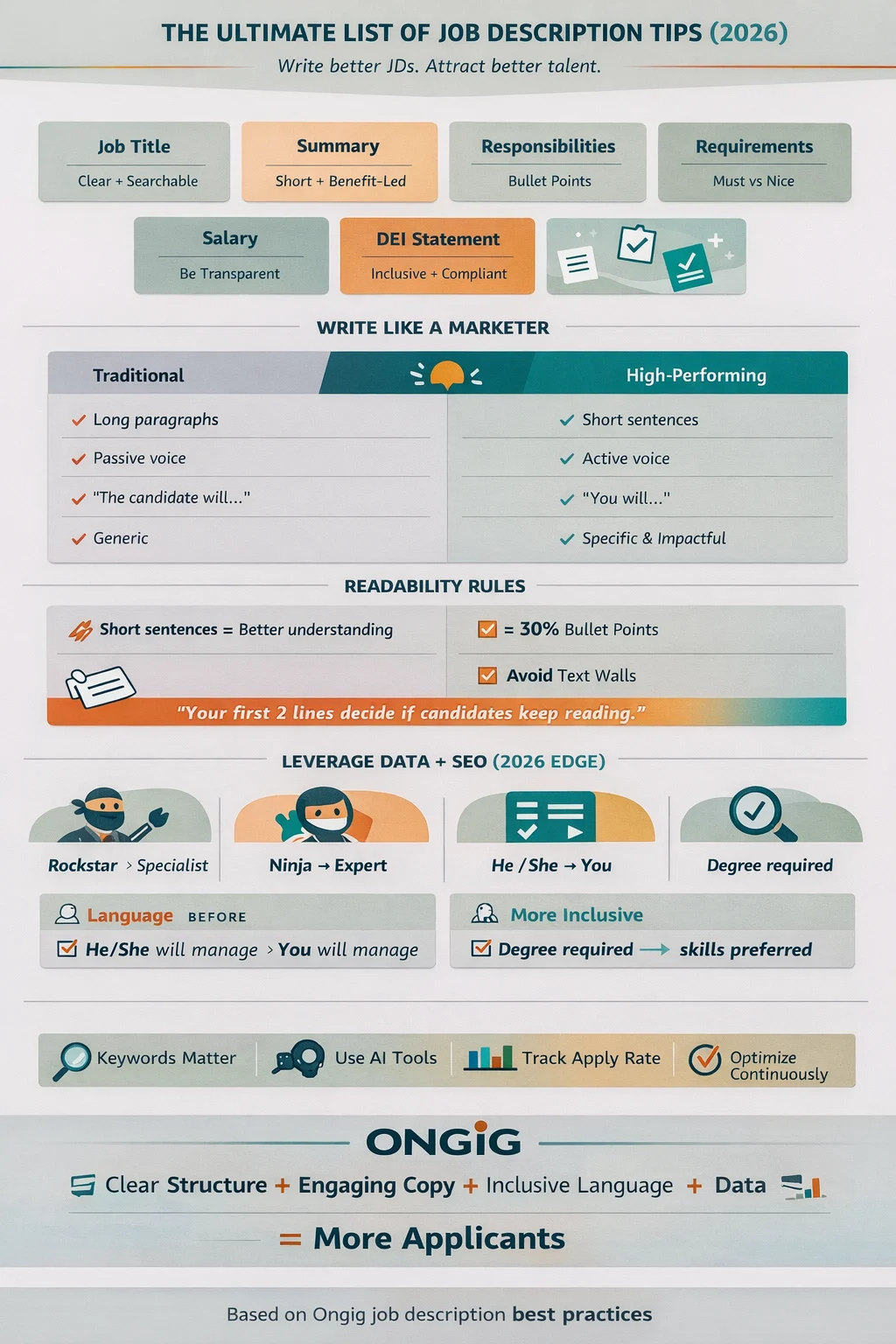
Maintaining Consistency in Section Order: When candidates browse multiple job openings on a company’s career page, a predictable structure significantly enhances user experience and reinforces brand professionalism. If the "About Us" section appears at the beginning of one JD, it should consistently appear in the same position across all other job postings. This consistency reduces cognitive load for applicants, allowing them to quickly locate pertinent information and fostering a sense of organizational order. Industry best practices suggest a standard order: job title, summary, responsibilities, qualifications, benefits, company culture, and application process.
Adopting a Unified Point of View (POV): The narrative voice of your job descriptions profoundly impacts how your company is perceived. Whether opting for the first person ("we," "us"), second person ("you"), or third person, the chosen POV must be consistently applied across all JDs. Inconsistencies can signal sloppiness or a lack of internal cohesion, undermining trust. Experts generally recommend the first or second person POV, as they create a more personal and engaging tone, making the candidate feel directly addressed and valued. A cold, impersonal third-person approach, while grammatically correct, often fails to forge an emotional connection with potential applicants.
Standardizing Boilerplate Copy: Sections such as "About Us," "Benefits," "Diversity Statement," and "Company Mission" are critical for conveying an organization’s identity and values. These boilerplate sections should feature identical, approved copy across all job descriptions. This not only projects a polished and professional image but also ensures legal compliance and consistent brand messaging. Collaborating with a copywriter to craft these sections, followed by legal and corporate approval, establishes definitive versions that can be universally applied, eliminating potential discrepancies and maintaining a unified corporate voice.
Optimizing for Clarity and Engagement
Beyond structural consistency, the language and presentation of your JDs are paramount in capturing and retaining candidate interest.
Prioritizing Brevity and Simplicity: In an age of diminishing attention spans, "less is more" holds true for job descriptions. Candidates typically scan JDs rather than reading them word-for-word, with research from The Ladders indicating an average of just 14 seconds spent reviewing a posting before a decision to apply is made. Every superfluous sentence, every piece of corporate jargon or filler, actively works against the goal of attracting applicants. The content should be ruthlessly edited to focus solely on describing the role, outlining essential requirements, and articulating compelling reasons to join the company. A practical gut-check: if a line doesn’t directly contribute to these three objectives, it should be removed.
Eliminating Jargon and Corporate Speak: Industry-specific terminology, while common internally, can be a significant barrier for external candidates, particularly those new to the field or seeking a career transition. A 2019 Business in the Community (BITC) report revealed that 38% of job ads contained jargon. Such language can confuse, intimidate, and ultimately deter a broad spectrum of talent. Job descriptions should be written in clear, accessible language, ensuring that entry-level candidates and those from different professional backgrounds can fully comprehend the requirements and responsibilities.
Crafting Searchable and Meaningful Job Titles: The job title is often the first, and sometimes only, element candidates see in search results. Therefore, it must be simple, clear, and highly searchable. Internal hierarchical titles, such as "Sales Apprentice III," can be obscure and unhelpful to external applicants. Opting for universally understood titles like "Sales Apprentice" or "Junior Software Developer" significantly improves discoverability on job boards and search engines. A well-chosen title should accurately reflect the role’s seniority and function without unnecessary internal nomenclature.
Transparency and Value Proposition: What Candidates Really Want
Modern job seekers demand transparency, especially regarding compensation and company culture. Providing these details upfront can drastically improve application rates and candidate quality.
Including Salary Information: Compensation remains a top priority for job seekers. An Indeed survey found that nearly one in four candidates considers compensation the most important aspect of a job description. The trend towards salary transparency is also driven by legislation; currently, 16 U.S. states have enacted pay transparency laws, with more expected to follow. While disclosing an exact salary might not always be feasible, providing a clear salary range is highly effective. This practice not only attracts more candidates but also builds trust, sets realistic expectations, and can reduce time spent on negotiation later in the hiring process.
Showcasing Company Perks and Benefits: Beyond salary, a comprehensive list of benefits and perks can serve as a powerful differentiator. Elements such as paid vacation time, health insurance, retirement plans, professional development opportunities, flexible work schedules, mental health support, and even unique company culture initiatives (e.g., monthly incentives, wellness programs) should be prominently featured. These details offer candidates a holistic view of the total compensation package and highlight the tangible advantages of working for your organization, enhancing its attractiveness.
Embracing Inclusivity and Diversity in Language
A truly effective job description casts a wide net, actively seeking to attract a diverse pool of candidates. This necessitates a proactive approach to identifying and eliminating bias.
Writing Bias-Free Job Descriptions: Bias, defined by the Oxford Dictionary as "a tendency to favour or dislike a person or thing, especially as a result of a preconceived opinion; partiality, prejudice," can inadvertently permeate JDs. Common biases include gendered language (e.g., "rockstar," "ninja," "dominate," "analytical"), ageist terms, ableist language, or cultural assumptions. For instance, LinkedIn’s Gender Insights report revealed that women apply to 20% fewer jobs than men and are 16% less likely to apply after viewing the same role, often due to perceived gender bias in job descriptions. While manual review is essential, leveraging objective software tools like Ongig Text Analyzer can automatically highlight biased language and suggest inclusive alternatives, significantly broadening the appeal of your postings.
Focusing on Skills, Not Just Credentials: The traditional emphasis on academic degrees and rigid years of experience is rapidly giving way to a skills-based hiring approach. The National Association of Colleges and Employers (NACE) Job Outlook 2026 survey indicates that 70% of employers now utilize skills-based hiring, a significant increase from previous years. This paradigm shift acknowledges that competence often stems from practical abilities rather than formal qualifications alone. Instead of demanding a "Bachelor’s degree required" or "5 years of experience," JDs should articulate the specific skills and proficiencies necessary to perform the job successfully. LinkedIn data underscores the profound impact of this approach, reporting that a skills-first hiring strategy leads to an average 9.4x increase in eligible workers across all jobs, dramatically expanding the talent pool and promoting equitable hiring.
The Role of Technology: AI, Automation, and Enhanced Candidate Experience
Technology offers powerful tools to streamline JD creation, ensure quality, and enrich the candidate experience.
Addressing AI-Generated JDs and Their Risks: The adoption of AI in recruitment, particularly for drafting job descriptions, is becoming ubiquitous. While AI tools can accelerate the writing process, their output requires rigorous human oversight. Common pitfalls of unreviewed AI-generated JDs include the unintentional inclusion of biases (e.g., gendered language, ageist terms), generation of generic or irrelevant requirements, and the absence of a unique company voice. A critical step is to run every AI-generated JD through a bias checker before publication. Furthermore, some companies are beginning to disclose when job postings are AI-assisted, reflecting a growing conversation around transparency in AI usage within recruitment.
Enriching JDs with Interactive Elements: To stand out in a crowded digital space, job descriptions can benefit from multimedia and interactive components.
- Adding a Map: Integrating a map, often via Google Maps API, provides candidates with a clear visual of the job location, eliminating the need to navigate away from the page and enhancing engagement.
- Embedding Video or Pictures: A short video introducing the team, showcasing the office culture, or providing insights into the role can significantly boost interest. High-quality photos or infographics detailing benefits or career paths also make JDs more dynamic and appealing than plain text.
- Interactive Communication: Offering immediate communication channels like instant messaging, chatbots, or direct email links allows candidates to ask questions and engage directly, fostering a sense of accessibility and responsiveness. LinkedIn’s API, for instance, can facilitate seamless communication.
Transparency in the Application Process: Demystifying the hiring journey can significantly reduce candidate anxiety and drop-off rates. Companies like Google excel at this, providing a dedicated "How We Hire" page that walks candidates through every stage, from resume submission to offer. This transparency builds trust, sets clear expectations, and often includes valuable interview preparation resources, empowering candidates and fostering a positive initial impression.
Explicitly Stating Job Location and Flexibility: The ambiguity surrounding work location is a major deterrent for many candidates. Gallup research indicates that 6 in 10 employees with remote-capable jobs desire a hybrid arrangement, and less than 10% prefer to be fully on-site. JDs must clearly state whether a role is on-site, hybrid (specifying required office days), or fully remote (including any time zone or travel requirements). Vague phrases like "flexible working options available" are often perceived as red flags, leading to candidate attrition. Clarity upfront saves time for both the applicant and the hiring team.
Leveraging Employee Testimonials: Authentic insights from current employees offer invaluable social proof and build credibility. Including video testimonials, written quotes, or brief employee spotlights directly within or linked from the JD provides prospective candidates with genuine perspectives on the company culture, team dynamics, and overall employee experience, making the opportunity more tangible and appealing.
Streamlining with Automation and Templates
For organizations managing a high volume of job postings, automation and standardized tools are indispensable for maintaining quality and efficiency.
Utilizing Job Description Templates: Implementing a suite of approved templates (e.g., for Microsoft Word or Google Docs) ensures consistency in format, tone, and content across all JDs. Templates also expedite the creation process, allowing recruiters to quickly populate standardized sections while focusing on role-specific details. This systematic approach guarantees a professional and uniform appearance, regardless of who authors the posting.
Employing Job Description Builder Tools: Specialized software designed for JD creation can significantly enhance efficiency and effectiveness. These tools often feature libraries of skills and responsibilities, bias detection capabilities, and integrated workflow approvals. They help ensure compliance, maintain brand consistency, and accelerate the drafting process, freeing up recruiters to focus on candidate engagement. Examples include Ongig’s Text Analyzer, which focuses on bias detection, and other platforms that offer comprehensive template management and content generation.
The Strategic Imperative
In conclusion, the modern job description is far more than a simple recruitment document; it is a strategic asset. By embracing consistency, clarity, transparency, inclusivity, and leveraging technological advancements, organizations can transform their JDs into powerful magnets for top talent. These practices not only improve candidate attraction and application rates but also lay the groundwork for a more diverse, equitable, and ultimately, more successful workforce. The investment in crafting superior job descriptions is an investment in the future of the organization’s human capital.