The corporate learning landscape is undergoing a seismic shift, moving beyond traditional education and credentialing to a more agile and responsive model termed "Dynamic Enablement." This evolution, outlined in Josh Bersin’s recent "Definitive Guide to Corporate Learning," redefines the role of Learning and Development (L&D) departments, empowering them to leverage their knowledge repositories and internal expertise to provide just-in-time support to employees directly within the flow of their work. This paradigm shift is being accelerated by advancements in Artificial Intelligence (AI), prompting a rapid "lurch" of vendors and solutions into this burgeoning market.
Historically, the concept of "learning in the flow of work" has been discussed, but Dynamic Enablement encompasses a broader spectrum of employee needs. It’s not solely about acquiring new knowledge; it can also involve answering immediate questions, delving deeper into a specific topic, connecting with subject matter experts, or receiving on-the-spot guidance. Employees are continuously seeking assistance from peers, managers, and internal experts throughout their daily tasks.
The impetus for this rapid market transformation is clear: a significant unmet need for immediate, context-aware support for employees. As AI technologies mature, they are making it increasingly feasible and cost-effective to deliver these dynamic enablement experiences at scale. This has led to a "frenzied pace" among vendors, as noted by industry analysts, scrambling to offer solutions that cater to this evolving demand.
Understanding the Core of Dynamic Enablement
At its heart, Dynamic Enablement is about providing the right support, at the right time, in the right way. When an employee encounters a challenge or requires assistance, a multi-faceted approach is often necessary. This can include:
- On-demand access to information: Providing quick answers to factual questions.
- Just-in-time learning: Delivering concise training modules or resources precisely when needed to perform a task.
- Expert connection: Facilitating direct access to individuals with specific knowledge or experience.
- Performance support: Offering guidance and tools to help employees execute tasks effectively.
- Skills development: Enabling continuous learning and upskilling relevant to current roles and future career paths.
The complexity lies in the fact that the optimal enablement strategy is highly contextual. The needs of an Uber driver differ vastly from those of a middle manager, a software engineer, a sales representative, or a manufacturing worker. Therefore, HR and L&D professionals must meticulously integrate enablement platforms into their existing workflows and tailor them to specific use cases.

The Vendor Landscape: A Market in Motion
The rapid emergence of AI has catalyzed a "lurching" moment in the enablement market. Numerous vendors are pivoting or launching new offerings, creating a dynamic and sometimes overwhelming ecosystem for organizations seeking to implement these solutions. It is crucial for businesses to carefully evaluate these options before becoming overly committed to a single provider.
Arist:
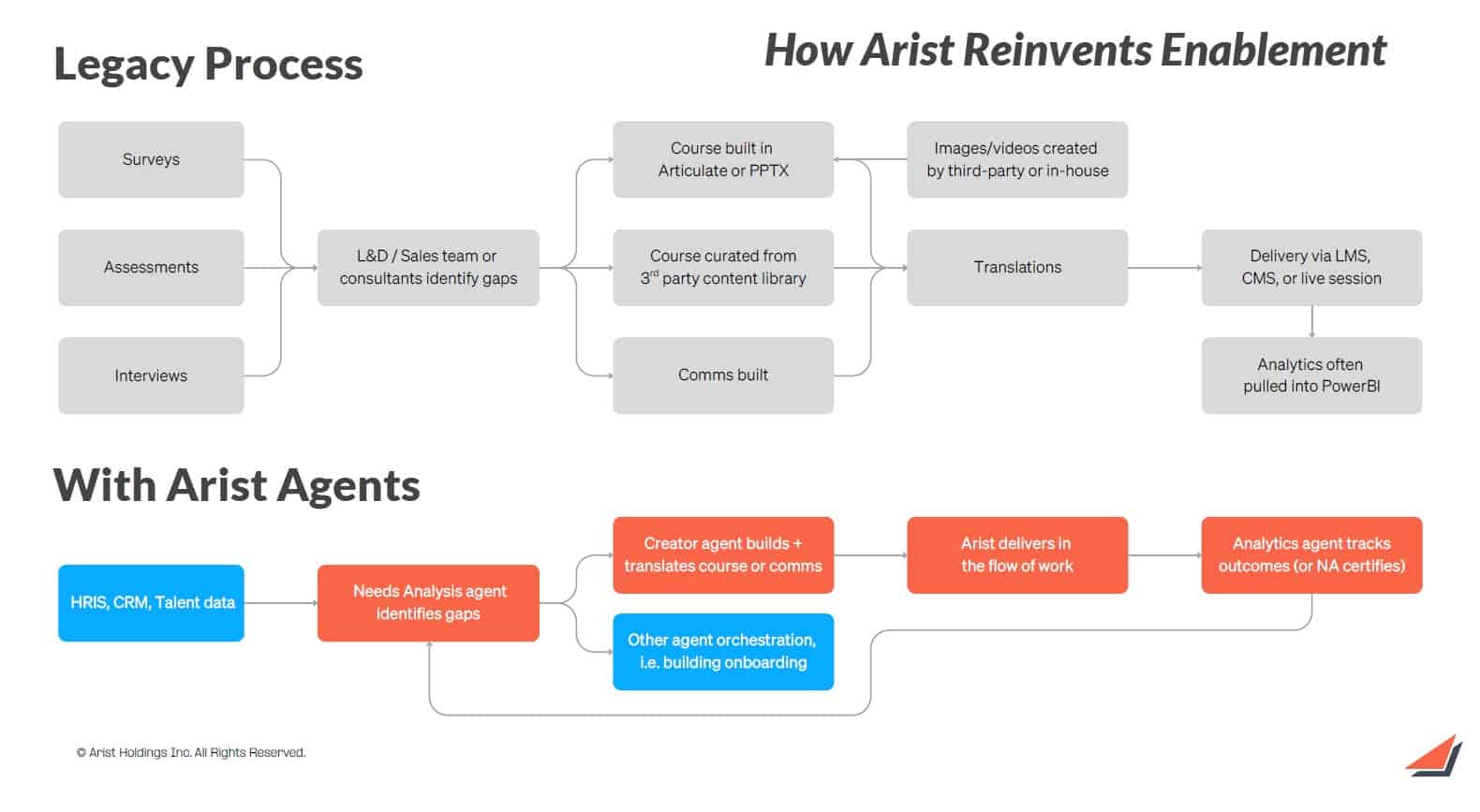
A notable player in this space, Arist, initially focused on mobile-first enablement. The company excels at dynamically generating content and can effectively break down complex training into digestible mobile formats, suitable for areas like pharmaceutical sales, regulatory compliance, and technology training. Its founders, described as highly creative technologists, have rapidly expanded Arist’s scope into end-to-end enablement.
A significant advancement by Arist is its "AI Performance Consultant." This feature can engage with operational staff, identify challenges, and then autonomously generate content to address those issues. This represents a significant stride towards "autonomous corporate learning," where AI agents proactively detect and resolve problems, akin to self-driving vehicles. Arist’s long-standing use in enterprise training programs makes it a compelling option for organizations seeking innovative enablement solutions.
Sana (Galileo Learn):
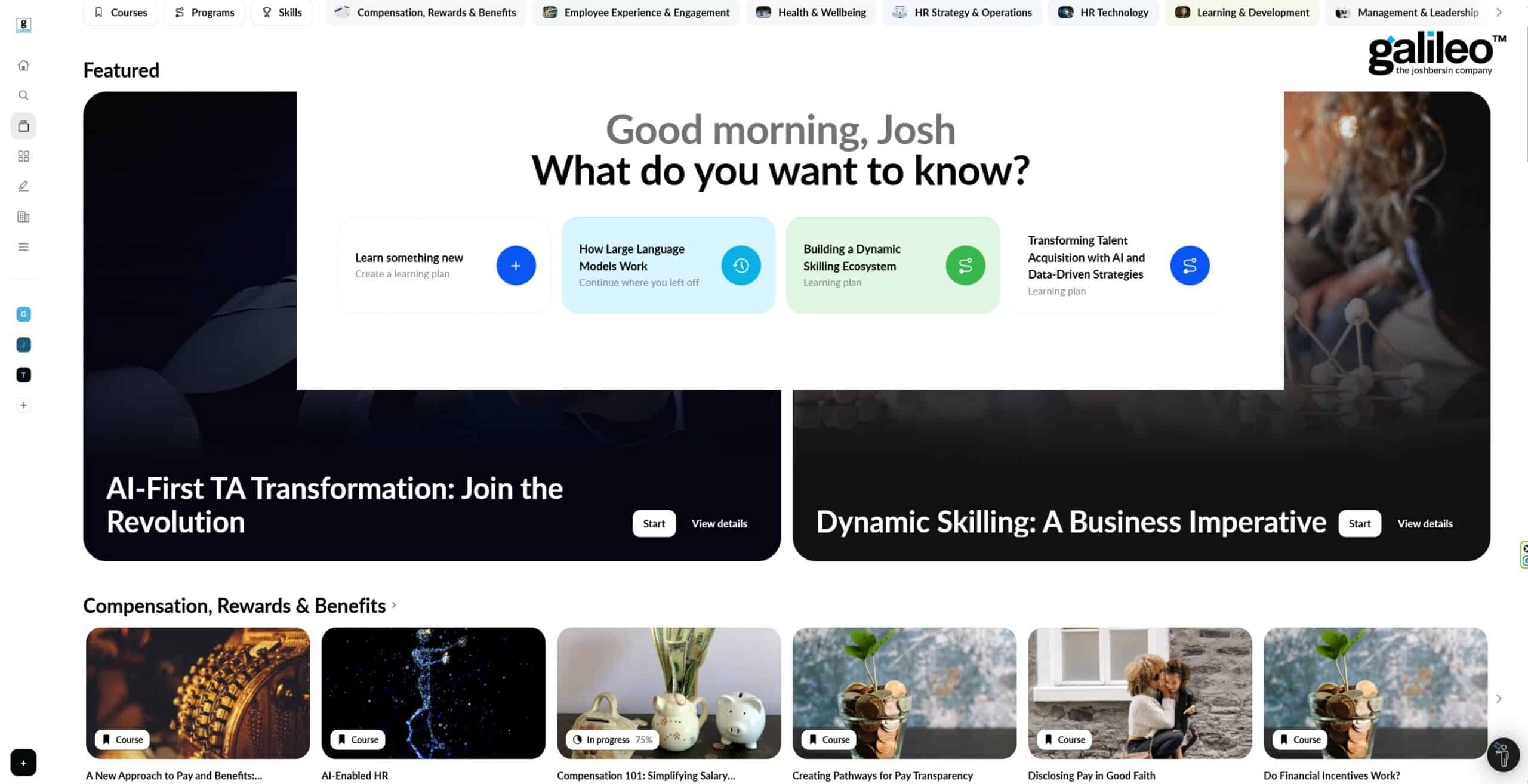
Acquired by Workday, Sana stands out as a highly advanced AI-native platform. Founded in 2016 by Joel Hellermark, Sana’s mission was to revolutionize learning. The company has been an early adopter of AI, utilizing OpenAI technology even before the widespread launch of ChatGPT. Its early focus on corporate training has paved the way for a robust, end-to-end learning platform.
Sana’s deep AI integration is evident in its Galileo offering, which allows for per-user access to its learning capabilities. The company also boasts an "AI Agent" platform, Sana Agent, which works in conjunction with the learning platform. This agent functions as a dynamic hub for learning, knowledge management, and AI agent development. The forthcoming Sana Enterprise will further integrate with Workday data and transactions, solidifying its position as a leading dynamic enablement platform.
Seismic (Sales Enablement):
Seismic operates within the substantial and rapidly growing sales enablement market, estimated to be between $4 billion and $6 billion annually. This sector focuses on equipping sales teams with the necessary content, tools, and training to effectively engage prospects and customers. This includes product updates, pricing guides, competitive intelligence, and sales methodologies.

While Seismic is a market leader, it faces competition from other prominent vendors such as Allego, Mindtickle, Highspot, and Showpad. The absence of a robust offering from Salesforce in this specific domain is notable, given its extensive "Agentforce" initiatives. Arist also competes in this segment, underscoring the crowded and competitive nature of sales enablement.
Docebo (Next-Gen LMS):
Docebo, a publicly traded Learning Management System (LMS) provider, has proactively embraced AI to enhance its learning and enablement capabilities. The company has introduced AI tutors, AI-native authoring tools, and templated AI assessments, all designed to complement its existing offerings in revenue-generating training and corporate L&D.
A recent strategic move by Docebo was the acquisition of 365 Talents, bolstering its AI-driven skills intelligence system. This allows organizations to identify skills within content, establish comprehensive corporate skills taxonomies, and align learning initiatives with identified skill gaps. Major European corporations like SNCF and Airbus utilize Docebo, highlighting its effectiveness in critical sub-markets of enablement, such as enabling employees to identify and address their learning needs for specific topics.
LinkedIn Learning:
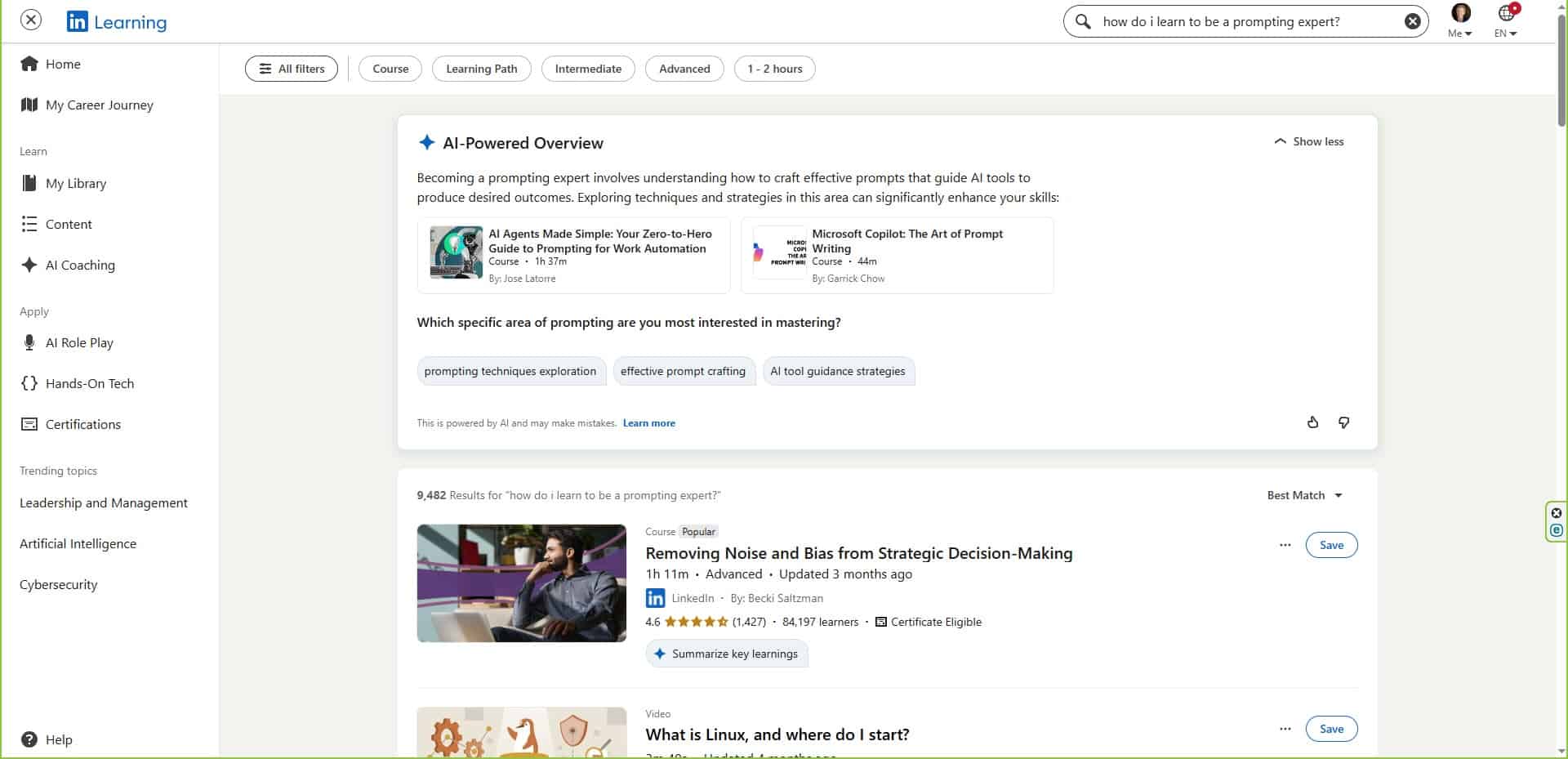
LinkedIn Learning has solidified its position as a trusted resource for L&D leaders and a significant provider of corporate content. Its recent launch of "LinkedIn Learning AI Coaching" represents a notable entry into the dynamic enablement space. This system provides users with an AI "coach" to facilitate their learning journeys.
The AI Coaching feature allows users to discover relevant content and then engage in AI-powered role-playing scenarios. These interactive sessions aim to build confidence and practical application skills. While this approach offers a more "heavy-touch" enablement experience, it addresses critical use cases for leaders, new managers, sales professionals, and individuals entering new domains. Although not as customizable as some other platforms, LinkedIn Learning is incrementally expanding its presence in dynamic enablement.
Uplimit:
Uplimit positions itself as the missing performance support AI for L&D technology stacks, emphasizing a core principle derived from learning science: effective learning is driven by doing and practicing, not by passive consumption of content based on perceived learning styles. The company focuses on technical and sales training, where skill development is intrinsically linked to hands-on application.
Uplimit guides learners through real-world projects and AI-powered role-plays, delivering personalized feedback at scale. This iterative process of doing, receiving feedback, and refining skills is central to its methodology. For instance, an employee aiming to improve customer discovery conversations can engage in AI-powered role-play scenarios with real-time coaching. Instructors and subject matter experts can oversee exercises and support a large number of learners through the platform’s AI capabilities. Uplimit is particularly valuable for L&D teams managing cohort-based programs, enabling personalized coaching at scale without proportional headcount increases. Fast-growing companies like Databricks are among its prominent users.
Degreed:
Degreed, a pioneer in the Learning Experience Platform (LXP) space, has long advocated for performance enablement. The platform has now integrated extensive AI-native content generation capabilities. Its next-generation Maestro Studio empowers L&D and sales enablement teams to create custom AI-driven experiences, including coaches, simulations, and role-plays, without the need for constant course updates.
For existing Degreed users, Maestro functions as a contextual coach and tutor. It analyzes a learner’s skill profile, past learning activities, and progress within their learning pathways to provide targeted suggestions and feedback. The platform is also enhancing its offerings with adaptive assessments and coaching, ensuring that employees receive real-time guidance within their learning journeys.
Perceptyx:
Perceptyx, a recognized leader in employee engagement surveys, has expanded its capabilities through the acquisition of Lyceum, a company specializing in AI tutors derived from existing content. This integration aims to provide employees and leaders with dynamic enablement tools to address a range of workplace issues.
For example, a manager identified as micromanaging through an engagement survey could leverage Lyceum. The survey data could directly inform their coaching needs, enabling them to ask the AI agent for improvement strategies. The agent could then access the company’s leadership content to provide personalized coaching, fostering leadership development.
This acquisition highlights a broader trend: traditional employee experience and survey platforms are increasingly converging with enablement solutions. Companies like Gallup, Glint, Qualtrics, and CultureAmp, which have historically focused on feedback and recognition, are now evolving to serve as front doors for enablement initiatives. The key question for organizations is whether to rely on dedicated L&D platforms or build enablement content directly within these employee experience systems.
Disprz:
Disprz offers an AI-native learning platform that provides comprehensive solutions for onboarding, performance enablement, upskilling, reskilling, career mobility, and compliance training. The platform is designed with an "impact-first" mindset, ensuring that all learning initiatives are directly linked to measurable business outcomes, rather than just completion rates.
What distinguishes Disprz is its integration of dynamic content development, advanced analytics, and automated performance coaching. The platform has a strong presence in India, Southeast Asia, and the Middle East, with ongoing expansion into North America and Europe.
Cornerstone:
Cornerstone provides a suite of skills-based learning and talent products designed to enhance workforce agility and sustain performance amidst evolving work designs and roles. The platform aims to elevate learning, development, and performance management through personalized, multidimensional experiences aligned with business and individual objectives. The upcoming rollout of Cornerstone Galaxy, its new skills-based talent and learning system, is anticipated to introduce further advancements.
For years, Cornerstone has offered microlearning content, dynamic content development tools, job aids, and a vast network of partners that facilitate learning within the workflow. The upcoming release of Galaxy is expected to incorporate AI-native learning capabilities, with significant announcements anticipated regarding AI-driven content creation.
360 Learning:
360Learning champions a collaborative learning philosophy where "everyone is a teacher." Its platform empowers any expert—from sales professionals and IT specialists to subject matter experts—to create courses and share knowledge without requiring extensive instructional design expertise.
Many L&D leaders initially expressed skepticism about allowing subject matter experts to author content. However, organizations that have adopted this approach often report surprisingly high-quality content, increased organizational agility, and improved performance. The market for knowledge sharing through democratized content authoring is expanding rapidly, with platforms like Syllog offering specialized solutions for rapid content authoring and personalized training programs in sectors such as manufacturing, engineering, banking, and technology.
The Frontline Enablement Market
A specialized segment within the broader enablement landscape is dedicated to frontline workers. These solutions often leverage principles of brain science and AI to deliver tailored training and reinforcement.
Axonify:
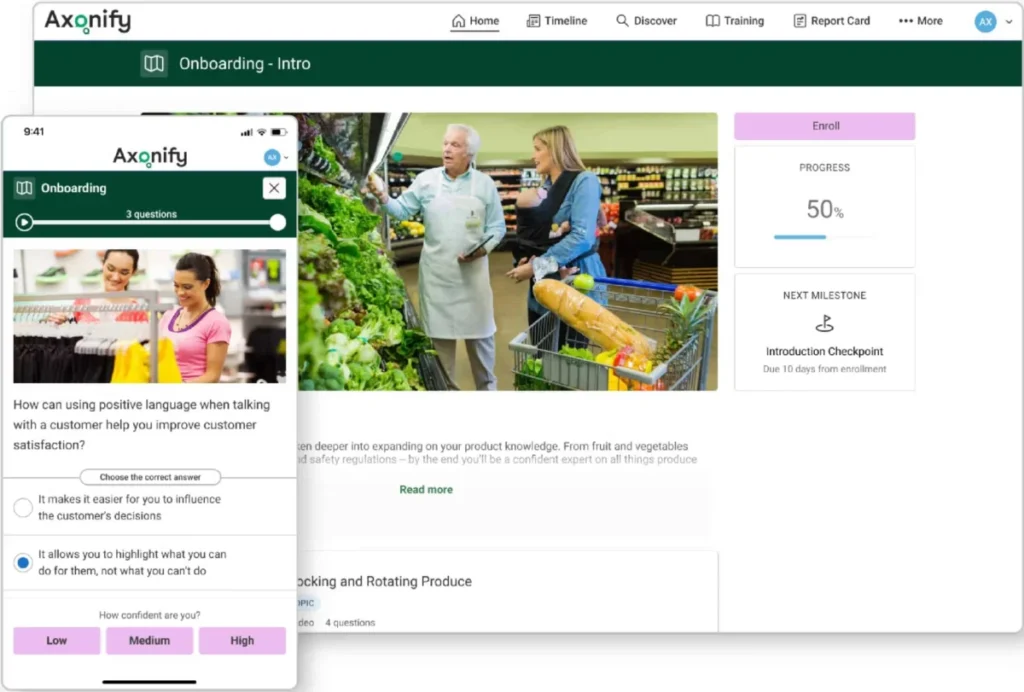
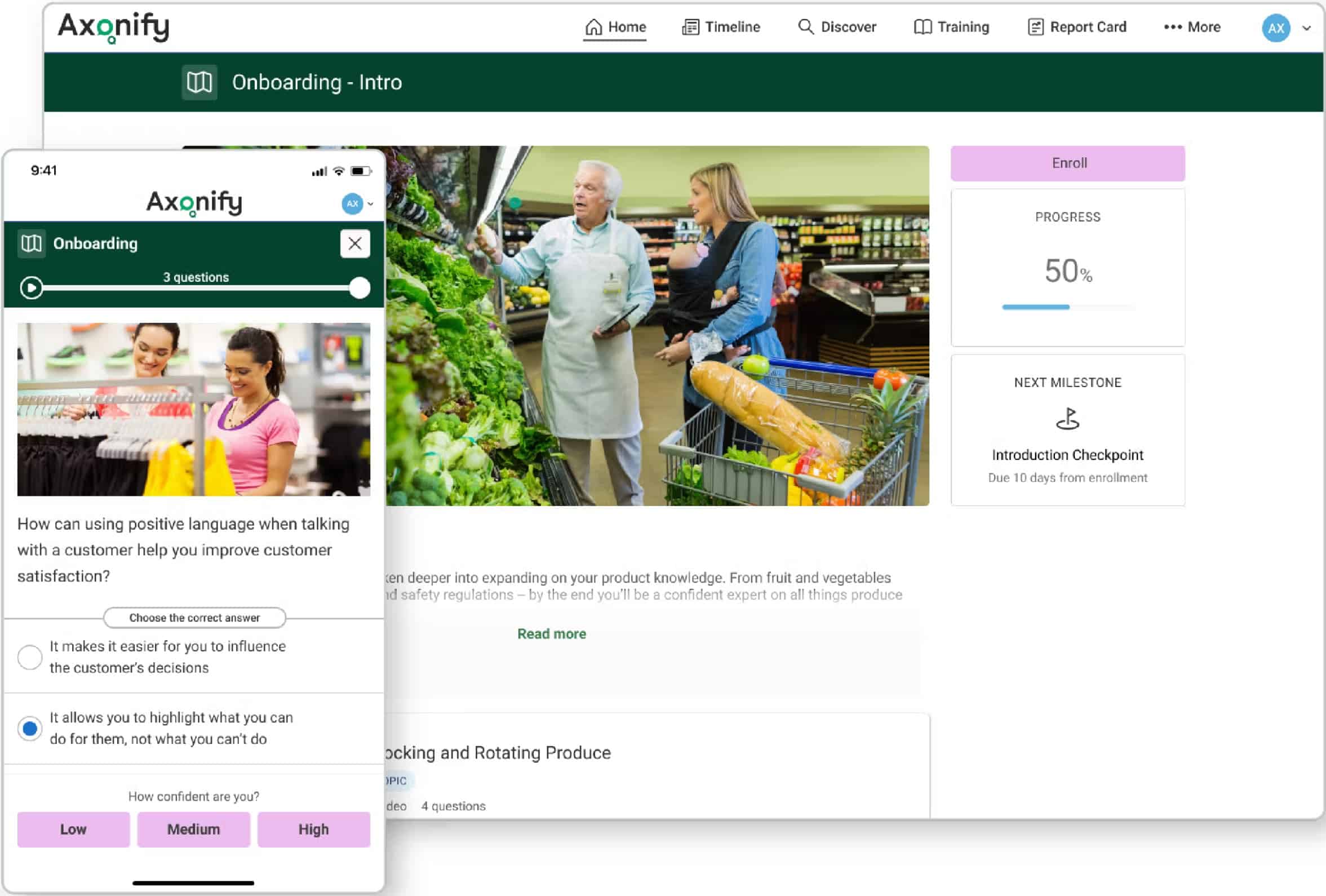
A pioneer in this area, Axonify offers a frontline enablement platform that adapts training to each employee’s role and existing knowledge. It utilizes brain science and AI to reinforce critical behaviors through spaced repetition. The platform’s ability to personalize learning and adapt to individual understanding makes it highly effective for workforces requiring consistent skill reinforcement.
Kahuna:
Kahuna focuses on operational training and in-depth skills validation, with a strong presence in industries such as oil and gas, energy, manufacturing, and distribution. The company’s recent partnership with Workday as a Gold Innovation Partner highlights its ability to enable frontline workers in skills recertification and upskilling.
Unique Enablement Providers
Beyond these broader categories, niche AI-powered enablement solutions are emerging with highly specific purposes.
IMMERSE:
IMMERSE is an AI-powered language fluency performance platform. It addresses the common challenge of "limited working proficiency" by leveraging AI and live enablement experiences to enhance communication confidence across different languages. This goes beyond traditional language courses to focus on practical application and real-time communication skills.
Feedly:
Chalhoub Group, a luxury retail experience provider in the Middle East, has integrated Feedly into its AI-enabled L&D technology stack. The platform helps translate external market signals into continuous, role-relevant learning moments. This steady stream of curated insights enables employees to stay current and make informed decisions in real-time.
Glean:
Glean, initially an AI-powered search engine, now provides real-time content discovery and access through platforms like Microsoft Teams and Slack. Glean can function as a comprehensive enablement platform by surfacing relevant information and expertise precisely when and where employees need it, positioning itself as a powerful "work platform."
The Future of Enablement: A Convergence of Markets
The proliferation of AI has fundamentally altered the enterprise learning technology market. The concept of "lurching" reflects how nearly every HR-related platform is exploring its own "dynamic enablement" opportunity. The ease of building AI-native content generation systems has shifted the focus towards use-case specific solutions. For instance, the enablement needs of an Uber driver are distinctly different from those of a software engineer, who might benefit from integration with platforms like GitHub or Atlassian.
Consequently, traditional market categories such as LMS, LXP, microlearning, and Employee Experience Platforms (EXP) are undergoing a significant collapse. Platforms like Microsoft Viva, which initially served to consolidate HR portals, are now being superseded by more integrated solutions like Microsoft Copilot, which offers a more seamless and AI-driven user experience.
Dynamic Enablement represents the convergence of validated internal expertise, external expert knowledge, and carefully designed experiences tailored to specific employee roles. In the evolving landscape of enterprise AI, where organizations are increasingly becoming "builders" rather than just "buyers," a thorough examination and experimentation with these dynamic enablement solutions are paramount. The journey toward truly autonomous and effective employee development is well underway, reshaping how organizations empower their workforce for the future.