A recent comprehensive survey conducted by Kahoot! has illuminated a growing crisis within the modern workplace: pervasive feelings of disconnection and loneliness among office workers. The findings reveal that a significant 39% of individuals in office environments report feeling disconnected from their colleagues. Disturbingly, nearly one-third of these professionals state they often go an entire workday without engaging in any verbal communication with a coworker. This widespread social isolation is not merely an abstract concern; it carries profound implications for team performance, innovation, and overall employee retention.
The data, released in early 2024, builds upon a growing body of research highlighting the detrimental effects of loneliness in both personal and professional spheres. According to a 2025 analysis, Millennials are identified as the generation most susceptible to workplace loneliness. This demographic, crucial to the current workforce, is experiencing a palpable sense of isolation that has tangible consequences. The same report indicated that a significant portion of employees, specifically one in five men and one in eight women, have actively left a job due to feeling disconnected from their colleagues. This exodus represents a substantial loss of talent and institutional knowledge for businesses.

Further underscoring the issue, research from the Harvard Graduate School of Education’s "Loneliness in America 2024" report, a landmark study on the subject, has found a correlation between socioeconomic status and feelings of loneliness. Their findings suggest that individuals earning lower incomes are more likely to experience loneliness compared to their higher-earning counterparts. This insight is particularly pertinent for organizations, suggesting that frontline teams, often comprising lower-wage workers, may be at an elevated risk of experiencing social isolation. The implication is clear: organizations must extend their focus on combating loneliness beyond white-collar roles to encompass all levels of their workforce.
It is crucial to understand that workplace loneliness is not solely defined by physical isolation. The true measure lies in the absence of quality relationships. An employee working in a bustling retail environment, for instance, might feel more alone than a remote worker if they lack a sense of belonging, comfort, or genuine connection with their team members. This nuanced understanding is vital for organizations attempting to foster a more connected and supportive work environment.
The Societal and Workplace Ramifications of Loneliness
The impact of loneliness extends far beyond individual well-being, creating ripple effects that touch upon the fabric of society and the operational health of businesses. Historically, periods of increased social isolation have been linked to a decline in civic engagement and an increase in societal fragmentation. While direct causal links are complex, a society where individuals feel less connected may experience reduced trust, diminished social cohesion, and a potential rise in individualistic behaviors that can undermine collective efforts.

Within the workplace, the consequences of loneliness are acutely felt. When employees feel disconnected, their capacity for trust and collaboration diminishes significantly. This directly impedes the free flow of ideas and the synergistic problem-solving that drives innovation. The result is often a stifling of creativity and a missed opportunity to unlock new efficiencies and breakthroughs.
Furthermore, the health implications of loneliness are substantial. Lonely employees are more susceptible to illness, leading to increased absenteeism and a drain on productivity. The chronic stress associated with feeling isolated can contribute to burnout, leaving individuals with diminished energy and motivation to perform at their best. Gallup’s extensive research on workplace engagement consistently finds that lonely employees are less motivated and engaged. This directly translates into lower overall productivity and a less dynamic workforce. The data also highlights that Millennials and managers are particularly vulnerable to these feelings of loneliness, suggesting these groups require targeted attention and support.
Navigating the Return-to-Work Debate Through the Lens of Loneliness
The ongoing discourse surrounding return-to-work policies is inherently intertwined with the issue of workplace loneliness. Data from Gallup’s research indicates that employees who exclusively work from home report higher levels of loneliness (25%) compared to the general workforce (16%). This suggests that the complete absence of in-person interaction can exacerbate feelings of isolation.

However, the picture is not as simple as advocating for a mandatory return to the office. The same Gallup research reveals that employees who work fully on-site report higher levels of burnout (29%) than their fully remote counterparts (24%). This suggests that the traditional office environment, without intentional efforts to foster connection, can also lead to negative mental health outcomes. The implications point towards a hybrid model, or a fully remote model with robust virtual connection strategies, as potentially offering a more balanced approach to employee well-being. The key is not necessarily the physical location, but the quality of human connection fostered within any work arrangement.
Strategies for Cultivating Connection and Combating Workplace Loneliness
Recognizing the pervasive nature of this "epidemic of loneliness," organizations are increasingly exploring proactive strategies to foster a more connected and engaged workforce. Managers, in particular, are stepping up to the challenge, with a reported 71% feeling responsible for their team’s overall well-being, according to the "Building Human Workplaces" report. This sense of responsibility presents a critical opportunity for leadership to implement meaningful changes.
Enhancing Social Engagement in Meetings
A simple yet effective strategy involves dedicating a portion of regular meetings to social interaction. Even a few minutes at the beginning of a team meeting or during one-on-one check-ins, where employees are encouraged to share non-work-related aspects of their lives, can significantly boost day-to-day connection. For example, the company Ulteig has implemented a program where employees are paired for informal chats to get to know each other better. This can be formalized through structured pairing systems or simply by encouraging employees to schedule "connection" meetings with colleagues they may not know well.
Integrating Social Interactions into Digital Communication
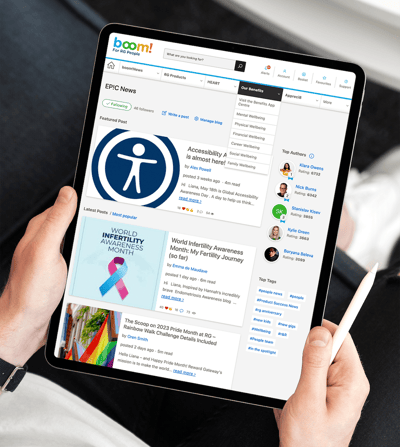
In today’s digitally connected workplaces, work chat platforms are a constant presence. Integrating non-work-related conversation starters into these channels can be a powerful tool for building camaraderie. This could involve posing questions about popular culture, such as upcoming movie releases, or implementing themed days like "Would You Rather Wednesday," as seen within some teams. Managers can lead by example to ensure consistency, or empower creative team members to spearhead these initiatives, fostering a more dynamic and engaging virtual environment.
Promoting Employee Resource Groups (ERGs)
Employee Resource Groups offer a valuable avenue for individuals to connect with colleagues who share similar interests, backgrounds, or passions, extending connections beyond immediate functional teams. These groups can be focused on a wide range of topics, from professional development and diversity and inclusion initiatives (such as Accessibility, Multicultural, Social Mobility, LGBTQIA+, and Women’s Networks) to shared hobbies like running, crafting, or baking. The establishment and support of these employee-led groups can create a sense of belonging and provide individuals with a wider network of support within the organization.
Encouraging Commuter and Carpool Networks
Facilitating connections among employees who share common commutes can serve multiple purposes. Beyond supporting sustainability and Corporate Social Responsibility (CSR) goals, these networks provide a natural opportunity for relationship building. Even for those using public transport, coordinating travel can ensure a friendly face on their journey. For employees who cycle to work, having a colleague along can also offer a layer of safety and support in case of unexpected mechanical issues.
Hosting Quarterly Challenges and Competitions
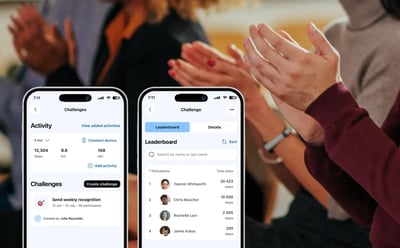
Engaging employees in shared activities through quarterly challenges or competitions can inject fun and foster deeper connections. Whether it’s a fantasy sports league, an NCAA bracket challenge, or a well-being-focused initiative, these events provide common ground for "smack talk" and genuine engagement outside of typical work projects. Platforms like dedicated wellbeing apps often include chat features that can be leveraged for these purposes, enabling employees to connect over shared experiences and friendly rivalries.
Streamlining and Encouraging Recognition
A culture of appreciation is fundamental to building stronger connections. When employees feel valued and their contributions are acknowledged, it inherently fosters a sense of belonging. Research indicates that a significant majority of employees (69%) believe their workplace well-being would improve if they received more thanks. Organizations should actively remind employees to recognize great work, both informally and through formal channels. Publicly acknowledging achievements on a social feed, for instance, allows for broader visibility and reinforces positive behaviors. This not only builds trust but also provides a more comprehensive understanding of the valuable work happening across the organization, transforming potential frustrations like long IT response times into an appreciation for the team’s workload and dedication.
The challenge of workplace loneliness is multifaceted, demanding a holistic approach that integrates human connection into the very core of organizational culture. By implementing these strategies, businesses can move beyond simply acknowledging the problem and actively cultivate environments where employees feel seen, valued, and intrinsically connected, ultimately leading to a more resilient, innovative, and thriving workforce.