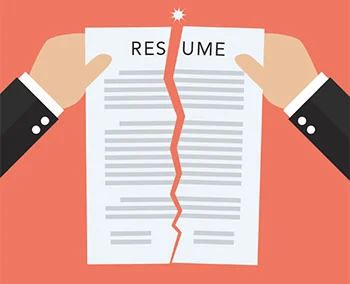
A significant disconnect is emerging in the hiring landscape, with a mere third of employers expressing strong confidence in resumes as accurate indicators of a candidate’s true skills. This stark finding, revealed in the 2026 Talent Acquisition Trends Study by Lighthouse Research & Advisory in collaboration with Criteria Corp, underscores a growing unease among hiring leaders regarding the traditional resume-centric approach to talent acquisition. The study, which surveyed 998 hiring leaders, points to a tension that has been building for some time within human resources departments nationwide.
Despite this pervasive lack of confidence, a substantial two-thirds of employers continue to rely on resume screening, whether conducted by humans or automated systems, as the initial step in their hiring processes. This persistent adherence to a potentially flawed methodology is met with a parallel expectation from candidates, who often perceive resume submission as an indispensable prerequisite for consideration. The report further highlights a transformative shift in applicant pools, with 92% of recruiting leaders noting the commonplace presence of AI-generated resumes, and half describing them as "very common." This surge in AI-assisted applications suggests a system that may inadvertently reward superficial polish and sophisticated presentation over demonstrable competence and genuine skill.
The implications of this trend are far-reaching, potentially skewing the hiring process and disadvantaging qualified candidates who prioritize authenticity over algorithmic optimization. As the study suggests, candidates may be adapting their strategies to align with a perceived system that values resume enhancement, even if it means less emphasis on substance.
Candidates’ Growing Discontent with the Resume
Job seekers are not oblivious to the evolving dynamics of the hiring market, recognizing the imperative to impress automated screening systems and recruiters alike. However, a significant majority—68% of candidates—express a preference for hiring processes that de-emphasize the resume. For many, particularly those seeking roles where a traditional resume format is not standard practice, the document itself presents an immediate barrier, hindering their ability to showcase their qualifications before even beginning the application process.
This sentiment is compounded by frustration stemming from the perceived advantage gained by candidates utilizing AI tools to craft or refine their applications. These AI-polished submissions from potentially less qualified individuals are seen as crowding out candidates who are proceeding with more traditional and earnest approaches. The result is a competitive disadvantage for those who are "playing the game straight," losing out to those who are adept at navigating the intricacies of resume optimization.
A substantial segment of job seekers desires evaluation based on their future potential and demonstrable capabilities, rather than a static enumeration of past roles that may offer limited insight into their current or future value. The report identifies this group as being particularly underserved by the current system, which is heavily reliant on the resume—a document inherently backward-looking and descriptive of past accomplishments. For career changers, individuals re-entering the workforce after a hiatus, or those whose most relevant skills were acquired outside of conventional employment trajectories, the traditional resume format fails to effectively highlight their strengths and potential.
The Diminishing Return of Resume-Based Screening
The efficacy of resumes in surfacing the strongest candidates is increasingly being called into question by both anecdotal evidence and rigorous academic research. A recent academic study, which examined the impact of generative AI on the job market, found that the widespread ability for all applicants to submit polished, highly tailored resumes has inadvertently made it more difficult for employers to identify truly capable workers. In a simulated job market where sophisticated written proposals no longer reliably indicate the effort or genuine investment of a candidate, the study observed a concerning trend: workers in the top 20% of the ability distribution were hired 19% less often than in the pre-generative AI era. Conversely, workers in the bottom 20% saw their hiring rates increase by 14%. This suggests that the sheer volume of expertly crafted, yet potentially superficial, resumes can obscure the most qualified individuals, leading to them being overlooked.
Organizations that predominantly use resumes as their primary hiring decision driver are demonstrably more susceptible to making suboptimal hires. According to the Lighthouse Research & Advisory study, these organizations are 35% more likely to report a "bad hire." This statistic is further corroborated by the fact that approximately 64% of employers have experienced hiring individuals whose performance did not align with their resume, with a significant 39% indicating that this has occurred more than once. This recurring issue points to a systemic problem in relying on a single, easily manipulated document for critical hiring decisions.
Emerging Alternatives and the Path Forward
In response to the shortcomings of resume-centric hiring, the data suggests a growing consensus among employers regarding more reliable assessment methods. Skills-based or work-sample assessments are emerging as the most trusted alternative signal among employers, offering a more direct and verifiable measure of a candidate’s capabilities. Structured interviews follow closely, ranked as the second most trusted method by 50% of employers, providing a standardized framework for evaluating candidates’ responses and problem-solving abilities. Work samples or simulations round out the top three, offering hands-on opportunities to observe candidates in action, thereby providing tangible evidence of their skills and aptitudes.
The overwhelming sentiment among talent acquisition leaders is that at least one of these alternative approaches offers a more dependable indicator of a candidate’s true ability than the resume. This sentiment is mirrored by job seekers, with 68% expressing a clear preference for deprioritizing the resume in favor of opportunities that allow them to demonstrate their practical skills and competencies. This mutual desire for more substantive evaluation methods signals a potential paradigm shift in how organizations approach talent acquisition, moving towards a future where proven ability takes precedence over curated presentation.
The Broader Impact and Future Implications
The findings of the 2026 Talent Acquisition Trends Study are not merely an academic observation; they represent a critical juncture for the labor market. The increasing reliance on AI-generated resumes, coupled with employers’ declining confidence in their veracity, creates a challenging environment for both hiring professionals and job seekers. This scenario can lead to a perpetuation of inefficient hiring practices, increased turnover rates due to misaligned hires, and a broader sense of disillusionment within the candidate pool.
The implications extend beyond individual hiring decisions. A system that prioritizes resume polish over demonstrable skills can inadvertently stifle innovation and diversity. Candidates with unconventional career paths or those who may not possess the resources or technical acumen to craft highly optimized resumes risk being overlooked, regardless of their inherent talent and potential. This can lead to a less dynamic and less representative workforce.
The study’s emphasis on skills-based assessments, structured interviews, and work samples as more reliable indicators suggests a clear direction for improvement. Organizations that embrace these methods are likely to:
- Improve Hire Quality: By focusing on verifiable skills and competencies, employers can reduce the likelihood of bad hires and increase employee retention.
- Enhance Candidate Experience: Offering more equitable and transparent evaluation processes can boost candidate satisfaction and employer brand perception.
- Uncover Hidden Talent: Moving beyond the resume allows organizations to identify promising candidates whose qualifications might not be apparent on a traditional document.
- Adapt to Evolving Technologies: Proactively integrating AI responsibly into the hiring process, perhaps for initial screening of objective criteria or for generating interview questions, while simultaneously emphasizing human judgment and skills-based evaluation, can create a more robust and future-proof system.
The current landscape, where resumes are both ubiquitous and increasingly suspect, presents a compelling argument for a fundamental re-evaluation of hiring practices. The shared desire among employers and candidates for a more accurate, equitable, and effective talent acquisition process is a powerful catalyst for change, pointing towards a future where substance demonstrably outweighs style in the pursuit of skilled and capable employees. The transition may be complex, requiring investment in new assessment tools and a shift in organizational mindset, but the potential rewards—a more skilled workforce, reduced hiring costs, and a more positive candidate experience—are substantial.