
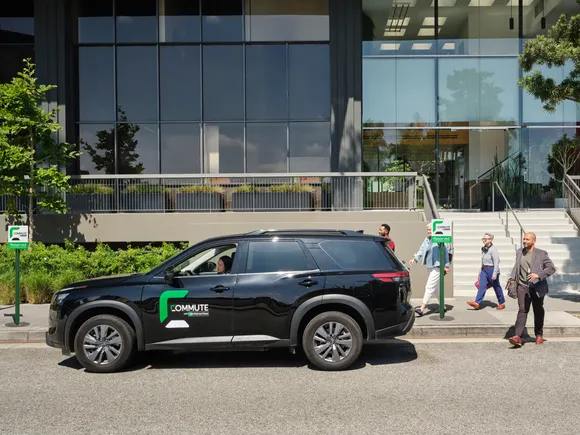
The landscape of professional life has undergone a profound transformation, with hybrid work emerging as the undeniable new norm. This paradigm shift, where employees blend in-office collaboration with remote productivity, is not merely altering geographical work patterns but fundamentally reshaping employee expectations regarding employer support. A 2024 analysis by The New York Times underscored this significant trend, revealing that approximately 14 million Americans now embrace hybrid work models, typically commuting into physical offices only two or three days a week. This seismic shift has exposed a critical disconnect: while work modalities have evolved rapidly, many traditional employee benefits, particularly those related to commuting, have lagged considerably, creating friction and inefficiency in the modern workforce.
Background and the Genesis of Hybrid Work
The concept of working remotely or in a hybrid fashion is not entirely novel, with various industries and roles historically offering some degree of flexibility. However, the global COVID-19 pandemic in early 2020 served as an unprecedented catalyst, forcing an abrupt and widespread adoption of remote work for millions of knowledge workers worldwide. What began as a temporary necessity quickly demonstrated unforeseen benefits, including increased productivity for some, reduced operational costs for companies, and a significant improvement in work-life balance for many employees who reclaimed hours previously spent commuting. The initial, reactive shift to remote work during the pandemic rapidly evolved into a more deliberate and strategic consideration of flexible arrangements. Companies invested heavily in remote collaboration tools and adjusted policies, proving the viability of distributed teams on a massive scale.
As economies reopened and vaccination efforts progressed in late 2021 and throughout 2022, the initial push for a full "return to office" (RTO) encountered considerable resistance from an empowered workforce that had grown accustomed to greater autonomy and flexibility. Numerous surveys from sources like Gallup and Microsoft’s Work Trend Index consistently indicated a strong preference among employees for continued flexibility, with a significant percentage stating they would consider leaving their jobs if forced to return to the office full-time. Employers, recognizing the potential for talent attrition and diminished morale, began to recalibrate their strategies, moving away from rigid mandates towards more nuanced hybrid models. This period, spanning late 2021 through 2023, saw extensive experimentation with various hybrid configurations – some advocating for two days in the office, others three, and a few maintaining almost entirely remote operations. The prevailing sentiment among employees, however, solidified around the desire for continued flexibility, marking hybrid work as a baseline expectation rather than a mere perk. This evolution has consequently placed immense pressure on organizations to re-evaluate every aspect of the employee experience, from office design to, crucially, the often-overlooked realm of commuter benefits. The traditional assumptions underpinning employee support systems, particularly for the daily commute, were rendered obsolete almost overnight.
The Commute: A Growing Barrier to Office Return
Despite the demonstrable advantages of in-person collaboration – fostering team cohesion, facilitating spontaneous innovation, and strengthening company culture – the journey to the office remains a formidable obstacle for many. The very nature of hybrid work, which often involves employees traveling longer distances on fewer, specific days, has inadvertently amplified the burdens associated with commuting. Instead of a daily routine that might be absorbed into the rhythm of the week, the hybrid commute becomes a concentrated effort, with its costs and inconveniences feeling disproportionately heavy when experienced only a few times a week. This episodic nature means the perceived "value" of the commute must be higher to justify the effort.
A compelling study by HealthEquity illuminated this challenge, revealing that a staggering 54% of employees identify commuting costs as the primary barrier preventing them from increasing their in-office presence. This concern significantly overshadows other factors often cited, such as home responsibilities, the quality of office setup, or even the perceived social benefits of being on-site. The financial outlay associated with fuel, public transport fares, vehicle maintenance, and parking can quickly accumulate, especially when considering inflationary pressures and the rising cost of living. For an employee commuting 40 miles round trip twice a week, even at moderate fuel prices of $3.50 per gallon and a vehicle efficiency of 25 miles per gallon, weekly fuel costs alone could exceed $11, not to mention the incremental wear and tear on their personal vehicle, which AAA estimates at over $0.75 per mile for an average new car. Beyond the monetary aspect, the time commitment involved in navigating traffic congestion, adhering to public transport schedules, and the sheer unpredictability of travel can transform what should be an opportunity for collaboration into a source of stress and exhaustion. Research from organizations like the American Psychological Association consistently links prolonged commuting to higher stress levels and reduced overall well-being.
Traditional commuter benefit programs, largely conceived in an era of five-day in-office routines, are proving increasingly ill-suited for this new reality. Monthly transit passes, for instance, offer little value to an employee who only uses public transport two or three days a week, leading to a sense of wasted expenditure for both the employee and, if subsidized, the employer. A $100 monthly pass used only 8-12 days effectively costs $8.33-$12.50 per trip, a price point that might exceed single-fare costs and feel inefficient. Similarly, rigid carpool schemes designed for daily consistency struggle to accommodate fluctuating hybrid schedules, making it difficult to form and maintain stable groups. This misalignment creates a perverse incentive, making the occasional in-office day feel less "worth it" due to the perceived inefficiency and cost of the commute, directly undermining employer efforts to foster a vibrant, collaborative office environment. This situation not only creates frustration but also impacts employee morale and perceived employer support.
The Financial and Psychological Toll of Commuting
To fully grasp the magnitude of the commuting challenge, it’s essential to quantify its various tolls. Financially, the average American commuter spends thousands of dollars annually on transportation. According to AAA’s 2023 "Your Driving Costs" study, the average cost to own and operate a new vehicle was $12,182 per year, or $1,015 per month. While not all of this is directly commuting cost, fuel, maintenance, and depreciation directly correlate with mileage. Public transport users, while avoiding some vehicle costs, face rising fares. For example, a monthly transit pass in major U.S. cities can range from $70 to over $200. When an employee only uses this pass for half the working days, they are effectively paying double for each trip. This hidden tax on hybrid work significantly erodes disposable income and contributes to financial stress. For a worker earning the median U.S. salary, these costs represent a substantial portion of their income, directly impacting their ability to save, invest, or simply enjoy their earnings.
Beyond direct costs, there is the immeasurable cost of time. The U.S. Census Bureau’s American Community Survey consistently reports average commute times in major metropolitan areas ranging from 25 to 35 minutes one way, translating to an hour or more daily. For hybrid workers, this time, though less frequent, remains a significant drain. It’s time that could be spent with family, pursuing hobbies, exercising, or simply resting. For an employee commuting three days a week, this equates to 3-4.5 hours per week, or 12-18 hours per month, taken away from personal pursuits. This loss of personal time contributes to burnout, reduces overall well-being, and can negatively impact job satisfaction and productivity. Studies by organizations like the Robert Wood Johnson Foundation have highlighted the detrimental effects of long commutes on physical and mental health, including increased blood pressure, higher stress levels, and reduced engagement in community activities. The psychological burden of navigating traffic, dealing with delays, and the general unpredictability of travel further exacerbates stress levels, making the work experience less positive even before the workday officially begins. The anticipation of a difficult commute can also reduce motivation to come into the office, even for those days when in-person collaboration is desired or required.
Rethinking Vanpooling for Modern Flexibility
Against this backdrop of evolving work patterns and persistent commuting challenges, a proven solution is undergoing a critical transformation: vanpooling. Historically, vanpooling has been lauded as an effective strategy for reducing individual commuting costs, alleviating traffic congestion, and offering a more predictable travel experience. By pooling resources and sharing rides in a larger vehicle (typically a van designed for 7-15 passengers), commuters significantly cut down on fuel consumption, wear and tear on personal cars, and parking expenses, while simultaneously reducing the number of single-occupancy vehicles on the road. This not only benefits the riders financially but also contributes to broader environmental and urban planning goals.
However, traditional vanpooling models, much like other legacy benefits, were designed with the daily commuter in mind. They typically involved a fixed group of individuals traveling the same route at the same time, five days a week. The advent of hybrid work rendered these rigid structures largely incompatible with the flexible, fluctuating schedules of today’s workforce. A hybrid employee commuting only two or three days a week would find a traditional monthly vanpool commitment as inefficient as a monthly transit pass.
This is precisely where the innovation of flexible vanpooling enters the picture. This reimagined approach to shared mobility is meticulously crafted to accommodate the dynamic nature of hybrid schedules. Instead of a one-size-fits-all daily commitment, flexible vanpooling empowers employees with unprecedented choice and adaptability. Participants can tailor their riding schedule from as few as two days to as many as seven days per week, providing unparalleled versatility. This caters not only to the standard 2-3 day hybrid model but also to employees with variable shifts or those who might choose to use the service for occasional weekend travel if permitted. Moreover, the ability to adjust participation levels on a month-to-month basis ensures that the program remains responsive to individual needs, whether due to changing work requirements, personal commitments, or seasonal variations. This flexibility allows employees to select options that genuinely align with their unique circumstances, maximizing the value of the benefit and ensuring it remains relevant and cost-effective.
Operational Advantages and Employee Empowerment
For employees, the benefits of flexible vanpooling extend far beyond mere cost savings. When transportation becomes a reliable and predictable element of their day, a significant mental burden is lifted. They can reclaim time and mental energy previously consumed by commute-related anxieties. This newfound predictability allows them to arrive at the office feeling more refreshed and focused, translating into enhanced productivity during work hours. Conversely, the time spent outside of work becomes genuinely more restorative, contributing to a healthier work-life integration. Simple, intuitive coordination tools – often mobile applications – facilitate seamless communication between riders and drivers, ensuring that everyone stays aligned even when minor schedule adjustments are necessary. These platforms can handle ride scheduling, route optimization, communication, and even payment processing, removing the logistical headaches traditionally associated with coordinating group travel and allowing employees to focus on their work and personal lives.
From the employer’s perspective, flexible vanpooling presents an exceptionally attractive, low-infrastructure benefit. Unlike traditional corporate shuttle services or company-owned vehicle fleets, flexible vanpooling programs are typically supported end-to-end by specialized providers. This comprehensive support encompasses everything from initial group formation and route optimization to vehicle maintenance, insurance, and administrative oversight. Employers are spared the complexities and capital expenditure associated with owning or leasing vehicles, managing logistics, or dealing with the operational intricacies of a transportation fleet. The predominant model involves monthly vehicle rentals, which effectively removes substantial upfront costs while preserving the agility and scalability required to meet the evolving demands of a hybrid workforce. This financial model allows companies to offer a premium benefit without incurring prohibitive capital investments, making it accessible to a wider range of organizations, from large corporations to smaller businesses seeking to enhance their employee offerings. The scalability also means that as employee needs change or as hybrid policies are refined, the vanpooling program can adapt without significant disruption.
Flexible Benefits: A Clear Message of Employer Understanding
The provision of flexible benefits, particularly in critical areas like commuting, sends a powerful and unambiguous message to employees: their employer understands the contemporary realities of work and is committed to adapting to their evolving needs. In an era where employees increasingly prioritize work-life balance and personalized support, benefits that align with these values are no longer merely attractive perks; they are fundamental components of a competitive employer value proposition. The expectation for personalized and adaptable benefits has grown, reflecting a broader trend towards individualization in the workplace.
When employees perceive that their organization genuinely listens to their concerns and proactively addresses challenges like the hybrid commute, it fosters a profound sense of loyalty and appreciation. This understanding translates directly into improved employee satisfaction, which, as numerous studies confirm, is a cornerstone of organizational success. The Employee Benefit Research Institute (EBRI) underscored this impact in a national employer survey, reporting that nearly 75% of organizations found their benefits programs directly contributed to improved employee retention. This data point is crucial in today’s fiercely competitive talent market, where retaining skilled employees is as vital as attracting new ones. Companies that offer flexible commuting solutions demonstrate a forward-thinking approach, positioning themselves as employers of choice capable of attracting top talent who seek supportive and adaptive work environments. Such benefits contribute significantly to a positive employer brand, making a company more appealing to prospective hires in a talent-scarce market.
Broader Impact and Future Implications
The widespread adoption of flexible vanpooling and similar adaptive commuter benefits carries significant implications that extend beyond individual employees and their immediate employers.
1. Talent Acquisition and Retention: In a labor market characterized by high demand for skilled professionals, an organization’s benefits package plays a pivotal role in its ability to attract and retain talent. Companies that offer flexible, modern solutions like hybrid-friendly vanpooling gain a distinct competitive edge, appealing to candidates who prioritize work-life balance and practical support. This can significantly reduce recruitment costs and the disruptive impact of employee turnover, which can be substantial. Studies by the Society for Human Resource Management (SHRM) indicate that the cost of replacing an employee can range from half to two times the employee’s annual salary, making retention a key economic imperative.
2. Environmental Sustainability and ESG Goals: Flexible vanpooling is a potent tool for advancing corporate social responsibility (CSR) and environmental, social, and governance (ESG) objectives. By facilitating shared rides, these programs directly contribute to reducing the number of single-occupancy vehicles on the road, thereby decreasing traffic congestion, fuel consumption, and greenhouse gas emissions. Commute with Enterprise, for instance, highlights its substantial environmental impact, noting that its services take more than 48,000 vehicles off the road each day, based on 2025 Enterprise reporting and U.S. EPA calculations. This translates to a significant reduction in carbon footprint, aligning companies with broader sustainability initiatives and appealing to environmentally conscious employees and stakeholders. Such initiatives also enhance a company’s public image and can attract socially conscious investors.
3. Urban Planning and Infrastructure: A broader shift towards shared and flexible mobility solutions could have long-term implications for urban planning and infrastructure development. Reduced traffic volumes during peak hours could alleviate pressure on existing road networks and potentially defer the need for costly expansions. It could also influence demand for parking facilities, freeing up valuable urban space for other uses, such as green spaces, residential development, or commercial expansion. Furthermore, by complementing public transit, flexible vanpooling helps create a more integrated and resilient urban transportation ecosystem, offering viable alternatives for areas underserved by traditional public transport. This contributes to smart city initiatives and sustainable urban growth.
4. Economic Benefits for Local Communities: By reducing individual commuting costs, employees have more disposable income, which can be recirculated into local economies through spending on goods and services. This ripple effect can support local businesses and contribute to regional economic vitality, creating a virtuous cycle where employer benefits indirectly stimulate local commerce.
5. Evolution of Workplace Culture: The embrace of flexible commuting options signals a broader cultural shift within organizations – one that values autonomy, trust, and employee well-being. It moves away from a command-and-control mindset towards a more empathetic and supportive leadership approach, ultimately fostering a more positive and productive workplace culture. This cultural evolution is crucial for adapting to the demands of a modern workforce that expects mutual respect and flexibility from their employers.
The Road Ahead
Hybrid work is not a fleeting trend; it is a fundamental reordering of how and where work gets done. As organizations continue to refine their strategies for this enduring model, the imperative to align employee benefits with these new realities becomes increasingly clear. Flexible vanpooling represents a timely and effective solution that addresses one of the most significant pain points of hybrid work: the commute. By removing these practical and financial barriers, it strengthens return-to-office participation, enhances employee satisfaction and retention, and reinforces an organization’s commitment to its workforce. In doing so, it helps companies remain competitive and adaptable in a continuously evolving professional landscape, ensuring that employees feel supported, valued, and empowered to contribute their best, both in and out of the office. The future of work demands not just flexibility in location, but flexibility in every aspect of the employee experience, and commuter benefits are a crucial frontier in this ongoing evolution.
Melissa Banigan, Assistant Vice President of Commute with Enterprise for Enterprise Mobility, is at the forefront of this evolution, overseeing sales and operations for the organization’s comprehensive vanpool and commuting solutions. Commute with Enterprise, recognized as the largest vanpool service provider in the U.S., currently facilitates over 10,000 vanpools with nearly 60,000 participating riders nationwide. This extensive network offers customizable programs designed to help organizations effectively navigate and overcome the complexities of modern commuting challenges, reflecting a deep understanding of both employer needs and employee expectations in the hybrid era.
¹ Estimate based on 2025 Enterprise reporting and U.S EPA Calculator. Assumes 5-day work week and participants previously drove alone. CommutewithEnterprise.com/Showmethemath






