The annual performance review, once a cornerstone of employee management, is undergoing a profound transformation. Far from being a mere administrative formality, the modern performance review has evolved into a dynamic, ongoing dialogue crucial for employee development, organizational alignment, and sustained engagement. This shift reflects a broader understanding of how individuals and teams thrive in today’s fast-paced professional environment. As of January 28, 2026, organizations are increasingly recognizing that performance management is not a once-a-year event, but a continuous process that fuels growth and fosters a culture of feedback.
The Modern Performance Review: A Foundational Dialogue
At its core, a contemporary performance review is defined as a collaborative process that transforms feedback into forward momentum. It transcends the simple evaluation of past work, serving instead as a critical tool to clarify expectations, ensure individual goals are synergistically aligned with overarching organizational priorities, and proactively identify opportunities for professional development and career advancement. When executed consistently and thoughtfully, these reviews cultivate a stronger sense of trust between employees and leadership, significantly boost engagement levels, and equip individuals with the clarity and support necessary to achieve their highest potential. This ongoing conversation is the bedrock of a robust performance management program, moving beyond a static assessment to become an active driver of success.
The Purpose Redefined: Driving Growth and Alignment

The fundamental purpose of a performance review today is to establish a clear, continuous channel of communication that illuminates an employee’s performance trajectory, highlights areas of growth, and pinpoints the support required for their success. Concurrently, these feedback loops empower organizations to glean invaluable employee insights, enabling them to take decisive action to cultivate high-performing and thriving teams.
In contrast to traditional annual check-ins, modern organizations are increasingly adopting continuous review cycles. This approach provides real-time insights that are instrumental in strengthening alignment, enhancing productivity, and building organizational trust. By embracing this continuous model, performance reviews are transformed from an evaluative ritual into a true partnership between employees and their managers. This symbiotic relationship ensures that feedback is timely, relevant, and actionable, leading to more impactful outcomes for both individuals and the organization as a whole. In essence, the modernized performance review aims to elevate performance and foster growth through consistent, meaningful interactions that deepen an employee’s connection to their organization.
Navigating the Spectrum of Performance Review Methodologies
While the overarching goal remains consistent, the methods for conducting performance reviews vary significantly. These evaluations can broadly be categorized into two primary approaches: multi-rater and single-input reviews. The most effective performance review strategy is one that authentically reflects an organization’s unique culture and provides genuinely meaningful insights to both employees and managers. When reviews are designed to be engaging, relevant, and actionable, they become powerful catalysts for growth, alignment, and enhanced team performance.
Organizations are increasingly exploring and implementing a variety of review types to capture a comprehensive understanding of employee contributions. These can be broadly grouped into four distinct, yet often interconnected, categories:

Continuous Performance Reviews: Embracing Agility and Real-Time Feedback
Continuous performance reviews represent a paradigm shift from periodic evaluations to an ongoing stream of feedback and coaching. This approach recognizes that performance is not static and that timely, constructive input is essential for agile development.
Multi-Rater Feedback: Harnessing Diverse Perspectives
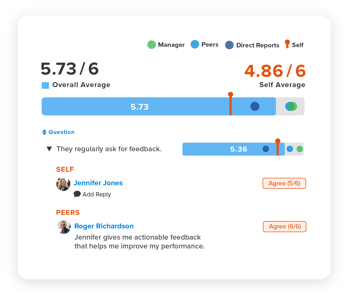
Multi-rater performance reviews, often encompassing 360-degree feedback, peer reviews, team feedback, and upward feedback, integrate multiple perspectives into the evaluation process. This creates a more balanced, comprehensive, and objective view of an employee’s contributions and how they operate within the organizational ecosystem. Feedback from these reviews can be collected on a continuous basis or strategically aligned with more formal, single-rater reviews (between employees and managers) to reinforce evaluations conducted annually, semi-annually, or quarterly.
-
360 Performance Feedback: This comprehensive approach brings multiple voices into the performance conversation—an essential strategy in today’s interconnected, collaborative work environments. While fundamentally evaluative, 360-degree feedback mechanisms are most effective when built on a foundation of trust and are focused on delivering clear, actionable next steps for development.
- Benefits: Enhances self-awareness, identifies blind spots, fosters team collaboration, improves communication, and supports targeted development plans.
-
Peer Feedback: Managers, by nature, cannot observe every interaction or contribution. Strong, cohesive teams rely on peer feedback to surface nuanced insights that only colleagues who work closely with an individual can provide.
- Significance: Promotes accountability, builds camaraderie, identifies collaborative strengths and weaknesses, and offers practical suggestions for improvement from those on the front lines.
-
Team Performance Feedback: Team performance reviews enable managers to assess collective progress, provide context-specific coaching, and identify development opportunities that benefit both individual team members and the group as a whole.
- Contributions: Facilitates collective goal achievement, strengthens team dynamics, highlights areas for process improvement, and fosters a shared sense of ownership and responsibility.
-
Upward Feedback: This crucial component empowers employees to provide candid feedback to their superiors, sharing what is working well and what could be improved. When both parties approach this feedback loop with openness and a commitment to action, it significantly builds trust and fuels continuous improvement at all levels of the organization.
- Impact: Creates a healthier, more transparent feedback culture, ensures employees feel heard and valued, and provides leaders with actionable insights for their own growth and development.
Structured or Formal Performance Reviews: Establishing a Baseline
Structured or formal performance reviews are scheduled evaluations that adhere to a predefined process, consistent criteria, and clearly documented expectations across the entire organization. These typically occur at set intervals—such as annually, semi-annually, or quarterly—and provide a structured framework for both employees and managers to assess progress, acknowledge achievements, and identify developmental needs.
These reviews are vital components of people management strategies as they foster transparency, ensure fairness in evaluations, and equip leaders with the data needed to make informed decisions regarding promotions, compensation, and succession planning. They also reinforce the alignment between individual performance and organizational objectives, offering employees a clear understanding of what constitutes success and pathways for growth within the company.
-
Annual Performance Review: This is a comprehensive, once-a-year evaluation of an employee’s overall contributions, highlighting their strengths and pinpointing areas for development.
- Reinforces: Career progression, compensation adjustments, long-term goal setting, and a historical record of performance.
-
Mid-Year or Quarterly Review: These scheduled check-ins assess progress against established goals and performance expectations. They offer a critical opportunity to realign objectives, provide targeted coaching to enhance performance, and maintain a pulse on the effectiveness of ongoing strategies and resource allocation.
- Benefits: Allows for course correction, provides timely feedback, reinforces ongoing development, and ensures alignment with evolving business priorities.
-
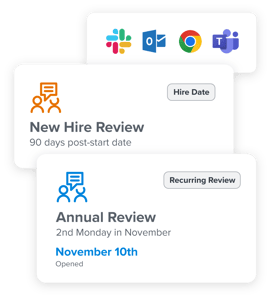
Continuous Performance Review (as a structured element): While distinct in its agility, continuous feedback can also be formally integrated into structured cycles. This involves regular, real-time feedback and coaching through ongoing, documented conversations between managers and employees, ensuring that performance discussions are not confined to formal review periods.
- Support for Teams: Promotes ongoing learning, immediate recognition, proactive issue resolution, and a culture of continuous improvement.
-
Self-Assessment: This integral part of many review processes strengthens shared accountability and alignment between employee and manager. It provides managers with valuable insights into how to better coach their team members while enabling employees to reflect on their contributions, challenges, and future aspirations.
- Facilitates: Enhanced self-awareness, employee ownership of development, more targeted manager coaching, and a deeper understanding of individual career goals.
Role/Project-Based Performance Reviews: Contextualizing Contributions
Role- or project-based performance reviews specifically evaluate an employee’s contributions within the context of their defined responsibilities, project deliverables, or specific objectives. These reviews can be single-rater (typically manager-led) or multi-rater, incorporating feedback from peers, project leads, cross-functional partners, or even external stakeholders like customers, depending on the organization’s structure and culture.
These focused reviews are instrumental in maintaining alignment with organizational goals, identifying execution gaps or resource needs, and strengthening cross-functional collaboration by clearly demonstrating how individual and team efforts contribute to broader organizational outcomes.
-
Task-Based or KPI-Focused Review: This type of review systematically gathers feedback on how effectively an employee meets defined performance metrics, project milestones, or task-level expectations that are crucial for achieving broader team or company-wide objectives.
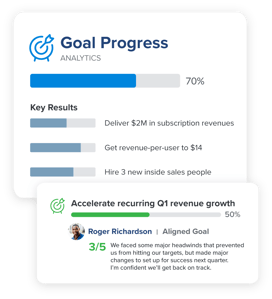
- Helps: Track progress against specific goals, ensure accountability for deliverables, identify performance trends, and provide data-driven feedback.
-
Sales Performance Review: This review assesses an employee’s performance based on critical sales indicators such as revenue targets, pipeline activity, client engagement, and revenue-generating behaviors.
- Supports: Revenue growth, identifies effective sales strategies, highlights coaching opportunities for sales teams, and tracks individual contributions to financial goals.
-
Customer Service Review: This review measures performance against key indicators of service quality, customer interactions, response times, and customer satisfaction metrics.
- Benefits: Enhances customer satisfaction, identifies areas for service improvement, recognizes excellent customer care, and ensures consistent delivery of high-quality support.
-
Product Development Review: This evaluation assesses how effectively an employee drives product initiatives, from the initial stages of roadmap planning through collaboration, execution, and post-launch performance monitoring.
- Contributes to: Successful product launches, innovation, cross-functional team effectiveness in product creation, and alignment of product strategy with market needs.
Probationary/New Hire Reviews: Laying the Foundation for Success
Probationary or new-hire performance reviews are structured feedback mechanisms designed to assess how well a new employee is integrating into their role, team, and the company during the critical early stages of employment. These reviews provide valuable insights for HR and managers, indicating the effectiveness of onboarding processes, identifying areas where additional support or clarification may be needed, and gauging the new hire’s adaptability to expectations.
When conducted effectively, these reviews help new employees feel welcomed, confident, and culturally aligned, equipping them to become productive members of the team in a timely manner. While HR departments may collect feedback for various reasons to refine new hire processes, several common review types are particularly beneficial:
-
Interview Process Feedback: This evaluation assesses how accurately the interview process represented the role, its expectations, team dynamics, and the overall work culture once the employee begins their tenure.
- Improves Hiring: Helps refine recruitment strategies, identify biases in the interview process, and ensure better alignment between candidate expectations and the reality of the role.
-
30-60-90 Day Feedback: This review provides structured checkpoints throughout the first three months of employment, assessing progress, learning curves, key milestones achieved, cultural integration, and overall performance.
- Supports New Hire Experience: Offers early intervention for challenges, reinforces learning, celebrates early wins, and ensures the new hire is on a clear path to success.
-
Manager Onboarding Feedback: This allows new hires to evaluate the effectiveness of their manager’s support, including the clarity of guidance, communication frequency and quality, and the adequacy of training provided.
- Improves Onboarding: Equips managers with insights to better support new team members, leading to a smoother transition and increased retention.
-
Cultural Alignment Review: This assessment examines how well a new hire is integrating into the team’s values, communication norms, and broader organizational behaviors.
- Supports Employee Integration: Helps identify potential cultural clashes early on, facilitates proactive interventions to foster belonging, and ensures new hires feel connected to the company’s mission and values.
The Collaborative Ecosystem of Performance Reviews
The performance review process is inherently collaborative, typically involving three key participants: Human Resources, managers, and employees. Each plays a distinct and crucial role in ensuring that reviews are conducted fairly, consistently, and with meaningful outcomes.
- Human Resources (HR): HR departments often lead the design and implementation of performance management systems. They establish guidelines, provide training, ensure compliance with legal standards, and analyze aggregated data to identify organizational trends.
- Managers: Managers are at the forefront of the review process. They are responsible for setting expectations, providing ongoing feedback, conducting formal reviews, coaching employees, and documenting performance.
- Employees: Employees are active participants who are expected to engage in self-assessments, prepare for discussions, actively listen to feedback, ask clarifying questions, and collaborate on development plans.
When all team members actively engage in their respective roles, the performance review transforms into a structured, transparent, and highly effective process that fosters connection, drives growth, and ultimately leads to stronger overall performance across the organization.
Leveraging Technology for Enhanced Performance Reviews
The complexities and evolving nature of performance reviews necessitate robust technological solutions. Quantum Workplace, for instance, offers performance review software designed to streamline and enhance these critical conversations. Their platform aims to equip managers and employees with reliable context, facilitating more objective and engaging discussions. Key features often include:
- Customizable Review Modules: The ability to tailor review templates to specific organizational needs and cultural nuances ensures that evaluations are relevant and impactful for different teams and roles.
- Manager Coaching Support: Integration into existing workflows helps managers build positive performance habits by providing tools and prompts for consistent coaching and feedback. Formal conversation cycles can be established to ensure appropriate frequency and consistency of touchpoints.
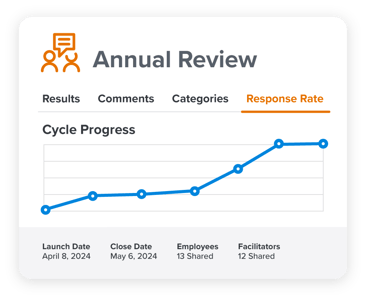
- Response Rate Tracking: Real-time monitoring of review cycle status helps teams stay accountable and allows organizations to track performance ratings and completion rates effectively.
- Goal Integration: The platform enables the embedding of performance goals directly into evaluations, facilitating objective discussions and supporting growth-oriented conversations between managers and employees.
- Multi-Rater Feedback Orientation: Tools to incorporate feedback from various sources—peers, direct reports, and other stakeholders—provide a holistic view of performance and support development-focused conversations.
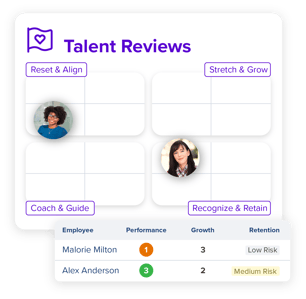
- Data Visualization and Alignment: Talent dashboards offer a comprehensive overview of organizational talent, enabling leadership to visualize trends, identify high performers, and make informed decisions regarding talent development and retention strategies.
By embracing these technological advancements, organizations can move beyond cumbersome, paper-based processes to a more agile, data-driven, and employee-centric approach to performance management. This evolution ensures that performance reviews are not just an administrative task, but a strategic investment in the growth and success of their most valuable asset: their people.