
A recent survey conducted by Kahoot! has illuminated a deeply concerning trend in the modern workplace: widespread feelings of disconnection among employees. The findings reveal that a significant 39% of office workers report feeling disconnected on the job, with nearly one-third indicating that they often go an entire workday without speaking to a colleague. This pervasive sense of isolation is not merely an abstract metric; it carries substantial implications for team performance, innovation, employee retention, and the overall health of organizational communities.
The Scope of Workplace Disconnection
The Kahoot! survey, which surveyed a broad spectrum of office workers, underscores that loneliness is not confined to specific demographics or work arrangements. The research highlights that Millennials are the generation most likely to experience loneliness in the workplace, a finding that resonates with broader societal trends concerning connection among younger adults. Furthermore, the data points to a direct correlation between feelings of disconnection and employee turnover, with one in five men and one in eight women admitting to having left a job due to a lack of connection with their colleagues.

This phenomenon is further compounded by socioeconomic factors. Research from the Harvard Graduate School of Education indicates that individuals with lower incomes are more susceptible to loneliness than their higher-earning counterparts. This suggests that frontline teams, often comprising individuals in lower-wage positions, may be particularly vulnerable to the detrimental effects of social isolation within the workplace. It is crucial to recognize that workplace loneliness transcends physical proximity. An employee may be surrounded by colleagues in a retail environment, yet if they do not feel a sense of belonging or psychological safety, they can experience a profound sense of isolation, comparable to or even exceeding that of an individual working remotely.
Understanding Loneliness Beyond Physical Isolation
The definition of loneliness extends beyond the mere absence of physical presence. Experts emphasize that it is the lack of quality relationships that truly defines this experience. A workplace where colleagues interact superficially or lack genuine camaraderie can foster a sense of isolation, even if individuals are physically present. This distinction is critical for organizations seeking to address the root causes of employee disconnection. The absence of meaningful interactions, supportive relationships, and a sense of belonging can lead to a decline in morale, engagement, and overall job satisfaction.
The Ripple Effect: Loneliness in Communities and Workplaces

The consequences of widespread loneliness are not confined to individual employees; they extend to broader societal and organizational levels. Communities that exhibit higher rates of loneliness often grapple with a range of negative social indicators. Similarly, within the workplace, the impact of loneliness is multifaceted and detrimental.
Impact on Workplace Dynamics and Performance
When employees feel disconnected, their willingness to trust and collaborate diminishes. This erosion of trust directly impedes innovation, as open communication and the free exchange of ideas become less likely. Furthermore, inefficiencies can arise as teams struggle to work cohesively. The ramifications also extend to employee well-being. Lonely employees are more prone to illness, burnout, and absenteeism, all of which contribute to a decline in overall productivity and energy levels.
Gallup’s research corroborates these findings, indicating that lonely employees are less motivated and engaged. The study specifically points out that Millennials and managers are experiencing higher levels of loneliness compared to other employee groups. This suggests a need for targeted interventions to support these demographics.

The "Return to Work" Debate: A Nuanced Perspective
The ongoing discourse surrounding return-to-work policies often touches upon the issue of workplace connection. While some argue that a physical return to the office can foster greater social interaction, the data presents a more complex picture. Gallup’s research indicates that fully remote employees report higher rates of loneliness (25%) compared to the average (16%). However, employees who are fully on-site report higher levels of burnout (29%) than their fully remote counterparts (24%). This suggests that neither a purely on-site nor a purely remote model inherently guarantees improved mental well-being or connection. The optimal approach likely lies in hybrid models that offer flexibility while intentionally fostering opportunities for meaningful interaction.
Addressing the Epidemic: Strategies for Organizations and Teams
Recognizing the escalating issue of workplace loneliness, organizations and leaders are increasingly tasked with finding effective solutions. The responsibility for employee well-being is increasingly falling on managers, with 71% of them indicating they feel responsible for their team’s welfare, according to Reward Gateway’s "Building Human Workplaces" report. This highlights a critical opportunity for empowering managers with the tools and strategies to foster connection.
Making Meetings More Socially Engaging
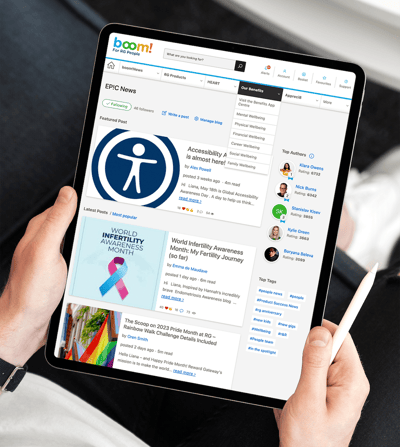
Integrating brief, informal social interactions into regular meetings can significantly enhance day-to-day connections. Dedicating the first few minutes of a meeting or a one-on-one session to personal check-ins allows employees to share aspects of their lives beyond work. For instance, Ulteig, a client of Reward Gateway, has implemented a program where employees are paired for informal chats to get to know each other. This can be facilitated through formal systems or simply by encouraging employees to schedule "connection" meetings with colleagues they don’t know well.
Weaving Social Interactions into Digital Communication
Workplace chat platforms are integral to daily operations. Incorporating non-work-related conversation starters can foster a sense of community. This could involve asking about upcoming summer blockbusters or initiating "Would You Rather" Wednesdays, as exemplified by Reward Gateway’s own team. Managers can lead these initiatives to ensure consistency, or team members with a flair for creativity can take the reins.
Promoting and Supporting Employee Resource Groups (ERGs)
Employee Resource Groups offer valuable avenues for employees to connect with colleagues who share similar interests, backgrounds, or passions outside their immediate functional teams. Reward Gateway supports a range of ERGs, including those focused on Accessibility, Multiculturalism, Social Mobility, LGBTQIA+, Women, and Wellbeing. Many organizations also host ERGs centered around hobbies like running, crafting, or reading. These groups, often employee-led, require organizational support to facilitate communication and engagement.
Encouraging Commuter and Carpool Networks
Facilitating connections among employees who commute from the same areas can serve dual purposes: supporting sustainability goals and fostering social bonds. Even employees utilizing public transport can coordinate their journeys to create a more collegial commute. For those who cycle to work, having a colleague along can provide an added layer of safety and support, particularly in case of unexpected mechanical issues.
Hosting Engaging Quarterly Challenges and Contests
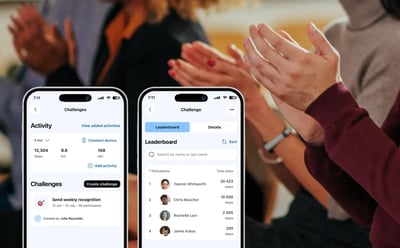
Organizing company-wide challenges or contests, whether related to fantasy sports, academic brackets, or well-being initiatives, can provide a fun and informal platform for employees to interact and build camaraderie. These activities offer a shared topic for lighthearted banter and can deepen connections beyond formal work projects. Digital platforms often include chat features specifically designed to support these types of engagement.
Prioritizing and Reminding Employees About Recognition
A culture of appreciation is fundamental to building strong workplace connections. When employees feel valued and acknowledged, it inherently fosters stronger bonds. Reward Gateway’s "Workplace Wellbeing" report found that 69% of employees believe their well-being would improve with more expressions of gratitude. Regularly reminding employees to acknowledge great work, both publicly and privately, can transform organizational dynamics. Public recognition on a social feed can foster trust and understanding, transforming perceptions like "IT never responds to me" into "Our IT team is handling a lot, and I understand their response time" when their efforts are regularly highlighted and celebrated. This passive, positive reinforcement helps rebuild trust among those who may feel disconnected.
The Path Forward: Building Human Workplaces
The pervasive issue of workplace loneliness demands a proactive and multifaceted approach from organizations. By implementing strategies that prioritize social connection, foster genuine relationships, and cultivate a culture of appreciation, companies can mitigate the negative impacts of disconnection and build more resilient, innovative, and engaged workforces. The investment in creating a more human workplace is not merely a philanthropic endeavor; it is a strategic imperative for long-term organizational success.