April marks National Volunteer Month, a dedicated period to recognize and celebrate the invaluable contributions of individuals who dedicate their time and energy to making a positive impact in their communities. This year, the spotlight intensifies from April 19th to 25th with National Volunteer Week, an annual observance that underscores the collective power of volunteering to foster societal betterment. Organizations worldwide are increasingly acknowledging the profound influence of volunteerism, not only on the communities served but also on employee engagement and organizational culture.
Reward Gateway | Edenred, a company committed to enhancing workplaces globally, actively champions employee volunteerism by providing its workforce with dedicated Volunteer Time Off (VTO). This initiative grants employees extra paid time off specifically for community service, allowing them to step away from their professional duties and immerse themselves in impactful local projects. This program reflects the company’s core mission: to create better places to work, one organization at a time, by empowering employees to act on their personal call to contribute to their communities.
The impetus for engaging in volunteer work often stems from a deep-seated sense of gratitude and a desire to reciprocate the opportunities one has been afforded. As one employee articulated, "I am privileged in the opportunities afforded me in my life and feel fervently that acknowledging a privilege means working to situate everyone in a position to access their own opportunity." This sentiment drives a personal commitment to make a difference, alongside a yearning for connection with like-minded individuals who share a passion for leaving communities in a better state than they found them. Such a drive for community and positive change is often amplified by a sense of belonging, a key factor in employee engagement, as research consistently shows.
Supporting this intrinsic motivation, a study conducted by Baylor University highlighted a significant link between gratitude and generosity. The research demonstrated that "experimental data in psychology showing that when you induce gratitude, people are more generous with their time, money and volunteering—not only to the person who just benefited them, but to a stranger to whom they don’t have a relationship with, who might not ever pay it back again to them." This finding suggests that fostering a culture of gratitude can organically lead to increased volunteerism, potentially tapping into an innate human drive to contribute. While the origin of individual volunteer efforts may vary, this research provides a compelling explanation for the powerful, and sometimes seemingly innate, impulse to give back.
The Genesis of Volunteerism: From Personal Conviction to Community Impact
The journey into consistent volunteerism is often a personal one, catalyzed by direct observations of societal needs and a growing awareness of one’s capacity to contribute. Witnessing the challenges faced by vulnerable populations, such as children struggling to support their families, individuals lacking access to essential healthcare, or those experiencing housing insecurity, can be a powerful catalyst. These experiences can foster a profound realization that one’s most valuable resource is not financial wealth, but rather the judicious allocation of personal time and energy.
For many, the early twenties represent a formative period for exploring avenues of service. With demanding full-time and often part-time employment schedules, evenings and weekends emerge as the primary windows for community engagement. The initial enthusiasm, sometimes fueled by the perceived boundless energy of youth, can lead to an overcommitment. This can result in a delicate balancing act, where the desire to contribute significantly clashes with the necessity of maintaining personal well-being, career progression, and overall life equilibrium. The experience of overextending oneself, as described by some, can be a stark reminder that sustainable volunteerism requires careful planning and realistic expectations.
Finding the Balance: Sustainable Volunteerism and Personal Well-being
The challenge of identifying the most impactful volunteer opportunities and establishing sustainable time commitments is a common hurdle. For those driven by a strong desire to make a difference, the initial phase can be marked by a tendency to take on more than is manageable, potentially leading to burnout and a disruption of personal and professional life. Early adopters of volunteerism might find themselves rating their life balance as a "3 out of 10," a clear indicator of an unsustainable model.
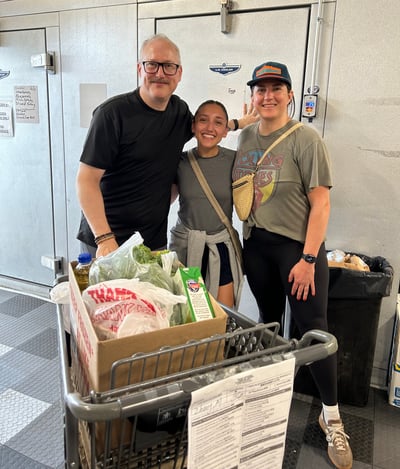
Recognizing the importance of holistic well-being—encompassing physical health, personal enrichment, and professional performance—many discover that scaling back volunteer commitments to a more manageable level is crucial. Dedicating a consistent, yet achievable, portion of time, such as one day a week, can strike a harmonious chord. This approach not only preserves work-life balance but also sustains engagement with causes and organizations, providing the desired connection and allowing for tangible contributions. As life circumstances evolve, volunteer commitments can naturally ebb and flow. What remains constant is the learned ability to adapt and contribute to the best of one’s capacity during different life phases, understanding that consistent, albeit reduced, participation can still yield significant positive outcomes. The principle of "everything in moderation, including moderation" becomes a guiding tenet, ensuring that volunteerism remains a source of fulfillment rather than strain.
The Collective Power of Volunteer Hours: Quantifying Impact
The potential impact of widespread volunteerism is staggering when considered collectively. A hypothetical scenario illustrates this power: "If every adult in America volunteered one day per month, that would equate to approximately 100 million volunteer hours." This significant number underscores the transformative potential of even modest, regular contributions. When individuals unite their efforts, the cumulative effect can address a wide spectrum of societal needs, from environmental conservation and educational support to disaster relief and humanitarian aid.
The act of volunteering itself can be a powerful motivator, not only for the volunteer but also for those around them. The drive to share one’s good fortune and contribute to the well-being of others can be contagious. For those seeking to initiate their own volunteer journeys, the advice is often practical: explore different organizations and causes to find a suitable fit. Many volunteer orientations are now conducted virtually, offering a convenient way to assess the commitment level and organizational structure before making a formal pledge. The accessibility of online sign-up platforms and app-based volunteer management systems further simplifies the process, allowing individuals to find opportunities that seamlessly integrate into their existing schedules. The core message is that even a few hours of dedication, perhaps a couple of evenings a month, can profoundly alter the life of another individual—and, in turn, enrich one’s own.
Broader Implications and Organizational Commitment
The growing emphasis on employee volunteer programs by organizations like Reward Gateway | Edenred signals a broader shift in corporate social responsibility. Companies are recognizing that facilitating and encouraging volunteerism is not merely a philanthropic endeavor but a strategic investment in their workforce and their communities. This approach fosters a culture of empathy, collaboration, and purpose, which can translate into higher employee morale, reduced turnover, and an enhanced brand reputation.

Beyond individual initiatives, organized group volunteer opportunities, facilitated by employers, can further strengthen team cohesion and interdepartmental relationships. These events often provide a shared experience that transcends daily work tasks, fostering a sense of camaraderie and collective achievement. The tangible outcomes of these group efforts, whether it’s a community clean-up, a food bank drive, or a mentorship program, serve as powerful reminders of the positive impact that can be achieved when individuals work together towards a common goal.
The data consistently supports the positive correlation between employee engagement and opportunities for social impact. A workforce that feels connected to its company’s values and has avenues to contribute to the greater good is often more motivated, productive, and loyal. By providing structured support for volunteerism, companies like Reward Gateway | Edenred are not only fulfilling their corporate citizenship obligations but are also cultivating a more engaged, fulfilled, and impactful workforce.
As National Volunteer Month draws to a close and National Volunteer Week concludes, the spirit of giving back continues to resonate. The ongoing commitment of individuals and organizations to community service serves as a testament to the enduring power of human connection and the profound impact that can be achieved when we collectively strive to make the world a better place. The integration of volunteerism into the fabric of organizational culture is not just a trend; it is a fundamental aspect of building resilient, socially responsible, and deeply engaged communities, both within and beyond the workplace. The simple act of volunteering, amplified by organizational support and individual dedication, remains one of the most potent forces for positive change available to us.