
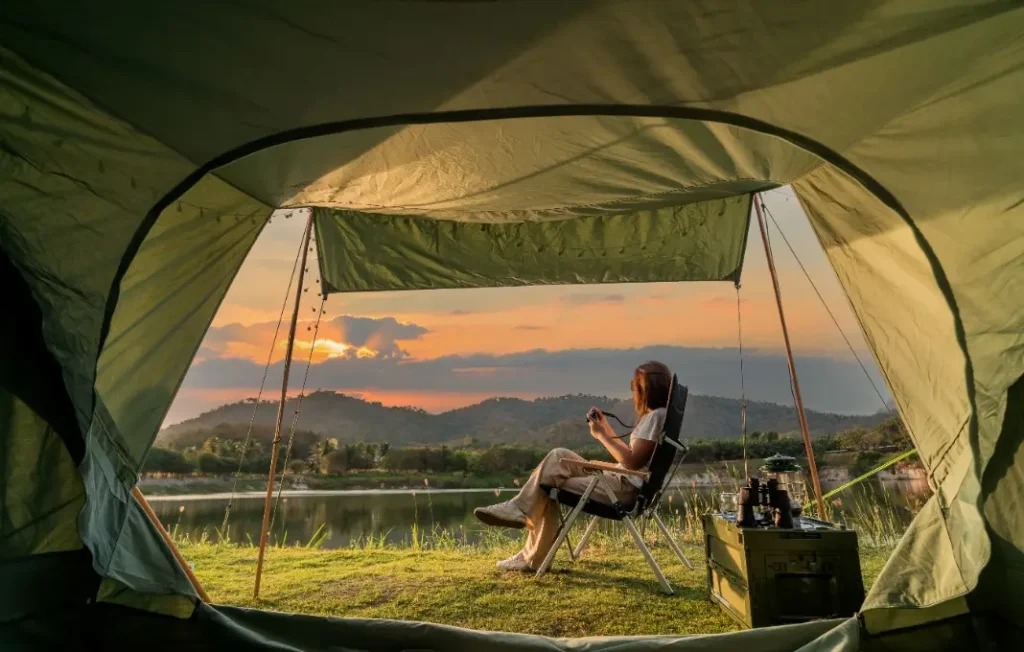
The burgeoning field of environmental psychology and established medical research increasingly highlights the profound positive impacts of spending time in nature on human health and well-being. From significant improvements in cognitive functions such as memory and creativity to powerful stress relief and enhanced mood, the great outdoors offers a wealth of medically recognized benefits. This growing body of evidence underscores the critical role that nature plays in maintaining physical and mental resilience, particularly in an era characterized by increasing urbanization and digital immersion.
Editor’s Note: In recognition of the immense pressures faced by chief executives, and acknowledging the often-overlooked toll this demanding role can take on health, Chief Executive has partnered with the distinguished faculty at Mayo Clinic Executive Health. This initiative aims to equip leaders with actionable insights into prioritizing and maintaining optimal health. A curated collection of articles addressing these vital aspects of executive well-being is now available in a continuously expanding library. We trust this resource proves invaluable.
This article, contributed by Sara Youngblood Gregory of Mayo Clinic, delves into the science and personal experiences that illuminate nature’s restorative capabilities.
The personal narrative of discovering nature’s solace during the height of the COVID-19 pandemic serves as a potent illustration of its impact. As lockdowns confined individuals to their homes, the omnipresence of screens and the severance of social connections created an unprecedented demand for escape. For many, like the author, this yearning led to a rediscovery of outdoor activities, offering a tangible respite from the digital deluge and the anxieties of a global health crisis. The simple act of camping, for instance, facilitated a disengagement from work-related pressures and a heightened sense of presence, leading to noticeable improvements in attention span and mood. This personal journey mirrors the broader scientific understanding of how natural environments can act as powerful regulators of our mental and emotional states.
The Scientific Underpinnings of Nature’s Therapeutic Effects
Jodie M. Smith, APRN, CNP, DNP, MSN, a nurse practitioner at Mayo Clinic, elaborates on the well-documented benefits of nature. "Numerous studies demonstrate that spending time in nature can improve mood, lower anxiety, and enhance cognition and memory," Smith states. "Prioritizing time in nature is essential for cultivating resilience and promoting self-care in a world that constantly demands a great deal from us."
Smith’s insights provide a framework for understanding how these benefits are achieved, particularly in relation to stress management and cognitive function.
Nature as a Powerful Stress Alleviator
One of the most significant contributions of nature to mental health is its capacity to mitigate stress. Smith explains the physiological response to stress: "Stress stimulates our sympathetic nervous system, which is responsible for increasing our blood pressure, heart rate, and blood sugar in order to react to a stimulus that is causing us stress." While a certain level of stress can be beneficial, acting as a motivator or a protective mechanism, prolonged or chronic exposure can have detrimental effects on emotional and mental well-being.
Nature offers a counter-regulatory mechanism. Research indicates that exposure to natural environments can regulate the sympathetic nervous system within as little as five minutes. "This means we can experience an almost immediate benefit from stepping outside," Smith notes. Recurrent exposure to nature can further help prevent the cumulative effects of chronic stress, potentially leading to a reduced risk of chronic diseases, illnesses, and even premature mortality. Studies have shown that even brief periods in natural settings can decrease cortisol levels, a key stress hormone. For example, a 2015 study published in Environmental Health Perspectives found that participants who spent 20-30 minutes in a natural setting reported lower levels of stress hormones compared to those who walked in an urban environment.
Nature’s Role in Managing Mental Health Conditions
Beyond general stress reduction, nature has emerged as a valuable coping strategy for individuals managing chronic mental health conditions. Smith points to research indicating its effectiveness in addressing depression, anxiety, post-traumatic stress disorder (PTSD), and attention-deficit/hyperactivity disorder (ADHD). Immersion in nature and participation in nature-based therapy programs have shown particular promise in managing PTSD symptoms. A meta-analysis published in the Journal of Environmental Psychology in 2019 found that nature-based interventions were associated with significant reductions in symptoms of depression and anxiety.
Even for those without diagnosed mental health conditions, nature can offer a valuable tool for emotional regulation. It can help individuals navigate feelings of loneliness, irritability, and even more intense emotions like road rage by providing a calming and grounding presence. The sensory experience of nature—the sounds of birds, the scent of pine, the feel of a gentle breeze—can interrupt negative thought patterns and promote a sense of peace.
Cognitive Enhancements Through Natural Immersion
The benefits of nature extend to cognitive functions as well. Evidence suggests a strong association between nature exposure and improved memory, attention span, creativity, and sleep quality. Smith observes that "being present in nature doesn’t ask or require anything of us, so it frees up our mind to think more deeply and clearly about things." This unburdened state allows for enhanced cognitive processing and a greater capacity for problem-solving and innovative thinking. Studies using the Attention Restoration Theory (ART) framework suggest that natural environments allow our directed attention abilities to recover from fatigue, leading to improved focus and reduced mental strain. A 2008 study published in Psychological Science demonstrated that even looking at images of nature could improve performance on attention-demanding tasks.
Navigating Nature Deficit in Urban Environments
In an increasingly urbanized world, where over 55 percent of the global population resides in cities—a figure projected to reach 68 percent by 2050 according to the World Health Organization (WHO)—accessing natural spaces can present a significant challenge. Urban environments, while offering economic and social opportunities, can also contribute to heightened stress due to sensory overload, noise pollution, and the constant demands of navigating bustling spaces. The lack of readily accessible green spaces—areas characterized by plants, natural landscapes, and water—exacerbates this issue.
Smith acknowledges this challenge: "Cities can be very energetic and exciting but also can contribute to both conscious and unconscious stress from the sensory overload and challenges of maneuvering in those spaces. If you live in an urban environment, exploring to find even a small natural reprieve can be extremely beneficial."
Even in densely populated areas, opportunities for nature engagement can be found. This might involve seeking out small neighborhood parks, taking moments to sit beneath a mature tree, or locating nearby ponds or bodies of water. "Taking a purposeful five-minute break during the day to refresh your mind in this type of environment can provide a benefit and can be justified by knowing that we will feel better and more productive afterward," Smith advises.
The pervasive influence of technology also poses a barrier to experiencing nature fully. Constant notifications from texts, emails, and social media demand attention and can pull individuals out of the present moment. Smith strongly recommends leaving personal devices behind when seeking out natural spaces to foster genuine immersion. "Slow down, go outside, notice what’s around you," she urges. "Listen to the birds and the wind and the crackling of the leaves under your feet, and you really will notice a benefit in your well-being."
Integrating Nature When Indoors Prevails
For individuals who find themselves predominantly indoors, either due to work constraints or urban living, several strategies can help incorporate nature’s benefits into daily life. While not a complete substitute for immersive outdoor experiences, engaging the senses with natural elements can still provide a restorative effect. This can include listening to recordings of bird songs or rainstorms, bringing indoor plants into living and working spaces, decorating with natural imagery, or using diffusers with essential oils derived from plants.
"These strategies can improve relaxation and work satisfaction through the same mechanisms that being outdoors can provide," explains Smith. These simple adaptations can create a more calming and conducive environment, fostering a sense of connection to the natural world.
On a broader community level, engaging in activities like planning community gardens, joining walking or bird-watching clubs, and advocating for the creation and maintenance of high-quality parks and environmental centers can foster greater access to green spaces for everyone. Such initiatives not only promote individual well-being but also contribute to the ecological health and aesthetic appeal of urban areas.
Quantifying the Nature Prescription: How Much is Enough?
The question of how much nature is "needed" to reap its full benefits is a subject of ongoing research, but existing studies offer valuable guidance. While even brief outdoor excursions can be beneficial, certain durations and types of nature exposure appear to yield more significant positive impacts. A 2021 study indicated that sessions in nature lasting between 20 and 90 minutes were most beneficial for mental health, with activities like gardening, nature-based therapy, and exercise in green spaces proving particularly effective for adults.
A large-scale survey published in Nature revealed that individuals who spent at least two hours per week in nature—whether in a single extended outing or spread across multiple shorter visits—reported higher levels of positive health and well-being compared to those who spent no time outdoors. For those finding it challenging to allocate this amount of time, Smith suggests aiming for a minimum of 15 minutes each day. "There are added benefits that can come from prolonged immersion, so each week try to spend an hour outside doing something you enjoy, and each month try to spend a half day [outside]," she recommends. This gradual approach allows individuals to build nature engagement into their routines, fostering a sustainable practice that supports long-term health and vitality. The cumulative effect of regular, even short, periods in nature can lead to profound improvements in stress resilience, cognitive function, and overall life satisfaction.








