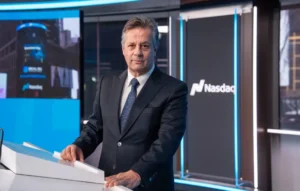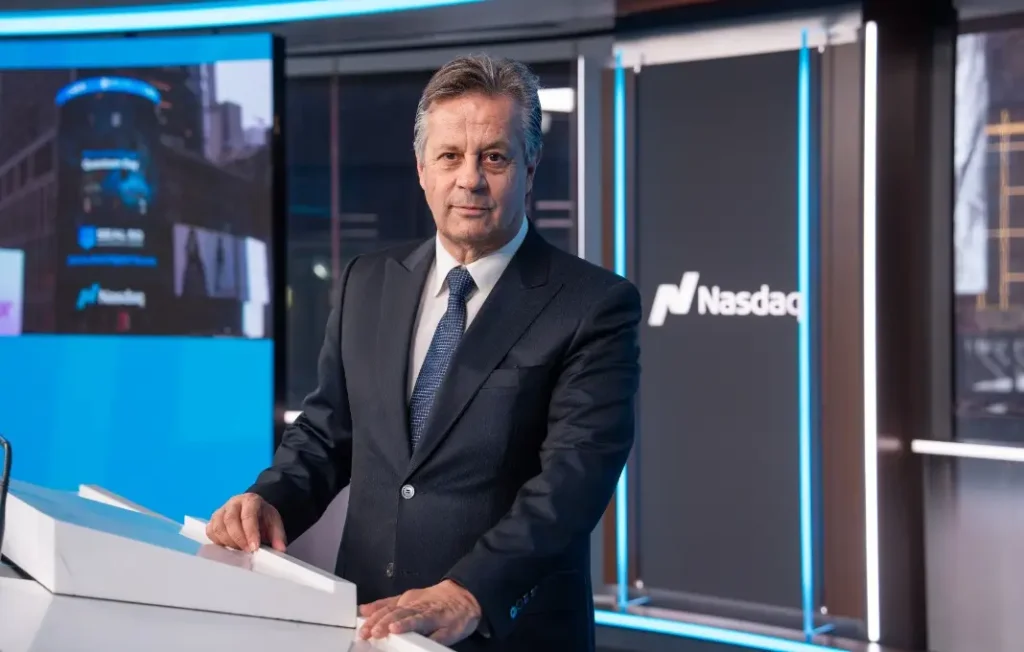
The specter of quantum computing looms large over the digital security landscape, posing a fundamental threat to data encrypted today. As sophisticated quantum computers approach realization, sensitive information currently considered secure could be rendered vulnerable to decryption. This imminent threat, coupled with the extended lifecycles of critical infrastructure such as automotive chips, medical devices, and power grid components, necessitates an immediate and proactive shift to post-quantum security. Carlos Moreira, CEO of SEALSQ, a company at the forefront of developing quantum-resistant semiconductor solutions, articulates the urgency and strategic imperative for organizations to begin this transition now, rather than deferring it to a future that is rapidly approaching.
The "Harvest Now, Decrypt Later" Threat: A Present Danger
The core of the quantum security challenge lies in the "harvest now, decrypt later" strategy. Adversaries are actively collecting encrypted data today, with the explicit intention of decrypting it once quantum computers possess sufficient computational power. This is not a hypothetical scenario; it is a tangible and present danger impacting a wide array of sectors. "Sensitive information stolen today can be stored and decrypted once sufficiently powerful quantum computers become available," explains Moreira. "This is commonly referred to as ‘harvest now, decrypt later.’"
The implications of this strategy are profound and far-reaching. Governments, financial institutions, healthcare providers, and operators of critical infrastructure are particularly exposed. Any organization entrusted with managing valuable intellectual property or sensitive personal data faces an elevated risk. The longer sensitive data remains in transit or at rest, the greater the window of opportunity for malicious actors to exploit future quantum decryption capabilities. For instance, financial transaction data, patient health records, and classified government communications, if intercepted today, could be compromised in the coming years, leading to catastrophic breaches of privacy, national security, and economic stability.
The Long Road to Quantum-Resilience: Why Today’s Decisions Matter for Tomorrow’s Infrastructure
One of the most significant hurdles in adopting post-quantum security is the inherent longevity of embedded systems and critical infrastructure. Unlike software that can be updated remotely, the chips embedded in automotive electronic control units (ECUs), life-saving medical devices like insulin pumps, essential grid sensors, and industrial controllers are designed for decades of service. "Car ECUs, insulin pumps, grid sensors and factory controllers can remain in service for decades," Moreira highlights. "Unlike a server, organizations cannot simply push a cryptography update to a chip soldered into a medical device or embedded in critical infrastructure. A car sold next year could still be on the road in 2042."
This extended service life means that devices deployed today, using current cryptographic standards, will still be operational when quantum computers capable of breaking those standards emerge. The process of replacing billions of connected devices, upgrading vast swathes of infrastructure, obtaining new hardware certifications, and reconfiguring complex supply chains is an undertaking that cannot be accomplished overnight. Organizations that initiate this transition now can manage it in an orderly and phased manner. Conversely, those who delay risk facing a reactive scramble, potentially encountering stringent regulatory pressures, significantly higher costs, and amplified operational risks as the quantum threat materializes.
SEALSQ advocates for integrating post-quantum security into an organization’s long-term resilience strategy, on par with current cybersecurity best practices. This forward-thinking approach recognizes that security is not a static state but an evolving discipline that must anticipate future technological advancements and threats.
Navigating the Post-Quantum Semiconductor Supply Chain: Risks and Realities
As post-quantum semiconductors move from research and development into production, several critical areas present significant risks to security, reliability, and supply chain integrity. Moreira emphasizes that security is an intrinsic element of the semiconductor lifecycle, beginning long before software is even written. "Security starts long before software is installed. It begins during semiconductor design, manufacturing, provisioning and lifecycle management. Every stage of the supply chain represents a potential point of vulnerability."
To mitigate these risks, the industry requires robust mechanisms for ensuring the trustworthiness of every step. This includes selecting trusted manufacturing partners, utilizing certified secure elements, embedding hardened hardware roots of trust, implementing cryptographically secure provisioning processes, and maintaining complete traceability from the initial wafer to the final deployed device. This comprehensive approach is vital to prevent the introduction of vulnerabilities at any point in the complex semiconductor ecosystem.
Reliability is another paramount concern. Post-quantum algorithms, while more secure against quantum attacks, often demand greater computational resources. Manufacturers must meticulously optimize performance, power consumption, and long-term durability without compromising the core security objectives. This delicate balance requires innovative engineering and rigorous testing.
Furthermore, supply chain resilience has emerged as a strategic imperative. Nations worldwide are increasingly recognizing semiconductors as foundational critical infrastructure. This recognition drives a push for sovereign manufacturing capabilities and diversified production sources to reduce dependence on any single region or supplier. Geopolitical stability and the ability to secure consistent access to advanced manufacturing are now as critical as the technological prowess itself.
SEALSQ’s Strategic Evolution: Vertical Integration and Global Partnerships
The acquisition of IC’Alps, a French integrated circuit design company, by SEALSQ in 2025 marked a pivotal moment in the company’s strategy to achieve vertical integration in secure semiconductor development. This integration brings world-class Application-Specific Integrated Circuit (ASIC) design expertise in-house, significantly bolstering SEALSQ’s capacity to design, optimize, and industrialize next-generation secure chips. The move is expected to accelerate innovation and shorten development cycles, providing greater control over a high-value segment of the semiconductor supply chain.
"The acquisition of IC’Alps represents an important milestone in our strategy to vertically integrate secure semiconductor development," states Moreira. "By bringing world-class ASIC design expertise into SEALSQ, we significantly strengthen our ability to design, optimize and industrialize next-generation secure chips while accelerating innovation and reducing development cycles."
Despite this enhanced control, Moreira acknowledges that no semiconductor company can achieve complete self-sufficiency. Advanced wafer fabrication, intricate packaging, and certain specialized manufacturing processes remain reliant on global foundry partners. SEALSQ’s strategy, therefore, focuses on establishing trusted partnerships rather than attempting to own every facet of production. The company maintains complete control over its security architecture, proprietary cryptographic intellectual property (IP), certification processes, and the entire lifecycle management of its products.
A prime example of this partnership strategy is SEALSQ’s collaboration with GlobalFoundries, a leading semiconductor manufacturer. This partnership is dedicated to co-developing secure semiconductor platforms, which include certified post-quantum security IP and advanced secure chiplet architectures. The synergy between SEALSQ’s expertise in hardware-based security and GlobalFoundries’ extensive manufacturing capabilities aims to foster trusted and traceable semiconductor supply chains, particularly within the United States and Europe. This initiative addresses both the technological demands of post-quantum security and the growing geopolitical imperative for regionalized, secure chip production.
Leadership in the Face of Uncertainty: Building Trust for Unfamiliar Technologies
Having dedicated decades to building companies centered on digital trust, Carlos Moreira offers profound insights into leading organizations through technological shifts that customers may not yet fully comprehend. His core tenet is clear: "Technology alone never creates transformation—trust does."
Moreira draws parallels between the current reception of quantum security and the early days of other now-mainstream technologies. "When we began developing and delivering to customers solutions such as digital certificates, IoT security and hardware roots of trust many years ago, these technologies were often viewed as niche concepts. Today they are fundamental to the global digital economy. Quantum security is following the same trajectory." Projections from major consulting firms like McKinsey and Company and Boston Consulting Group indicate that the quantum security market is poised to become a multi-billion dollar global industry.
The leadership lessons learned from these experiences are invaluable. Moreira emphasizes the necessity of investing in emerging technologies and capabilities before markets fully recognize their potential. This requires building teams that are adaptable and comfortable navigating uncertainty. Continuous customer education is paramount, as is close collaboration with regulatory bodies and standards organizations to shape the evolving landscape. Crucially, maintaining a long-term vision is essential, even amidst short-term market fluctuations.
"Innovation is rarely about perfectly predicting the future," Moreira concludes. "It is about preparing responsibly for multiple futures and ensuring that, when the market is ready, your organization already has the technology, industrial capability and credibility to lead." This philosophy underscores the proactive, trust-centric approach required to navigate the complex and rapidly evolving world of quantum security, positioning SEALSQ and its partners at the vanguard of a more secure digital future.