
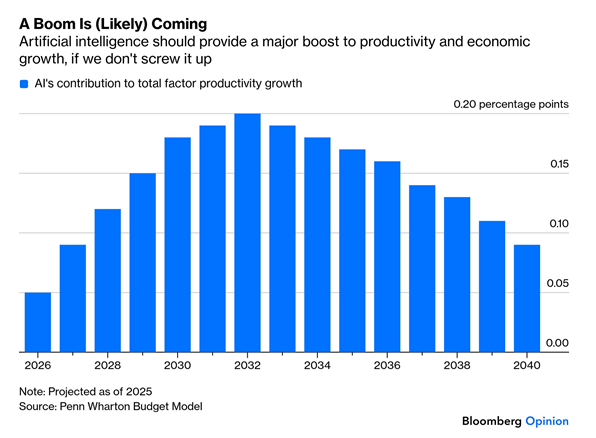
The burgeoning field of enterprise artificial intelligence, while boasting astronomical valuations for leading companies like Anthropic and OpenAI, is increasingly demonstrating that its true return on investment (ROI) stems not from the foundational models themselves, but from their strategic application and the data they process. This paradigm shift mirrors a similar evolution witnessed in the relational database market during the 1990s, where the underlying technology became a commodity, and value creation moved to the applications built upon it. As the market matures, the focus is transitioning from the novelty of "buying AI" to a more pragmatic approach of leveraging AI as a tool for developing concrete business solutions.
This sentiment is echoed by prominent industry figures, including Microsoft CEO Satya Nadella, who in a recent Wall Street Journal op-ed titled "We Can’t Let AI Giants Eat the Economy," articulated a similar perspective. The proliferation of advanced "frontier" models from major players like OpenAI, Anthropic, Google, and Microsoft, alongside a robust ecosystem of free and open-source alternatives from entities such as GLM, Deepseek, Kimi, Mistral, and IBM’s Granite, signifies a democratization of AI capabilities. This availability compels businesses to re-evaluate their AI strategies, moving beyond the allure of cutting-edge technology to a more results-oriented deployment.
The Maturation of Enterprise AI Adoption
Recent research, including an ongoing study on enterprise AI applications that has surveyed over 200 companies, indicates that only approximately 8% of organizations are currently building "real enterprise apps" powered by AI. A significant portion of companies appear to be adopting AI on a more speculative basis, often viewing it as an employee benefit with the hope that valuable outcomes will emerge organically. This approach, however, can lead to inefficient resource allocation and a lack of tangible business impact. For instance, utilizing AI tools like Galileo, which integrates with various large language models (LLMs) including Claude, necessitates a clear focus on specific domains and problem areas to avoid time-consuming experimentation without concrete results.

The initial exuberance surrounding generative AI has begun to temper, with economists and business leaders alike recalibrating inflated expectations. The current landscape suggests a move away from simply experimenting with AI due to its inherent "coolness" factor. Instead, the emphasis is shifting towards treating AI as a sophisticated tool within a broader problem-solving framework.
The "Normal" Technology Adoption Cycle
In a typical enterprise technology adoption scenario, the process is characterized by a structured approach. Organizations identify a specific business need, develop a comprehensive business case, collaborate with IT departments to ensure security and data integration, and then procure systems with clearly defined goals and measurable ROI. This disciplined methodology is evident when companies invest in AI-powered applications such as Paradox, Eightfold, or Radancy, which are designed to address specific business functions. However, this structured approach has not always been applied to the direct procurement of AI models like Claude, where the expectation has sometimes been that individuals will independently discover valuable use cases.
The inherent capabilities of generative AI – its proficiency in writing code, generating images, analyzing spreadsheets, and answering complex queries – are undeniably impressive. However, the "fun and interesting" aspects of these abilities do not automatically translate into business value, especially when accompanied by significant consumption costs. The true payoff for AI implementation emerges from the synergistic combination of an organization’s unique data, its specific applications, and its contextual understanding of business operations.
The substantial investments made in AI, estimated to be around $1.5 trillion from forward-looking investors, have funded the development of sophisticated models, the construction of massive data centers, the acquisition of high-performance hardware like NVIDIA processors, and the significant energy infrastructure required to power these operations. As these investments mature and the market seeks returns, the era of gratuitous AI experimentation is likely drawing to a close. The cost of AI consumption is expected to rise, reflecting the underlying infrastructure and development expenses. This trend is already observable with recent price adjustments from major technology providers, signaling a move towards a more cost-conscious deployment of AI resources.
The Emergence of a Commodity Market
The recent emergence of "price wars" in the AI sector, as reported by The Wall Street Journal, further underscores the transition of AI models towards a commodity status. The competitive pressure among frontier AI vendors, who are reportedly considering significant price reductions, is characteristic of markets where switching costs are low and differentiation becomes increasingly challenging. This dynamic is precisely what Satya Nadella highlighted, noting Microsoft’s strategy with its "Microsoft AI" (MAI) models, which are priced substantially lower than competing frontier offerings. This pricing strategy reflects the commoditization of the underlying AI capabilities.
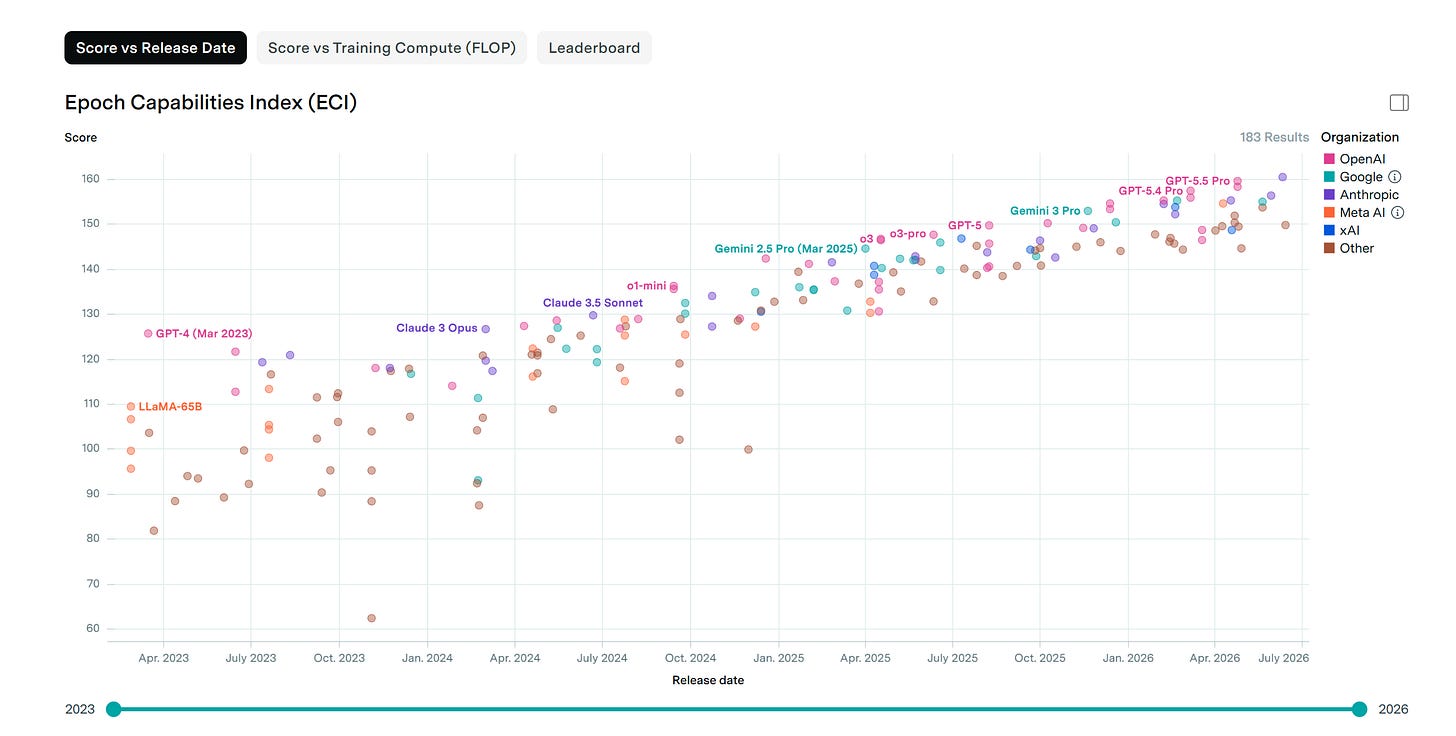
This evolution marks the arrival of a "normal" technology market, where pricing and costs are aligned with the tangible value and specific problems that the technology addresses. The rapid pace of model improvement, while initially a driving force, is also showing signs of slowing. This deceleration, as indicated by capability evolution charts, is a positive development for enterprise adoption. It allows companies to shift their focus from chasing the latest technological advancements to solving persistent business problems.
Re-engineering Business Processes with AI
The notion that AI is merely a plug-and-play solution is increasingly being dispelled. Our research, particularly the "HR 2030" model which serves as a blueprint for high-value AI solutions in human resources, demonstrates that achieving significant ROI from AI necessitates strategic investment and a holistic approach to business re-engineering.
For example, transforming the hiring process involves more than just deploying AI-powered recruitment tools. It requires a comprehensive strategy that integrates various AI agents and superagents, often necessitating collaboration with IT departments and a fundamental redesign of talent acquisition workflows. Leading vendors in this space, such as Paradox, Maki, Radancy, and Smartrecruiters, offer solutions that can streamline hiring but also require organizational adaptation and a redefinition of roles within talent acquisition.

Similarly, enhancing employee service centers through AI, utilizing platforms like MS Copilot, Workday Sana Core, or ServiceNow, demands significant organizational effort. Such projects require policy consolidation, robust data management, and cross-functional teamwork. The implementation of these solutions can lead to the reorganization of learning and development functions, illustrating that AI integration is often a catalyst for broader operational changes.
Building high-performance onboarding programs, as exemplified by companies like Rolls Royce and Lockheed Martin, involves a complex interplay of stakeholder consensus, the development of tailored global and role-specific use cases, and the creation of governance models to manage tactical and strategic content effectively. In these instances, the underlying LLM is a critical component, but it represents only a fraction of the overall solution’s complexity and value.
Our HR 2030 blueprint identifies approximately 130 distinct AI agents that can be either purchased or custom-built. For organizations aiming to realize the full potential of AI, the focus must be on prioritizing use cases, collaborating closely with IT, and preparing their workforce for evolving roles and skill sets. This necessitates a shift from simply "implementing AI" to strategically "applying AI" to solve specific business challenges.
The Relational Database Analogy: From Technology to Application
The current trajectory of the LLM market bears a striking resemblance to the evolution of the relational database market in the late 1990s. At that time, database systems from Oracle, Sybase, Informix, Ingres, and Postgres were lauded for their advanced features. However, as the technology matured, the differences between these database management systems (RDBMS) became less significant. The focus of innovation and value creation shifted from the underlying database technology to the applications built upon them.
A similar transition is now underway in the AI domain. While LLMs offer remarkable capabilities, their intrinsic "magic" is becoming less of a differentiator for enterprise adoption. Companies like ours, which leverage AI through platforms like Galileo for organizational modeling, reorganization analysis, and skills and compensation analytics, have invested years in developing these solutions. This extensive effort involved not just utilizing LLMs but also meticulously training them, integrating them into workflows, and customizing them to address complex business problems.
The $1.5 trillion invested in AI is now seeking a demonstrable return. This imperative is driving enterprises to move beyond experimentation and toward strategic architecture and engineering. The true payoff of AI in the corporate world will be realized through the application of these powerful models to solve specific, high-value problems. This requires a concerted effort to identify those problems, collaborate with IT, and architect integrated solutions that leverage the unique data and context of each organization. The "magic" residing within the LLM is rapidly becoming a foundational element, with the real value being generated by how it is applied to re-engineer business processes and drive tangible outcomes.
This ongoing transformation presents an opportunity for HR and IT professionals to become architects and engineers of AI-driven solutions. By focusing on problem-solving and strategic application, organizations can unlock the immense potential of AI, moving from a phase of speculative adoption to one of sustainable value creation.
Conclusion and Future Outlook
The enterprise AI landscape is undergoing a critical maturation phase. The initial fascination with the capabilities of LLMs is giving way to a more pragmatic and results-driven approach. As the market stabilizes and competition intensifies, AI models are increasingly being viewed as a utility, much like relational databases were in the late 1990s. The true economic impact and ROI will be derived from the development of specialized applications, the strategic use of data, and the re-engineering of business processes. Companies that embrace this shift, focusing on solving specific problems rather than merely adopting new technology, will be best positioned to capitalize on the transformative power of artificial intelligence. The substantial investments made in this sector are now demanding a tangible return, propelling the industry towards a future where AI is an integrated, value-generating component of enterprise operations.