The landscape of workplace expectations has undergone a significant transformation, with a growing majority of U.S. employees now prioritizing factors beyond a substantial pay increase. New data indicates a decisive shift, where elements such as schedule control, a supportive company culture, and opportunities for growth and belonging are increasingly valued over a 10% salary bump. This evolution in employee priorities, observed since 2023, signals a fundamental re-evaluation of what constitutes a truly rewarding and sustainable work experience.
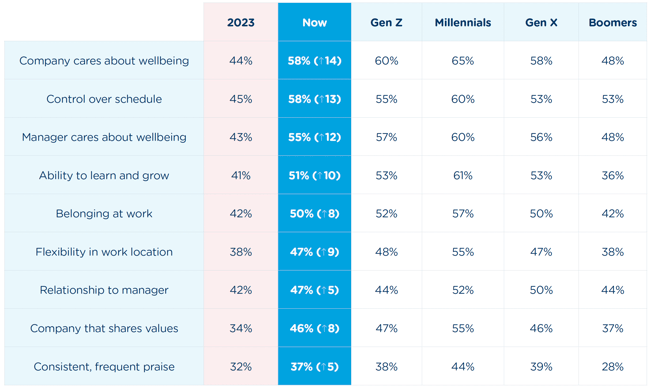
For years, the traditional emphasis on compensation has dominated discussions about employee motivation and retention. However, the past two years have witnessed a pronounced divergence from this singular focus. In 2023, research revealed that while these non-monetary factors were gaining traction, none achieved majority agreement as being more important than a 10% raise. Today, that paradigm has shifted dramatically. More than half of the surveyed factors now hold greater significance for the majority of the workforce than an equivalent financial increase. This suggests that employers who fail to address these evolving needs risk falling behind in attracting and retaining top talent.
At the forefront of these demands is the desire for greater autonomy over one’s work schedule. Employees are signaling a strong preference for flexibility, enabling them to better balance professional responsibilities with personal commitments. This aspiration is closely followed by the need to work within organizations and under managers who demonstrate genuine care for employee wellbeing. The data underscores that a supportive and empathetic work environment is no longer a mere perk but a critical component of job satisfaction. Furthermore, opportunities for continuous learning, professional growth, and fostering a sense of belonging within the workplace are also emerging as powerful motivators, not far behind the top-tier demands.
Crucially, many of these increasingly important workplace attributes come with a significantly lower cost to employers compared to a 10% pay raise. This presents a strategic opportunity for companies to enhance their employee value proposition by focusing on cultural improvements and flexible work arrangements, which can yield substantial returns in engagement and loyalty without the direct financial burden of across-the-board salary increases.

The Pivotal Role of Management in Shaping Employee Experience
The research highlights a consistent and compelling correlation between managerial engagement and competence, and overall team engagement. When managers are effectively leading, problems are resolved with greater efficiency, fostering an environment where innovation can flourish and employee turnover is significantly reduced. Conversely, when managers disengage, the negative repercussions are palpable, leading to customer dissatisfaction, a decline in employee productivity, and ultimately, a detrimental impact on business outcomes.
A recent report from Gallup further reinforces the critical link between managerial effectiveness and broader economic indicators, tracing the impact of team engagement all the way to GDP growth. This report issues a stark warning: managers are increasingly burdened by conflicting demands from both executive leadership and their teams, leading to what is described as "the toll." Gallup’s findings emphasize the necessity of robust support and comprehensive training for managers to navigate these complex pressures effectively.
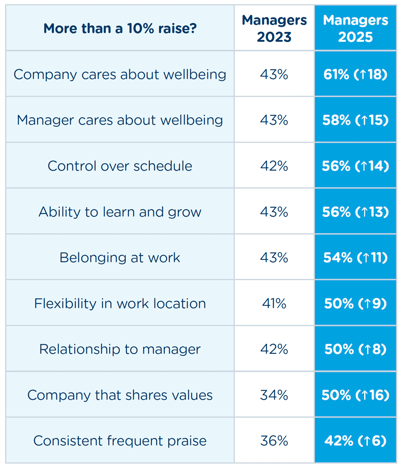
The current climate places managers in a challenging intermediary position, tasked with meeting escalating employee expectations while simultaneously adhering to organizational directives. However, mirroring the broader workforce, managers themselves are placing a greater emphasis on the overall employee experience. Factors such as wellbeing, opportunities for learning and development, a sense of belonging, and control over their schedules are increasingly outweighing the importance of a 10% salary increase for this crucial demographic as well. This indicates that the drive for a more holistic and supportive work environment is permeating all levels of an organization.
Bridging the Manager-Employee Perception Gap
A notable disconnect exists between how managers perceive their impact on employees and how employees experience it. While a substantial 66% of managers believe they are making employees’ lives easier, only 44% of employees concur. This disparity extends to other critical areas of the employee experience, suggesting a need for improved communication and empathy between leadership and their teams.
The implications of this perception gap are significant. If managers are unaware of or unable to address the actual challenges and needs of their employees, their efforts to foster a positive work environment may fall short. This can lead to frustration, disengagement, and a decline in overall morale. The study’s findings suggest that companies need to invest in better understanding employee sentiment and equip managers with the skills to bridge this divide.
Adding to the complexity, approximately 30% of managers report feeling overwhelmed by their responsibilities. This suggests that the demands placed upon them are often unsustainable, hindering their ability to effectively support their teams. If organizations expect managers to be the drivers of engagement, coaching, effective communication, performance management, and employee wellbeing, they must provide them with the necessary resources, training, and support to succeed. Without this, the cycle of overwhelmed managers and disengaged employees is likely to persist.
The Underlying Driver: A Decline in Workplace Wellbeing
The heightened emphasis on a superior employee experience is not occurring in a vacuum. It is intrinsically linked to a significant and concerning surge in workplace stress, burnout, and feelings of loneliness. The current work environment appears to be contributing to a decline in the overall wellbeing of employees, prompting a demand for change.
The data strongly suggests that a positive and supportive workplace culture is not merely a "soft" aspect of business but a direct driver of tangible business outcomes. A staggering 85% of employees report that feeling appreciated directly impacts their productivity. Equally significant, 79% state that their relationship with their manager influences their productivity. These figures underscore the profound impact of human-centric practices on operational efficiency and output.
Managers who recognize and leverage this insight in how they allocate their time and focus can exert a considerable positive influence on the organization’s success. By actively supporting employees’ wellbeing through dedicated coaching, regular one-on-one meetings, and consistent recognition, managers can foster transformational improvements in both the employee experience and the company’s bottom line. This holistic approach to management, grounded in empathy and genuine care, is proving to be a powerful catalyst for both individual and organizational growth.
Broader Implications and Future Outlook
The shift in employee priorities signals a fundamental recalibration of the employer-employee contract. Companies that continue to operate under the assumption that salary is the primary motivator risk becoming relics in the modern workforce. The emphasis on wellbeing, flexibility, and belonging reflects a broader societal trend towards valuing human capital and recognizing the interconnectedness of work and life.
For employers, this presents both a challenge and an opportunity. The challenge lies in adapting existing structures and cultures to meet these new expectations. This may involve re-evaluating performance metrics, investing in manager training programs, and implementing more flexible work policies. The opportunity, however, is substantial. Organizations that proactively embrace these changes can cultivate a more engaged, loyal, and productive workforce, ultimately gaining a significant competitive advantage.
The trend towards prioritizing non-monetary benefits is likely to continue and potentially intensify. As the workforce becomes more diverse and the nature of work evolves, the definition of a "good job" will continue to expand. Companies that foster environments where employees feel valued, supported, and empowered are best positioned to thrive in this dynamic landscape. The insights gleaned from these recent studies serve as a clear roadmap for businesses seeking to build resilient and successful organizations for the future.
The data points to a clear imperative for organizations to move beyond transactional employment relationships and cultivate environments that foster genuine human connection and support. The investment in employee wellbeing, professional development, and a culture of belonging is not just a matter of corporate social responsibility; it is a strategic necessity for long-term business sustainability and success in an increasingly employee-centric world.