The contemporary corporate landscape is increasingly defined by two significant phenomena: the pervasive issue of employee burnout and the growing recognition of inclusion as a foundational pillar of organizational success. Far from being isolated challenges, these two elements are intricately linked, with robust evidence suggesting that fostering an inclusive environment can serve as a potent antidote to the chronic exhaustion, cynicism, and reduced efficacy characteristic of burnout. This article delves into the dynamics of employee burnout, the multifaceted nature of workplace inclusion, and the compelling data that illuminates their symbiotic relationship, positioning inclusion not merely as a desirable HR initiative but as a strategic imperative for organizational resilience and sustained productivity.
The Pervasive Scourge of Employee Burnout
Employee burnout, recognized by the World Health Organization (WHO) as an occupational phenomenon stemming from chronic workplace stress that has not been successfully managed, has become an alarmingly common affliction across industries. It is characterized by three primary dimensions: feelings of energy depletion or exhaustion; increased mental distance from one’s job, or feelings of negativism or cynicism related to one’s job; and reduced professional efficacy. Unlike transient stress, burnout is a prolonged state of physical, emotional, and mental exhaustion, often leading to severe consequences for individuals and organizations alike.
The prevalence of burnout is staggering. A 2023 Gallup study revealed that 70% of employees experience burnout at least sometimes, with 22% reporting feeling burnt out "very often" or "always." This widespread issue is not merely a matter of individual well-being; it carries substantial economic costs. Research by the American Psychological Association (APA) estimates that workplace stress, a major contributor to burnout, costs U.S. businesses up to $500 billion annually due to factors such as absenteeism, presenteeism (being physically present but mentally disengaged), healthcare expenses, and employee turnover. A Deloitte study from 2021 further highlighted that 77% of respondents had experienced burnout at their current job, with 70% stating their employer was not doing enough to prevent or alleviate it. These figures underscore burnout as a productivity parasite, systematically eroding employee engagement, innovation, and overall organizational health.
The root causes of burnout are multifaceted, extending beyond mere workload. While excessive demands undoubtedly contribute, other significant factors include a lack of control over one’s work, insufficient reward and recognition, perceived unfairness, a breakdown of community and social support, and a misalignment of values between the individual and the organization. Historically, burnout was often viewed as an individual failing, a personal weakness to be overcome through resilience or self-care. However, contemporary understanding firmly places the onus on organizational systems and culture, recognizing that workplace environments can either mitigate or exacerbate the risk of burnout. The shift in perspective from individual pathology to systemic dysfunction marks a critical evolution in how companies approach employee well-being.
The Rise of Inclusion as a Strategic Imperative
Against the backdrop of pervasive burnout, the concept of inclusion has emerged as a critical strategic lever. Inclusion, often discussed alongside diversity and equity (DEI), extends far beyond mere representation. While diversity refers to the presence of a variety of identities and backgrounds within an organization, and equity ensures fair treatment and access to opportunities, inclusion is about creating an environment where every individual feels valued, respected, heard, and empowered to contribute their authentic self. It is the cultivation of a workplace culture where differences are celebrated, unique perspectives are sought, and everyone feels a genuine sense of belonging.
The journey towards deeply embedded inclusion has evolved over decades. Early initiatives in the mid-20th century focused primarily on affirmative action and equal opportunity, aiming to address historical discrimination. By the late 20th and early 21st centuries, the focus broadened to diversity, recognizing the business case for varied perspectives. More recently, the emphasis has shifted decisively towards inclusion, acknowledging that diversity alone is insufficient if individuals from underrepresented groups do not feel safe, respected, and empowered to thrive. This evolution reflects a deeper understanding that true organizational strength comes not just from having a diverse workforce, but from actively integrating and leveraging that diversity.
The Boston Consulting Group (BCG), a prominent global management consulting firm, has provided compelling insights into the practical application of inclusion and its connection to mitigating burnout. Their research identifies several critical pillars for building a truly inclusive environment, which can be broadly categorized into:
- Psychological Safety: Creating an environment where individuals feel safe to take interpersonal risks, speak up with ideas, ask questions, admit mistakes, and offer dissenting opinions without fear of embarrassment, punishment, or retribution. This is foundational for authentic expression and learning.
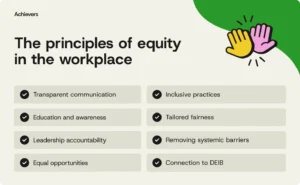
- Equitable Opportunity and Fair Treatment: Ensuring that all employees, regardless of background, have equal access to resources, development opportunities, promotions, and recognition. This involves transparent processes, objective evaluation criteria, and a commitment to addressing systemic biases.
- Feeling Valued and Respected: Cultivating a culture where individuals feel their contributions are appreciated, their unique perspectives are sought, and their inherent worth as individuals is acknowledged. This goes beyond formal recognition programs to everyday interactions and leadership behaviors.
- Authentic Self-Expression and Belonging: Empowering employees to bring their whole selves to work, free from the need to conform or mask aspects of their identity. This fosters a sense of belonging, where individuals feel accepted and connected to their colleagues and the organization’s mission.
These pillars are not abstract ideals but actionable frameworks that organizations can implement to transform their workplace cultures. They represent a departure from performative diversity initiatives towards a deep-seated cultural change that prioritizes the human experience within the corporate structure.
The Symbiotic Relationship: How Inclusion Combats Burnout
The connection between these pillars of inclusion and the mitigation of employee burnout is profound and multifaceted. Each aspect of an inclusive culture directly addresses a contributing factor to burnout, creating a more resilient and supportive work environment.
-
Psychological Safety vs. Emotional Exhaustion: A lack of psychological safety often forces employees to engage in "emotional labor" – suppressing their true feelings, masking their identity, or constantly worrying about how they are perceived. This constant vigilance is incredibly draining and a direct pathway to emotional exhaustion, a core component of burnout. In a psychologically safe environment, employees feel free to be themselves, reducing this emotional burden and preserving their energy for productive work. They are more likely to seek help, voice concerns about workload, or suggest process improvements without fear, preventing issues from escalating into chronic stress.
-
Equitable Opportunity and Fair Treatment vs. Cynicism and Lack of Efficacy: When employees perceive unfairness in promotions, assignments, or recognition, it breeds cynicism and a sense of helplessness. Believing that effort does not translate into reward, or that opportunities are reserved for a select few, can severely undermine motivation and lead to feelings of reduced professional efficacy. An inclusive workplace, characterized by transparent and equitable processes, fosters trust and a belief in meritocracy. This assurance that hard work will be recognized and opportunities are genuinely open to all significantly reduces cynicism and encourages employees to invest fully in their roles, knowing their contributions matter.
-
Feeling Valued and Respected vs. Depersonalization and Lack of Recognition: A primary cause of burnout is a feeling of being undervalued or disrespected, leading to depersonalization (a cynical, negative attitude toward one’s job and colleagues). When employees feel their contributions are invisible or unappreciated, they become disengaged and resentful. An inclusive culture actively seeks out and values diverse perspectives, acknowledging the unique contributions of each team member. This constant reinforcement of value acts as a buffer against feelings of insignificance, fostering a sense of purpose and combating the emotional detachment often seen in burnout.
-
Authentic Self-Expression and Belonging vs. Isolation and Identity Strain: The pressure to conform to a dominant culture, or to hide aspects of one’s identity (e.g., gender identity, sexual orientation, disability, cultural background), creates immense stress and isolation. This "identity strain" diverts mental energy away from work and towards managing self-presentation, contributing to exhaustion. An inclusive environment celebrates authentic self-expression and actively cultivates a sense of belonging, making employees feel connected and supported. This social support network is a crucial protective factor against burnout, providing a buffer against stress and fostering a sense of community that counteracts feelings of isolation.
In essence, inclusion addresses the fundamental human need for belonging, recognition, and agency. When these needs are met within the workplace, employees are more engaged, more resilient, and less susceptible to the draining effects of chronic stress.
Empirical Evidence and Tangible Benefits

The hypothesis that inclusion mitigates burnout is not merely theoretical; it is robustly supported by empirical data. The Boston Consulting Group’s research, cited in the original brief, found that companies with high levels of inclusion experience a remarkable 17% increase in employee engagement and a 27% improvement in performance. Furthermore, employees in inclusive workplaces are 3.5 times more likely to contribute to their full innovative potential. These statistics transcend mere corporate jargon, serving as concrete evidence of inclusion’s transformative power.
Beyond BCG’s findings, other reputable organizations have corroborated the profound impact of inclusive cultures:
- Gallup’s extensive research consistently shows a strong correlation between employee engagement (which is inversely related to burnout) and diverse, inclusive work environments. Highly engaged teams, often found in inclusive cultures, demonstrate 21% greater profitability and 17% higher productivity.
- McKinsey & Company’s studies on diversity repeatedly highlight that companies with greater ethnic and cultural diversity on executive teams are 33% more likely to outperform on profitability. While these studies primarily focus on diversity, they implicitly acknowledge that diversity’s benefits are only fully realized in an inclusive environment where varied perspectives are genuinely heard and integrated.
- Harvard Business Review has published numerous articles detailing how psychological safety, a cornerstone of inclusion, is the most crucial factor in team effectiveness and innovation, directly impacting employees’ ability to thrive without fear of failure or judgment.
- A 2020 study by Deloitte found that an inclusive culture improves employee retention by 80%. Given that high turnover is a direct consequence of burnout, this finding strongly links inclusion to a more stable and less stressed workforce. The cost of replacing an employee can range from one-half to two times the employee’s annual salary, making retention a significant financial benefit of inclusive practices.
These figures are not just impressive; they represent a compelling business case for investing in inclusion. A workforce that feels valued, respected, and heard is not only less likely to burn out but is also more engaged, innovative, productive, and loyal. This translates directly into improved financial performance, enhanced market reputation, and a stronger ability to attract and retain top talent in a competitive global landscape.
Beyond Inclusion: A Holistic Approach to Well-being
While inclusion is undeniably a powerful antidote to burnout, it is crucial to acknowledge that it is not a standalone panacea. Burnout is a multifaceted problem, and as such, it demands a multifaceted solution. An inclusive culture lays a vital foundation, but it must be complemented by other robust strategies focused on overall employee well-being.
Key complementary strategies include:
- Workload Management: Even in the most inclusive environments, excessive or poorly managed workloads can lead to burnout. Organizations must implement realistic expectations, provide adequate resources, and empower employees to manage their time effectively. This includes encouraging breaks, discouraging "always-on" cultures, and providing training on prioritization.
- Mental Health Support: Comprehensive mental health resources, including access to counseling, employee assistance programs (EAPs), stress management workshops, and mental health first aid training, are essential. Reducing the stigma around mental health issues and promoting open dialogue is also critical.
- Leadership Training: Leaders play a pivotal role in shaping workplace culture. Training managers to be empathetic, communicate effectively, recognize signs of burnout, and foster psychological safety is paramount. Leaders must be equipped to not only delegate tasks but also to support their teams’ well-being.
- Flexible Work Arrangements: Offering flexibility in terms of work hours, location, and scheduling can significantly reduce stress and improve work-life integration. Remote work, hybrid models, and compressed workweeks, when managed effectively, can empower employees to better balance professional and personal demands.
- Clear Communication and Feedback Mechanisms: Transparent communication about organizational goals, changes, and individual performance helps reduce uncertainty and anxiety. Regular, constructive feedback, coupled with opportunities for employees to voice concerns and contribute ideas, fosters a sense of control and engagement.
The synergy between inclusion and these other strategies is what ultimately creates a truly resilient, high-performing, and human-centric workplace. Inclusion ensures that all voices are heard in discussions about workload and well-being, that mental health support is culturally sensitive, and that flexible policies are applied equitably. Without inclusion, even well-intentioned programs can fall short, failing to meet the diverse needs of the entire workforce.
Leadership’s Role in Fostering Inclusive, Burnout-Resistant Cultures
The successful implementation of an inclusive, burnout-resistant culture hinges critically on leadership commitment and accountability. It cannot be relegated to an HR initiative; it must be a top-down strategic priority, championed by the CEO and cascaded through every layer of management. Leaders must not only advocate for inclusion but embody its principles in their daily actions and decisions.
This involves:
- Modeling Inclusive Behaviors: Leaders must demonstrate empathy, active listening, and a genuine valuing of diverse perspectives. They should create forums for open dialogue and challenge non-inclusive behaviors.
- Setting Clear Expectations and Accountability: Establishing measurable DEI goals and integrating them into performance reviews for managers ensures that inclusion is taken seriously.
- Investing in Training and Development: Providing resources for unconscious bias training, cultural competence, and inclusive leadership skills development equips employees and managers to contribute to a more inclusive environment.
- Building Trust Through Transparency: Openly communicating about DEI efforts, progress, and challenges fosters trust and demonstrates a genuine commitment to change.
- Empowering Employee Voice: Creating formal and informal channels for employee feedback, such as employee resource groups (ERGs), pulse surveys, and skip-level meetings, ensures that diverse perspectives inform decision-making.
When leadership actively champions inclusion, it sends a powerful message throughout the organization, signaling that employee well-being and equitable treatment are non-negotiable values. This leadership-driven commitment transforms inclusion from a "nice-to-have" into an integral part of the organizational DNA, essential for navigating the complexities of the modern workforce and safeguarding against the debilitating effects of burnout.
The Economic and Societal Implications
The implications of prioritizing inclusion as a strategy against burnout extend far beyond individual companies. On an economic level, a global workforce grappling with widespread burnout represents a significant drag on productivity, innovation, and economic growth. Conversely, a workforce that is engaged, well-supported, and inclusive is a powerful engine for progress. The financial savings from reduced turnover, absenteeism, and healthcare costs, coupled with increased productivity and innovation, contribute positively to national and global economies.
From a societal perspective, fostering inclusive workplaces aligns with broader goals of social equity and justice. It promotes fair treatment for all individuals, regardless of their background, and contributes to a more just distribution of opportunities and rewards. As the global conversation increasingly turns to Environmental, Social, and Governance (ESG) factors, the "Social" component places a strong emphasis on how companies treat their employees, their commitment to diversity and inclusion, and their efforts to promote well-being. Investors and consumers are increasingly scrutinizing companies’ social performance, making inclusion not just an ethical imperative but a crucial aspect of long-term brand reputation and stakeholder value.
Conclusion
The journey through the labyrinthine corridors of corporate America reveals a clear truth: inclusion is not merely a philanthropic endeavor or a compliance checkbox; it is a fundamental building block for a resilient, innovative, and human-centered workplace. Employee burnout, a pervasive and costly affliction, finds a significant antagonist in a truly inclusive culture. By fostering psychological safety, ensuring equitable opportunities, valuing every individual, and enabling authentic self-expression, organizations can create environments where employees are less susceptible to the draining effects of chronic stress.
While inclusion is a powerful and foundational component, it is part of a broader puzzle. It must be integrated with comprehensive strategies for workload management, mental health support, and empathetic leadership. However, without the bedrock of inclusion, other burnout-prevention efforts may stand on shaky ground, failing to address the diverse needs and experiences of the entire workforce.
As organizations navigate the complexities of the future of work, the commitment to inclusion must solidify as a strategic imperative. It is the path to unlocking the full potential of every employee, fostering a culture of innovation, and ultimately, building a more engaged, resilient, and fundamentally happier workforce. The investment in inclusion is an investment in human capital, yielding returns not only in productivity and profitability but also in the creation of workplaces where individuals can genuinely thrive. It is, in essence, a revolution in how we define and achieve organizational success.