
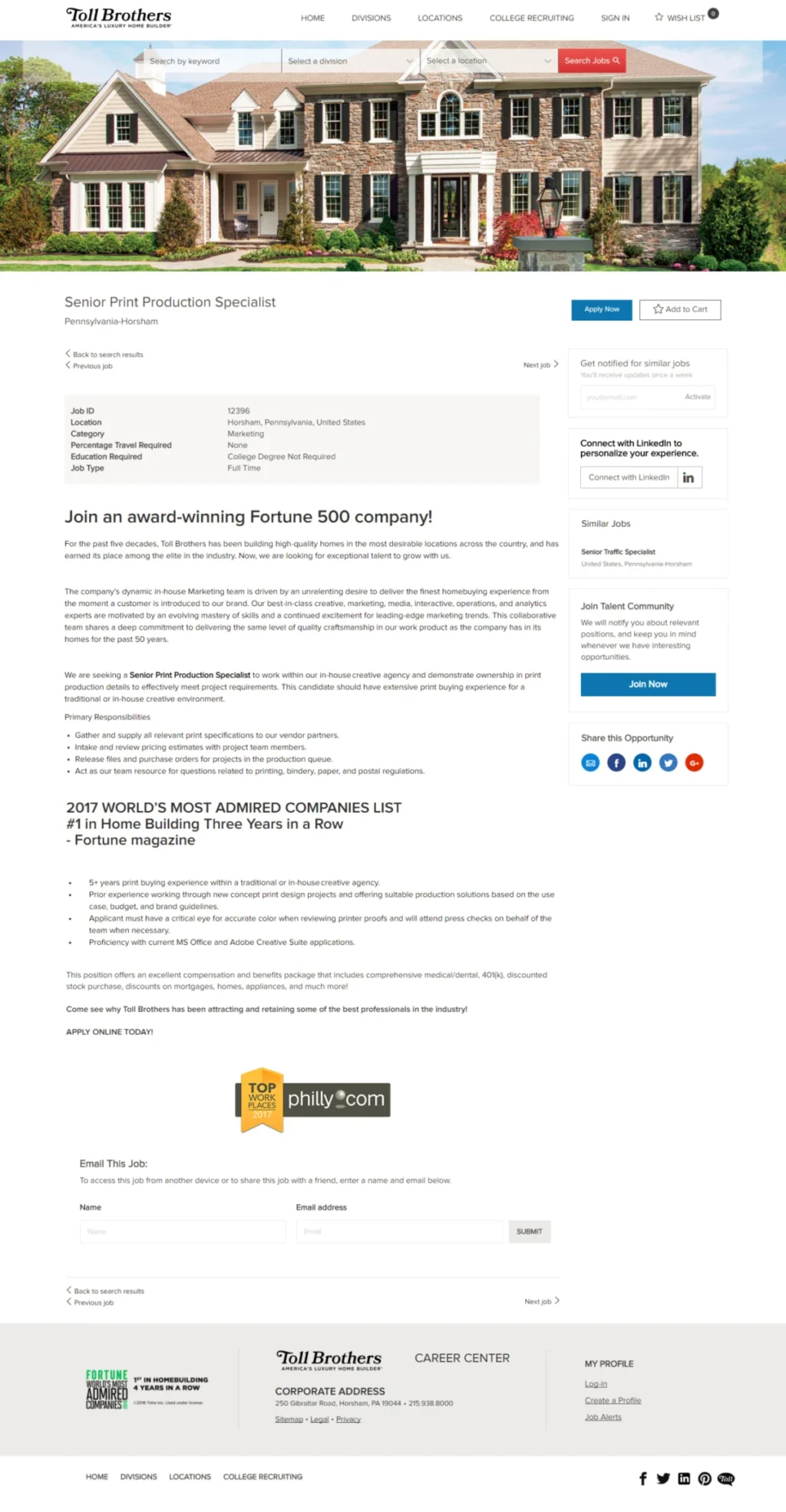
The landscape of talent acquisition has undergone a profound transformation, moving far beyond static job postings to embrace dynamic, content-rich advertisements. In a fiercely competitive global talent market, employers are increasingly recognizing that generic listings of requirements and qualifications are no longer sufficient to attract the most skilled and culturally aligned candidates. Instead, the period spanning 2018 to 2026 has witnessed a strategic pivot towards creativity, robust content, and a comprehensive portrayal of the employee value proposition, making job descriptions (JDs) vital components of an effective recruitment strategy.
The Evolution of Job Advertisements: A Brief Chronology
Historically, job advertisements were confined to print media, often appearing as terse classifieds in newspapers and professional journals. These early iterations prioritized brevity and factual information, serving primarily as a notice of vacancy rather than a persuasive tool. With the advent of the internet in the late 20th century, job boards like Monster and CareerBuilder digitized this process, offering wider reach but often maintaining a similar, text-heavy format. The early 2010s saw a gradual shift as social media platforms began to influence recruitment, introducing elements of employer branding and direct engagement. However, the period from 2018 onwards marked a more aggressive evolution, driven by heightened talent shortages, the rise of remote work, and a growing emphasis on diversity, equity, and inclusion (DEI). This era demanded a fundamental rethinking of how job opportunities are presented, pushing companies to integrate multimedia, transparent information, and a distinct narrative into their recruitment collateral.
The Modern Imperative: Beyond Basic Listings
Today’s job seekers, particularly those in high-demand fields, are discerning. They are not merely looking for a role; they are seeking a career path, a supportive environment, and an organization that aligns with their personal values. This shift has necessitated a move from transactional job advertising to a more holistic, experiential approach. Companies like McAfee, ADT, Walmart, BMC, and McGraw-Hill, among others, have been at the forefront of this transformation, showcasing how enriched job ads can significantly enhance candidate engagement and improve recruitment outcomes. Their strategies often involve integrating detailed insights into company culture, employee benefits, and growth opportunities, moving beyond mere bullet points to paint a vivid picture of what it means to work for them.
Pillars of an Exemplary Job Description
Crafting a compelling job description in the current environment is akin to creating a strategic marketing document. It requires careful consideration of several key elements:
-
Strategic Job Titles: The job title is the initial point of contact for a candidate. While creative titles like "Chief Meme Officer" might grab attention, clarity remains paramount. A recent study by Jobvite indicated that 70% of job seekers use specific job titles in their search queries. Therefore, striking a balance between an engaging title and one that is easily searchable and accurately reflects the role is crucial. Titles should be optimized for both human readability and search engine algorithms, ensuring that the target audience can readily discover the opportunity.
-
Engaging Summaries and Narratives: The job summary acts as an "elevator pitch," a concise yet captivating overview designed to hook candidates. It should articulate the core purpose of the role, its impact within the organization, and highlight what makes the company a desirable employer. Rather than simply stating facts, effective summaries tell a mini-story, drawing candidates into the company’s mission and vision. Incorporating elements of the company’s value proposition here can immediately differentiate the opportunity.
-
Transparent Responsibilities: Clarity in outlining day-to-day tasks and expectations is non-negotiable. Candidates seek a clear understanding of what their role will entail to assess fit and potential for success. Presenting responsibilities concisely, often through bulleted points, and employing strong action verbs can make this section both informative and inspiring. Experts recommend verbs that convey impact and agency, fostering a sense of excitement for the potential contributions a candidate could make. This transparency also helps manage expectations, reducing post-hire disillusionment.
-
Skills-First Qualifications and the Education Debate: The traditional emphasis on formal degrees as a primary qualification has faced significant scrutiny, particularly between 2020 and 2026. Major corporations, including IBM, have publicly announced shifts towards skills-based hiring, recognizing that relevant certifications, demonstrable competencies, and practical experience often outweigh a specific academic credential. This approach broadens the talent pool, promotes diversity, and addresses the evolving nature of many technical and specialized roles where practical aptitude is more critical than a degree. Adopting a skills-first approach gives organizations a competitive edge by tapping into a wider, often overlooked, pool of qualified talent.
-
Comprehensive Benefits and Work-Life Integration: Beyond salary, benefits packages have become a critical differentiator. Forecasts for 2026 consistently indicate a workforce that prioritizes holistic well-being, including parental benefits, generous paid family leave, robust health insurance subsidies, mental health support, and flexible work arrangements. Job descriptions that transparently detail these offerings, painting a picture of a supportive and understanding work environment, significantly enhance their appeal. Companies that showcase a genuine commitment to work-life balance and employee welfare stand out in a market where candidates increasingly seek employers who value their lives outside of work.
-
Authentic Company Culture and Values: Job descriptions serve as a window into an organization’s soul. Effectively communicating company values, ethos, and the overall work environment is crucial for attracting candidates who genuinely align with the organizational mission. This goes beyond generic statements about "teamwork" or "innovation." It involves showcasing real examples, perhaps through employee testimonials, a brief video, or a vivid narrative of daily life. The concept of "cultural add" – seeking individuals who bring unique perspectives and experiences to enrich the existing culture – has largely replaced the more restrictive "cultural fit," fostering a more inclusive and dynamic workplace.
Technological Catalysts for Superior Job Ads
The evolution of job advertising has been significantly accelerated by advancements in technology:
-
AI for Inclusivity and Efficiency: Artificial intelligence (AI) has emerged as a powerful tool in refining job descriptions. Platforms like Ongig’s Text Analyzer leverage algorithms to identify and rectify biased language, ensuring job ads are welcoming to candidates from all backgrounds. This automation helps organizations craft impactful, inclusive JDs at scale, mitigating the risk of unintentionally deterring top talent. AI sentiment analysis can also process feedback to pinpoint recurring concerns, such as a lack of specific benefits, informing policy adjustments.
-
Recruitment Management Platforms (RMPs) and Candidate Experience: Modern RMPs, exemplified by solutions like Workable, streamline the entire talent acquisition pipeline. These platforms allow for the simultaneous management of job ads across multiple locations and positions, offering intuitive editors for crafting and filtering candidates based on specific criteria. Such systems enhance the candidate experience by providing a seamless application process and efficient communication.
-
Visual Engagement and Multimedia: Static text is increasingly being augmented or replaced by rich media. Videos offering virtual office tours, employee testimonials, or a message from the CEO can dramatically increase engagement. Images that depict the work environment or team activities provide a visual context that text alone cannot. The "first 90-day roadmap" is a particularly innovative visual element, offering new hires a clear guide to initial expectations, company rituals (e.g., "healthy fruit Mondays," "reverse mentoring opportunities"), and support structures. This significantly reduces onboarding anxiety, especially for entry-level professionals.
-
Mobile Optimization: A workforce survey conducted recently revealed that a significant 67% of candidates apply for jobs directly from their mobile devices. This statistic underscores the critical importance of mobile-optimized job ads and application processes. Job descriptions must be responsive, easy to read on small screens, and provide a frictionless experience for candidates on the go.
The Science of Improvement: Data-Driven Optimization
Continuous improvement is vital in the dynamic realm of job advertising. Organizations must adopt a data-driven approach:
-
Feedback Loops: Actively soliciting and analyzing feedback from candidates, hiring managers, and current employees about job descriptions is essential. This qualitative data can reveal areas of confusion, missing information, or aspects that resonate particularly well. AI-powered sentiment analysis can further enhance this by detecting subtle trends in feedback that might indicate systemic issues with talent policies or ad content.
-
Performance Analytics: Quantitative data analysis is crucial for understanding job ad effectiveness. Tracking metrics such as views, click-through rates, application conversion rates, and, critically, the quality of hire (how well new hires perform and integrate) provides actionable insights. A high number of views with a low application rate might signal an unoptimized call to action or a disconnect between the ad’s promise and the candidate’s perception. Conversely, high application rates yielding low-quality hires could indicate vague skill requirements or an inaccurate portrayal of the role.
-
Agility and A/B Testing: The recruitment landscape is constantly evolving, necessitating an agile approach. Experimenting with different ad formats, language styles, and visuals through A/B testing allows organizations to identify what resonates most effectively with their target audience. Regular reviews and updates ensure that job descriptions remain fresh, accurate, and aligned with current organizational needs and evolving job seeker behaviors.
Broader Implications: Employer Branding and Talent Acquisition
The shift towards enriched, strategic job advertisements has far-reaching implications beyond individual hires. It fundamentally strengthens an organization’s employer brand, positioning it as a desirable workplace that values its employees and invests in a transparent, engaging recruitment process. This proactive approach helps reduce time-to-hire by attracting a more qualified and engaged applicant pool. Furthermore, by setting accurate expectations and fostering a connection with candidates from the outset, these advanced job ads contribute significantly to improved employee retention rates. In a highly competitive talent market, the ability to articulate a compelling employee value proposition through innovative job advertising is no longer a luxury but a strategic imperative for long-term organizational success.
In conclusion, the era from 2018 to 2026 has irrevocably altered the nature of job advertising. What was once a perfunctory listing has transformed into a sophisticated, multimedia-rich communication tool. By embracing creativity, leveraging technology, prioritizing inclusivity, and committing to continuous improvement, organizations can craft job descriptions that not only attract top talent but also lay the groundwork for a successful and lasting employer-employee relationship.






